Angular Roughshark
Oxynotus centrina (Linnaeus, 1758)
Endangered- Maximum length
- 1.5 m
- Depth range
- From 50 to 780m.
- FAO code
- OXY
Meet the Angular Roughshark
- Also known as
- ANGULAR ROUGHSHARK, Flatiron Shark, Prickly Dogfish, Meersau (DEU), Cerdo Marino (ESP), Centrine Commune (FRA), Porcu di Mari (ITA), Grootvinruwhaai (NLD), Peixe-porco (PRT).
How to identify
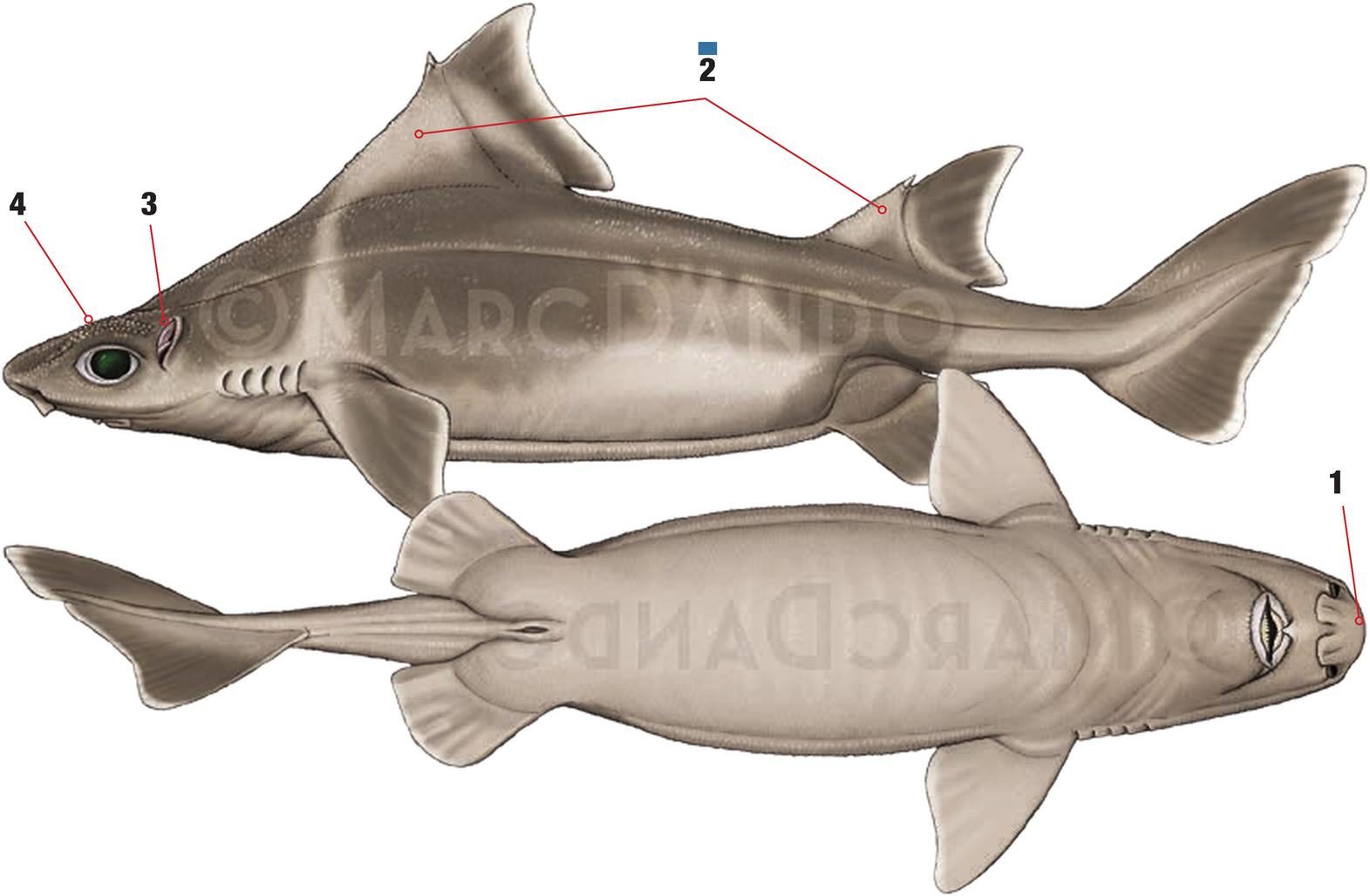
The numbers match the arrows on the illustration.
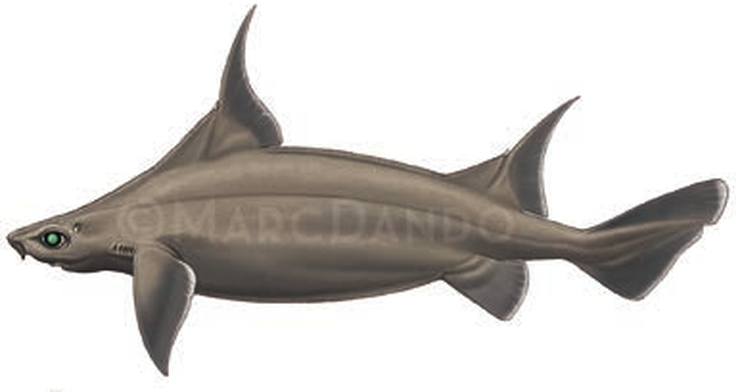
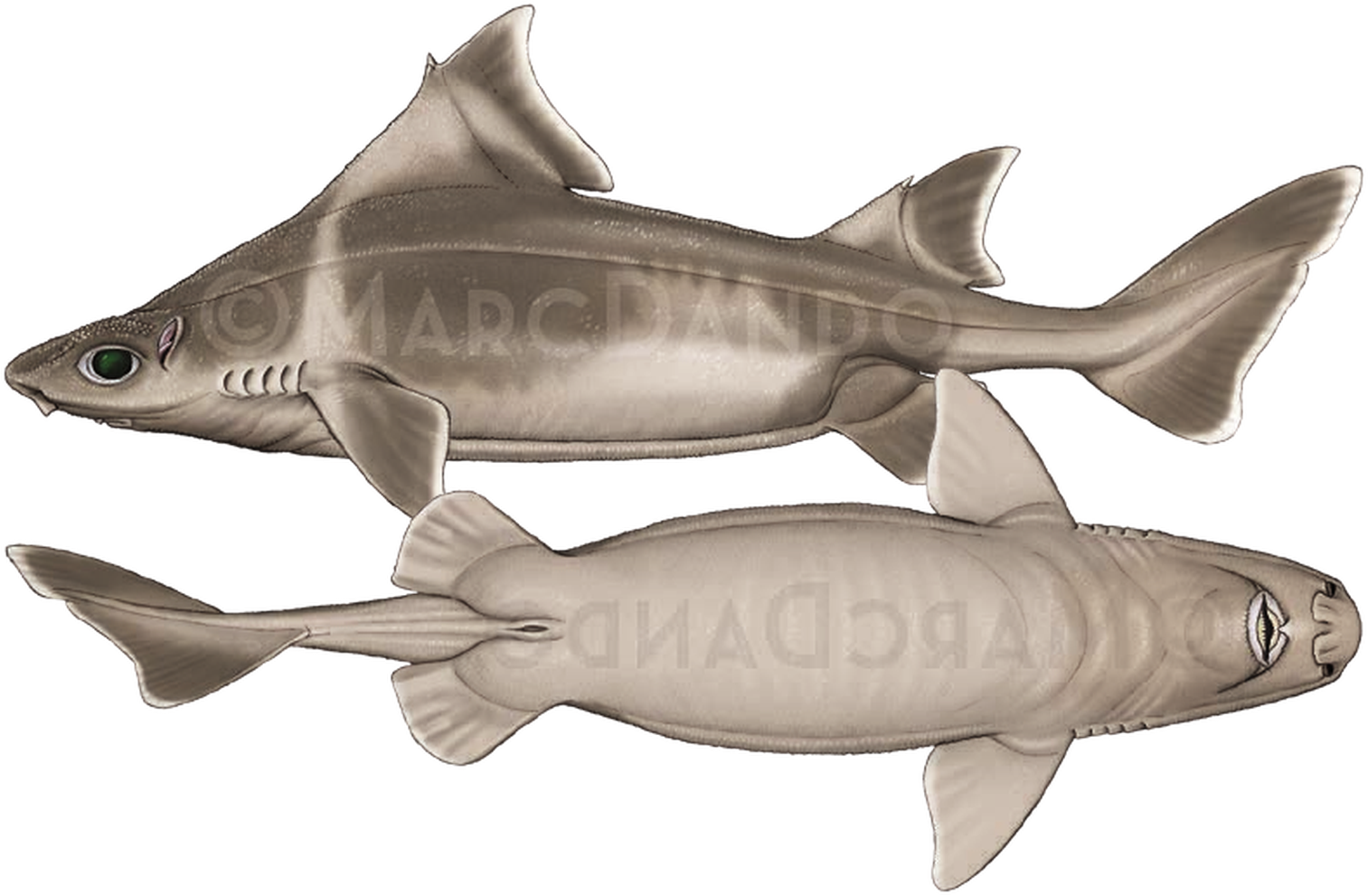
- Short, blunt snout. Compressed body, triangular in cross section.
- Two large, sail-like dorsal fins each with a spine.
- Extremely large, vertically elongated spiracles.
- Heavy ridges over eyes with enlarged denticles.
Colouring & markings
- Colour grey to grey brown; dark blotches on head and flanks.
- Light horizontal line below eye.
Teeth
Upper jaw: 9−11; lanceolate teeth, smaller than lower Lower jaw: 9; teeth overlap, sharp-edged and serrated.
How big do they get?
Where they live
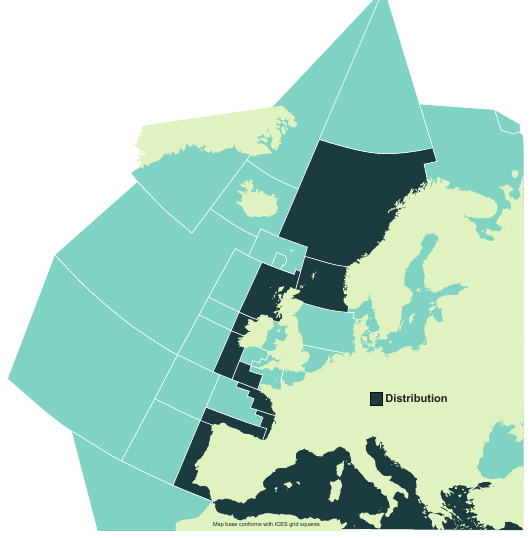
Distribution
Rare to uncommon throughout range. Eastern Atlantic from Norway to South Africa incl. Madeira, Canary Islands and Mediterranean Sea. Possibly off Mozambique.
Habitat
Demersal shark on continental shelves and upper slope from 50−780m; most common at depths >100m. Commonly associated with coralline and muddy bottoms. Gravid females recorded at sites in eastern Mediterranean, suggesting potential pupping areas.
In the wild
-

Recorded on a Shark Trust survey dive -
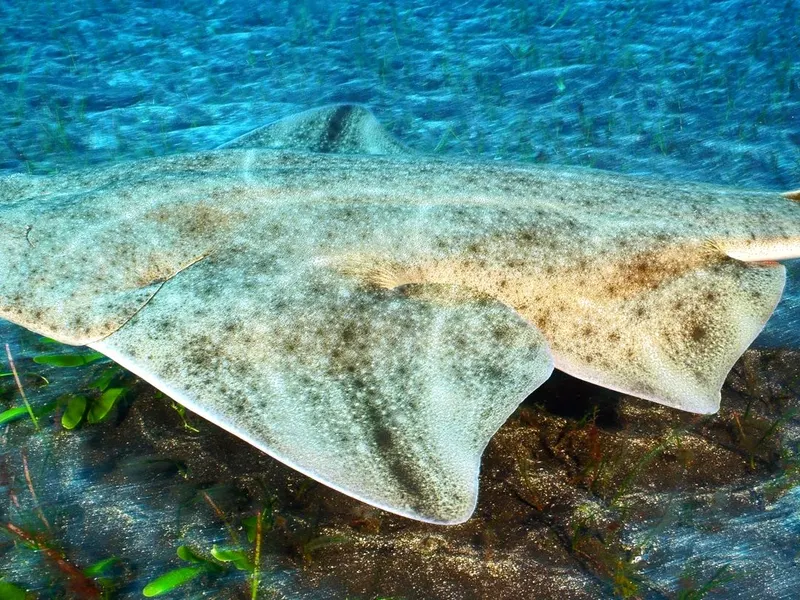
Resting on a sandy seabed -
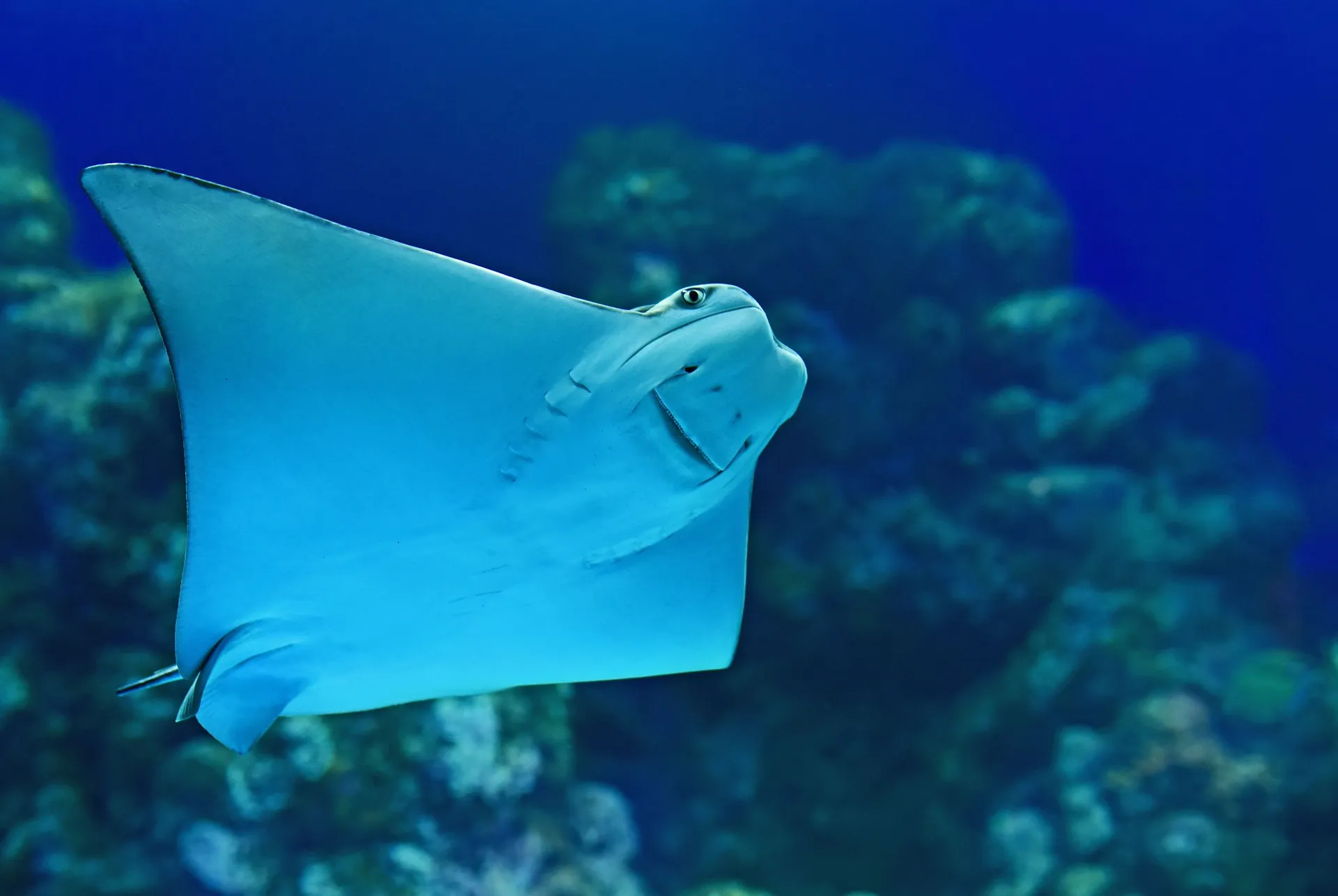
Cruising close to the sea floor -
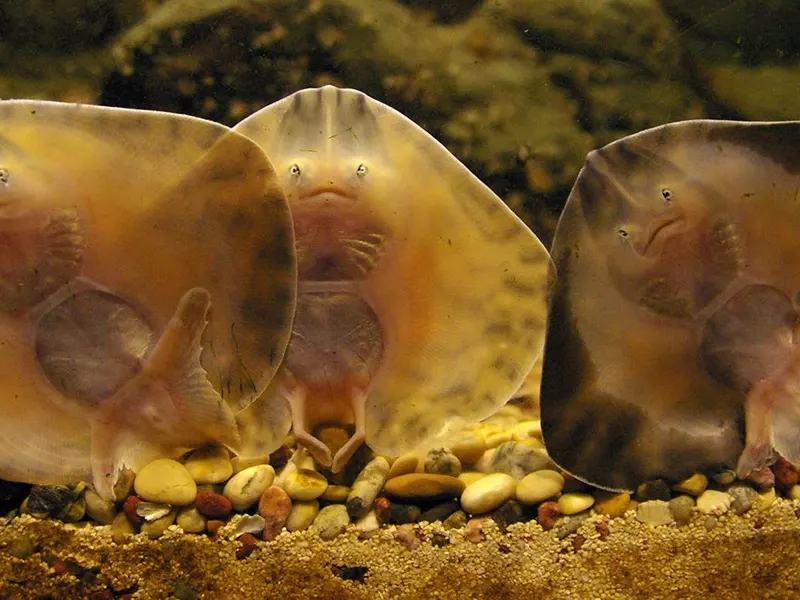
In the shallows at dusk -
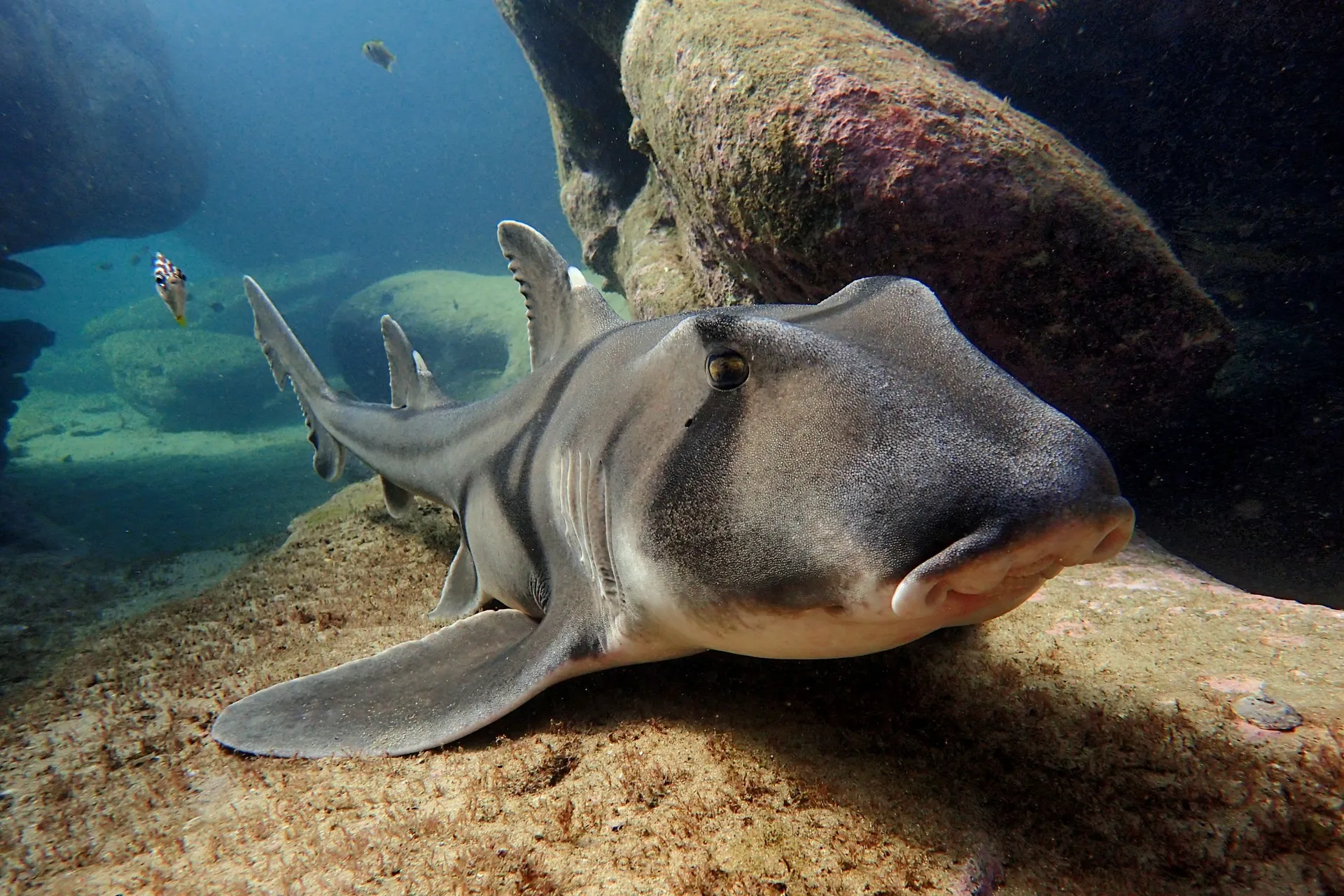
Sheltering on the reef
Go deeper
Size & biology
- Birth: 21−24cm.
- Matures: female 52−65cm; male 60cm.
- Max. TL: 150cm, most <100cm.
- Ovoviviparous, litters of 7−23 pups.
- Feeds on benthic worms, crustaceans and teleost fishes. Also predates on the contents of elasmobranch eggcases. Thought to be a suction feeder.
Conservation status
IUCN Red List: Global: Vulnerable (2007) Europe: Vulnerable (2015) Mediterranean: Critically Endangered (2016) Although not targeted, this shark is taken as bycatch in offshore bottom and pelagic trawls. Its large dorsal fins and spines make it susceptible to capture in nets whilst its depth range lies entirely within reach of fisheries across much of its range. Surveys suggest localised population declines have taken place in the Mediterranean Sea and Northeast Atlantic.
Management
Subject to prohibitions under RFMO and additional FNA regulations.
Commercial importance
Limited commercial interest, sometimes utilised for human consumption, oil and fishmeal.
References & further reading
Assessment: OXY/NEA/2020
- Ebert & Stehmann.
- Soldo & Guallart.
- Başusta et al.
- Kabasakal.
- Ebert et al.