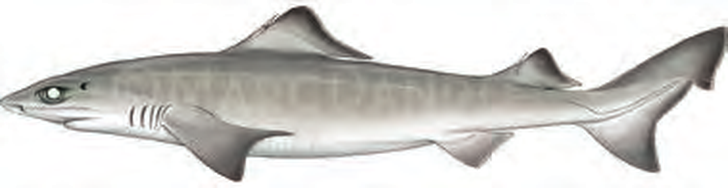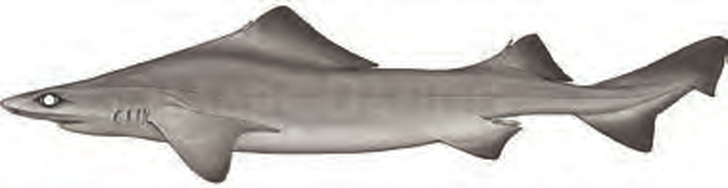
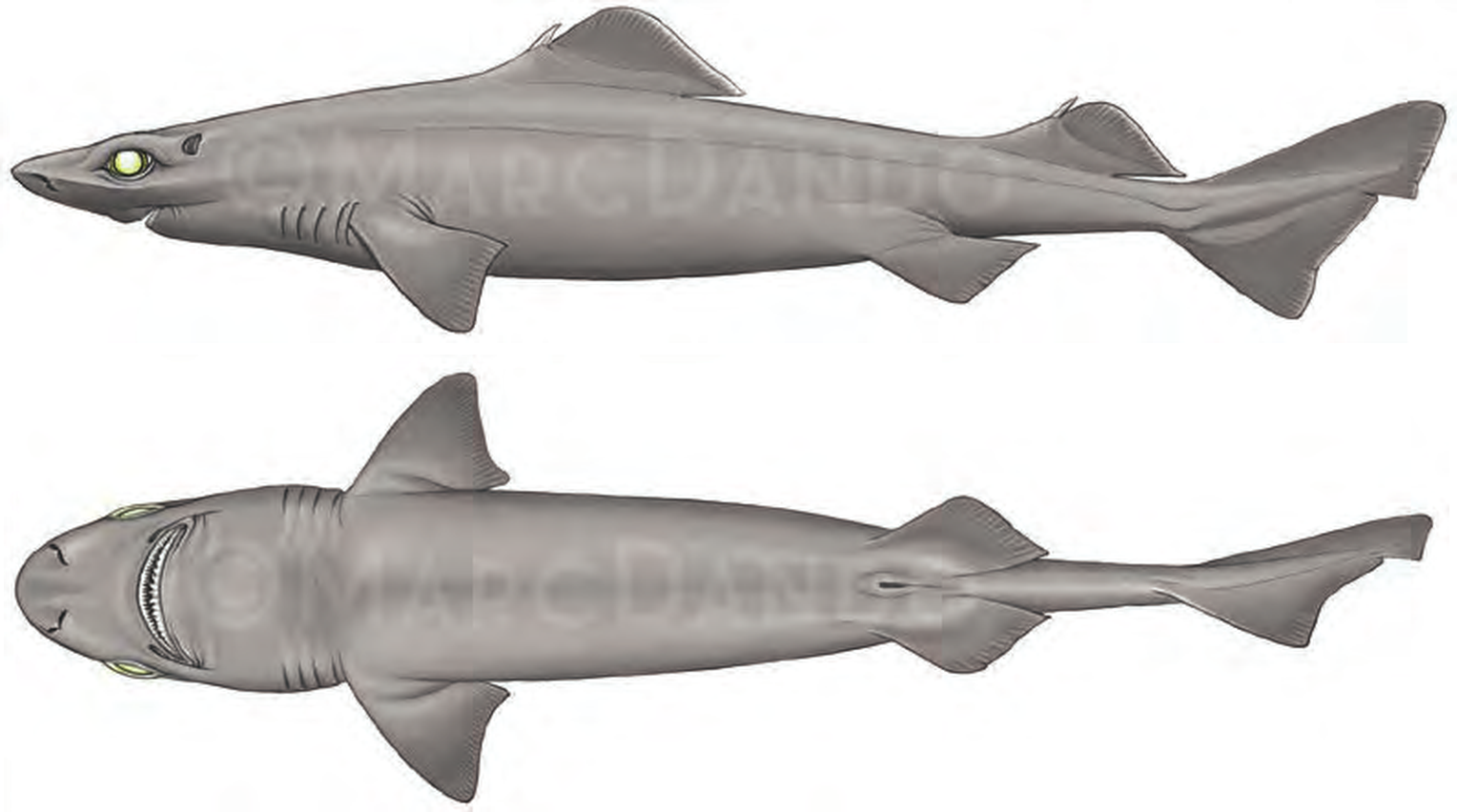
Leafscale Gulper
Centrophorus squamosus (Bonnaterre, 1788)
Endangered- Maximum length
- 1.64 m
- Depth range
- From 230 to 2,400m.
- FAO code
- GUQ
Meet the Leafscale Gulper
- Also known as
- LEAFSCALE GULPER SHARK, Deepwater Spiny Dogfish, Nilson’s Deepsea Dogfish, Tiefwasser-Dornhai (DEU), Quelvacho (ESP), Squale-chagrin de l’Atlantique (FRA), Sagrì (ITA), Schubzwelghaai (NLD), Lixa (PRT).
How to identify
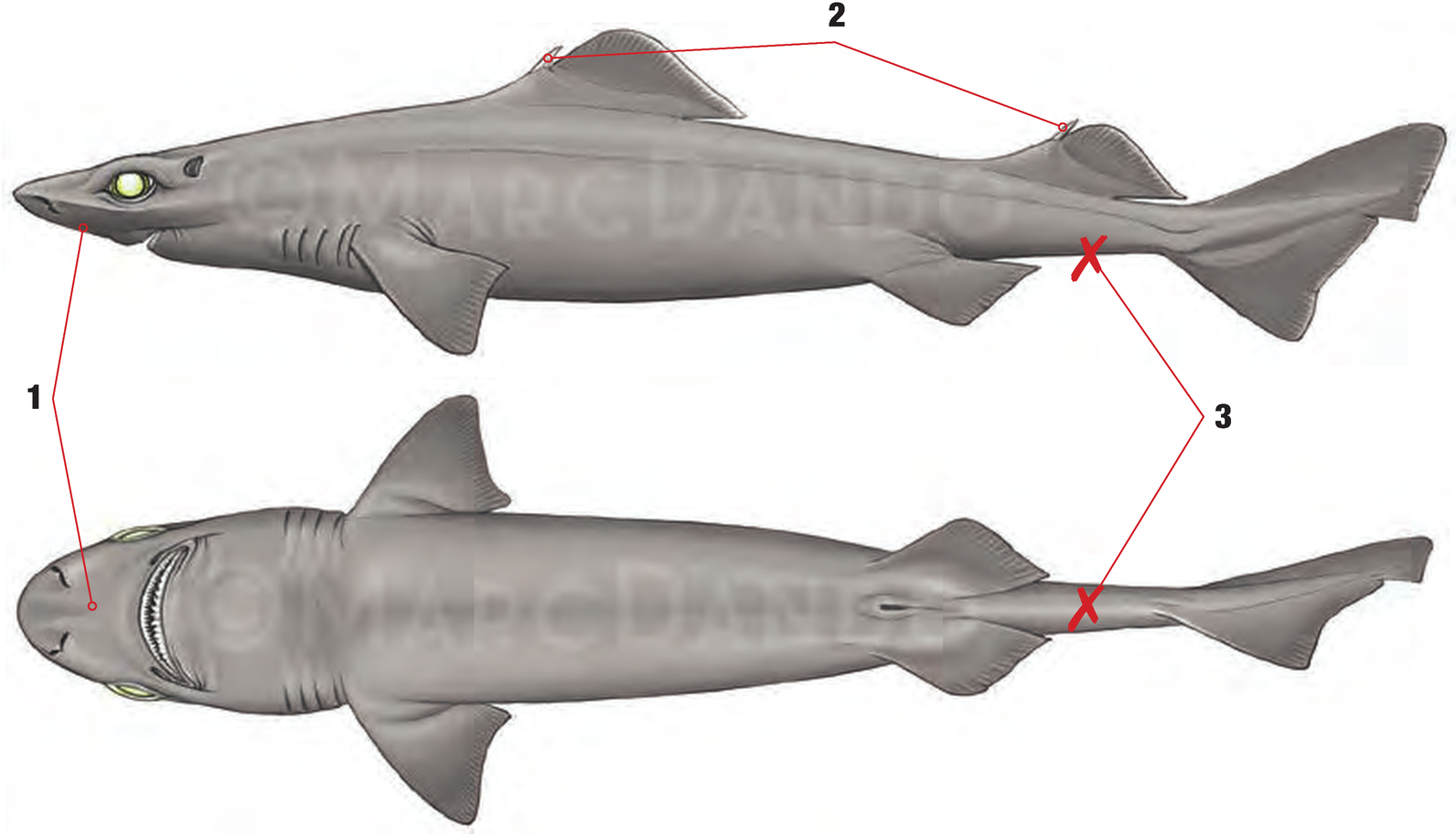
The numbers match the arrows on the illustration.
- Short, thick, slightly flattened snout.
- First dorsal fin long and low, second dorsal shorter and higher; both with large dorsal spines.
- No anal fin.
Colouring & markings
- Uniform grey, grey-brown to reddish-brown.
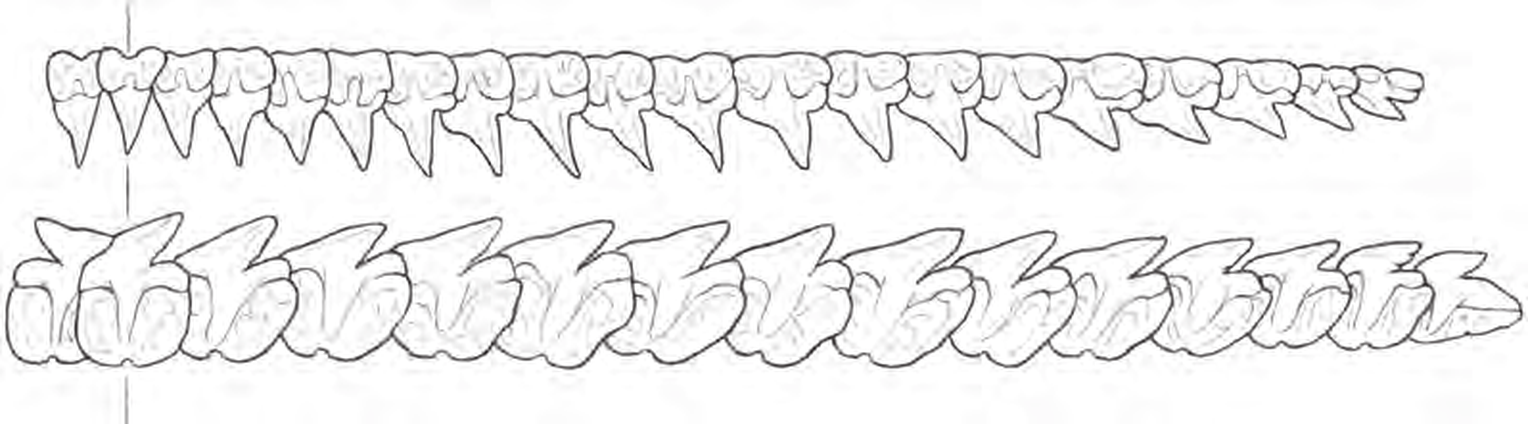
Teeth
Upper jaw: 30–38; blade-like, unicuspidate shape. Lower jaw: 24–32; oblique cusps; much larger that upper
How big do they get?
Where they live
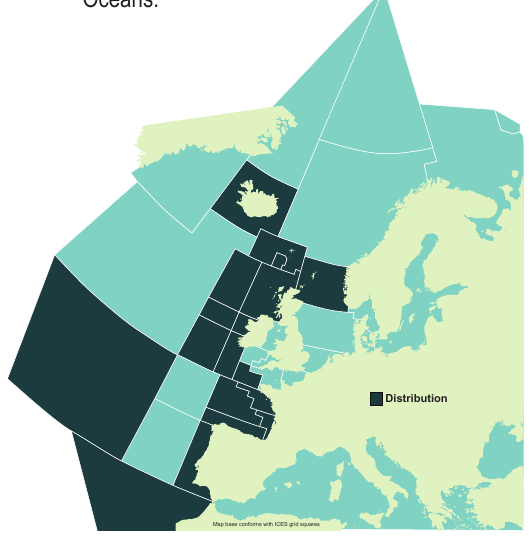
Distribution
Wide global distribution. Eastern Atlantic from Iceland to Norway and south to South Africa including Madeira, Azores and Canary Islands. Reported in the Indian and Western Pacific Oceans.
Habitat
Demersal on continental slopes from 230–2,400m; also found in the pelagic zone to 1,250m. Migratory species capable of 20nm per day.
In the wild
-

Recorded on a Shark Trust survey dive -
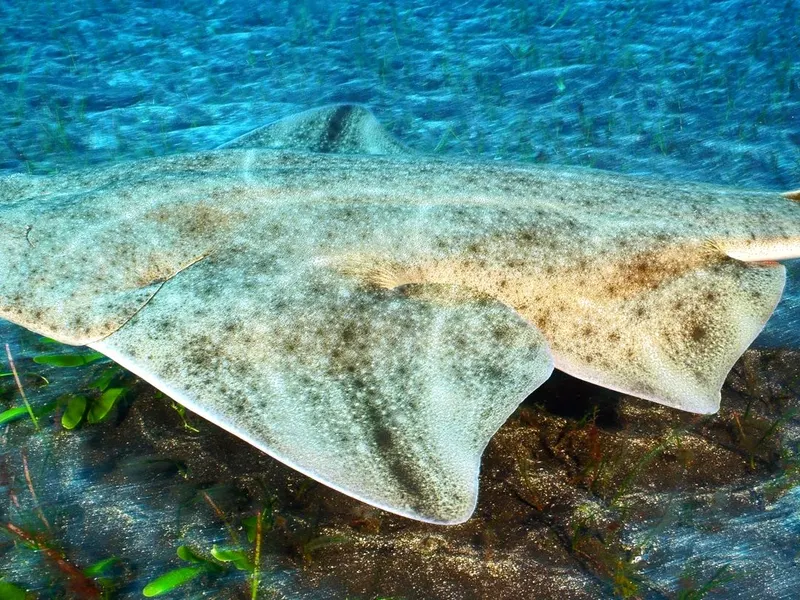
Resting on a sandy seabed -

Cruising close to the sea floor -
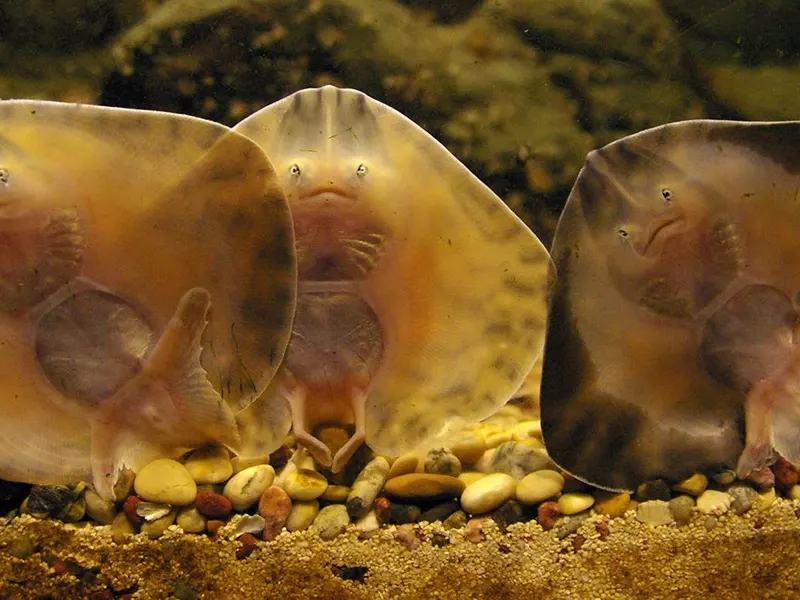
In the shallows at dusk -
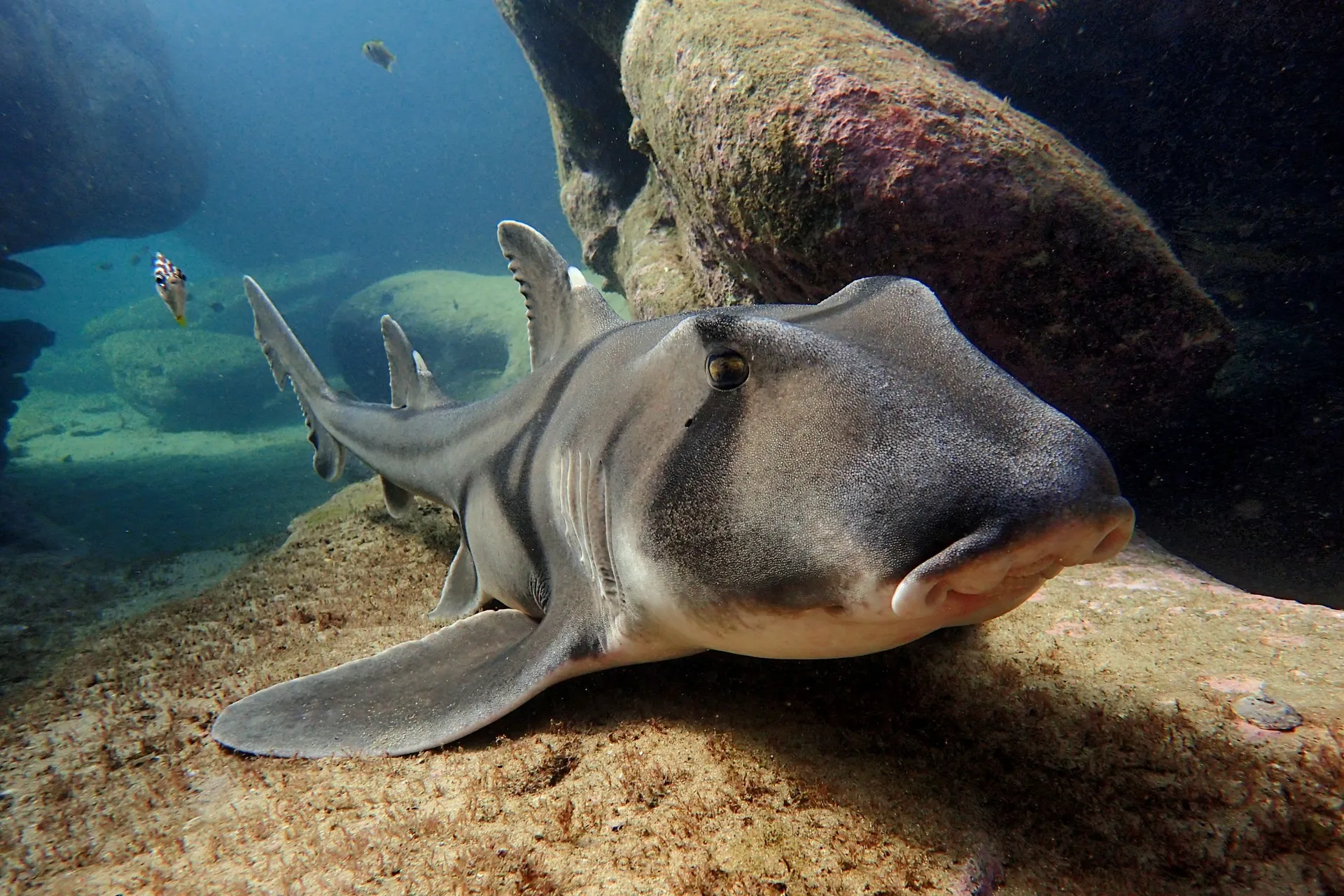
Sheltering on the reef
Go deeper
Size & biology
- Birth: 30–40cm.
- Matures: female 110–125cm; male 100–110cm.
- Max. TL: 164cm.
- Age at maturity: female 35 years; male 30 years. Max. age est.: 70 years.
- Ovoviviparous, litters of 5–8 pups.
- Evidence of segregation by sex and size, likely linked to depth and water temperature.
- Diet consists of teleost fishes, cephalopods, crustaceans; chimaera also reported.
Conservation status
IUCN Red List: Global: Vulnerable (2003) Europe: Endangered (2015) Leafscale Gulper Shark has highly conservative life history characteristics. The significant population declines observed in the Northeast Atlantic confirm that this deepwater shark is extremely vulnerable to fishing pressure. Continued monitoring of this species is required to determine if the recent prohibitions on fishing for deepwater sharks are allowing the population to recover.
Management
Subject to prohibitions under the CFP, RFMO and FNA regulations.
Commercial importance
Previously an important component of deepwater longline and trawl fisheries, primarily for human consumption and liver oil.
References & further reading
Assessment: GUQ/NEA/2020
- Ebert et al.
- Ebert & Stehmann.
- Guallart et al.
- White, W.T.
- ICES WGEF Report.
- Rodríguez-Cabello et al.
- Neat et al.