Round Skate
Rajella fyllae (Lütken, 1887)
Least Concern- Maximum length
- 56 cm
- Depth range
- From 170 to 2,050m; primarily 400 to 800m.
- FAO code
- RJY
Meet the Round Skate
- Also known as
- ROUND SKATE, Round Ray, Fyllarochen (DEU), Raya Redonda (ESP), Raie Ronde (FRA), Fylla’s Rog (NLD).
How to identify
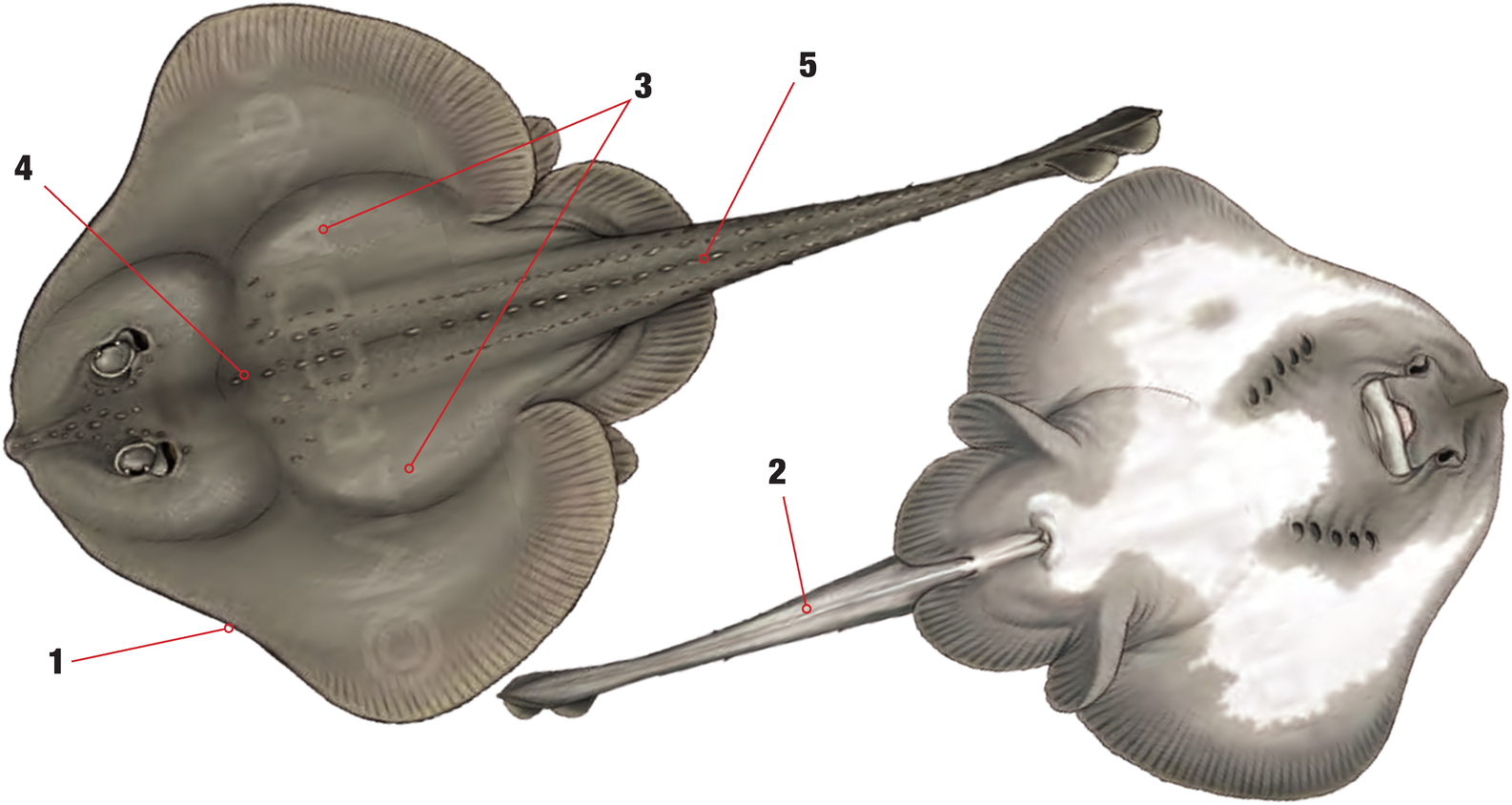
The numbers match the arrows on the illustration.
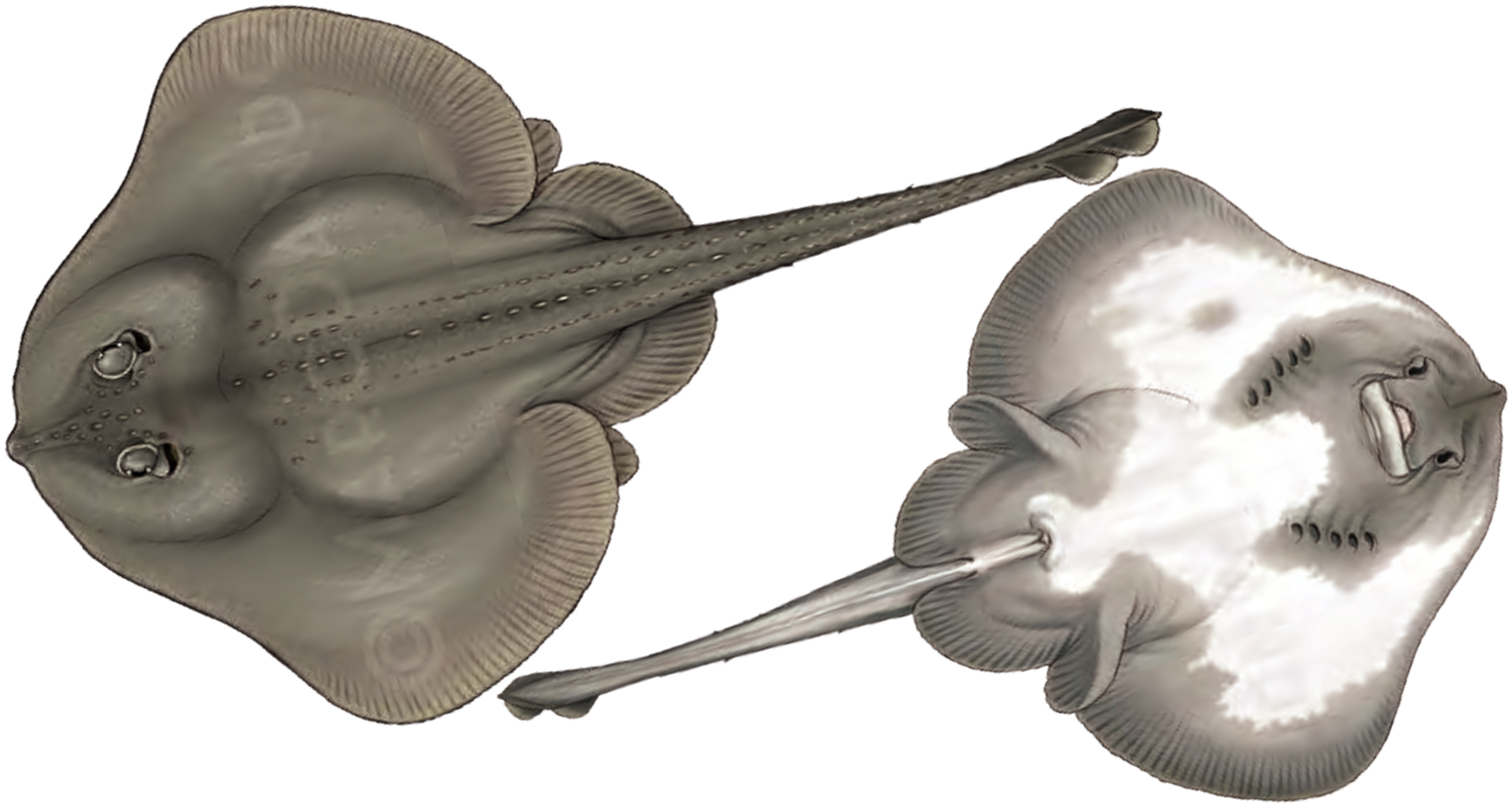
- Rounded disc with undulating anterior disc margins.
- Long tail, longer than body.
- Dorsal surface entirely spinulose.
- Triangular patch of large thorns on nape.
- Median row of small thorns along trunk and tail, additional parallel rows appearing with growth.
Colouring & markings
- Dorsal surface dark grey to brown often with dark and/or pale blotches.
- Whitish grey ventral surface with broad dark disc margins.
- Tail occasionally with dark banding or spots.
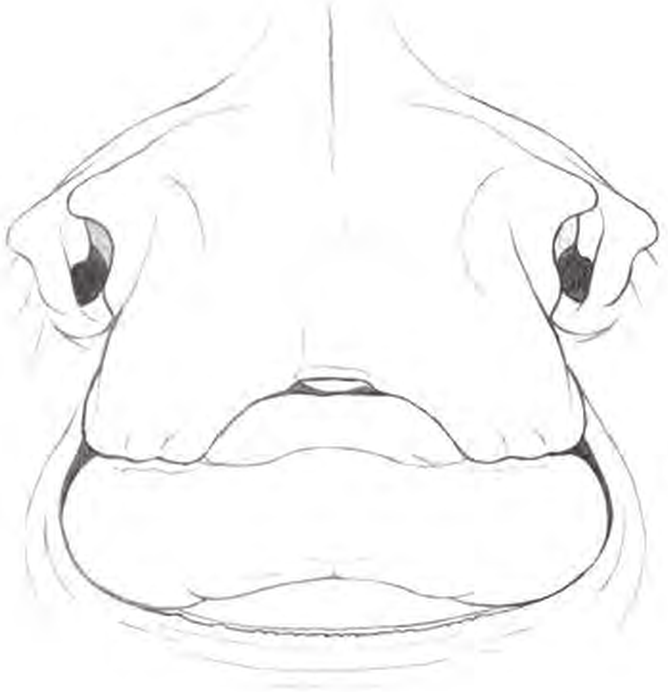
Teeth
Females and juveniles have blunt, conical teeth set in pavement pattern. Mature males have longer, sharply pointed teeth. Upper jaw: 30–38.
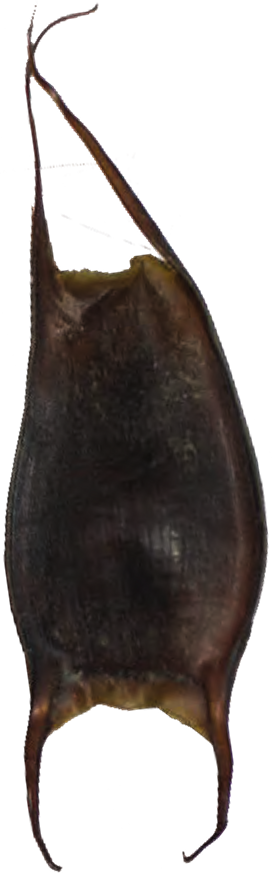
Eggcase
Lynghammar 24–26mm wide. 38–42mm long (excl. horns). Arve Smoothly striated capsule, narrow keels and two pairs of Eggcase slender horns. Similar in shape and size to Starry Skate eggcase Amblyraja radiata.
How big do they get?
Where they live
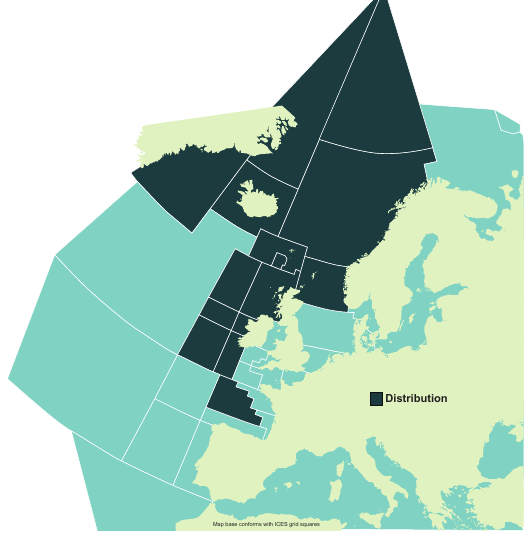
Distribution
Widespread across the North Atlantic and Arctic latitudes. Northeast Atlantic from Iceland to Norway, the Faroe Islands and Shetlands Islands, south to the northern Bay of Biscay. Known in the Northwest Atlantic from Greenland to Nova Scotia.
Habitat
Demersal from 170–2,050m, primarily 400–800m. Prefers temperatures of 1–7°C. Found on continental and insular shelves and slopes over soft sandy and muddy substrates.
In the wild
-
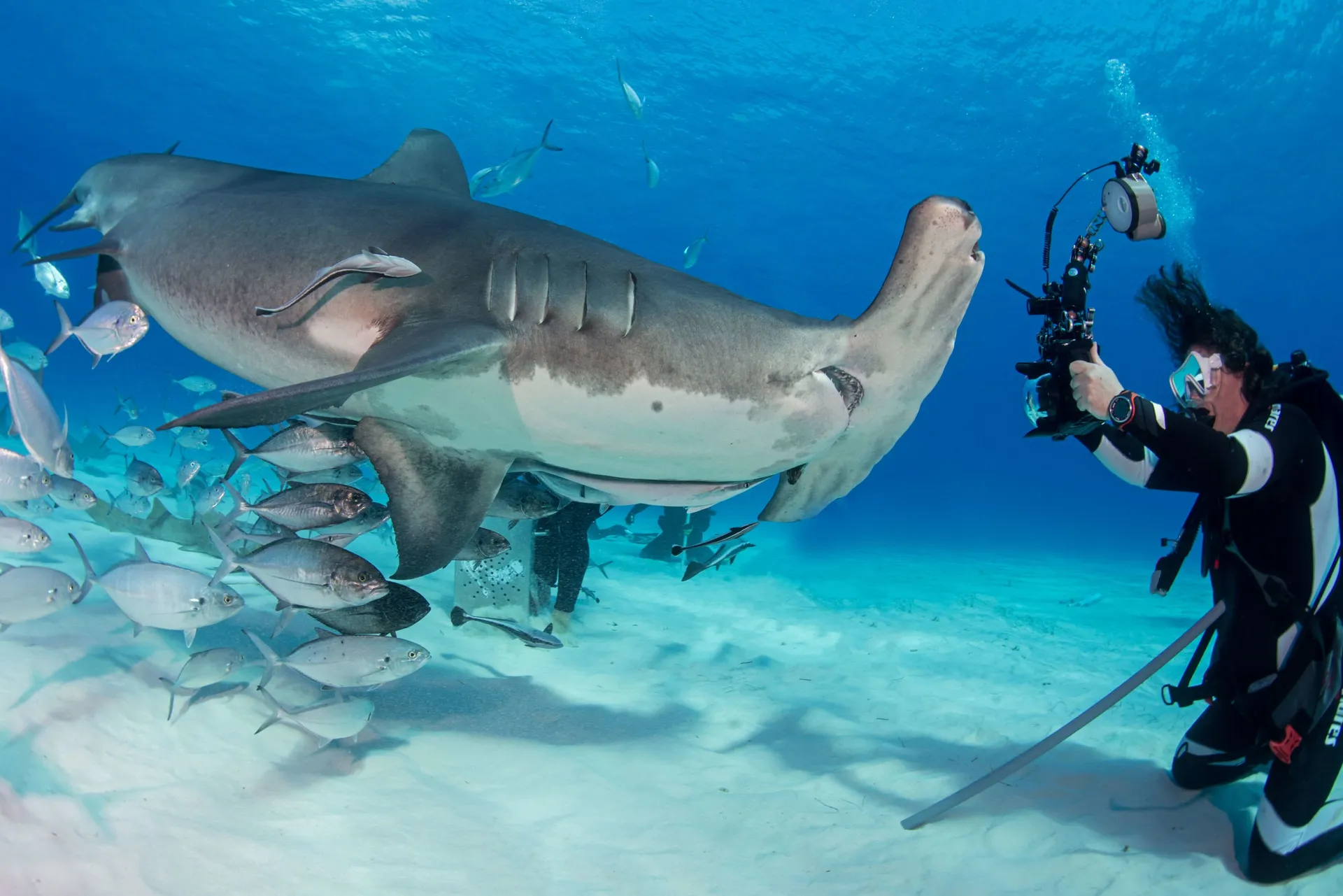
Recorded on a Shark Trust survey dive -
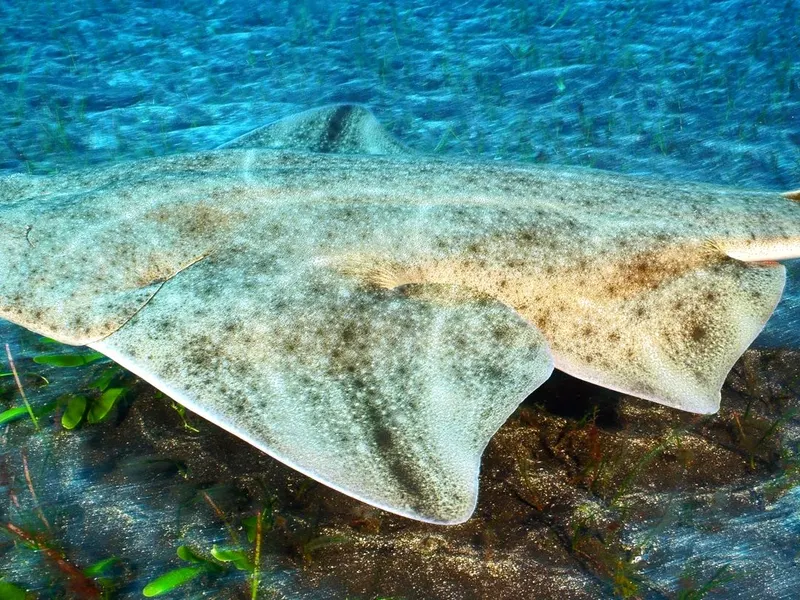
Resting on a sandy seabed -
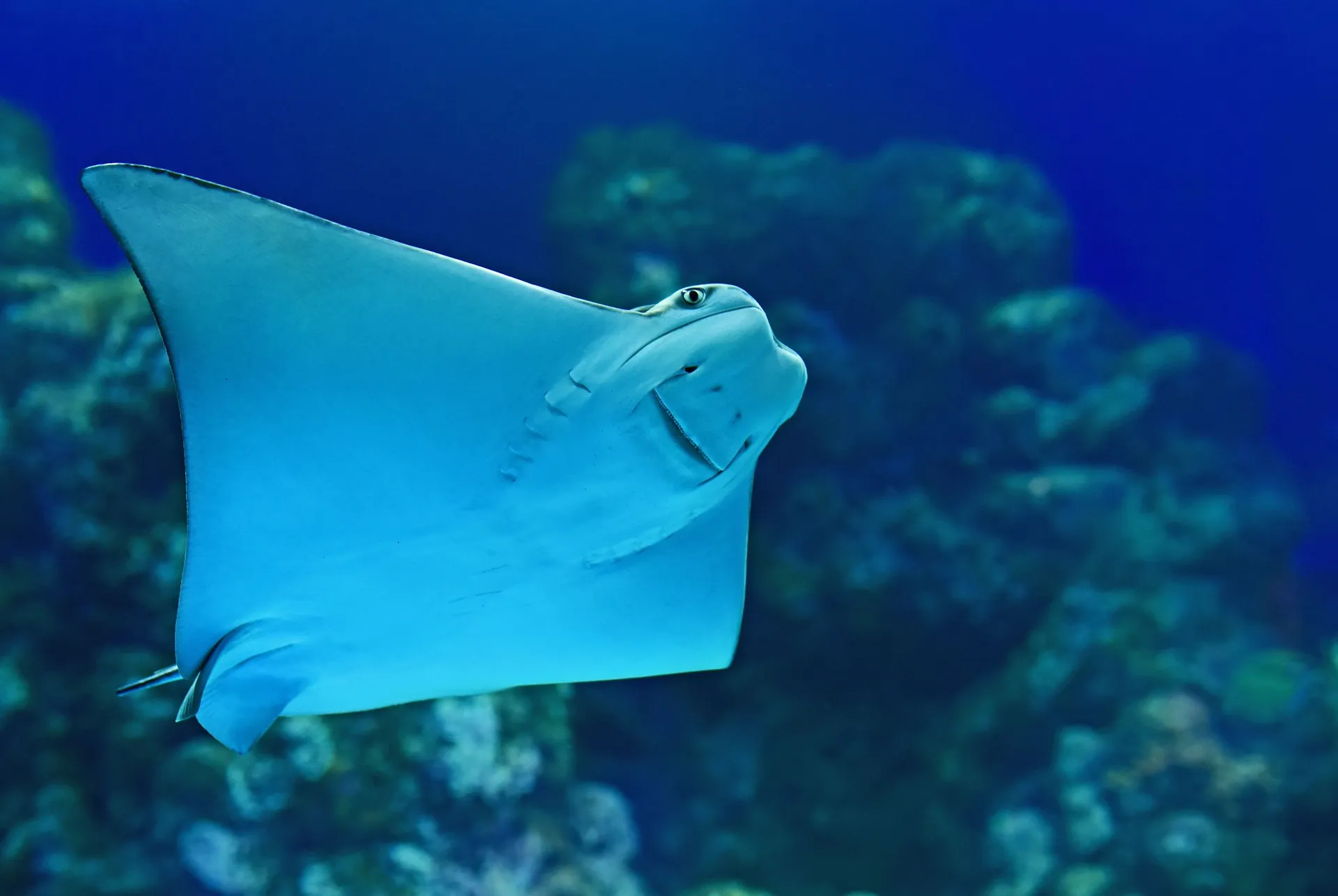
Cruising close to the sea floor -
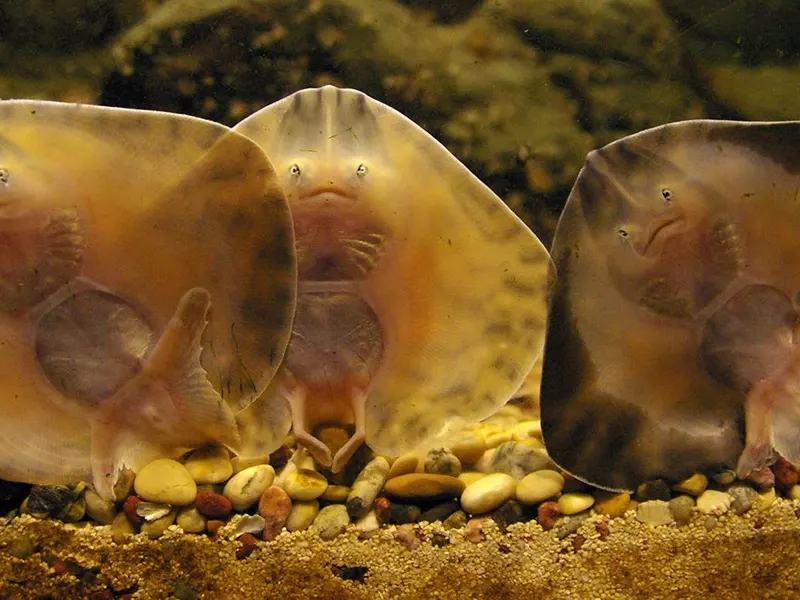
In the shallows at dusk -
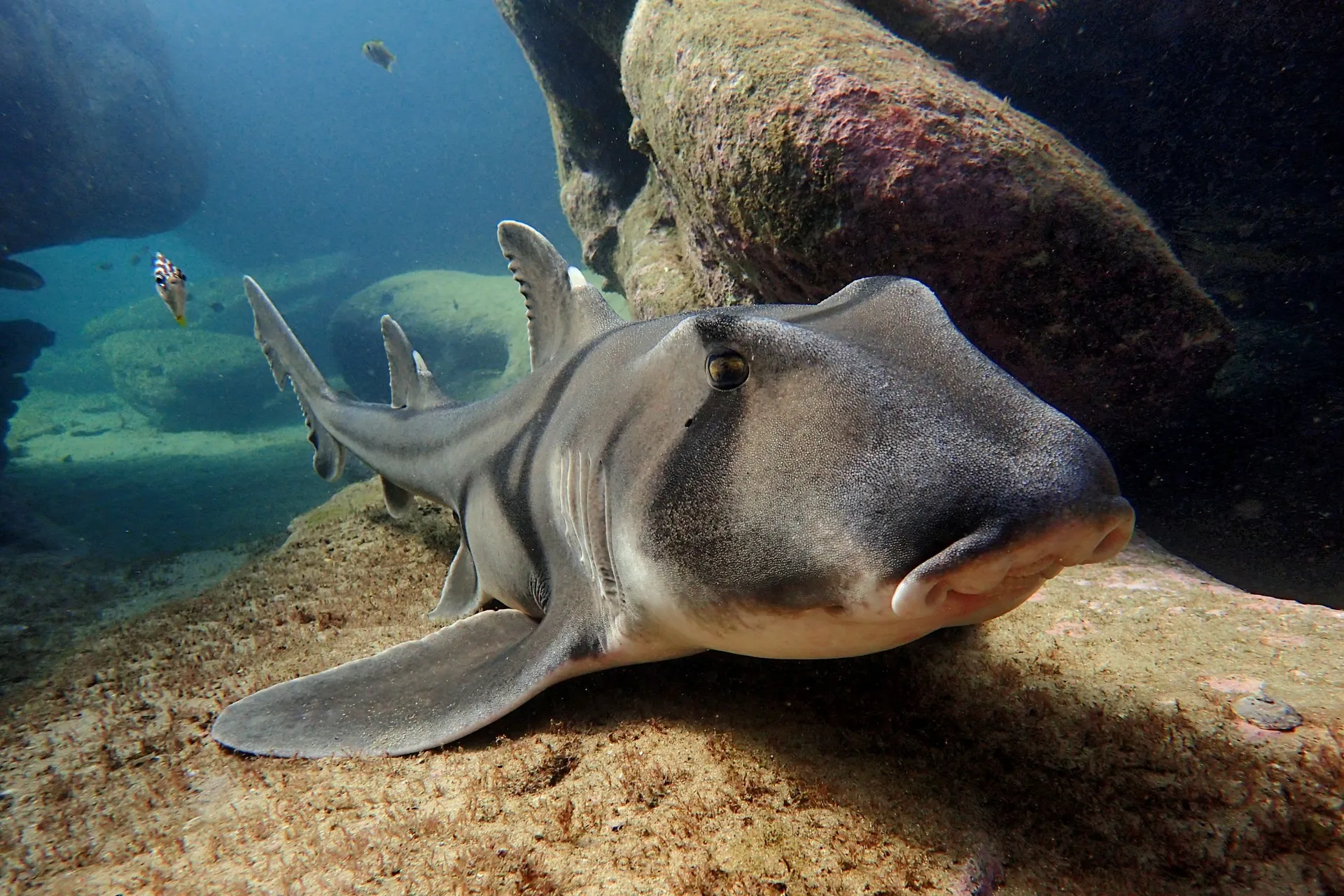
Sheltering on the reef
Go deeper
Size & biology
- Birth: 7cm.
- Mature: 45–50cm.
- Max. TL: 56cm.
- Oviparous, little else known about the biology of this species. Embryonic development is thought to take months to years due to cold water habitat.
- Primarily feeds on benthic crustaceans.
Conservation status
IUCN Red List: Global: Least Concern (2009) Europe: Least Concern (2015) The depth distribution of this skate offers it some protection from deepwater fisheries. Limited population data is available for the Round Ray, catch levels should be monitored should fishing pressure or range increase.
Management
Subject to prohibitions under the CFP and regulations under RFMO.
Commercial importance
No targeted fisheries exist for this skate. It is often bycaught in deepwater trawls and longline fisheries but discarded due to small size and thorns.
References & further reading
Assessment: RJY/NEA/2020
- Ebert & Stehmann.
- Kulka et al.
- Last et al.
- Dolgov, A.V.