Basking Shark Project






The Basking Shark Project is a great way for you to get involved with shark conservation.
During Basking Shark season these sharks can be seen at the surface in certain coastal areas (predominantly on the west coasts of Ireland, Scotland and in southwest England). This provides us with a fantastic opportunity to learn more about these elusive animals. You can help us learn more about these gentle giants by being on the look-out for them between April-October (Basking Shark season). If you spot a Basking Shark please record your sighting. If you manage to take a photo – please submit this too! That way we can verify your record.
Record your Sightings
Using the online Recording Hub
or
Please be sure to follow the Basking Shark Code of Conduct during any encounters to ensure a safe interaction for both you and the shark.
Today, Basking Sharks are one of the most widely protected and managed sharks in UK and EU waters (see threats and conservation). But there is still more to learn, and monitoring their movements can provide valuable information. The more we know about Basking Sharks the more informed conservation action can be.
The sightings data we collect is made available to researchers and other conservation organisations so we can work together to further Basking Shark conservation.
Click through to the results pages to see all sightings that have been submitted to the Basking Shark Project from 1987 to the present day. You can filter the date range and zoom in on different regions to see where Basking Sharks have been recorded.
Basking Shark Reports
Basking Shark Project Report 2025
Basking Shark Report 2024
Basking Shark Report 2023
Basking Shark Report 2022
Basking Shark Report 2020
Photo-ID Database
Photo-identification is a powerful and non-invasive field technique. Used to study animals in their natural environment.
In the early 2000’s we worked with research groups around the British Isles and the Northeast Atlantic to create a photo-identification database.
Individual Basking Sharks can be identified by their unique fin markings. These can be natural, such as pigmentation marks. Or acquired, such as scars caused by parasites, or injuries from boats and fishing nets. With good quality photographs, individual sharks can be recognised on re-sighting and matched in the photo-ID database. This enables us to find out more about their movements and estimate population size. This is especially important for vulnerable and highly migratory species like the Basking Shark.
Capturing effective photo identification images is challenging. If you do get a high-quality image, these fin-id images can be uploaded along with your sighting. If you get a shot, please include it when you submit your sighting!
To find out more about Basking Sharks and how you can get involved
In this section
-
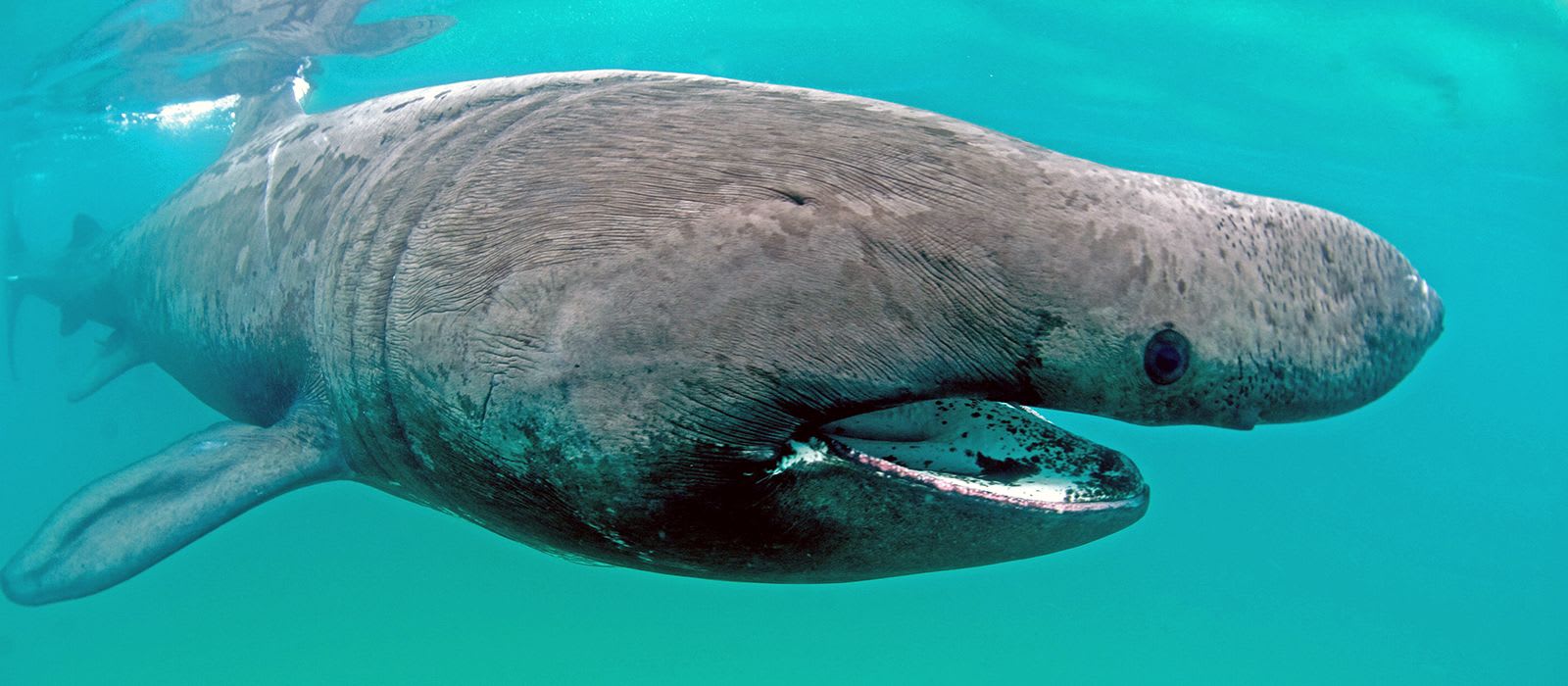
About Basking Sharks
See our ID guide here for more information on Basking Shark identification and distribution. APPEARANCE Basking Sharks are enormous – they are the 2nd biggest f...
-
Basking Shark Conservation
Today Basking Sharks are one of the most heavily protected sharks in UK and EU waters, but this wasn't always the case. From 1946-1995 Basking Sharks were heavi...
-
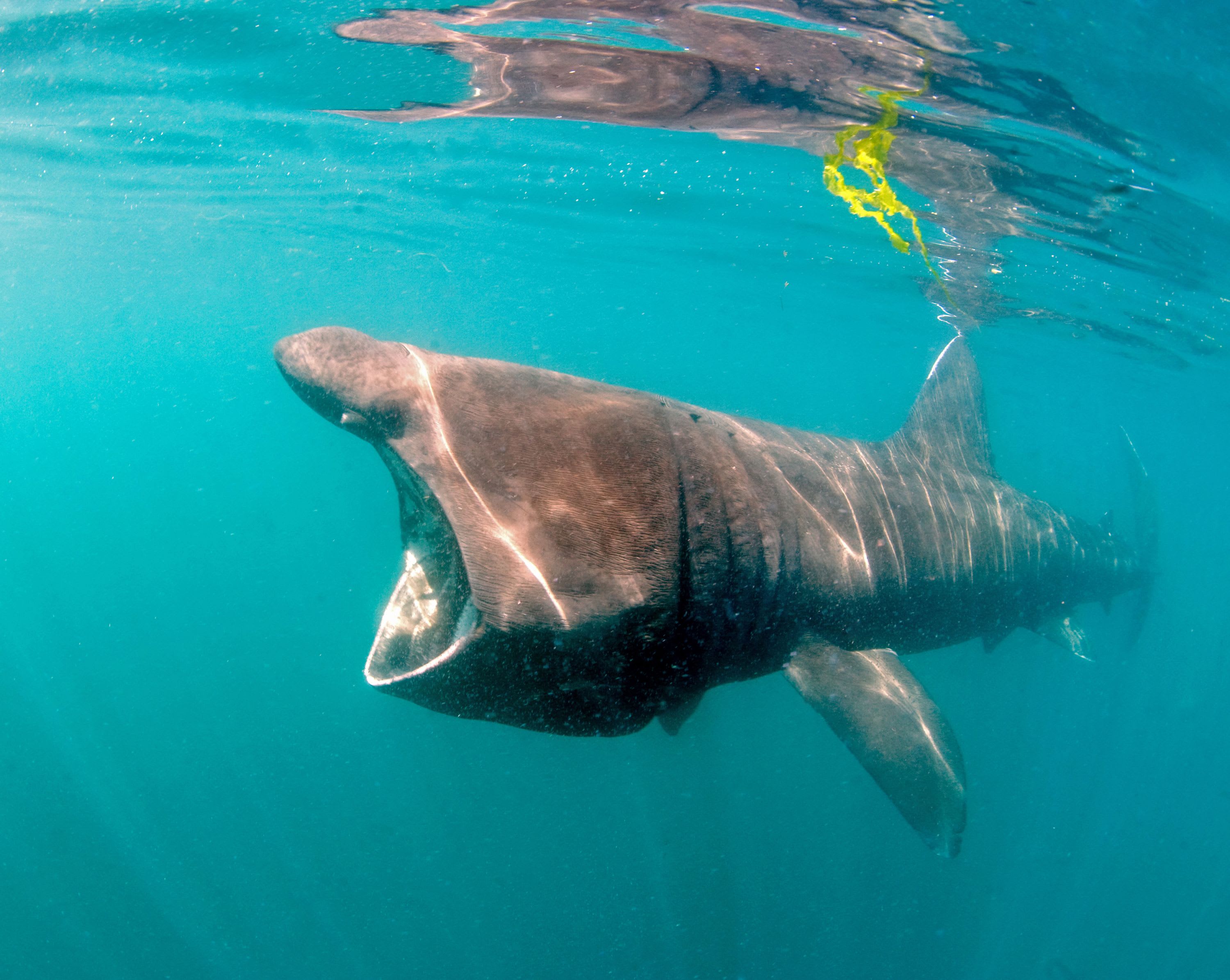
Basking Shark Threats and Conservation
Basking Shark Threats · Basking Sharks are listed as Endangered on the IUCN Red List. Monitoring, management and further research is vital to ensure their survi...
-
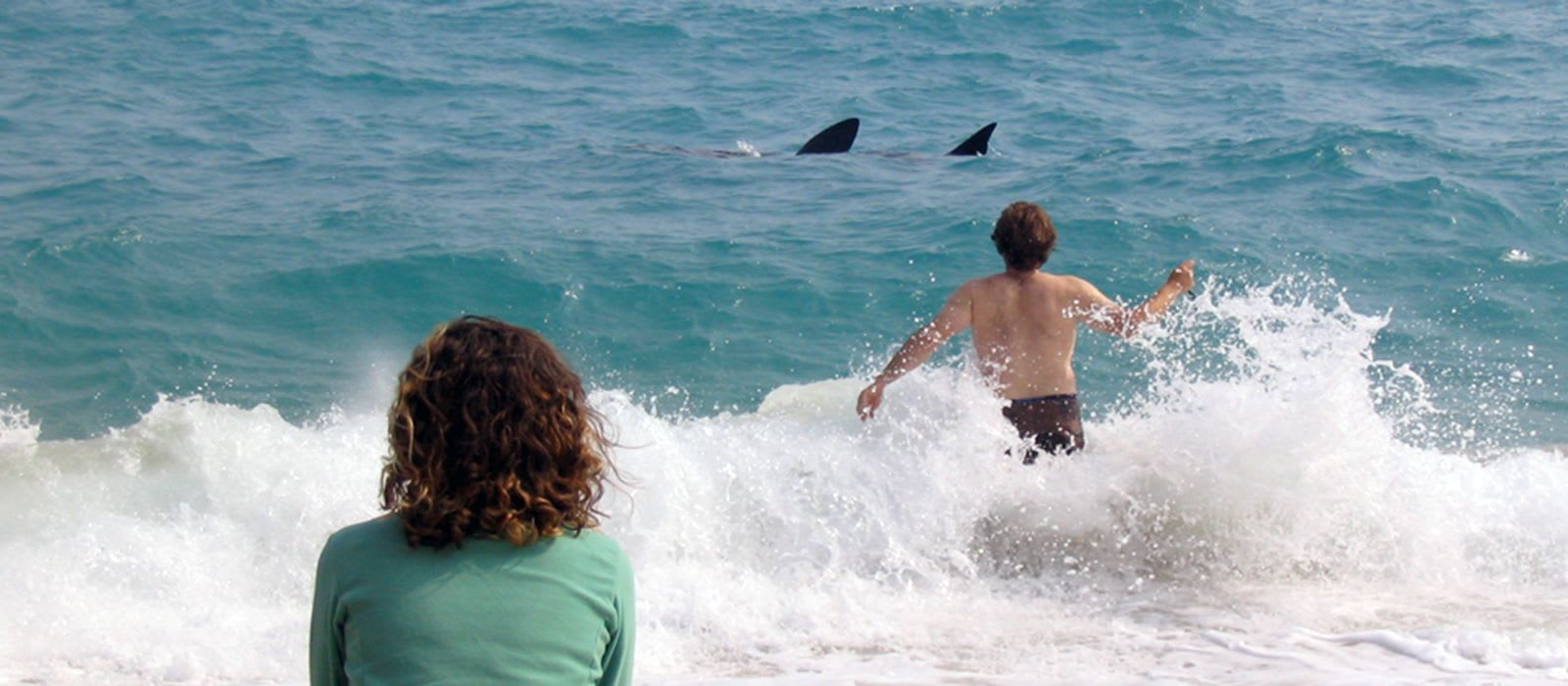
Basking Sharks - Get Involved and Resources
Click here to download the poster and display it yourself! How you can Help 1. Follow/Promote our Basking Shark Code of Conduct - One of the biggest threats Bas...
-
Basking Shark Code of Conduct
Basking Shark Code of Conduct