British Sharks
Contrary to popular belief, sharks do occur around the coasts of Britain. In fact, we have over 40 species! Including some of the fastest, rarest, largest and most highly migratory in the world!
LOCAL SHARKS
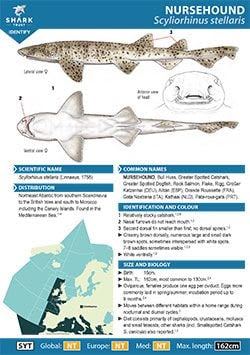
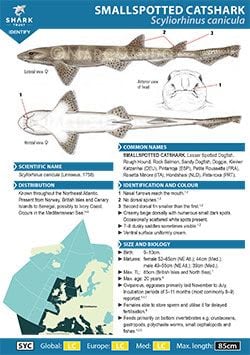
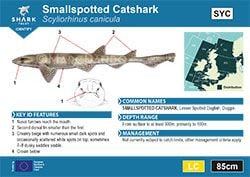
At least 21 species live in British waters all year round. You’re very unlikely to encounter one during a trip to the beach. But you may find evidence of Smallspotted Catsharks or Nursehounds. These species reproduce by laying eggs. And you can often find their empty eggcases washed up in the strandline.
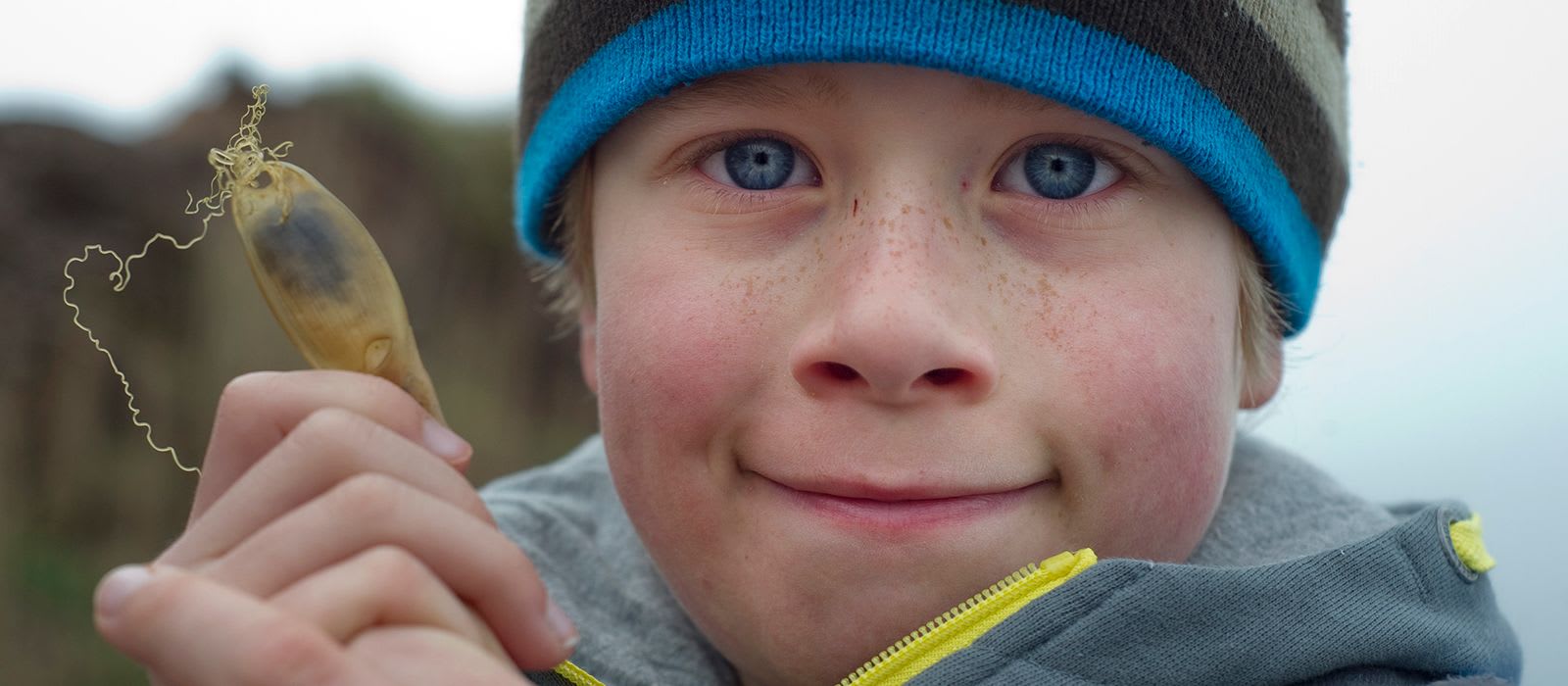
BECOME A CITIZEN SCIENTIST - help us search the coastline for shark and skate eggcases! Eggcase hunting is great fun for all the family and you’ll be helping shark conservation. Click here to find out more.
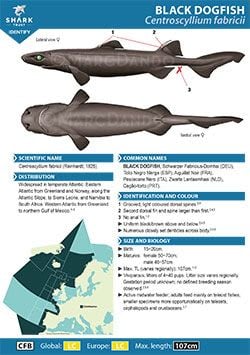
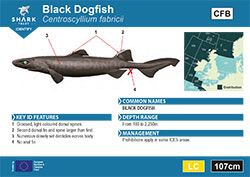
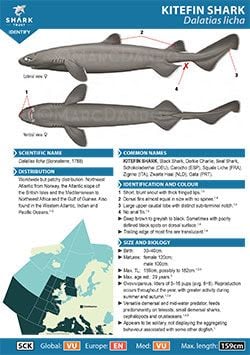
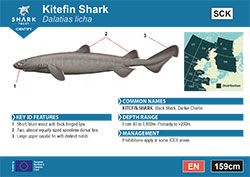
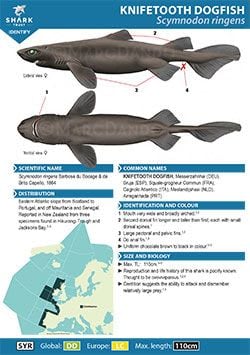
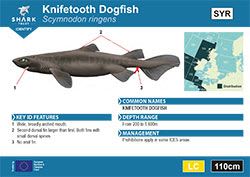
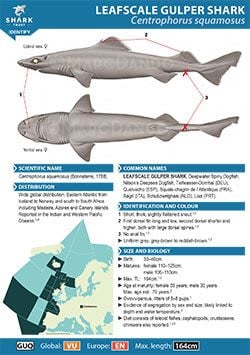
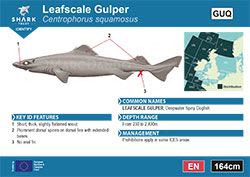
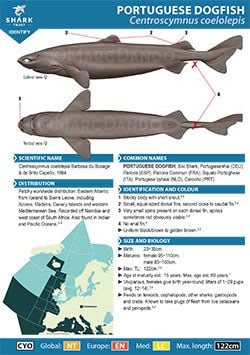
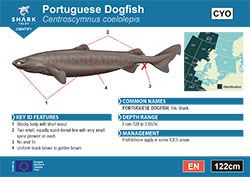
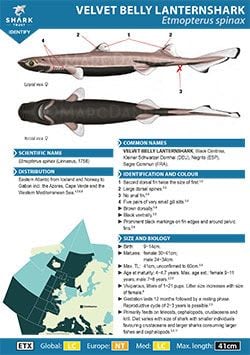
As well as the 21 resident sharks, there are at least 11 deepwater shark species. Including the Portuguese Dogfish, Black Dogfish, Kitefin Shark and Gulper Shark.
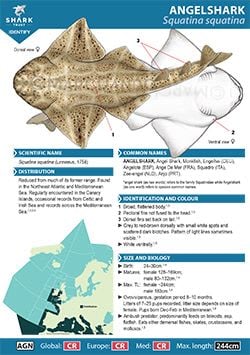
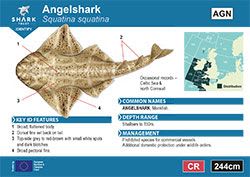
Sadly, scientists consider over 50% of British sharks to be Threatened or Near Threatened. This includes the once common Angelshark, which is now rarely encountered.
Today Angelsharks are listed as Critically Endangered on the IUCN Red List. In 2008, we helped to secure domestic protection for them in UK waters. And now they’re one of the most heavily protected sharks in the Northeast Atlantic. Click here to find out more about our work on angel sharks.
SEASONAL VISITORS
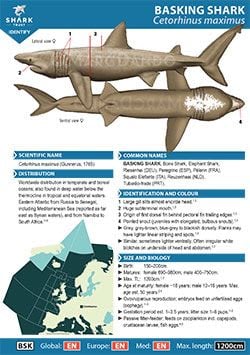
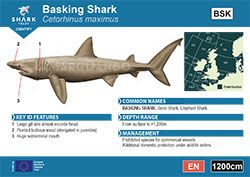
In the warmer months you may be lucky enough to spot the world’s second largest fish. The filter-feeding Basking Shark! Often seen basking in the sun (thus its name) and feasting on plankton. Basking Shark season tends to be May-October, and there are a few hotspots around the British Isles where you'll most likely spot them. Find out more by visiting our Basking Shark Project.
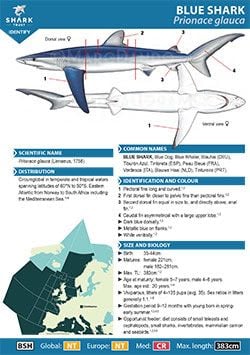
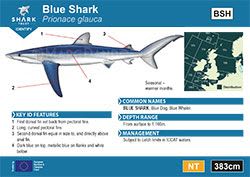
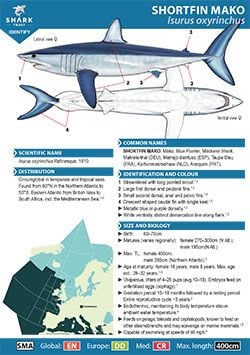
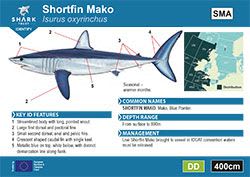
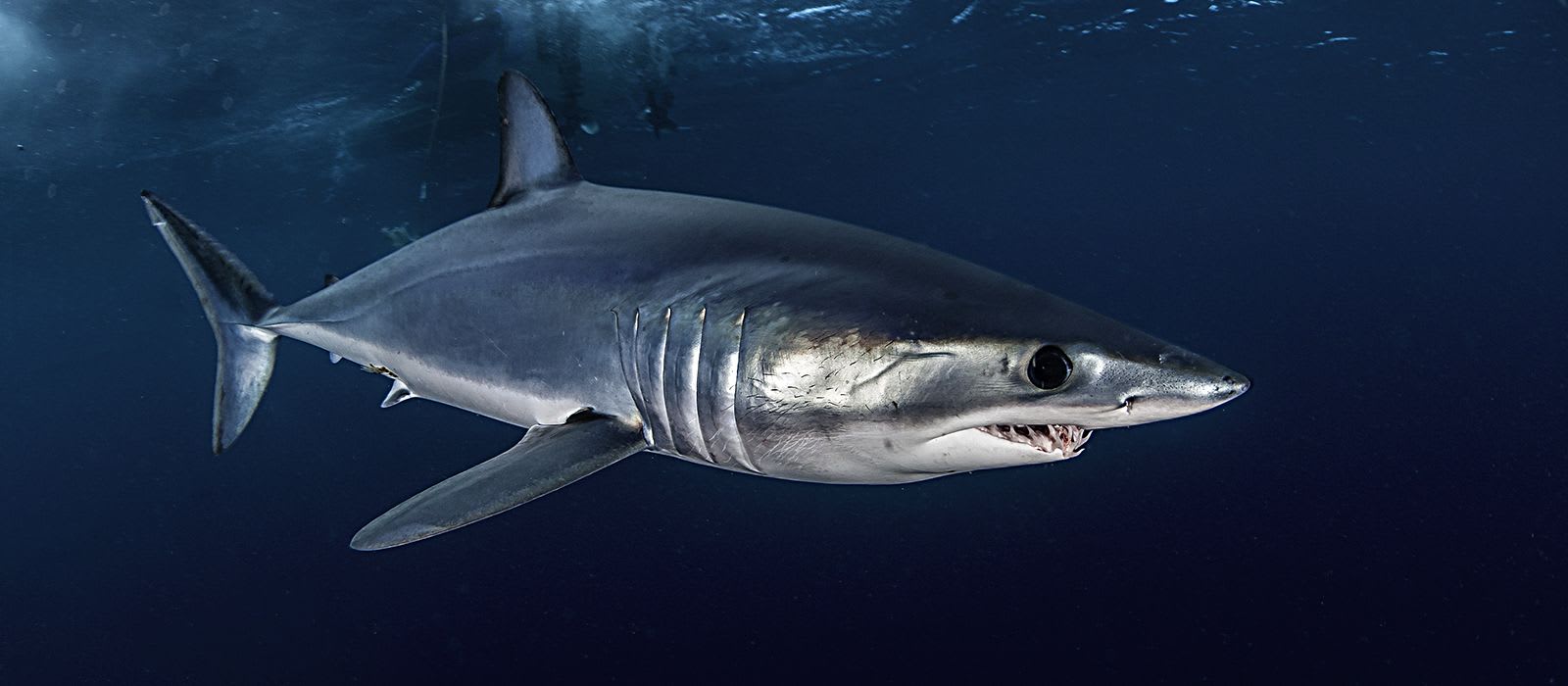
Other seasonal visitors include the Blue Shark and Shortfin Mako. Blue Sharks are highly migratory and can travel over 5,700 miles (9,200km) in a single trip. The Shortfin Mako is the fastest shark on record. They can reach speeds of up to 30mph, enabling them to catch fast-swimming prey such as tuna and swordfish.
OCCASIONAL VISITORS
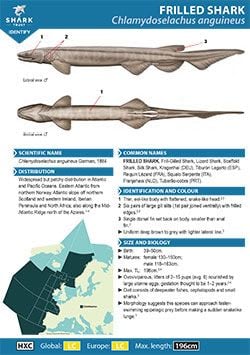
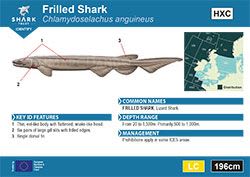
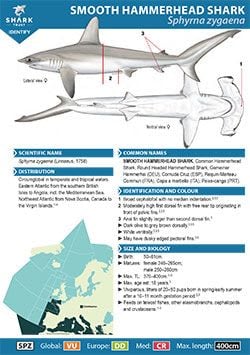
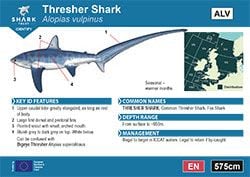
Some sharks, such as the Smooth Hammerhead and Frilled Shark, may occasionally visit our waters.
There's much debate about whether White Sharks are in British waters. But, as exciting as that would be, it's very unlikely. There has been no confirmed sightings or strong evidence to suggest they're here. Yet, British waters do provide good conditions for White Sharks, so it's not impossible.
The closest confirmed report was of a female White Shark, captured in 1977 in the northern Bay of Biscay – 168 miles off Land’s End, Cornwall. In 2014, a tagged White Shark called Lydia was documented as the first of her species to cross the Mid-Atlantic Ridge. Although she was still 1,000 miles from British shores.
We keep a close eye on such reports. So, if a White Shark were to be sighted in UK waters, we’d be the first to know.
SHARKS IN THE BRITISH MEDIA
Shark sightings are all too often sensationalised in the media to generate news, which ends up giving sharks a bad image. Only a few sharks are potentially dangerous to humans. None of these have ever been reported in British waters. With so many shark species under threat seeing a shark in British waters should be a cause for celebration.
BRITISH SHARK ID GUIDES
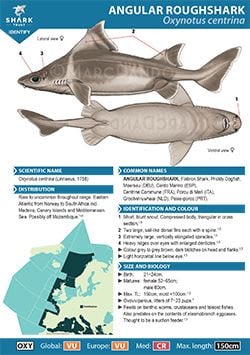
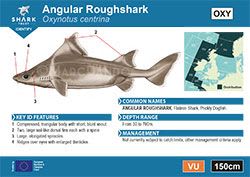
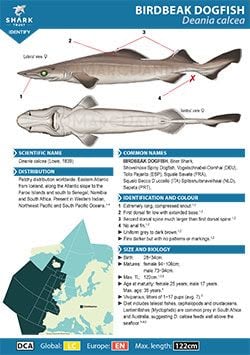
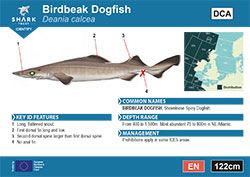
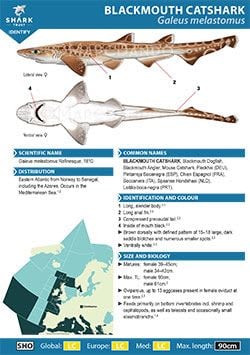
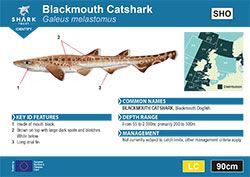
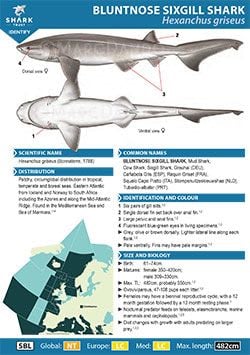
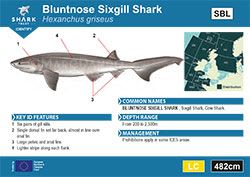
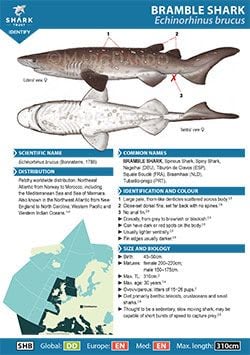
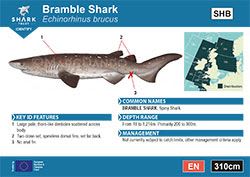
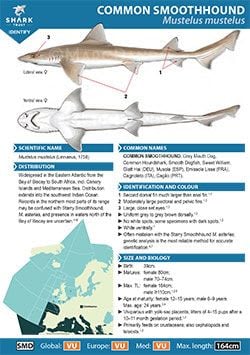
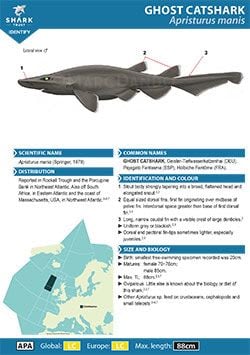
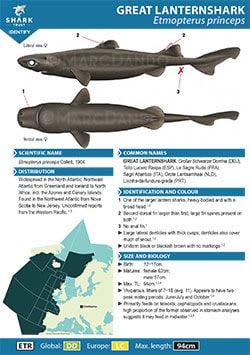
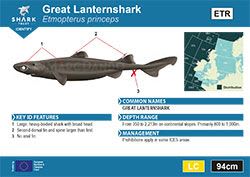
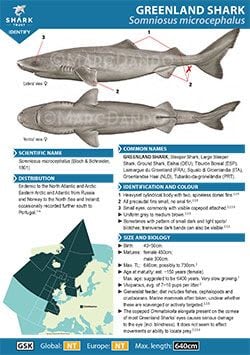
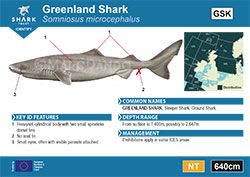
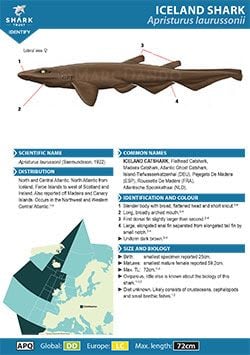
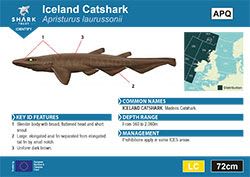
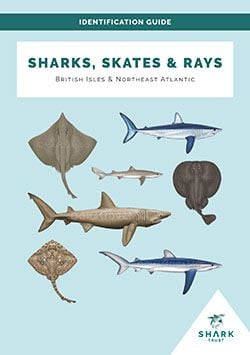
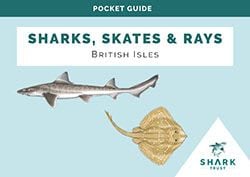
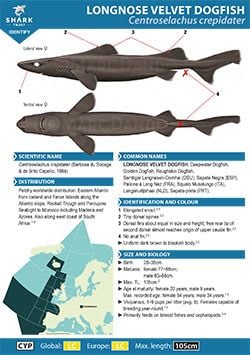
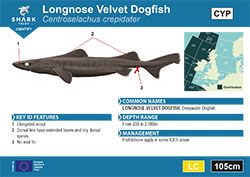
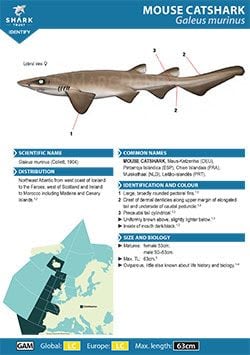
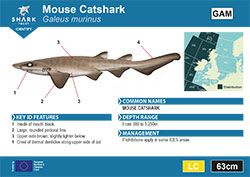
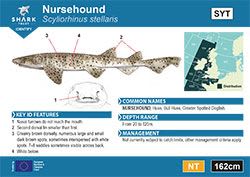
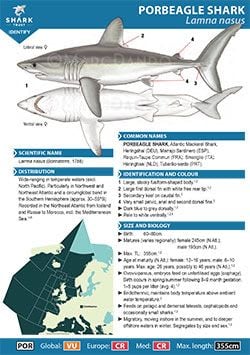
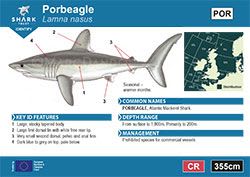
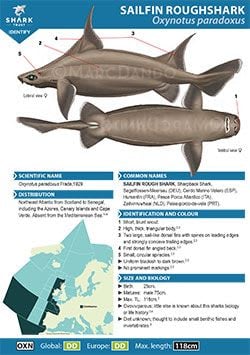
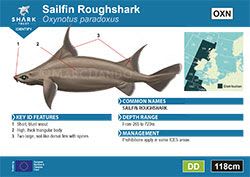
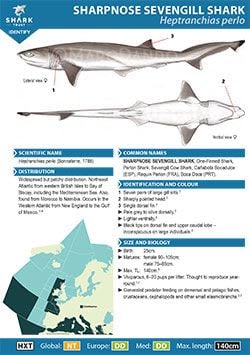
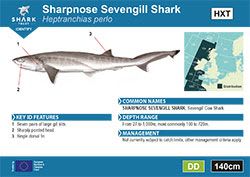
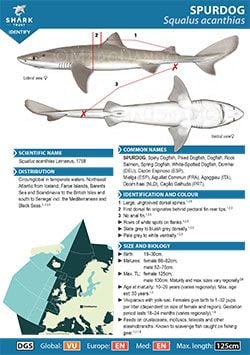
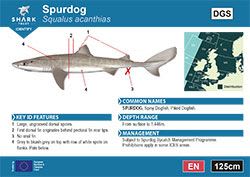
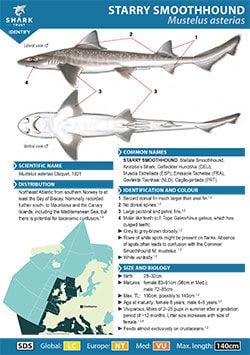
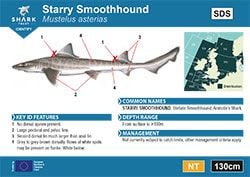
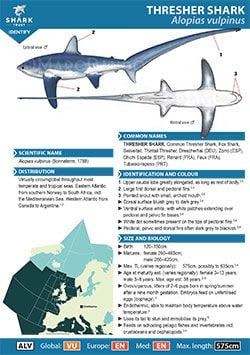
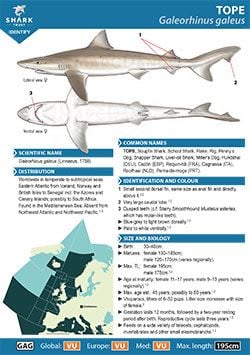
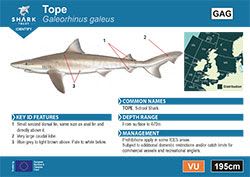
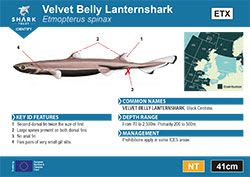
Our ID guides below provide a rapid and accurate key for identifying sharks in British and Irish waters. Check out our resources page for more ID guides, posters and leaflets.
Please note: all our resources are created for personal use only. All content (including illustrations) in our ID Guides are copyrighted to the Shark Trust/Marc Dando.