Atlantic Torpedo Ray
Tetronarce nobiliana (Bonaparte, 1835)
Least Concern- Maximum length
- 1.8 m
- Depth range
- From 0 to 925m.
- FAO code
- TTO
Meet the Atlantic Torpedo Ray
- Also known as
- ATLANTIC TORPEDO RAY, Atlantic Electric Ray, Black Torpedo, Crampfish, Numbfish, Dark Electric Ray, Great Torpedo, Dunkler Zitterrochen (DEU), Tremolina Negra (ESP), Torpille Noire (FRA), Torpedine Nera (ITA), Zwarte Sidderrog (NLD), Tremelga-negra (PRT).
How to identify
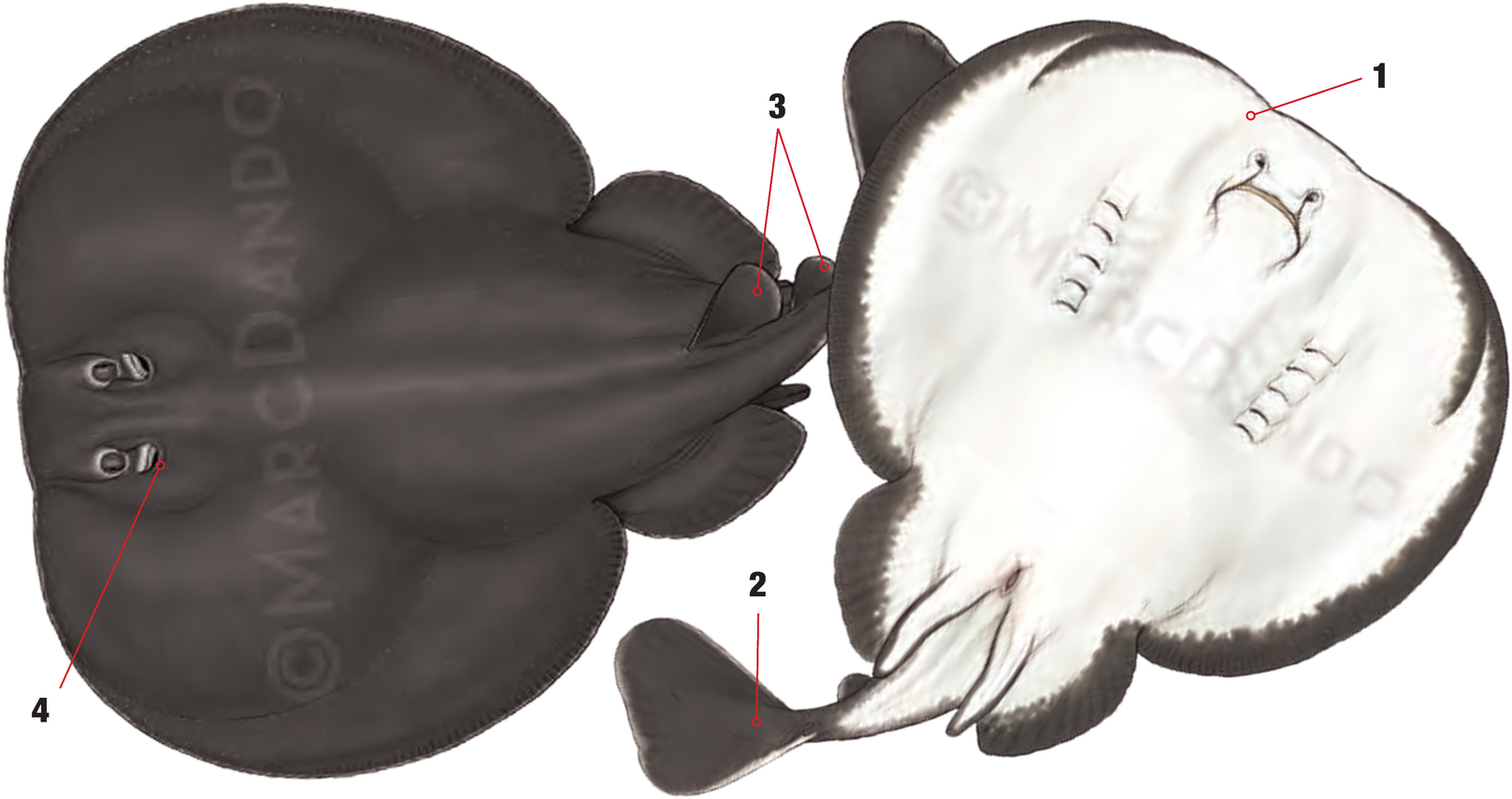
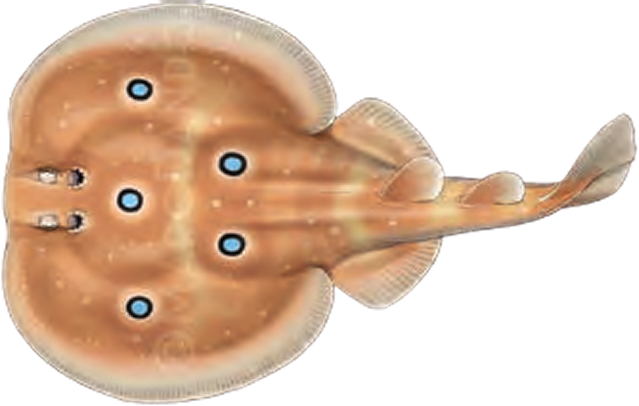
The numbers match the arrows on the illustration.
- Round, fleshy body with straight leading edge of disc.
- Short, thick tail with large caudal fin.
- Two close-set dorsal fins.
- No papillae around spiracles.
Colouring & markings
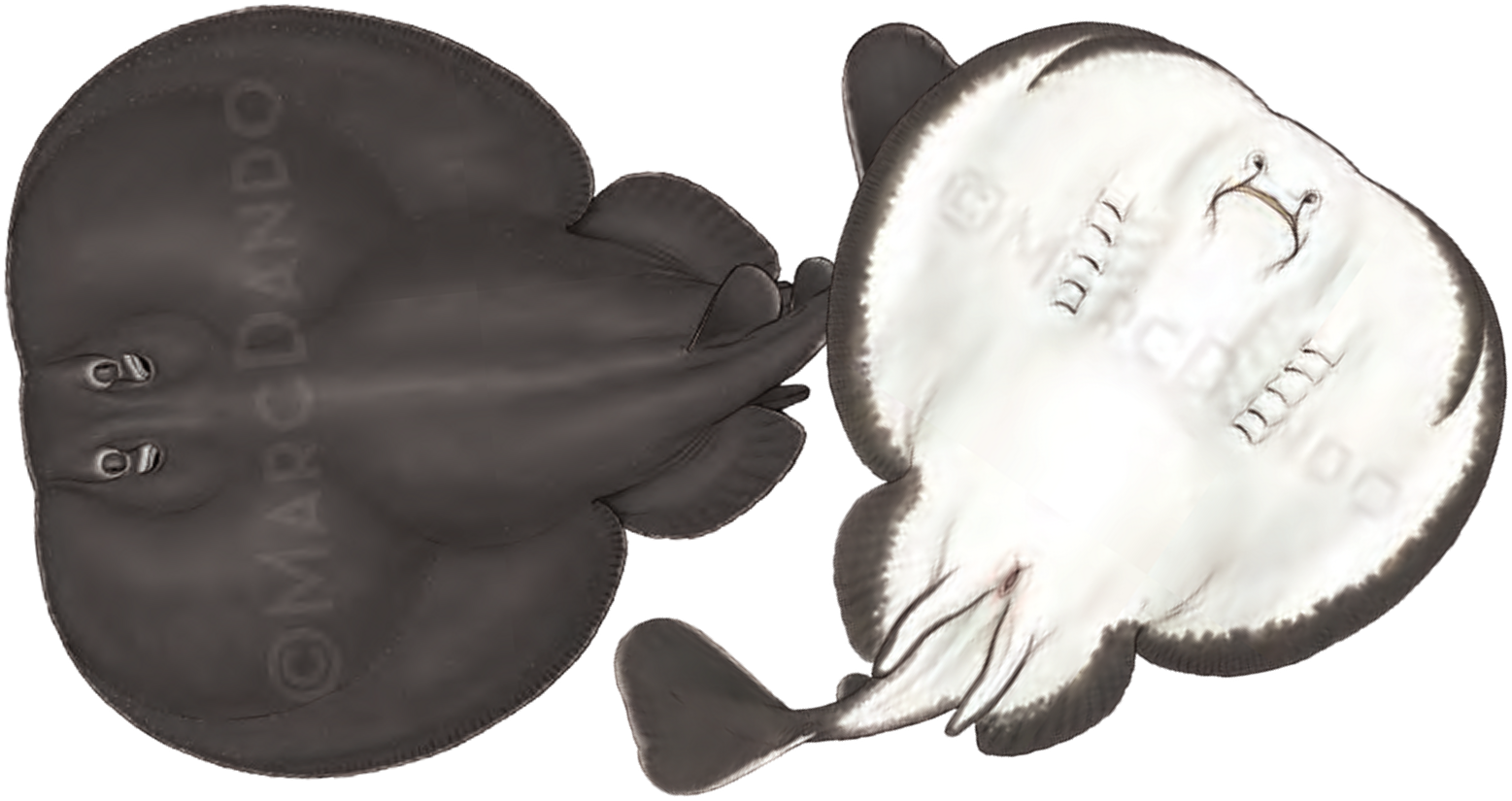
- Dorsal surface uniform dark grey to purple-brown.
- Ventral surface creamy white with dark margins.
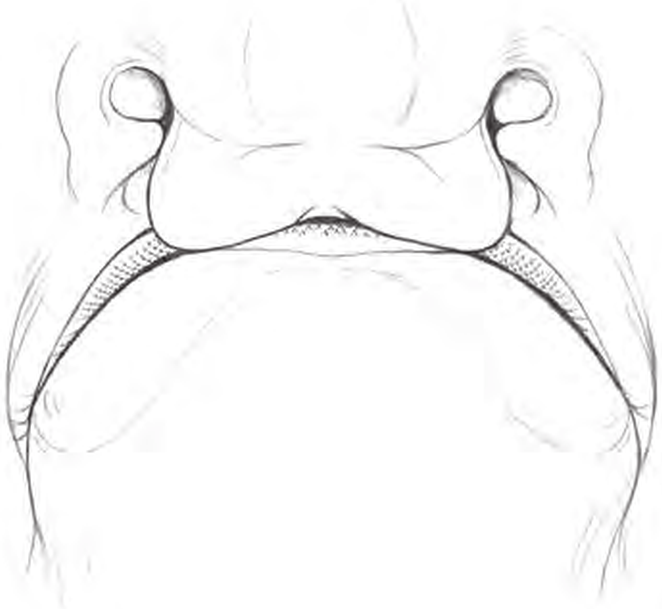
Teeth
Small, curved, single-cusped teeth arranged in >50 rows in larger specimens.
How big do they get?
Where they live
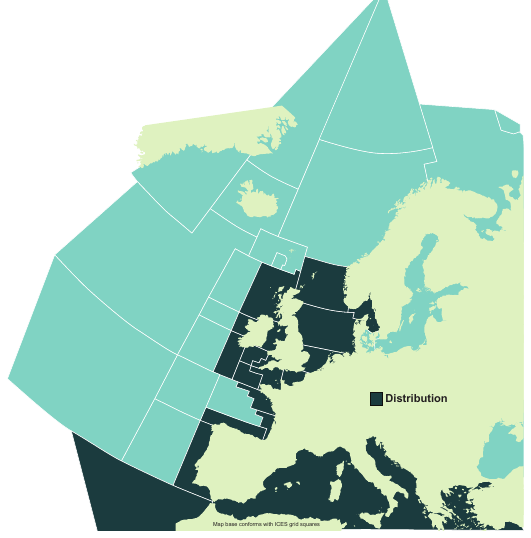
Distribution
Widespread across temperate latitudes. Eastern Atlantic from Scotland to South Africa including the Mediterranean Sea. Known in the Western Atlantic from Canada to Brazil.
Habitat
Juveniles mainly demersal to depths of 0–150m over continental and insular shelves and slopes. Found over soft substrates. Adults pelagic to ~925m; capable of longer-distance movements.
In the wild
-
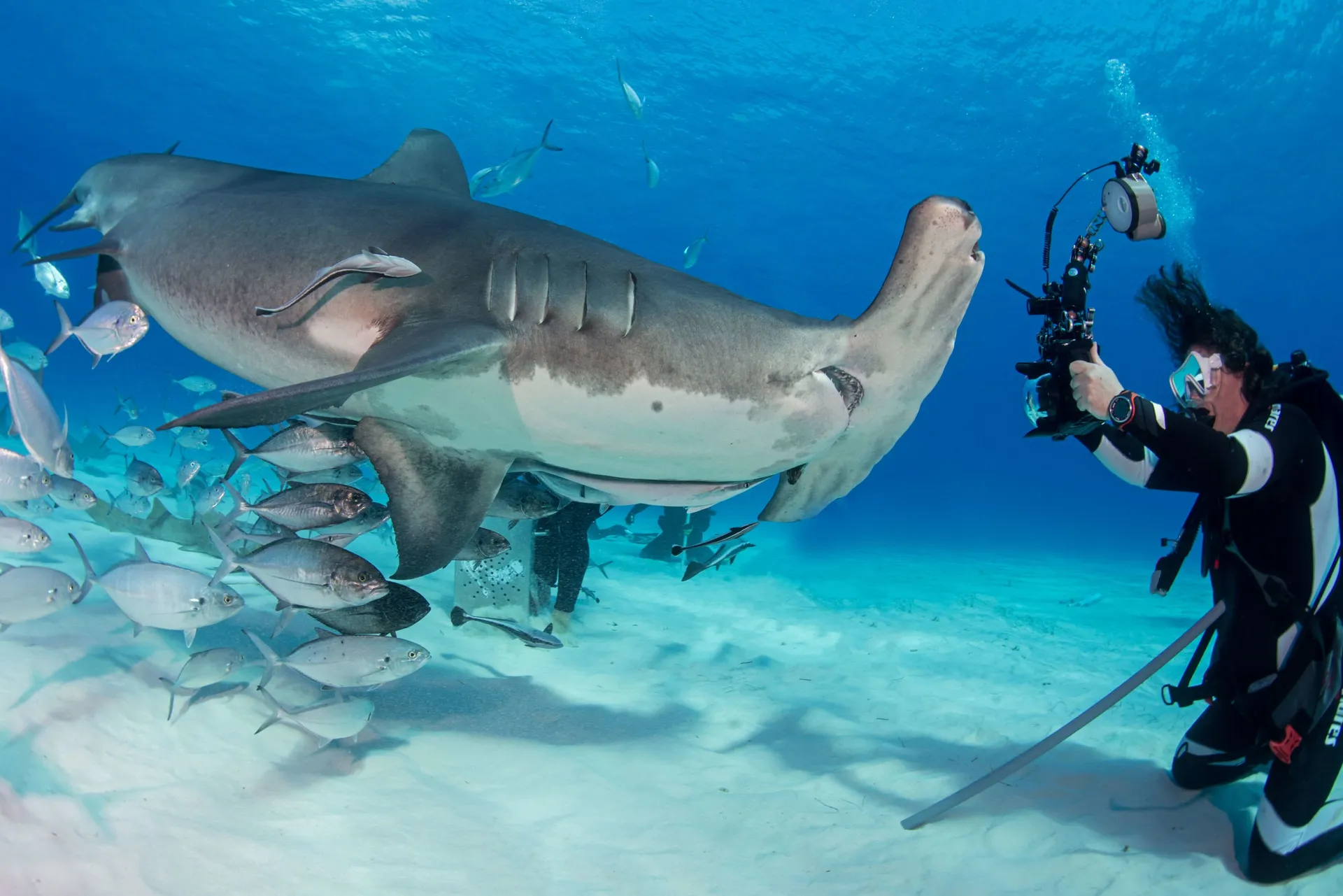
Recorded on a Shark Trust survey dive -
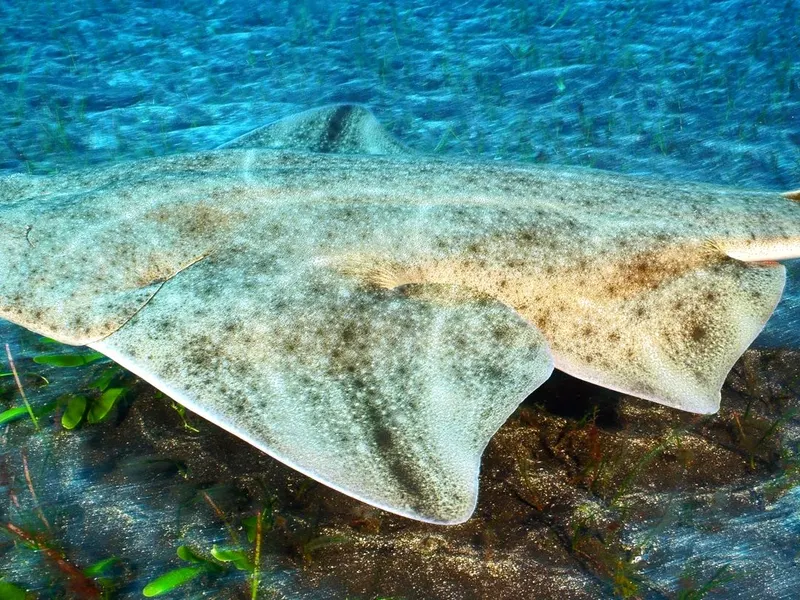
Resting on a sandy seabed -
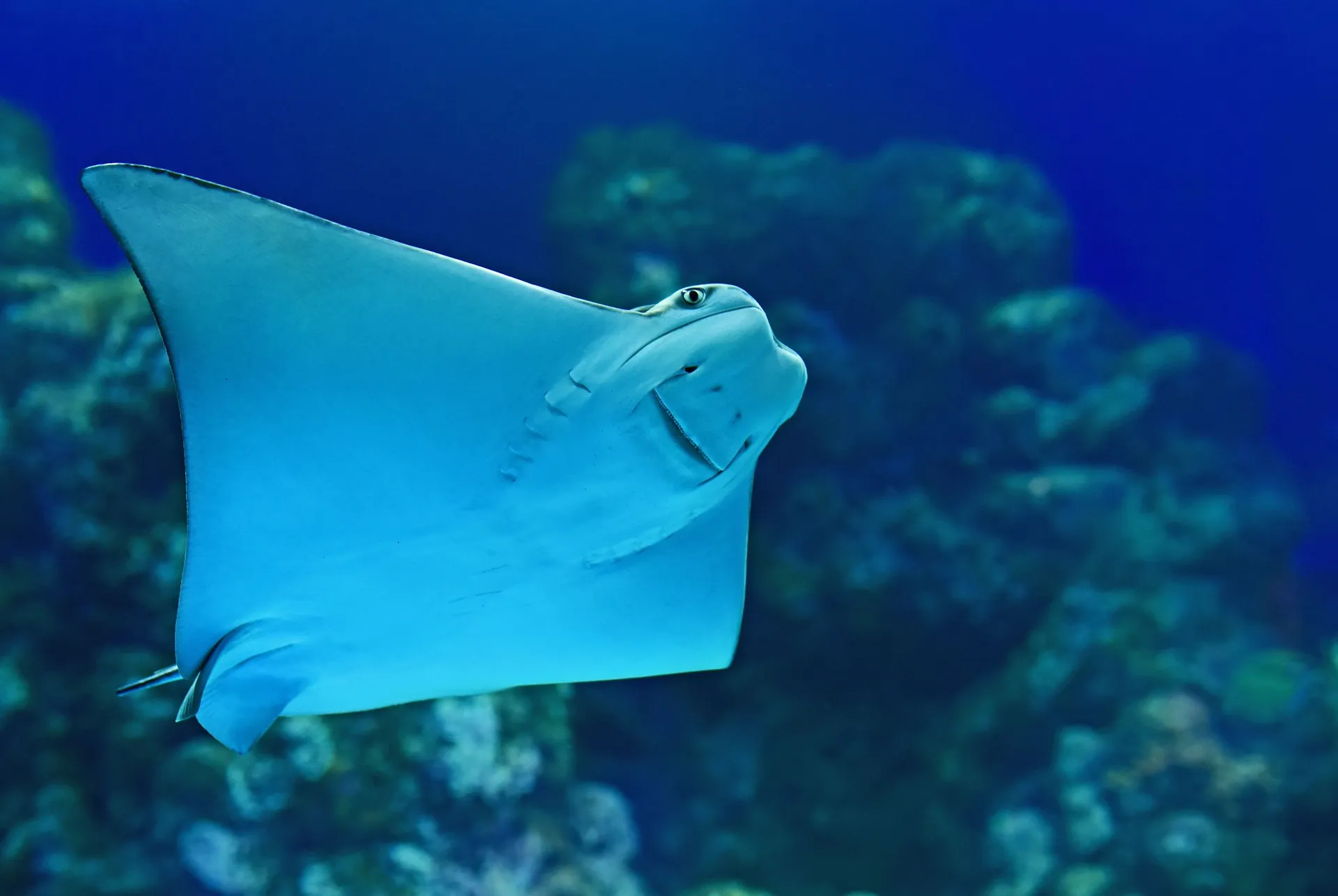
Cruising close to the sea floor -
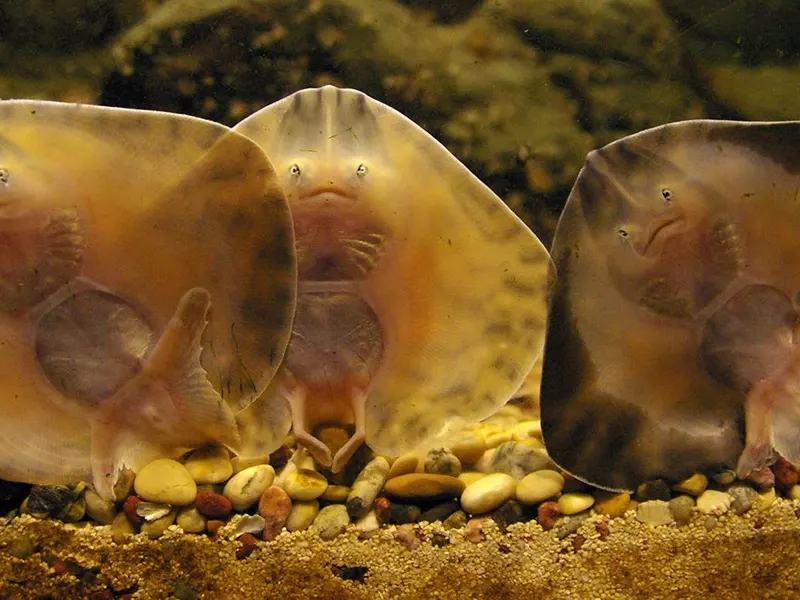
In the shallows at dusk -
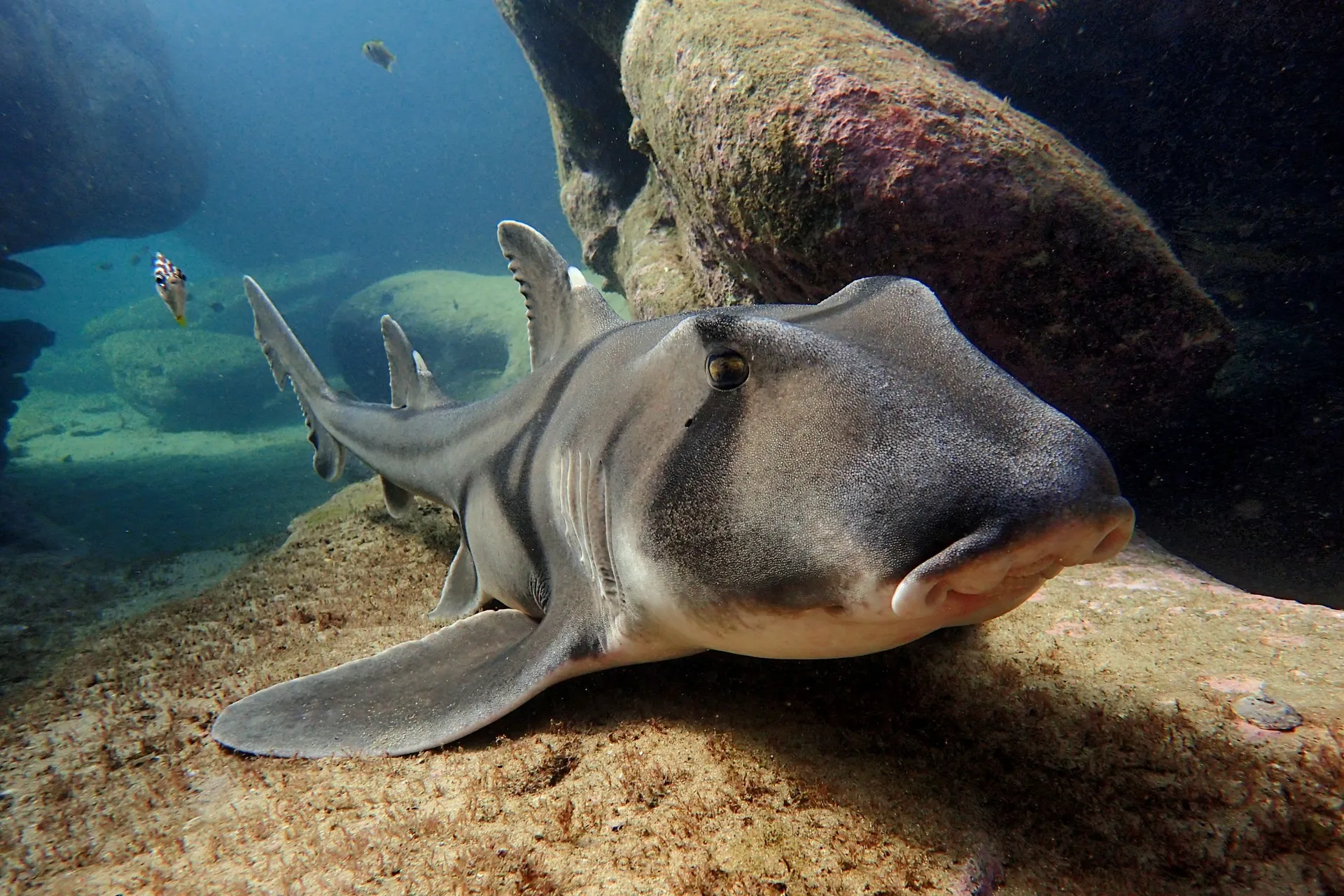
Sheltering on the reef
Go deeper
Size & biology
- Birth: 20cm.
- Max. TL: 180cm.
- Litters of up to 60 pups after ~12 month gestation.
- Large, kidney shaped electric organs are capable of discharging a powerful current used to stun prey or for defence.
- Nocturnal, remaining hidden in the sand during the day and actively hunting at night.
- Juveniles feed on small benthic fishes and invertebrates. Adults feed primarily on larger teleosts.
Conservation status
IUCN Red List: Global: Data Deficient (2009) Europe: Least Concern (2015) Mediterranean: Least Concern (2016) Little is known about the population trends for It is possibly vulnerable to bottom trawl T. nobiliana. and line fisheries.
Management
No species-specific management in the Northeast Atlantic.
Commercial importance
Of little commercial importance. Taken as bycatch in demersal and pelagic fisheries, usually discarded. Historically utilised for its liver oil.
References & further reading
Assessment: TTO/NEA/2020
- Bradai & Ellis.
- Ebert & Stehmann.
- Last et al.