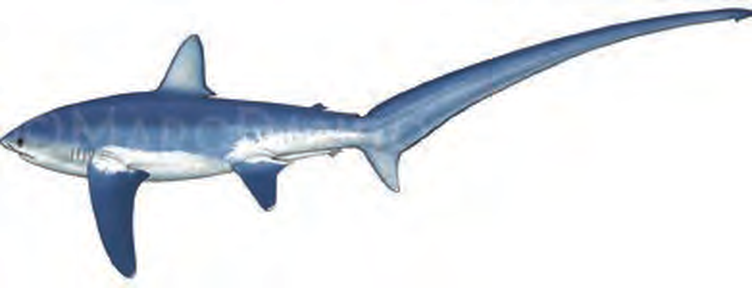
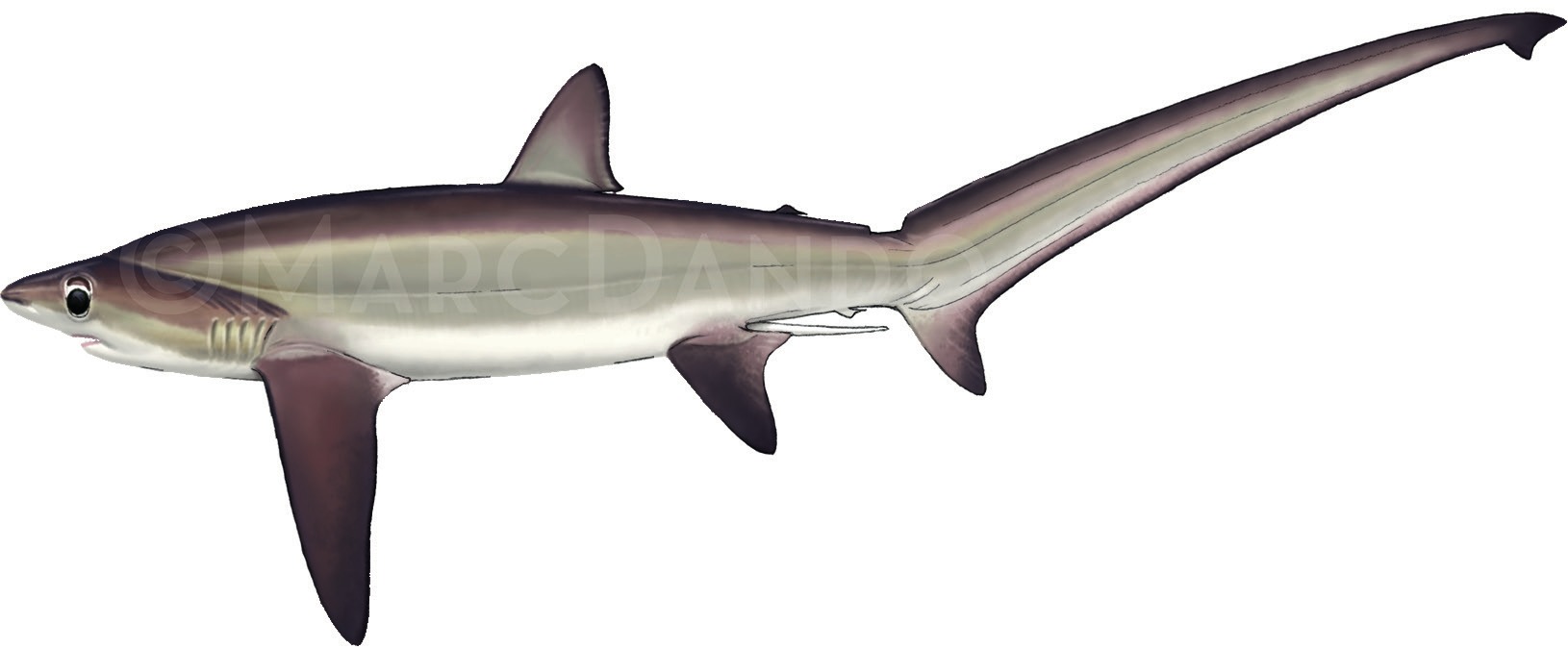
Bigeye Thresher Shark
Alopias superciliosus (Lowe, 1839)
Vulnerable- Maximum length
- 4.84 m
- FAO code
- BTH
Meet the Bigeye Thresher Shark
The Bigeye Thresher is a captivating shark species distinguished by its large eyes, elongated upper lobe of the caudal fin, and hunting technique of stunning prey with powerful tail strikes.
- What they eat
- Small schooling fishes, cephalopods and crustaceans.
- Also known as
- BIGEYE THRESHER SHARK, Thresher Shark, Long-tailed Shark, Whiptail Shark, Großäugiger Fuchshai (DEU), Tiburón Zorro Ojón (ESP), Renard à Gros Yeux (FRA), Pesce Volpe Occhio Grosso (ITA), Grootoogvoshaai (NLD), Tubarão- raposo-olhudo (PRT).
How to identify
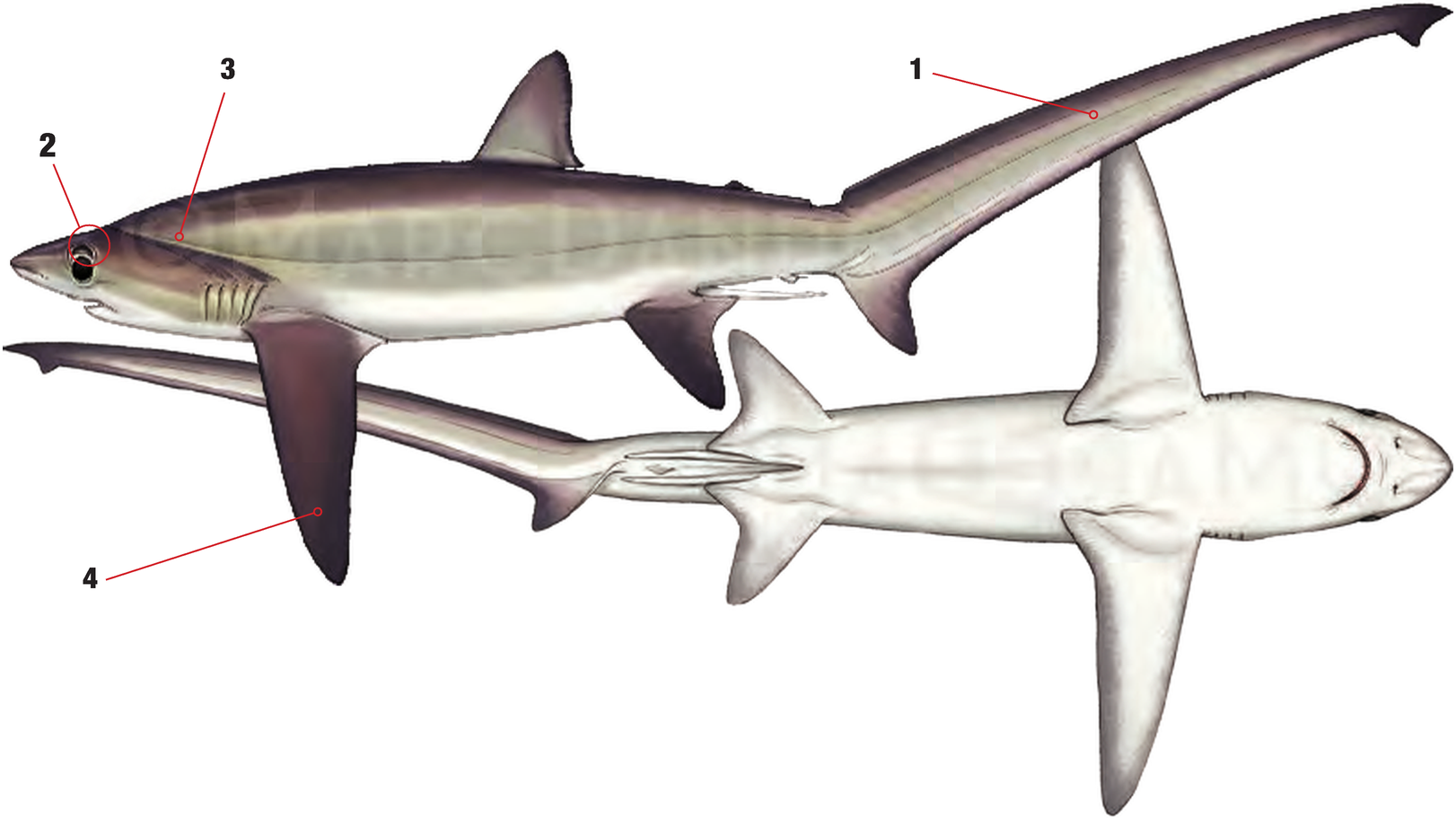
The numbers match the arrows on the illustration.
- Upper caudal lobe almost as long as rest of body.
- Huge eyes extending onto dorsal surface.
- Deep, horizontal grooves above gills.
- Long narrow pectoral fins.
Colouring & markings
- Purple to brown-grey dorsally. Metallic hue on back and flanks.
- Light grey to white ventrally.
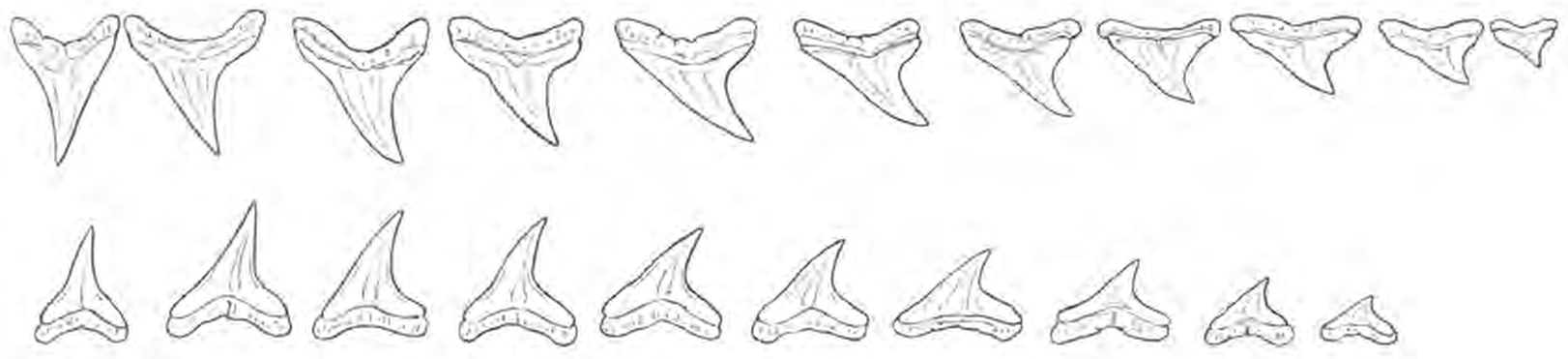
Teeth
Slender and smooth edged teeth. Upper jaw: 19–27. Lower jaw: 20–24.
How big do they get?
Where they live
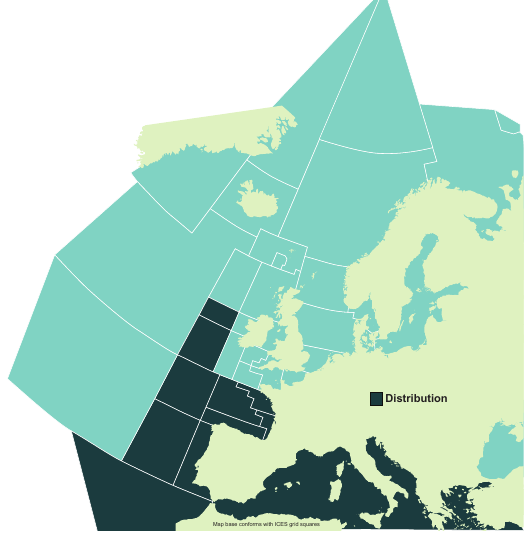
Distribution
Virtually circumglobal in tropical and warm temperate oceans. Eastern Atlantic from areas south-west of the British Isles to Angola, incl. the Mediterranean Sea; single specimen caught in Porcupine Bight. Present in Western Atlantic from New York to Argentina.
Habitat
Coastal to oceanic. Found over continental shelves and deep water. Surface to >500m, mostly >100m. Max. recorded depth 723m. Prefers surface temperatures of 16–25ºC. Exhibits strong diel vertical movements, remaining at depth during the day and migrating to within 10–100m of surface at night. Thought to be highly migratory: one tagged individual recorded straight line movement of 2,767km. Nursery area present off the southwestern Iberian Peninsula.
In the wild
-

Recorded on a Shark Trust survey dive -
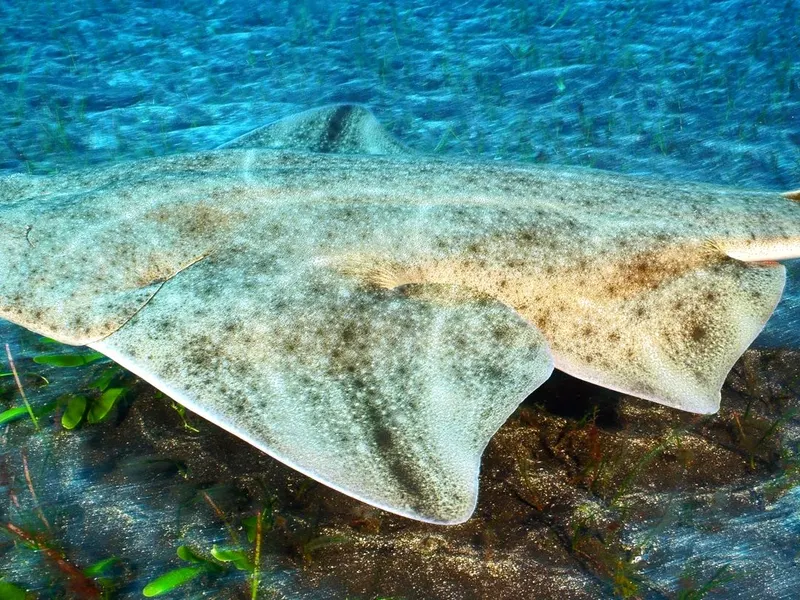
Resting on a sandy seabed -
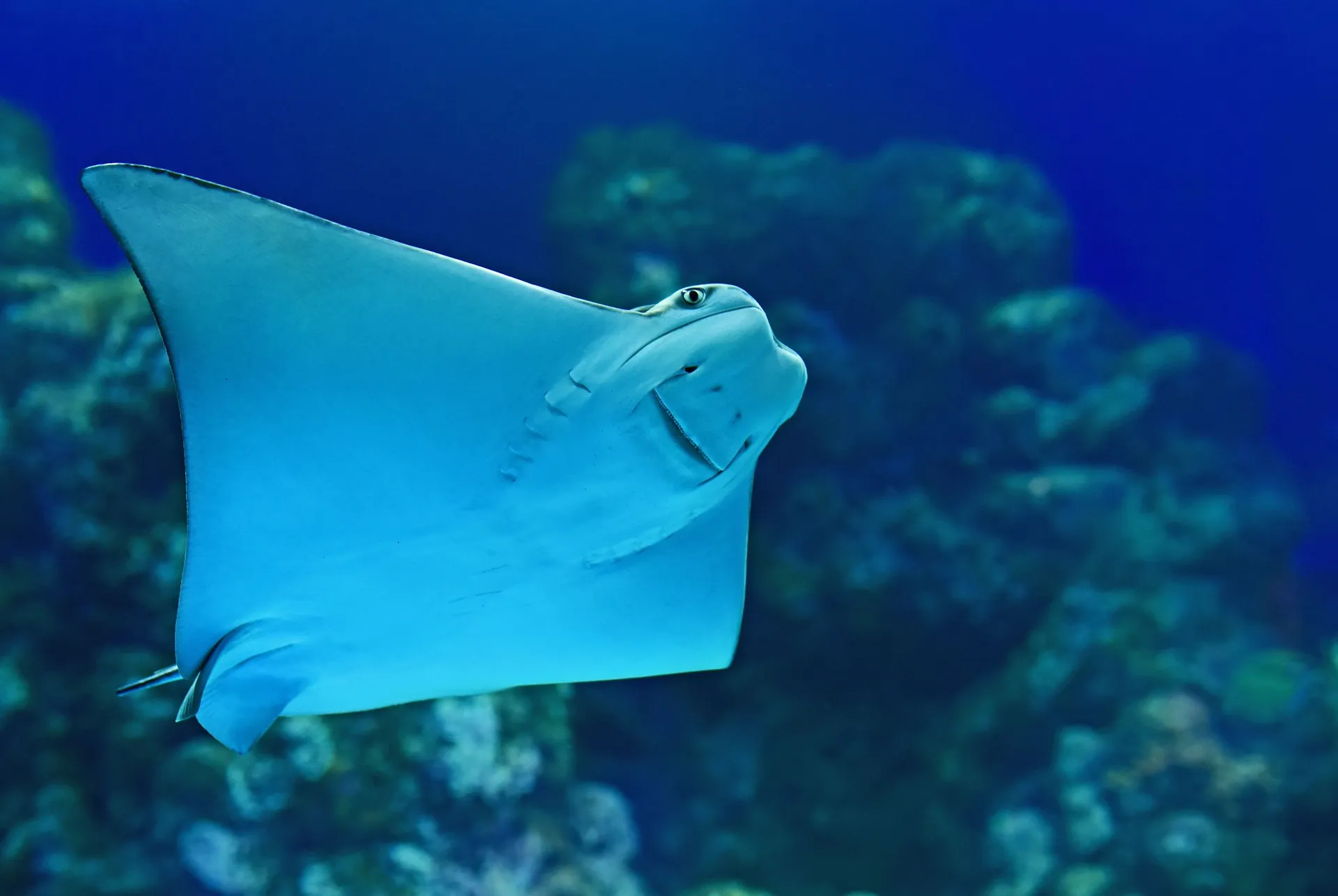
Cruising close to the sea floor -
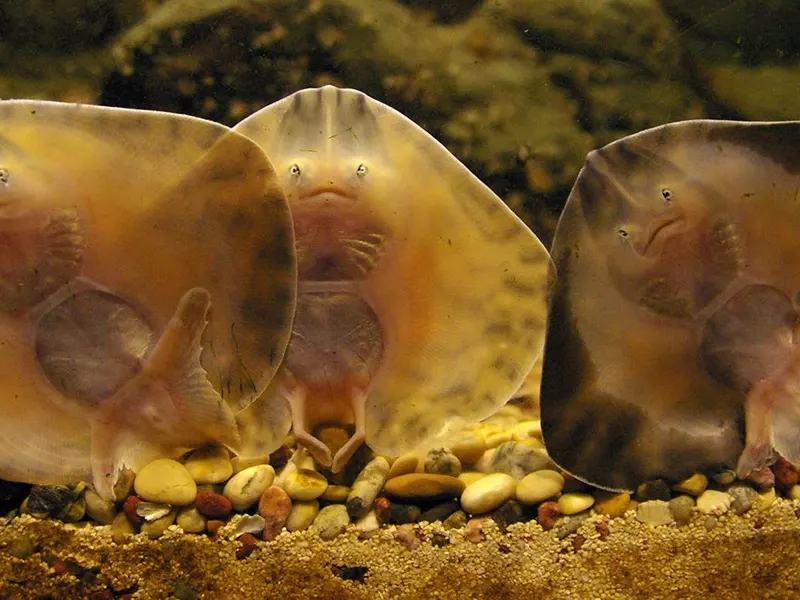
In the shallows at dusk -
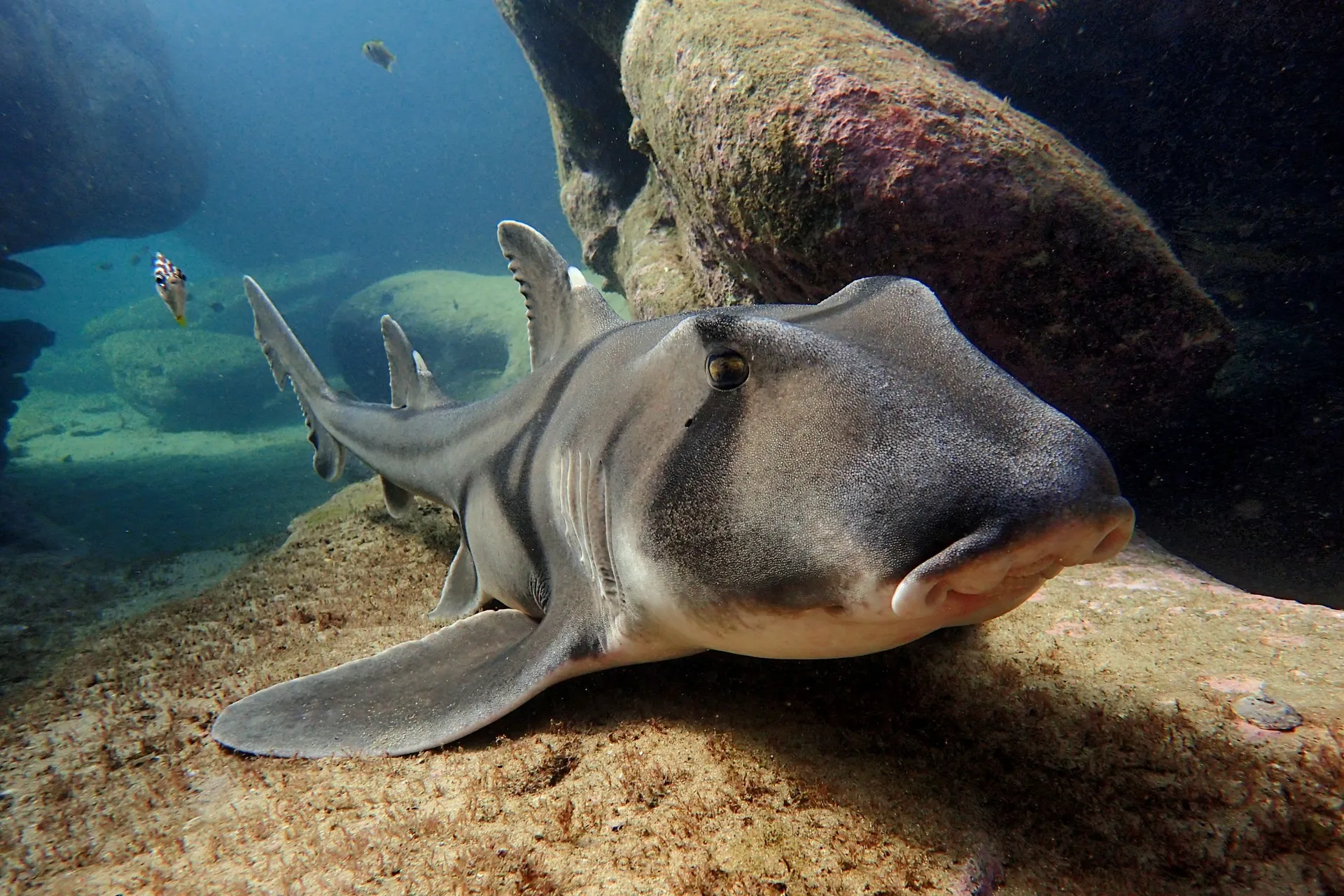
Sheltering on the reef
Go deeper
Size & biology
- Birth: 64–140cm.
- Matures: female 282–355cm; male 245–300cm.
- Max. TL: 484cm.
- Max. age est. 19–20 years.
- Reproduction occurs throughout the year, viviparous, 2 (rarely 4) pups per litter. Gestation period 12 months.
- Primarily feeds on schooling fishes, as well as cephalopods. Uses its elongated tail to stun pelagic fishes.
- Endothermic, able to maintain body temperature above water temperature.
Conservation status
IUCN Red List: Global: Vulnerable (2019) Europe: Endangered (2015) Mediterranean: Endangered (2016) Exhibits amongst the lowest productivity of all pelagic sharks, making it vulnerable to overexploitation. This species has seen population declines of >50% over three generations (42 years) in European waters.
Management
Subject to prohibitions under the CFP, RFMO and FNA regulations. Subject to additional international regulations.
Commercial importance
Taken as bycatch in longline fisheries targeting tuna and swordfish, as well as in some gill and driftnet fisheries.
References & further reading
Assessment: BTH/NEA/2020
- Cuevas & García.
- Ebert et al.
- Ebert & Stehmann.
- Rigby et al.
- Fernandez-Carvalho et al.
- Weng & Block.
- Kohler & Turner.
- ICES WGEF Report.