Common Thresher Shark
Alopias vulpinus (Bonnaterre, 1788)
Vulnerable- Maximum length
- 5.75 m
- Depth range
- From surface to ~650m.
- FAO code
- ALV
Meet the Common Thresher Shark
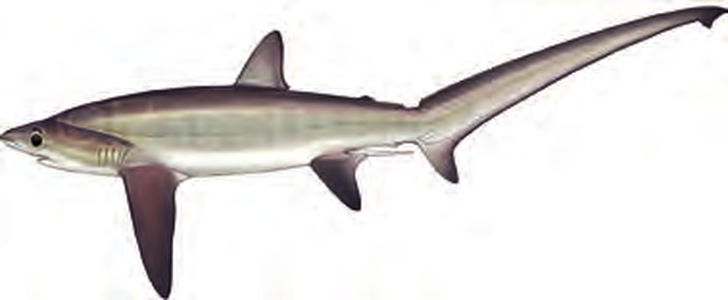
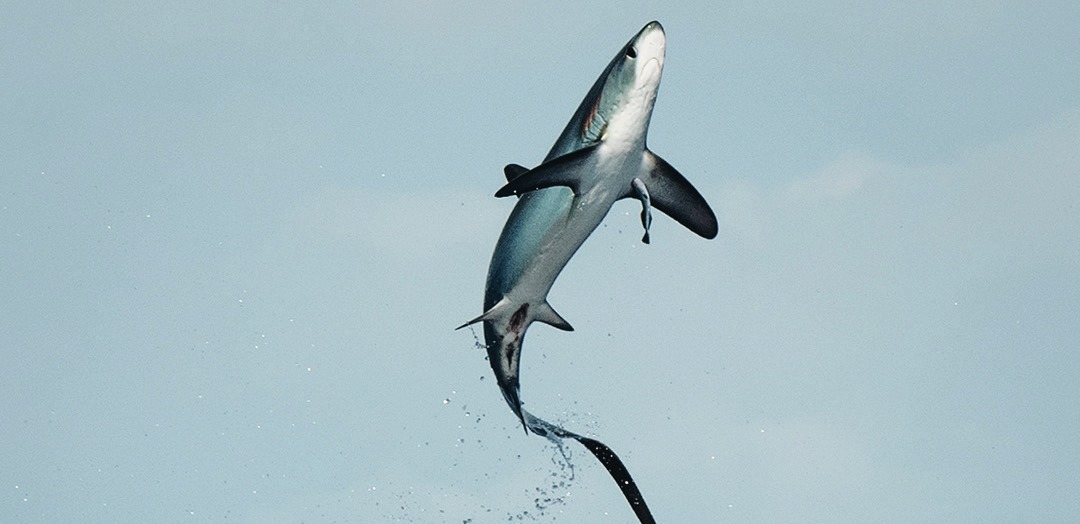
A large pelagic species recognisable for its exceptionally long upper caudal fin lobe, or tail, which it uses to stun prey in stunning vertical strikes.
- What they eat
- Pelagic schooling fishes, pelagic crabs and cephalopods.
- Also known as
- THRESHER SHARK, Common Thresher Shark, Fox Shark, Swiveltail, Thintail Thresher, Drescherhai (DEU), Zorro (ESP), Chichi Espada (ESP), Renard (FRA), Faux (FRA), Tubarao-raposo (PRT).
How to identify
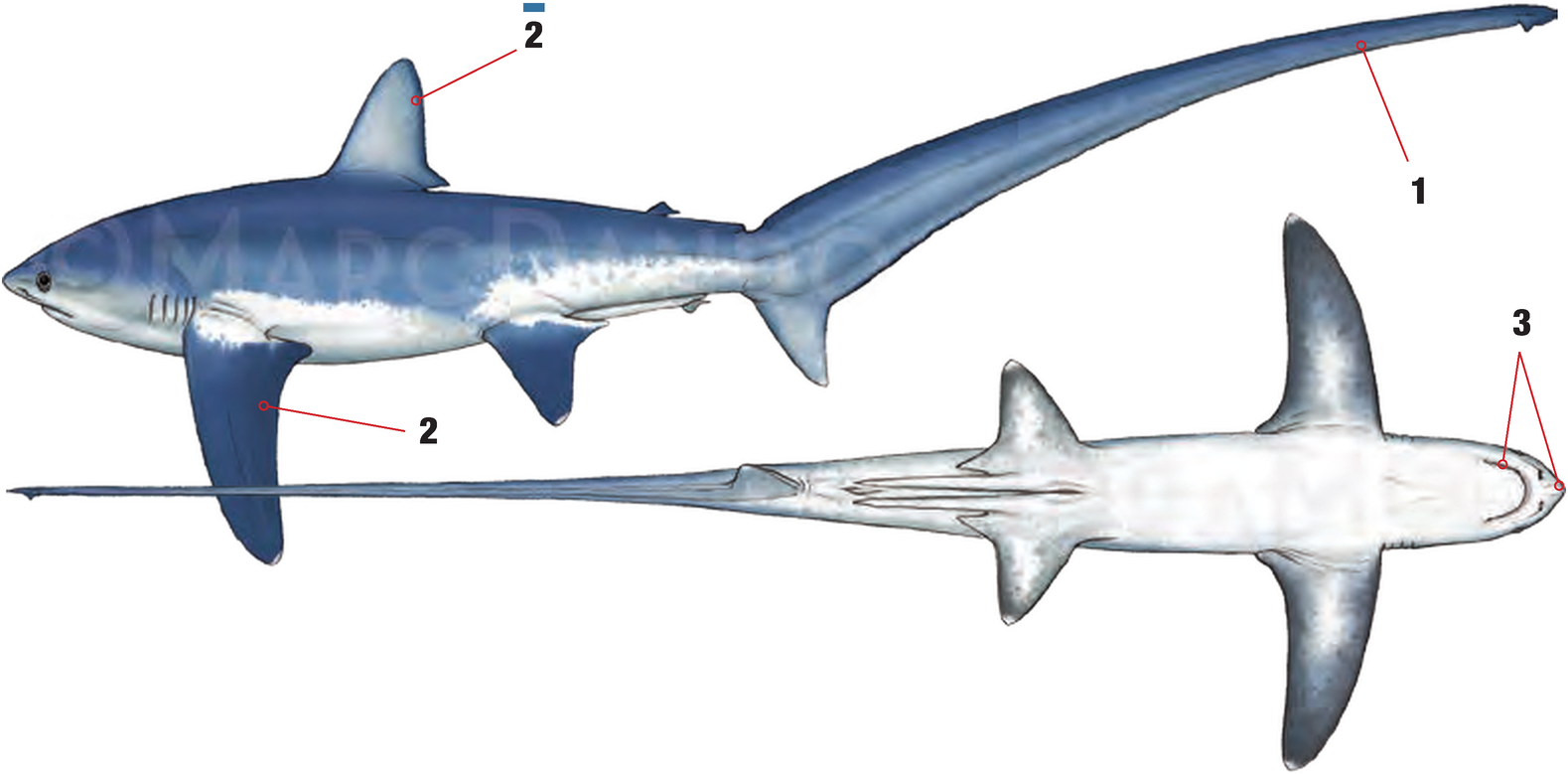
The numbers match the arrows on the illustration.
- Upper caudal lobe greatly elongated, as long as rest of body.
- Large first dorsal and pectoral fins.
- Pointed snout with small, arched mouth.
Colouring & markings
- Dorsal surface bluish grey to dark grey.
- Ventral surface white, with white patches extending over pectoral and pelvic fin bases.
- White dot sometimes present on the tips of pectoral fins.
- Pectoral, pelvic and dorsal fins often dark grey to blackish.
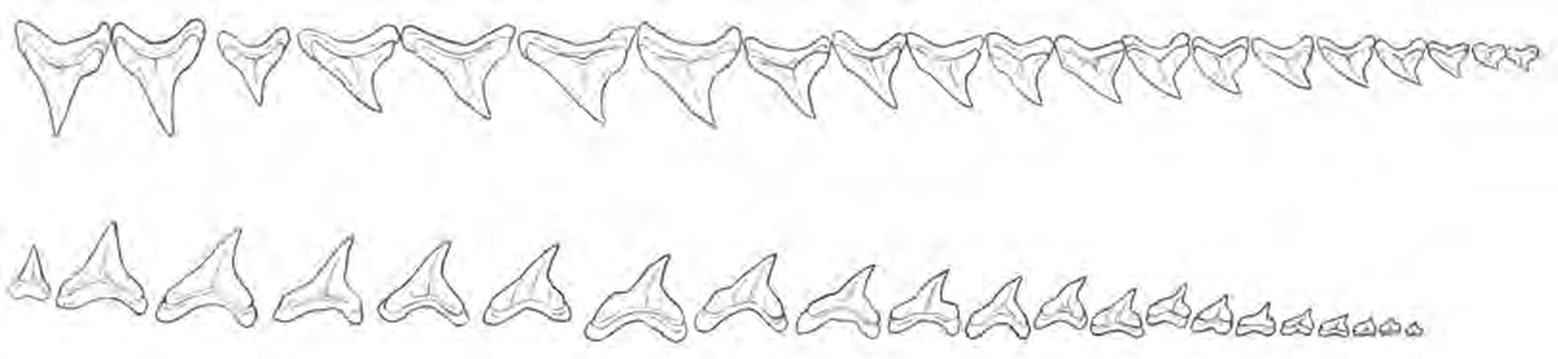
Teeth
Small, blade-like teeth with smooth edged, slightly oblique Upper jaw: 32–52. Lower jaw: 25–51.
How big do they get?
Where they live
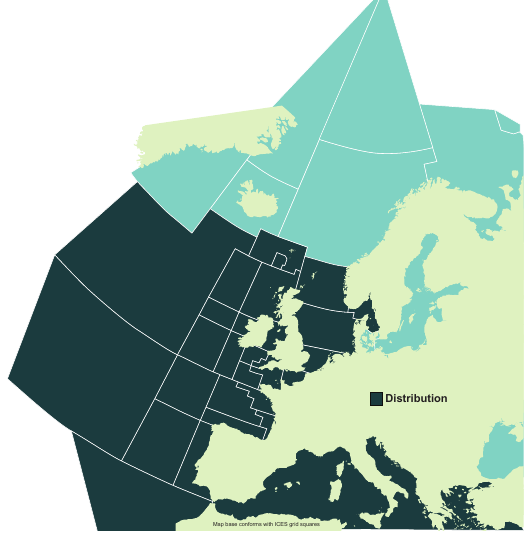
Distribution
Virtually circumglobal throughout most temperate and tropical seas. Eastern Atlantic from southern Norway to South Africa, incl. the Mediterranean Sea. Western Atlantic from Canada to Argentina.
Habitat
Near shore to offshore from surface to 650m, often along the continental shelf. Most commonly found near land in temperate waters with pups staying in inshore nurseries until close to maturity. Thought to make seasonal migrations to follow warm water. Displays vertical diel behaviour moving to shallower depths during the night.
In the wild
-

Recorded on a Shark Trust survey dive -
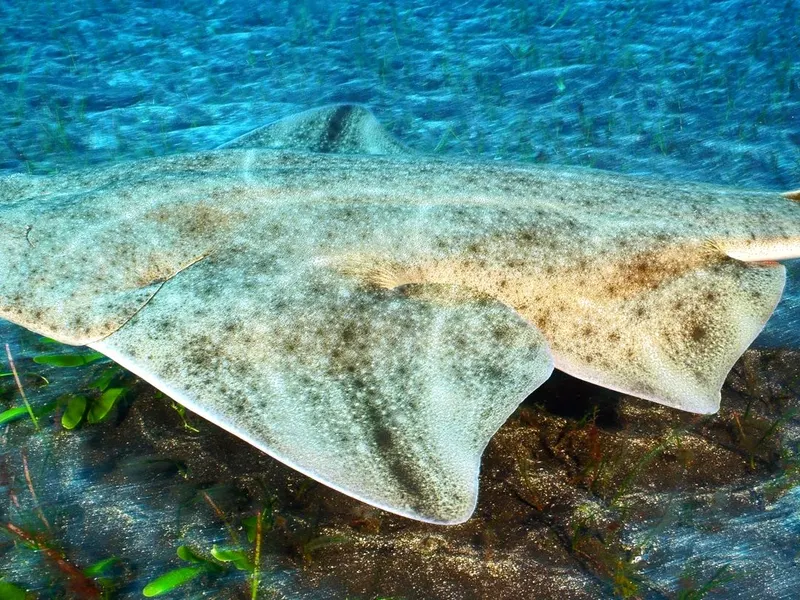
Resting on a sandy seabed -
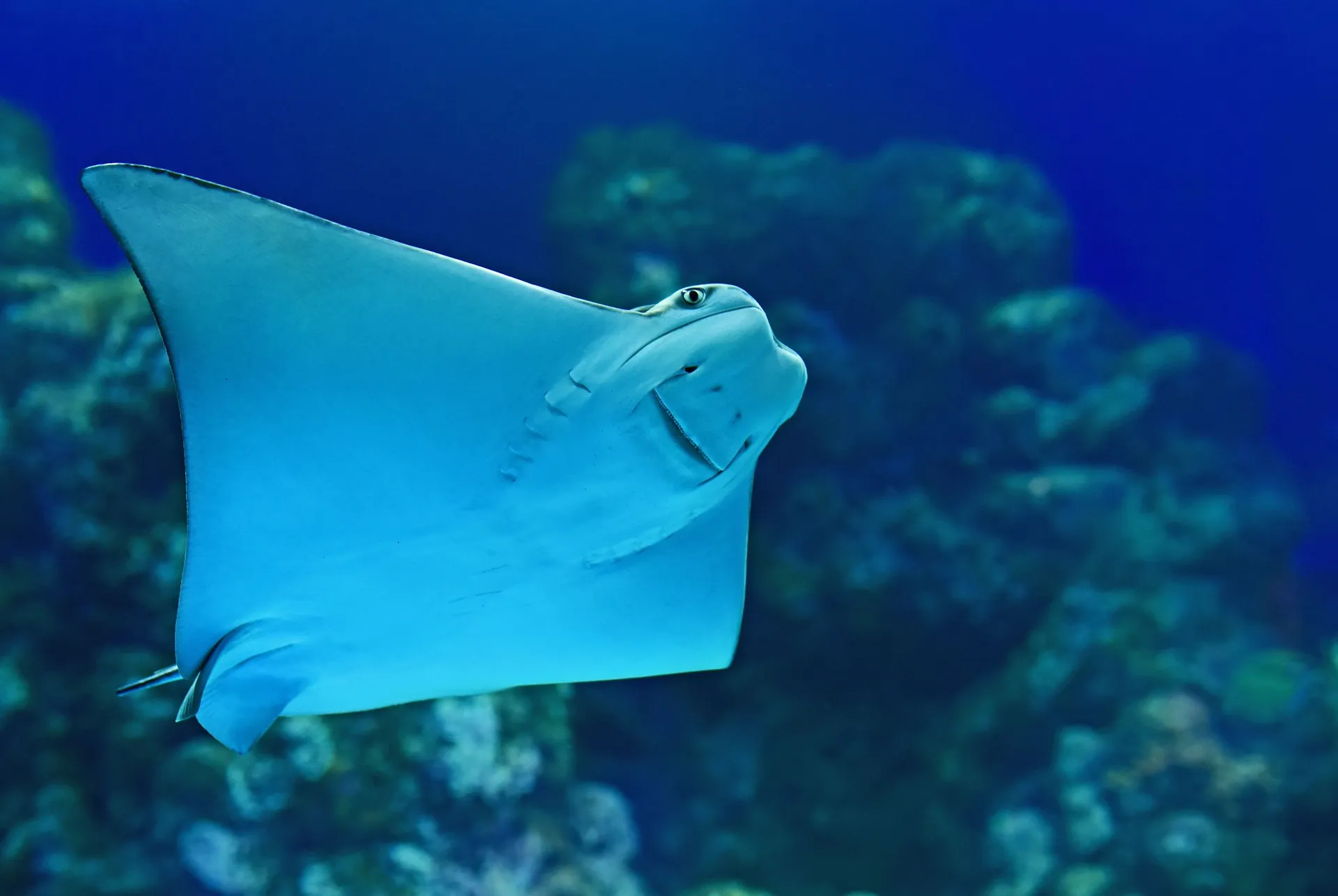
Cruising close to the sea floor -
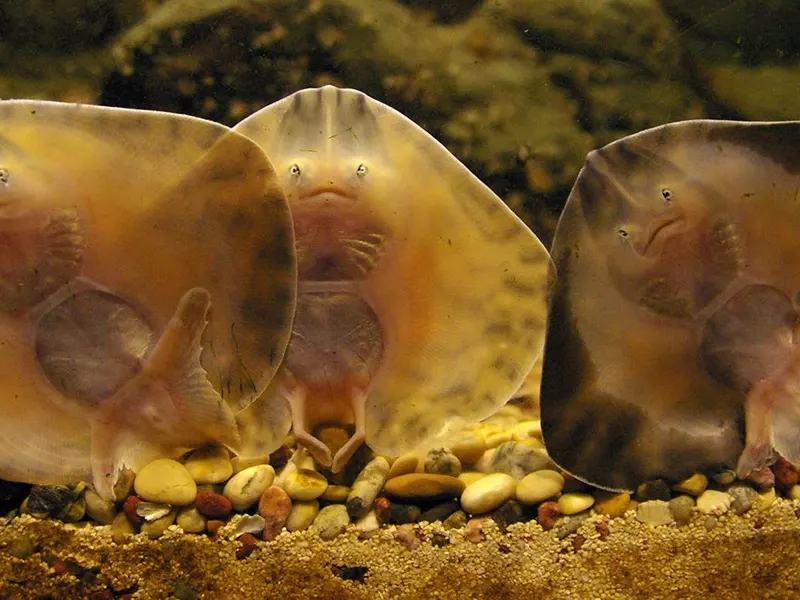
In the shallows at dusk -
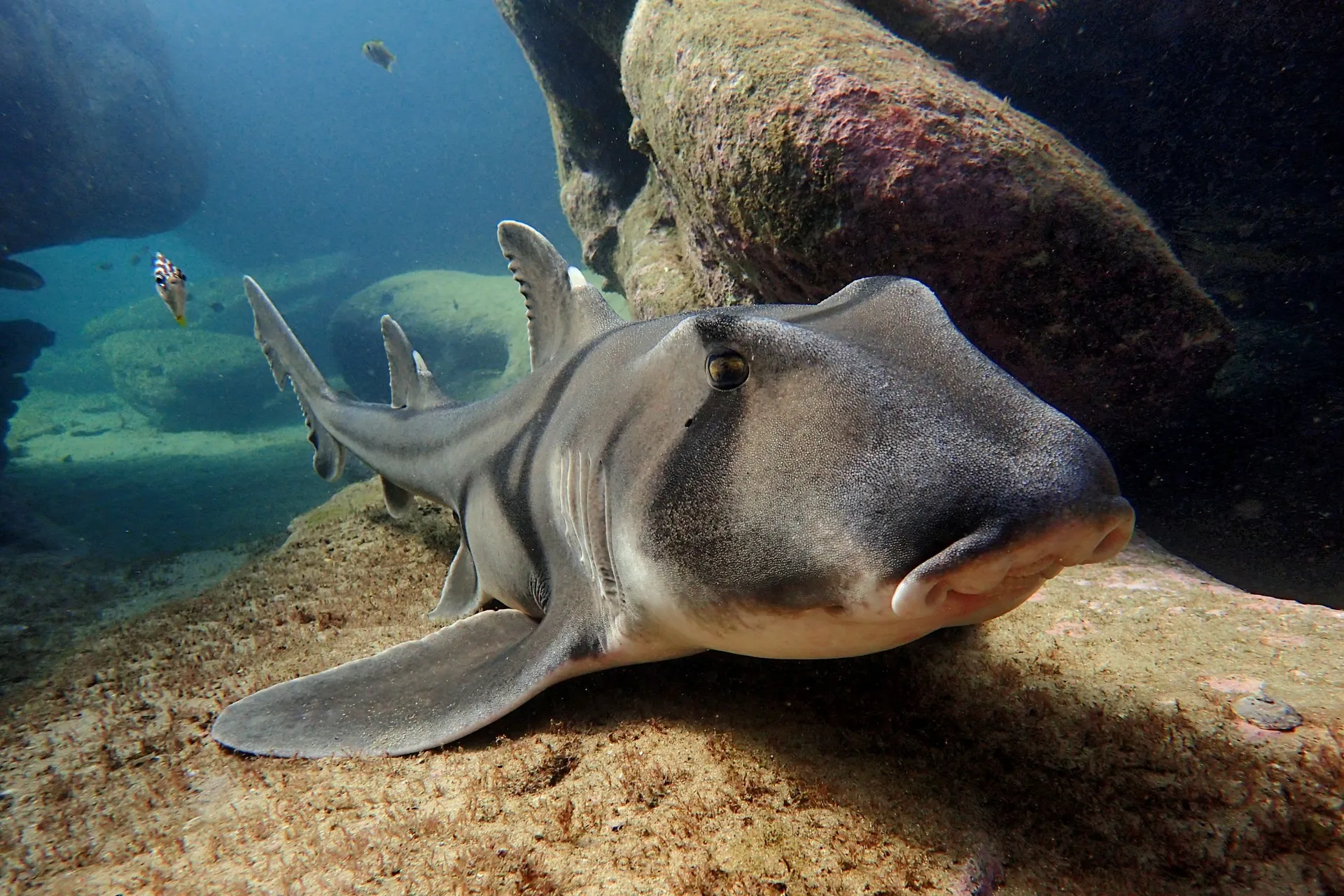
Sheltering on the reef
Go deeper
Size & biology
- Birth: 120–150cm.
- Matures: female 260–465cm; male 260–420cm.
- Max. TL (varies regionally): 575cm, possibly to 635cm.
- Age at maturity est. (varies regionally): female 3–13 years; male 3–8 years. Max. age est: 38 years.
- Ovoviviparous, litters of 2–6 pups born in spring/summer after a nine month gestation. Embryos feed on unfertilised eggs (oophagy).
- Endothermic, able to maintain body temperature above water temperature.
- Uses its tail to stun and immobilise its prey.
- Feeds on schooling pelagic fishes and invertebrates incl. crustaceans and cephalopods.
Conservation status
IUCN Red List: Global: Vulnerable (2019) Europe: Endangered (2015) Mediterranean: Endangered (2016) Slow growing with a low fecundity making it particularly vulnerable to overexploitation. A decline of 30–49% over three generations (76.5 years) has been estimated across the global population.,2,8
Management
Subject to prohibitions under the CFP, RFMO and FNA regulations. Additional international regulations apply.
Commercial importance
Taken as valued bycatch in longline, driftnet and gillnet fisheries for swordfish and tuna. Juveniles may be taken by inshore gillnet and midwater trawl fisheries. Utilised for meat, fins and skin. Highly prized with anglers.
References & further reading
Assessment: ALV/NEA/2020
- Ellis et al.
- Rigby et al.
- Ebert et al.
- Ebert & Stehmann.
- Weng & Block.
- Aalbers et al.
- Heard et al.
- ICES WGEF Report.