Arctic Skate
Amblyraja hyperborea (Collett, 1879)
Least Concern- Maximum length
- 1.12 m
- Depth range
- From 250 to 2,500m. Primarily to 1,500m.
- FAO code
- RJG
Meet the Arctic Skate
- Also known as
- ARCTIC SKATE, Boreal Skate, Blackbelly Skate, Northern Skate, Arktischer Rochen (DEU), Raya Ártica (ESP), Raie Arctique (FRA), Arctische Rog (NLD).
How to identify
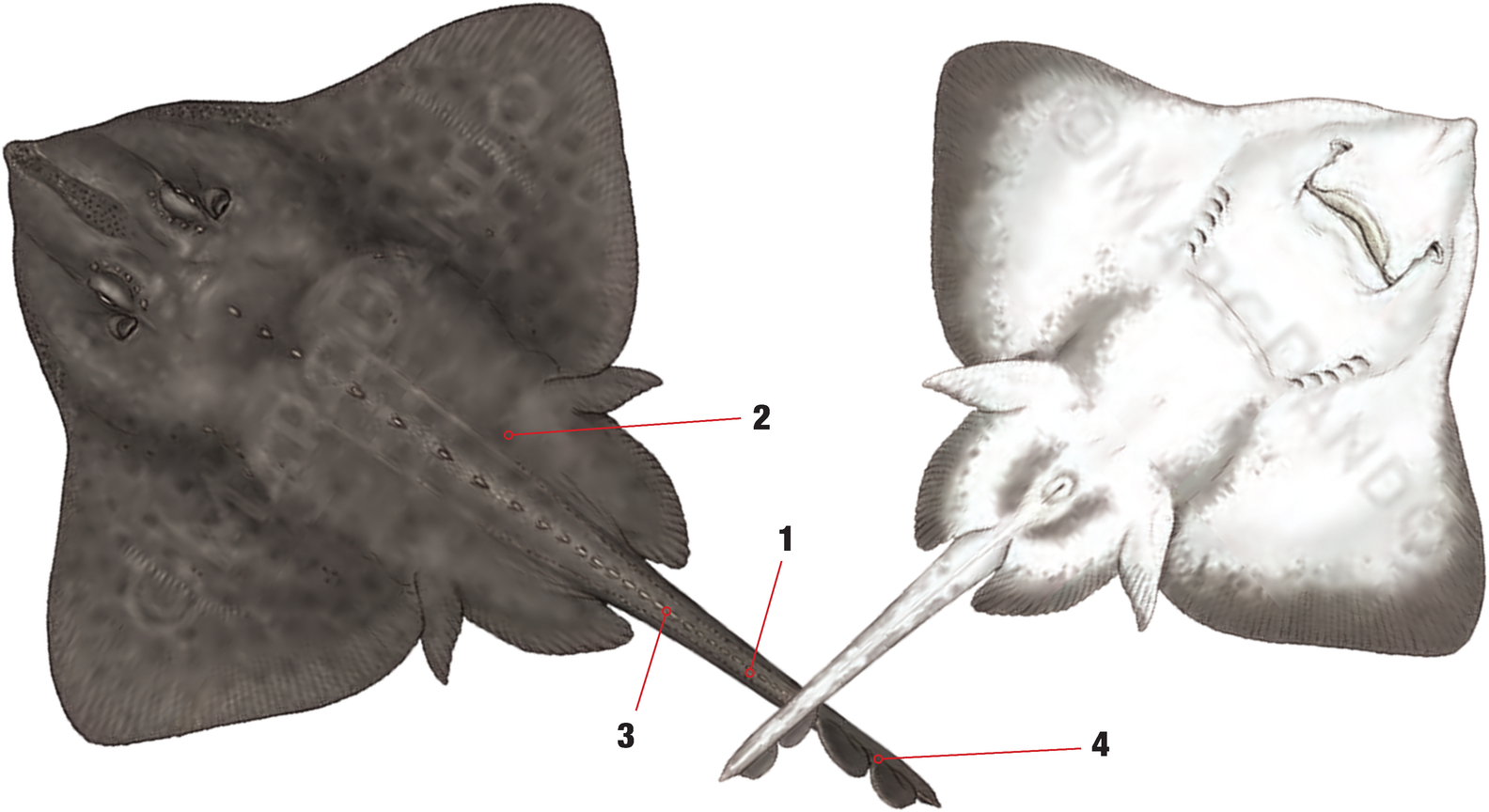
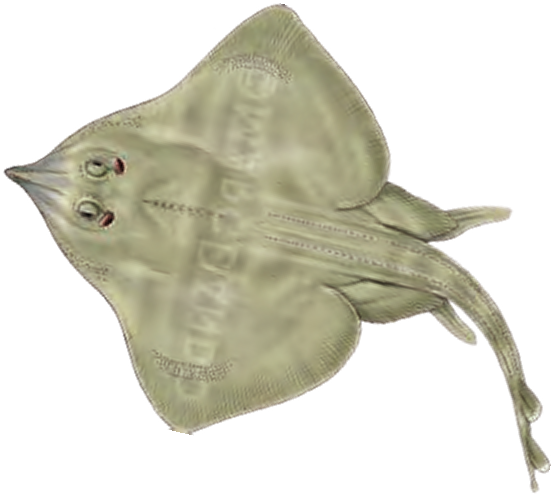
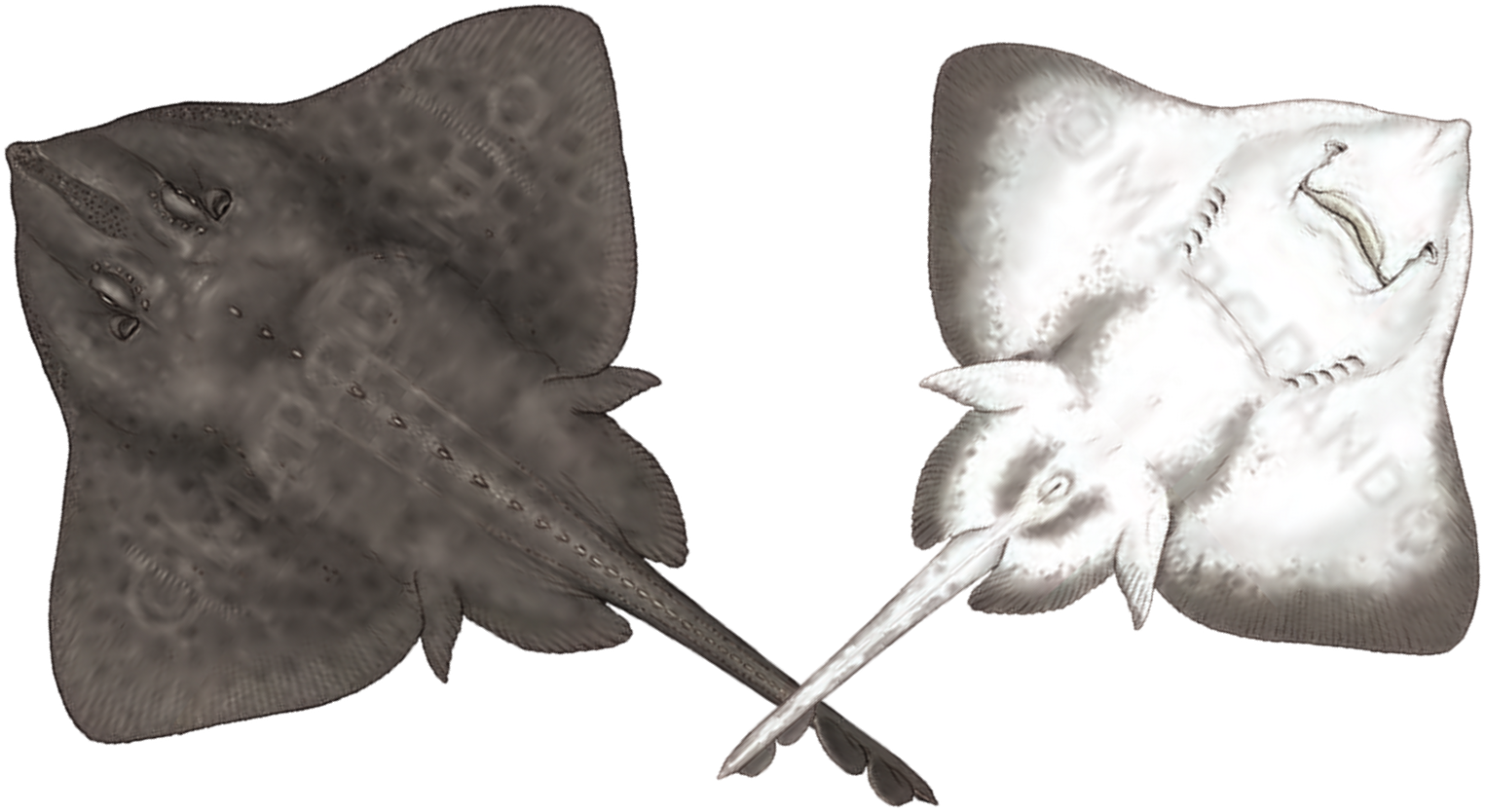
The numbers match the arrows on the illustration.
- Short, solid tail.
- Thick body.
- Row of 25–32 star shaped thorns along midline from shoulder to first dorsal fin.
- 0–2 thorns between dorsal fins.
Colouring & markings
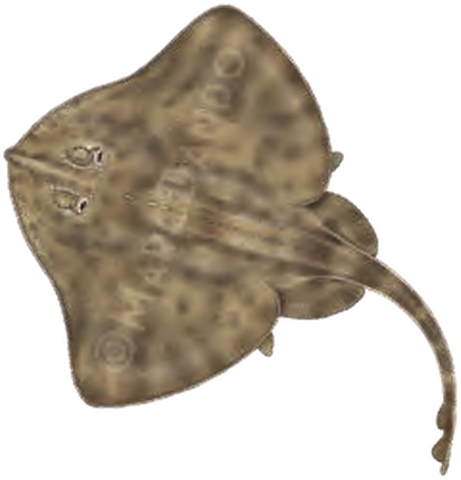
- Dark grey to brown on dorsal surface with indistinct spots and blotches.
- Ventral surface largely white in juveniles. Darker margins and blotches develop with age and size.
Teeth
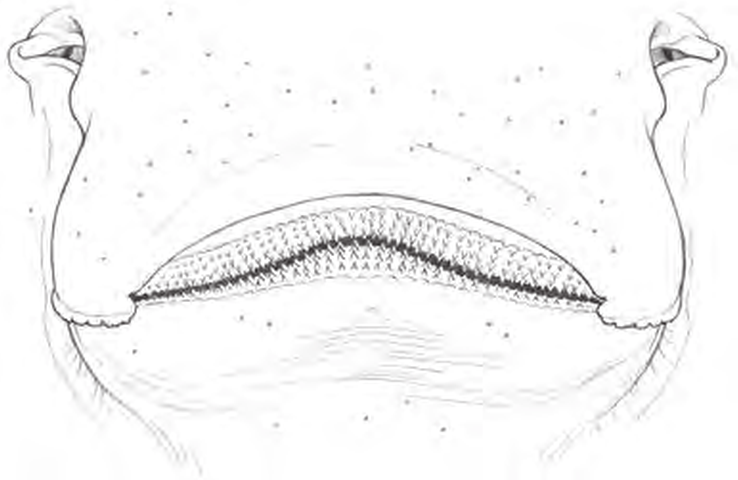
Narrow, pointed teeth, becoming longer, more pointed and set in parallel rows in larger individuals. Upper jaw: 35–48 rows.
Eggcase
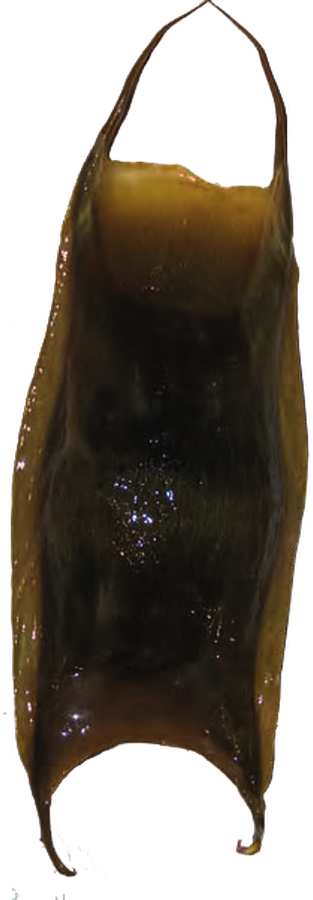
Lynghammar 54–77mm wide. 81–125mm long (excl. horns). Arve Smooth in texture. Similar eggcase to the Eggcase Blonde Ray Raja brachyura.
How big do they get?
Where they live
Distribution
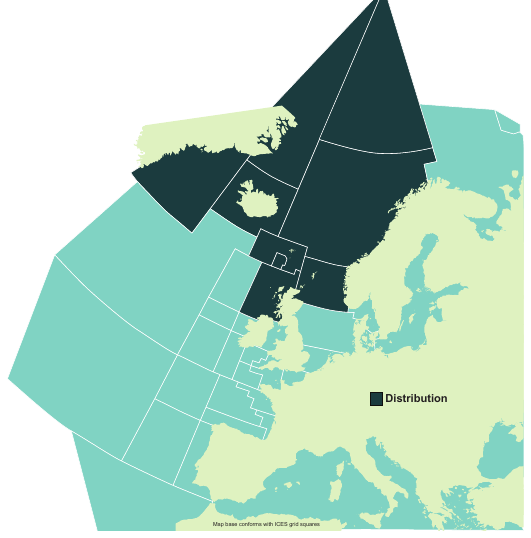
Arctic and subarctic waters of the North Atlantic. Northeast Atlantic from Iceland to north coast of Norway incl. Faroe Islands, north of the Shetland Islands and occasionally the northern Rockall Trough. Found in the Northwest Atlantic in the Davis Strait between Canada and Greenland.
Habitat
Demersal from 250–2,500m, normally to 1,500m. Primarily found in high latitudes on continental and insular slopes. Prefers water temperatures <4°C.
In the wild
-

Recorded on a Shark Trust survey dive -
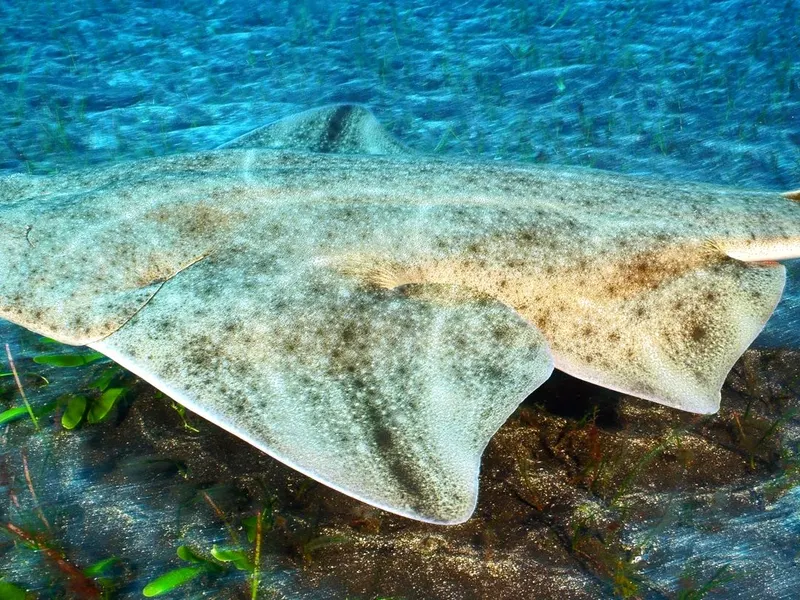
Resting on a sandy seabed -
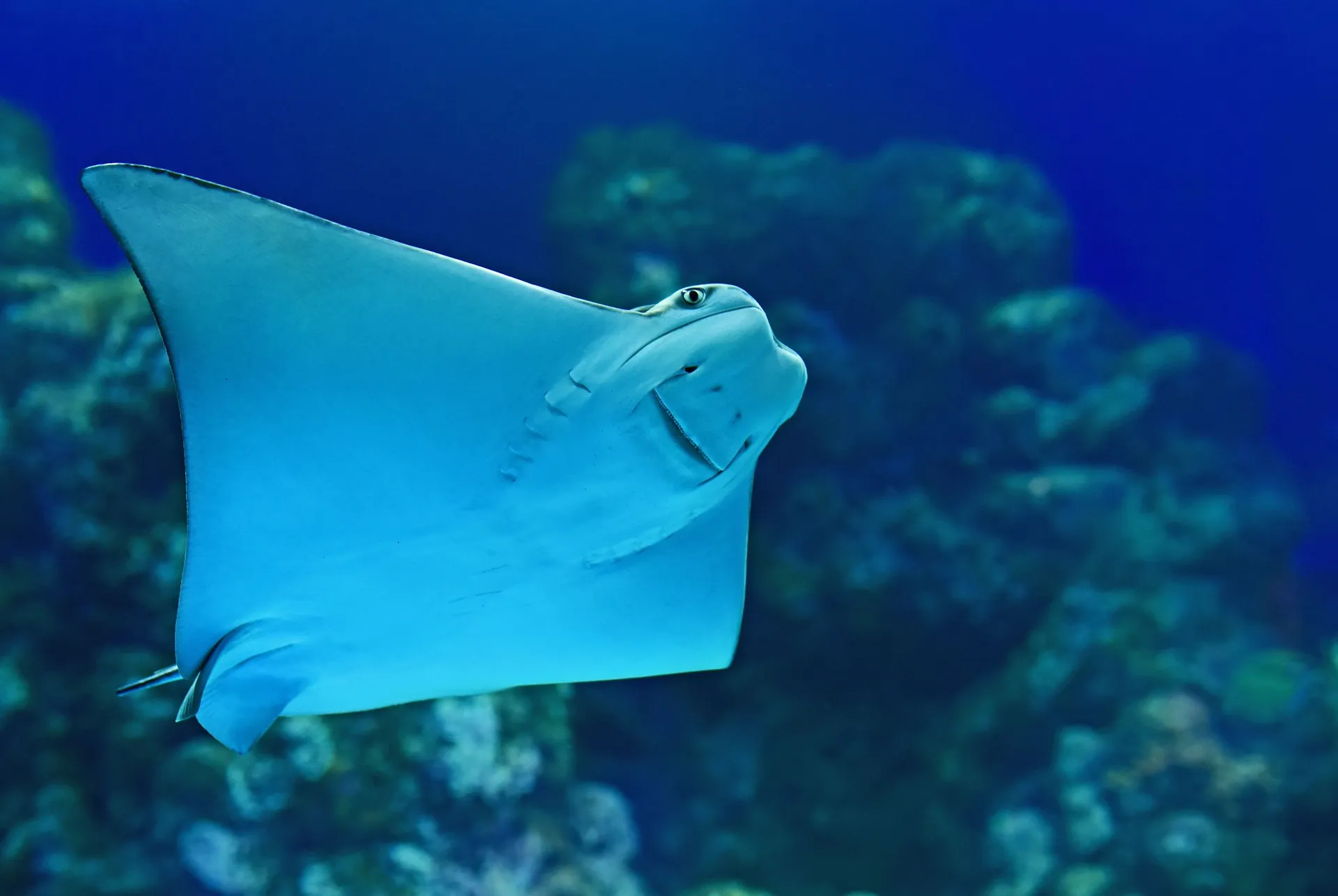
Cruising close to the sea floor -
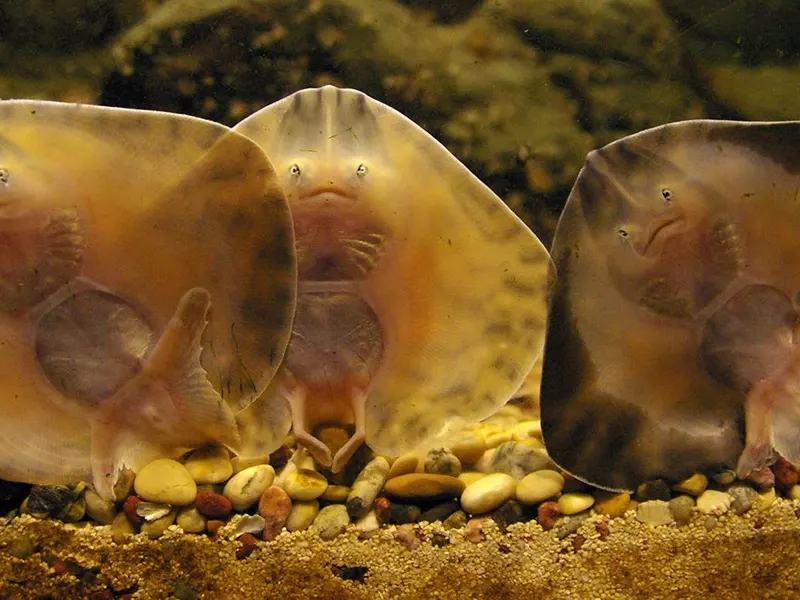
In the shallows at dusk -
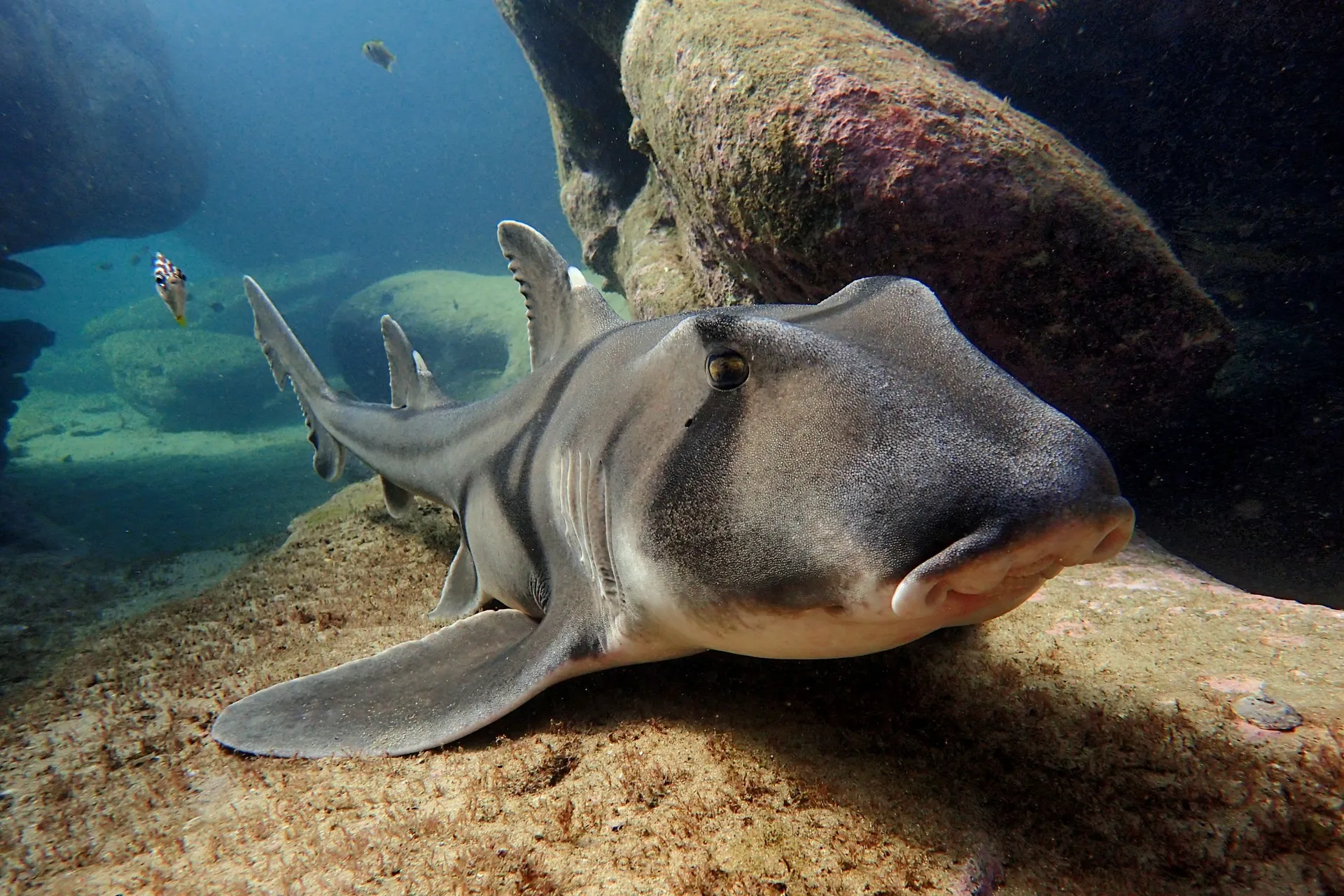
Sheltering on the reef
Go deeper
Size & biology
- Birth: 16–18cm.
- Mature: 80–90cm.
- Max. TL: 112cm.
- Oviparous; size and number of eggcases varies with size of female. Little else known about the biology of this skate.
- Primarily feeds on small benthic fishes and invertebrates.
Conservation status
IUCN Red List: Global: Least Concern (2016) Europe: Least Concern (2015) Predominantly found at depths greater than the reach of most current fishing operations, but the shallower range in the northern parts of its distribution overlap with fisheries. Improved monitoring is required.
Management
Subject to regulations under the CFP and prohibitions under RFMO.
Commercial importance
Low commercial importance. Taken as bycatch in deepwater trawl and longline fisheries but generally discarded. Larger specimens may be retained and used for consumption.
References & further reading
Assessment: RJG/NEA/2020
- Ebert & Stehmann.
- Kulka et al.
- Last et al.
- Stehmann et al.
- González et al.