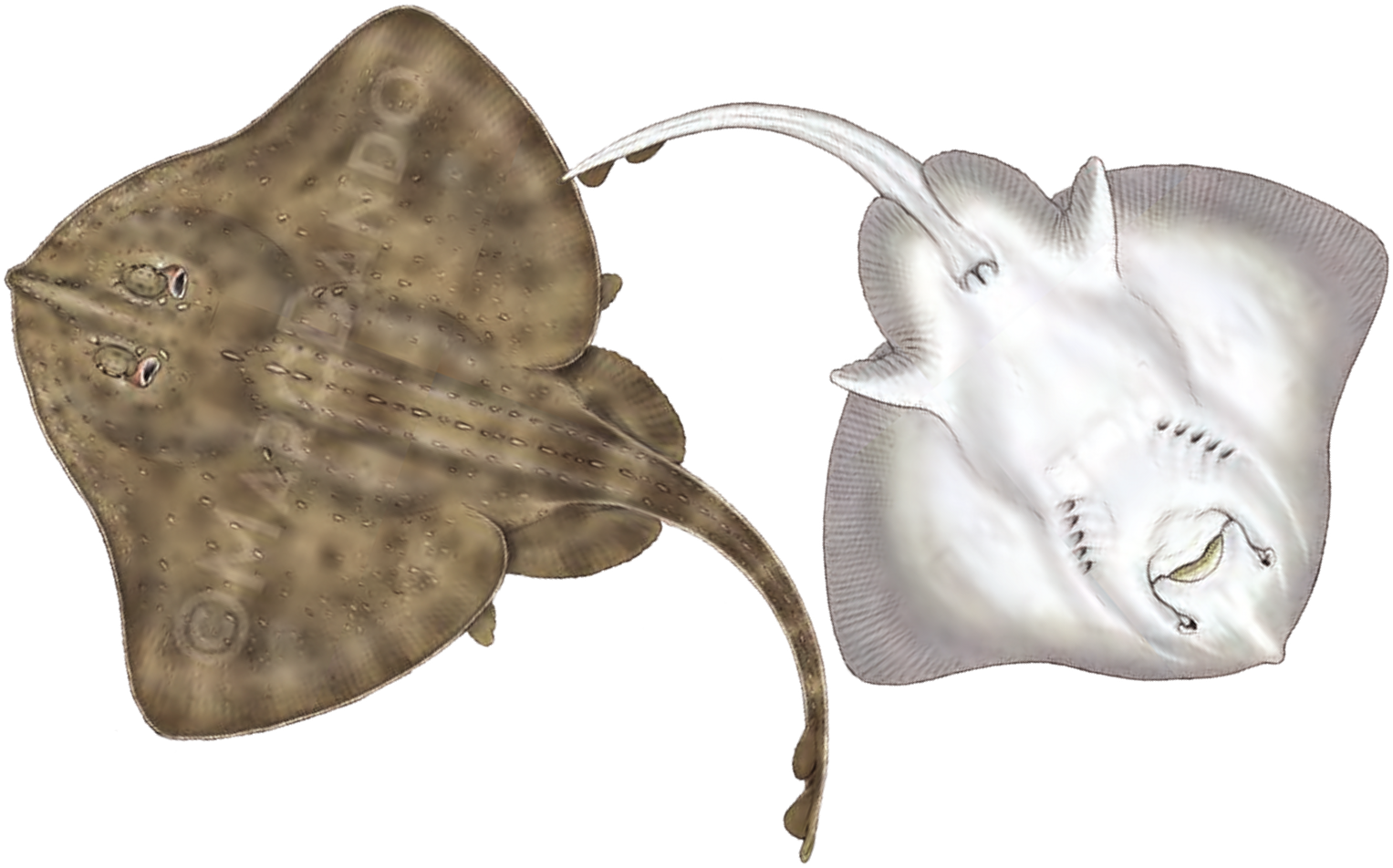
Starry Skate
Amblyraja radiata (Donovan, 1808)
Vulnerable- Maximum length
- 1.11 m
- Depth range
- From 20 to 1,400m, most commonly 25 to 440m.
- FAO code
- RJR
Meet the Starry Skate
- Also known as
- STARRY SKATE, Starry Ray, Thorny Skate, Thorny Ray, Maiden Ray, Miller Ray, Sternrochen (DEU), Raya Radiante (ESP), Raie Radiée (FRA), Sterrog (NLD), Raia Repregada (PRT).
How to identify
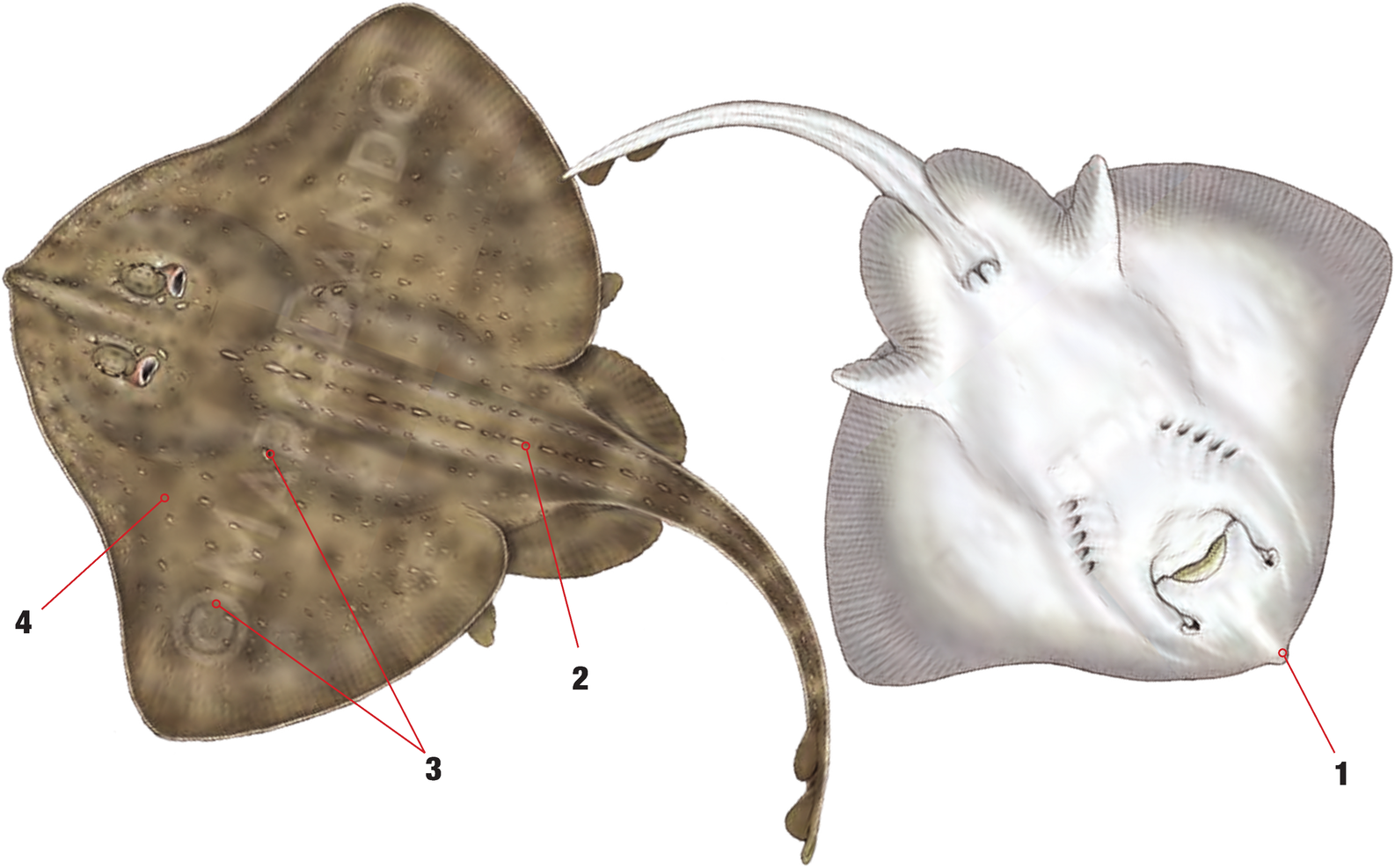
The numbers match the arrows on the illustration.
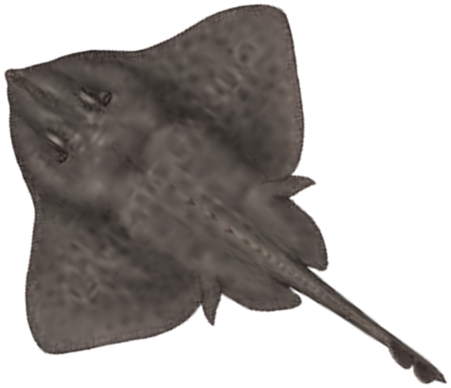
- Short, blunt snout.
- Row of 13–17 large thorns on midline.
- Large thorns on dorsal surface with star shaped bases.
- Upper disc entirely covered in rough dermal denticles.
Colouring & markings
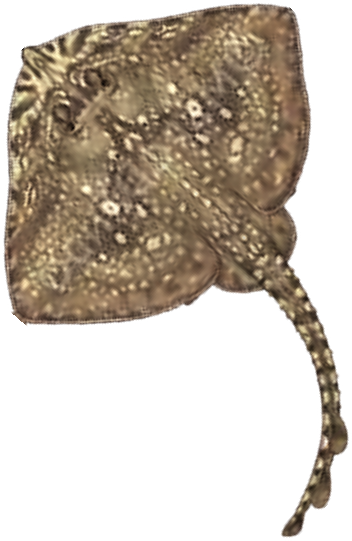
- Dorsal surface greyish brown with dark and occasionally pale blotches, often with darker dots forming rosettes.
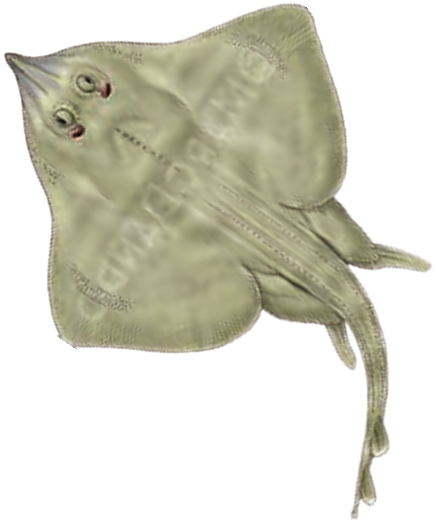
- Ventral surface white, sometimes with dark blotches and grey margins.

Teeth
Sharper in mature males than in females and juveniles. Upper jaw: 38–40.
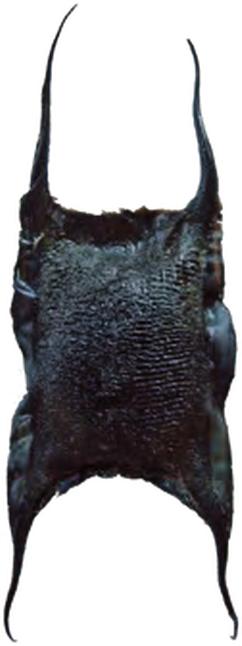
Eggcase
26–37mm wide. 33–37mm long (excl. horns). Strongly textured capsule, like stiff velvet and with obvious keels. Anterior and posterior horns are approximately of equal length.
How big do they get?
Where they live
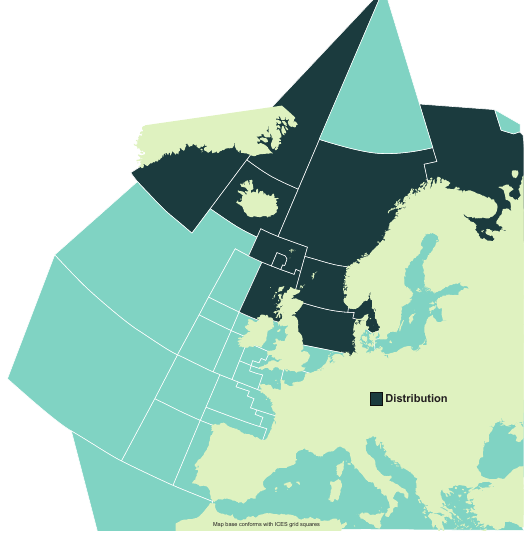
Distribution
Widespread across the North Atlantic in Arctic latitudes and cold temperate seas. Northeast Atlantic from eastern Greenland, Iceland and northern Norway to the British Isles. Known as the Thorny Skate in the Northwest Atlantic where it is found from Greenland and Canada to South Carolina.
Habitat
Demersal from 18–1,400m, most commonly 25–440m. Found on continental and insular shelves and slopes in boreo-Arctic waters over a variety of substrates. Primarily found in temperatures -1.3–14°C.
In the wild
-
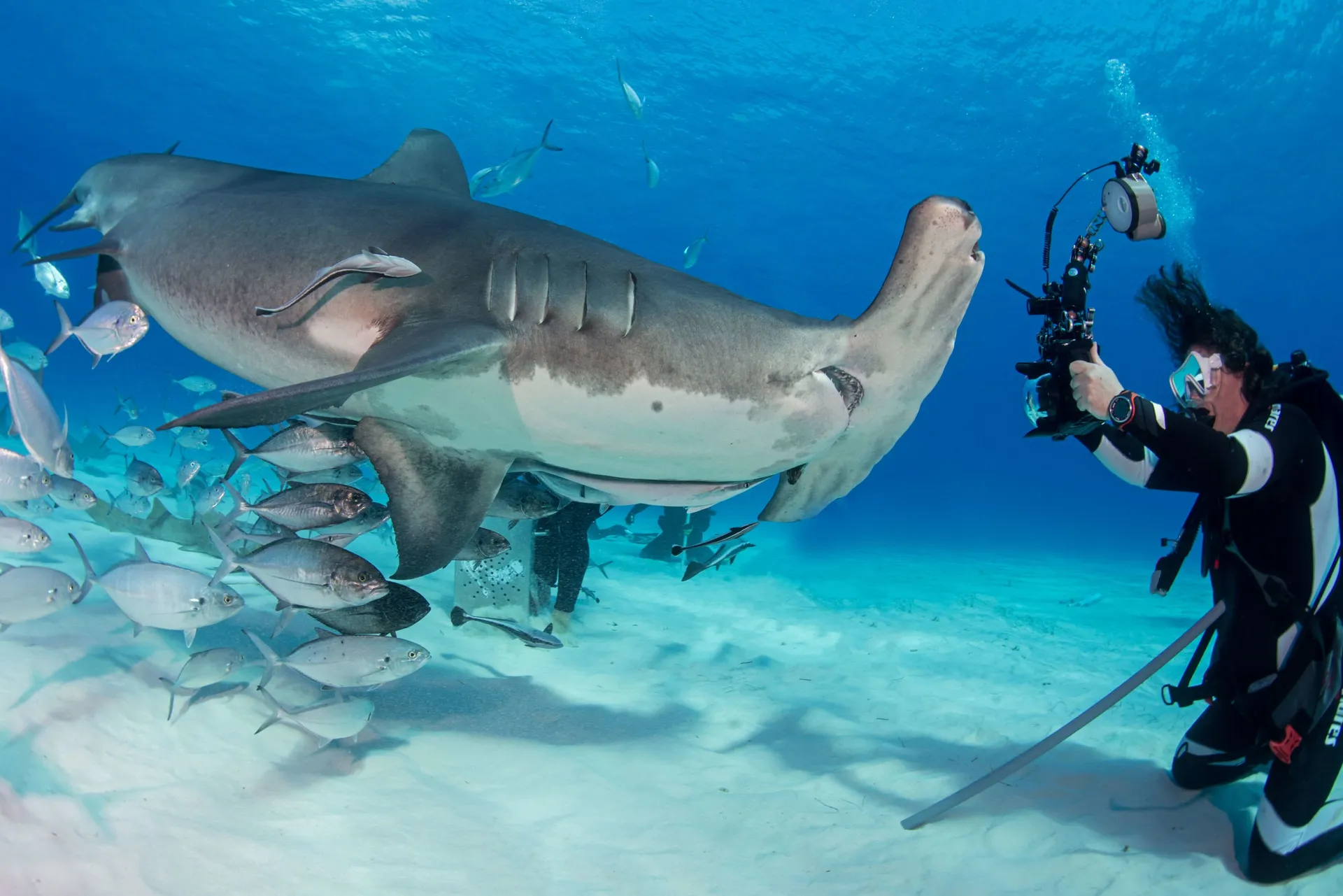
Recorded on a Shark Trust survey dive -
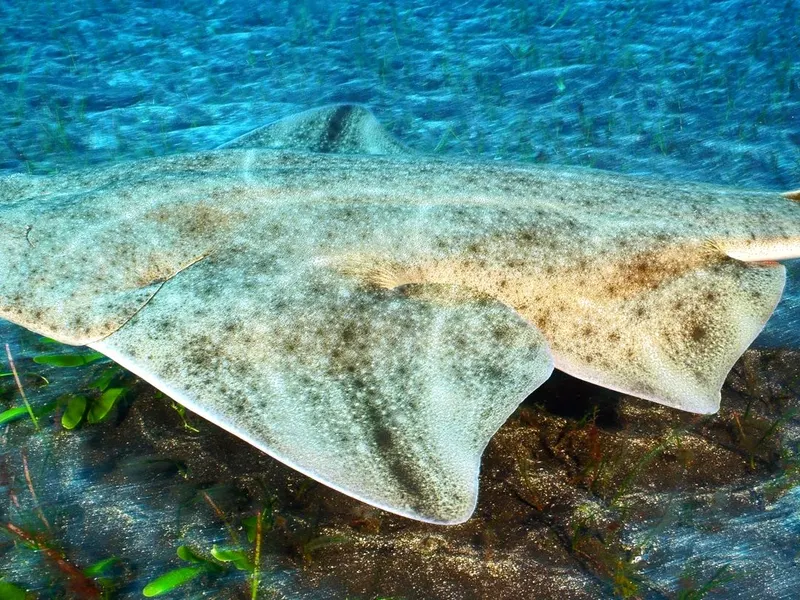
Resting on a sandy seabed -
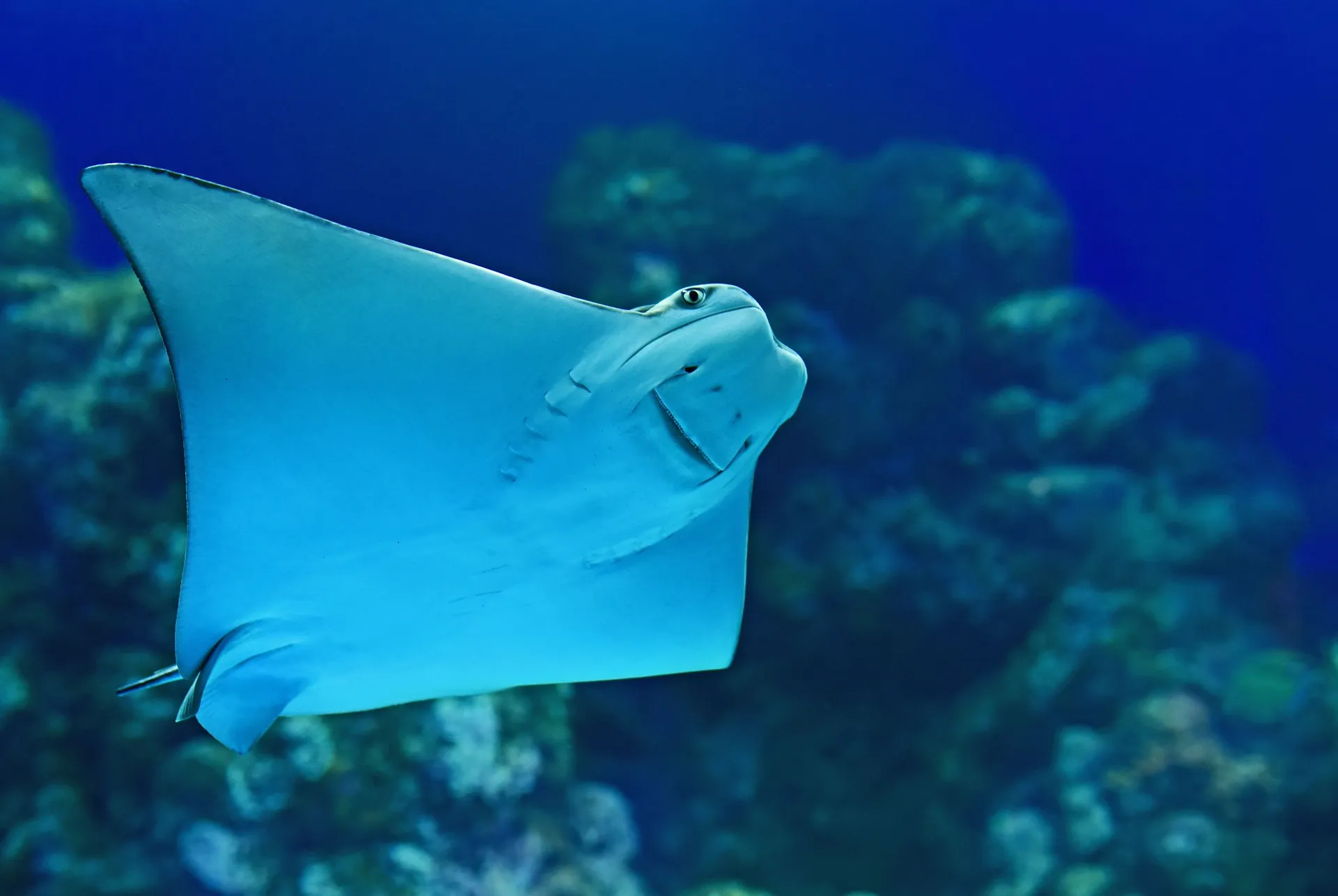
Cruising close to the sea floor -
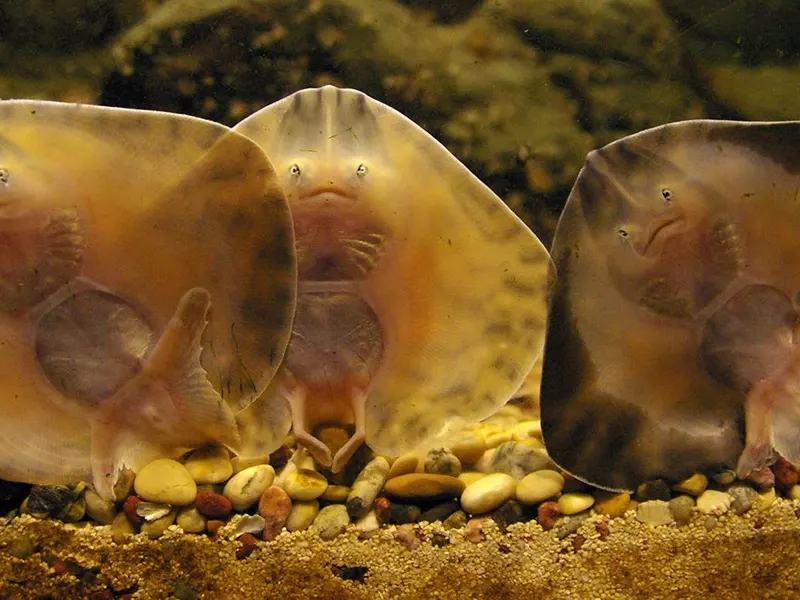
In the shallows at dusk -
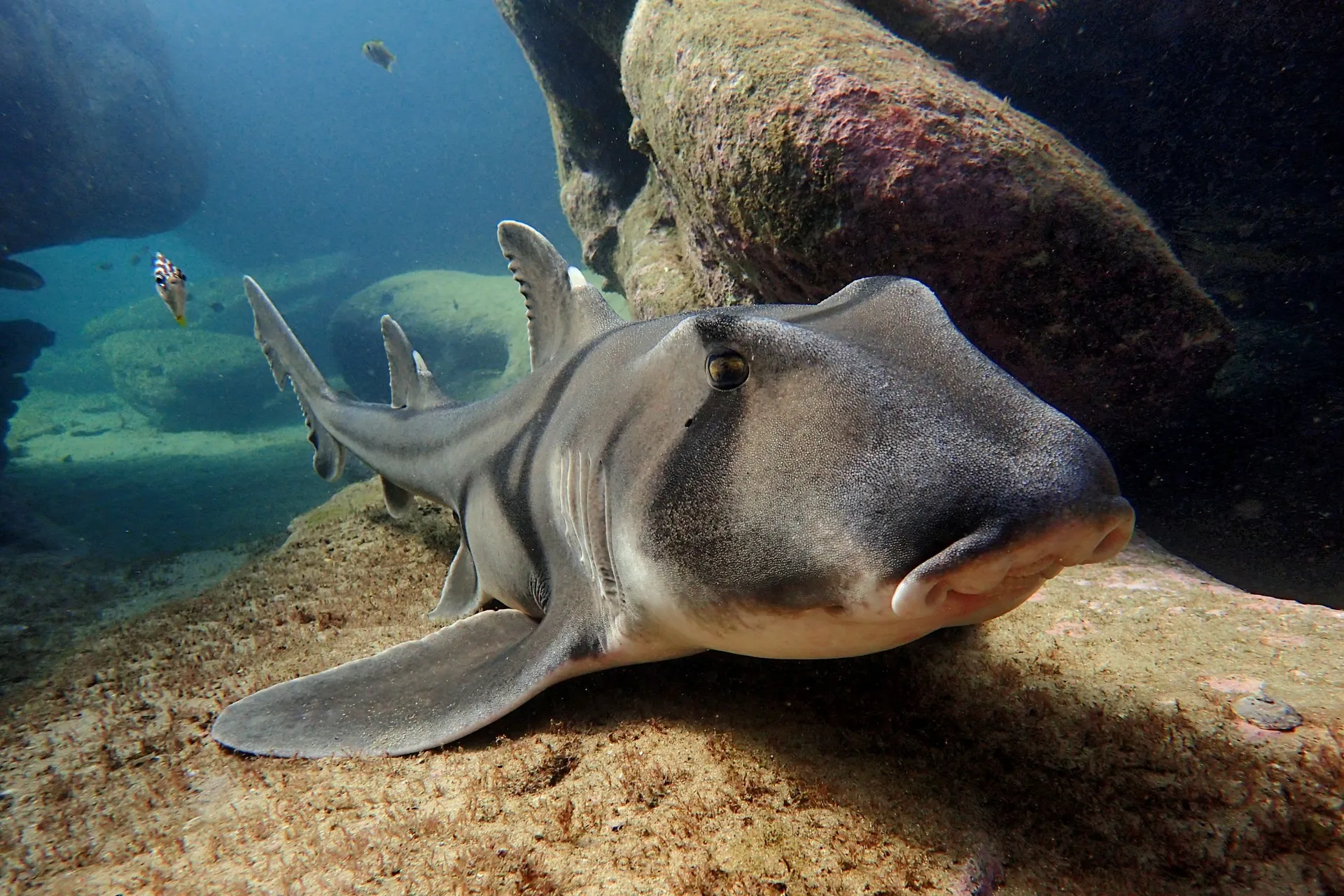
Sheltering on the reef
Go deeper
Size & biology
- Birth: 8–12cm.
- Mature: 44–90cm.
- Max. TL: 111cm. Size varies with region and depth, larger specimens in the Northwest Atlantic and northern parts of the range, smaller in the North Sea.
- Oviparous, females are reproductively active all year-round laying est. 10–41 eggcases annually.
- Embryonic development varies depending on water temperature and latitude, maximum incubation has been reported as 36 months in the White Sea.
- Feeds primarily on benthic invertebrates and demersal teleosts.
Conservation status
IUCN Red List: Global: Vulnerable (2009) Europe: Least Concern (2015) This skate matures at a relatively small size in the Northeast Atlantic, possibly making it less susceptible to capture in demersal fisheries compared to larger skate species. Long incubation times could lead to low rates of population growth.
Management
Subject to prohibitions under the CFP and regulations under RFMO.
Commercial importance
Of little commercial importance in the Northeast Atlantic due to its small size and thorns. Taken as bycatch in trawl fisheries but regularly discarded from multispecies trawl fisheries. Targeted in the Northwest Atlantic. When retained, the wings are used for human consumption.
References & further reading
Assessment: RJR/NEA/2020
- Ebert & Stehmann.
- Kulka et al.
- Last et al.
- McCully et al.
- Sulikowski et al.
- Gordon et al.
- Silva et al.