Thornback Ray
Raja clavata (Linnaeus, 1758)
Near Threatened- Maximum length
- 1.3 m
- Depth range
- From 10 to 300m.
- FAO code
- RJC
Meet the Thornback Ray
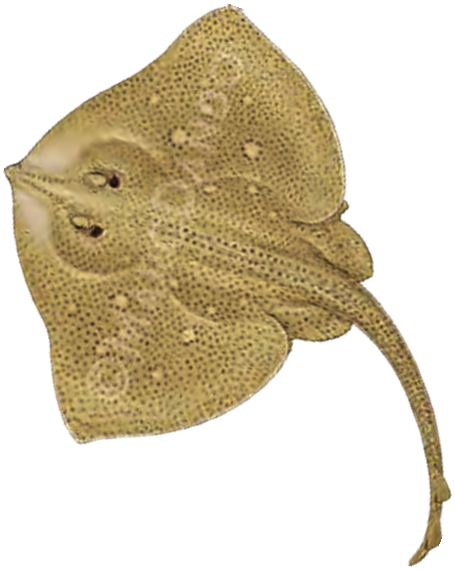
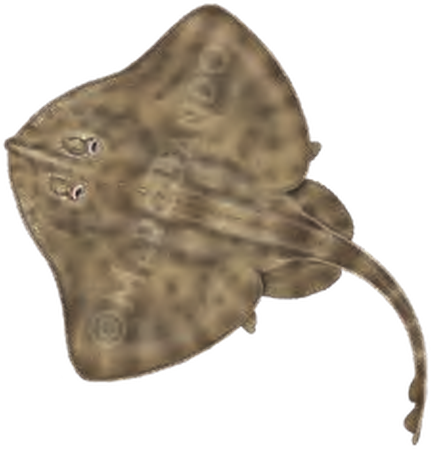
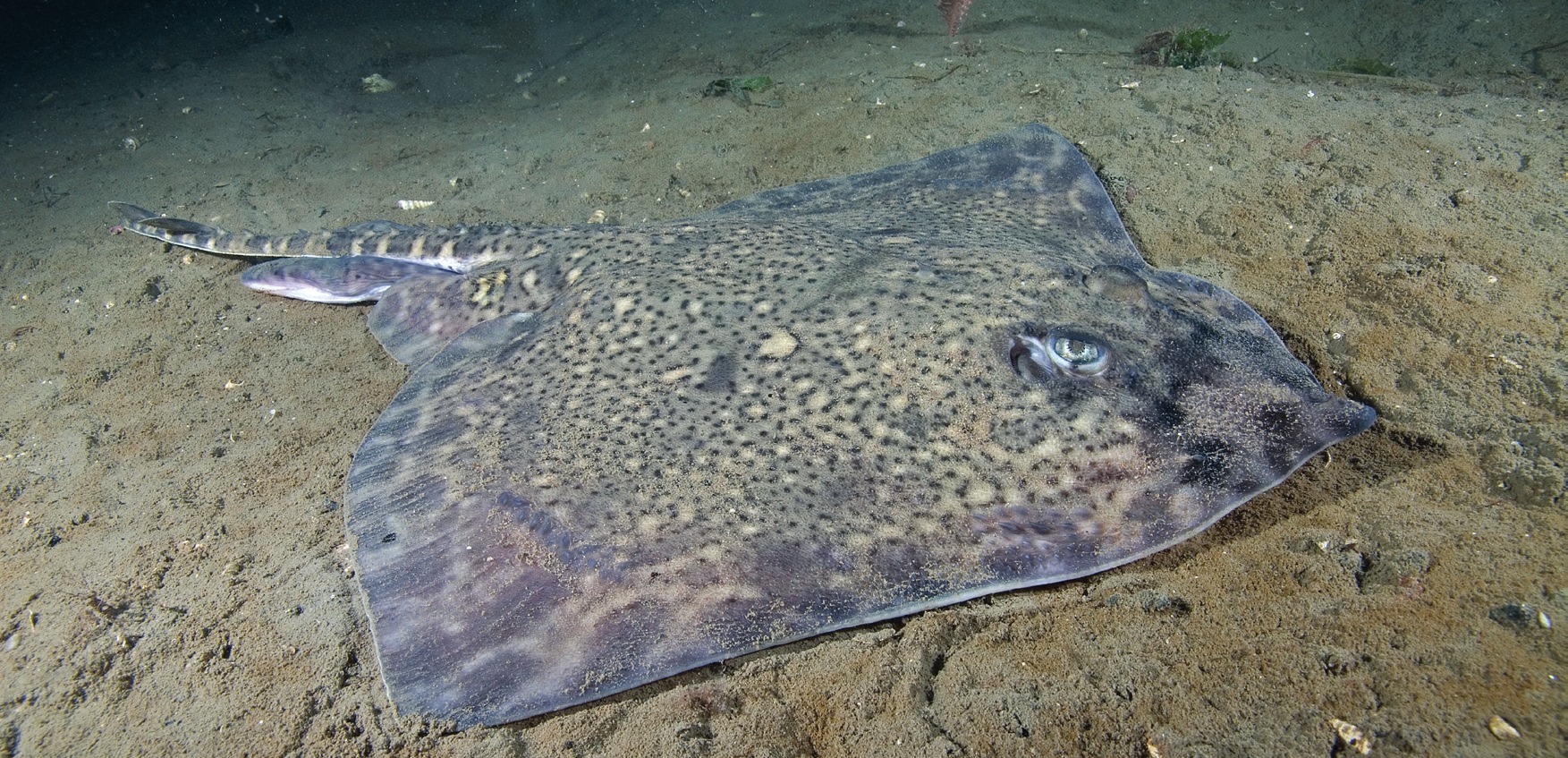
The Thornback Ray can be recognised by the line of thorns on its back and tail, and the blotchy brown/grey pattern over its dorsal side.
- What they eat
- Crustaceans, sand eels and small fish.
- Also known as
- THORNBACK RAY, Thornback Skate, Roker, Maiden Ray, Hardback, Nagelrochen (DEU), Raya de Clavos (ESP), Raie Bouclée (FRA), Razza Spinusa (ITA), Stekelrog (NLD), Raia Lenga (PRT).
How to identify
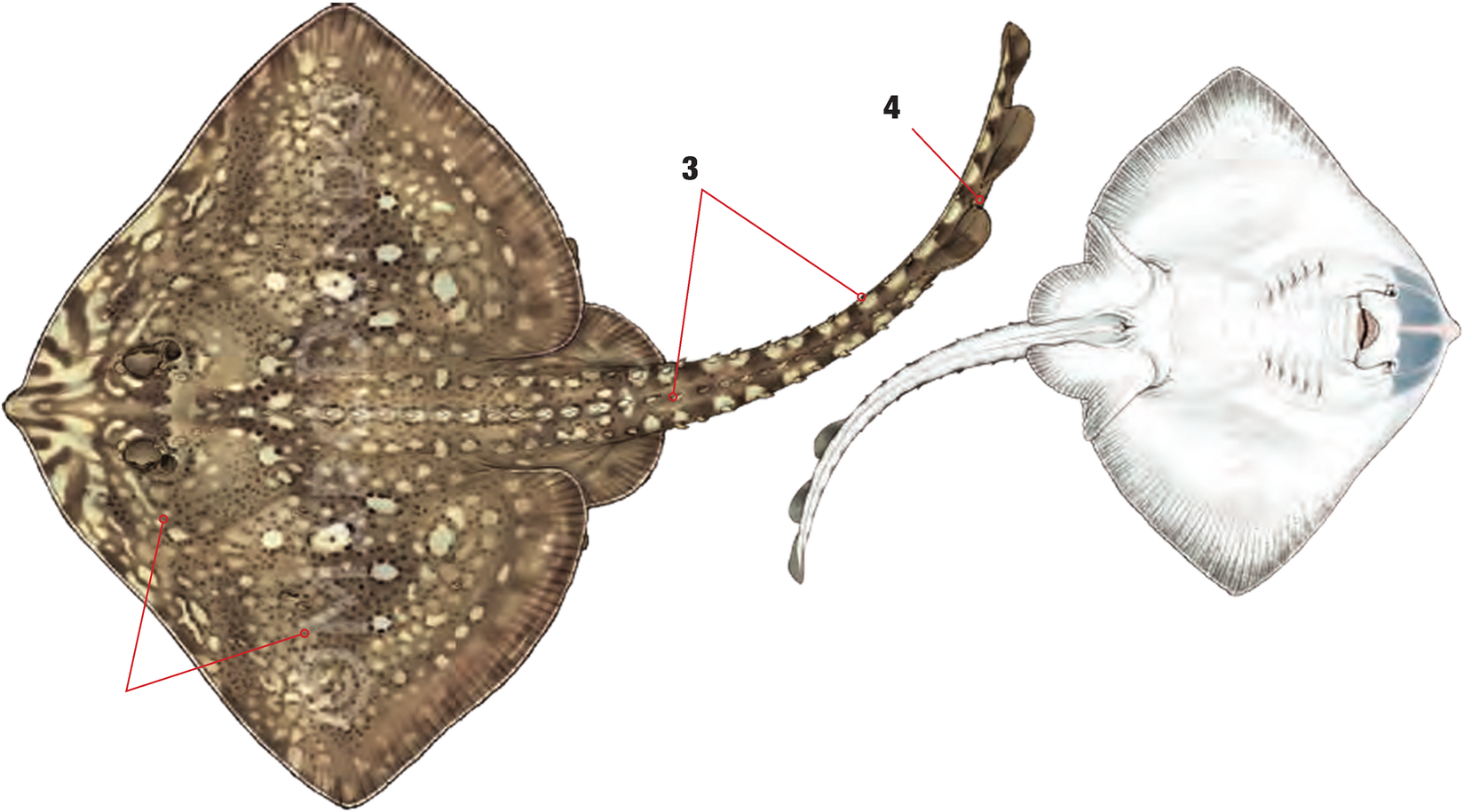
The numbers match the arrows on the illustration.
- Scattered dorsal buckler thorns, occasionally on ventral side.
- Dorsal surface entirely spinulose with varying number of thorns.
- Median row of 30–50 thorns. Lateral rows of hooked thorns in large specimens.
- 0–1 interdorsal thorns.
Colouring & markings
- Dorsal surface highly variable. Dark brown to light grey with marbled pattern and light and dark spots and blotches, sometimes with an eye-spot pattern. Plain specimens have been recorded.
- Ventral surface creamy white often with grey margins on posterior edge of the disc and pelvic fins.
- Tail with alternating light and dark bands.
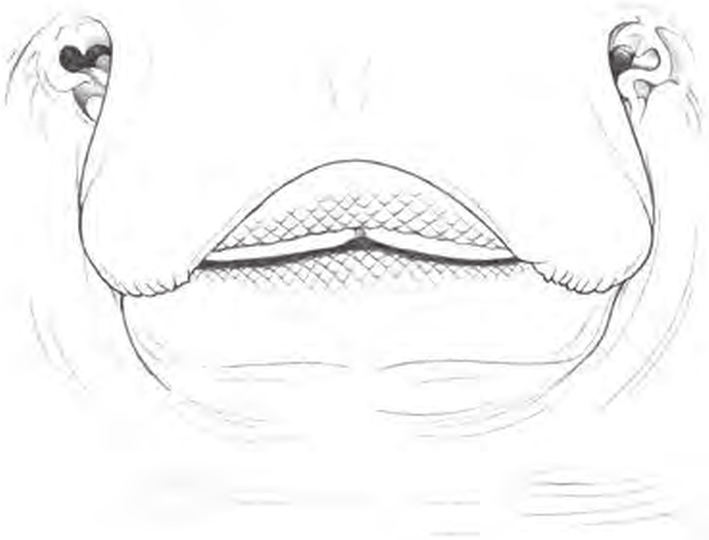
Teeth
Blunt teeth set in pavement pattern in juveniles and females. Teeth more elongated, sharp and set in parallel rows in mature males. Upper jaw: 36–44.
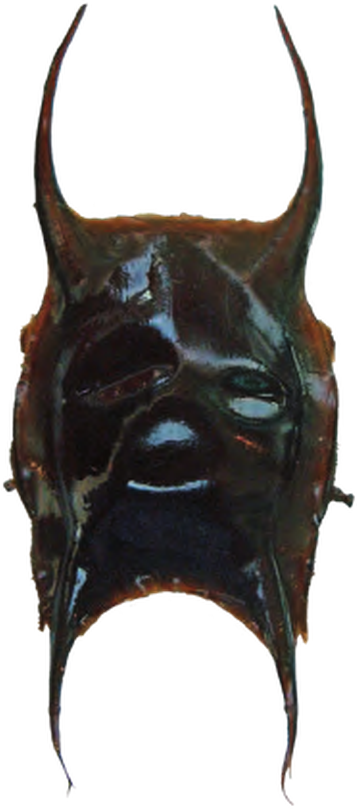
Eggcase
33–69mm wide. 33–83mm long (excl. horns). Almost as wide as long. Obvious keels and fields. Similar eggcase to the Blonde Ray, Raja brachyura.
How big do they get?
Where they live
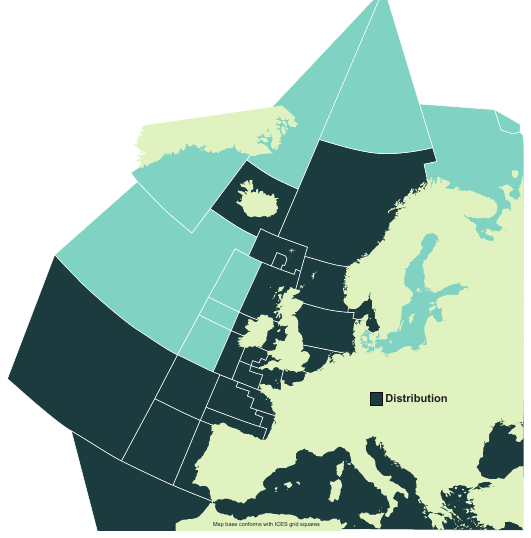
Distribution
Widespread across the Eastern Atlantic from Iceland to Norway and south to South Africa including the Azores, Canary Islands and Madeira. Found in the Mediterranean Sea and western Black Sea.
Habitat
Demersal from 10–300m. Found inshore and on the continental shelf and upper slopes over a variety of substrates including sand, mud and gravel. Adults make seasonal inshore migrations for mating and egglaying purposes.
In the wild
-
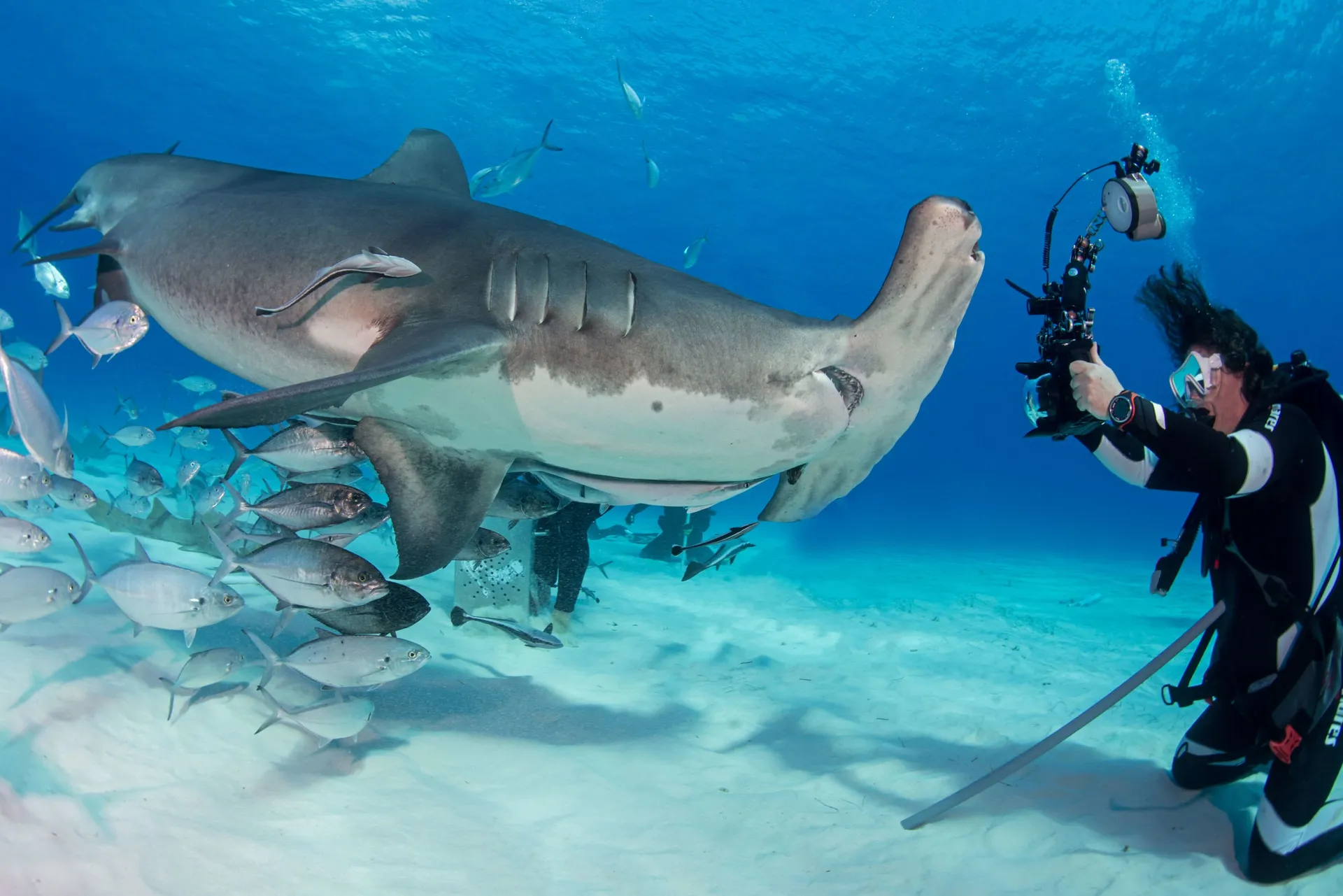
Recorded on a Shark Trust survey dive -
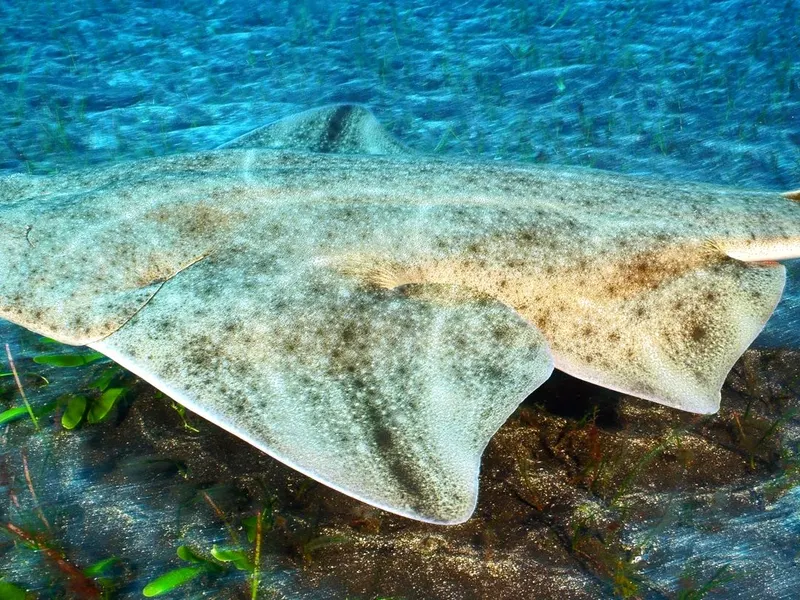
Resting on a sandy seabed -
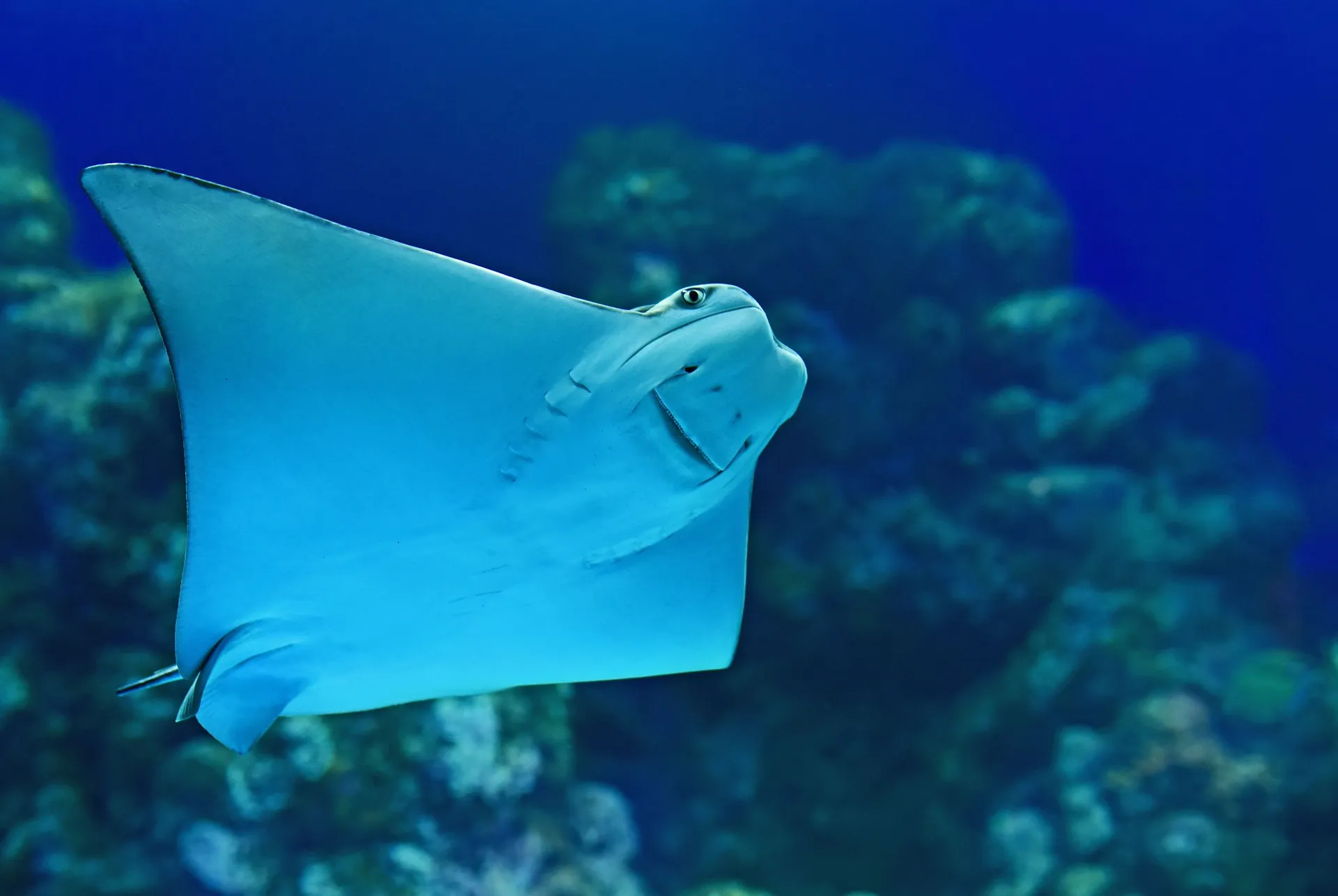
Cruising close to the sea floor -
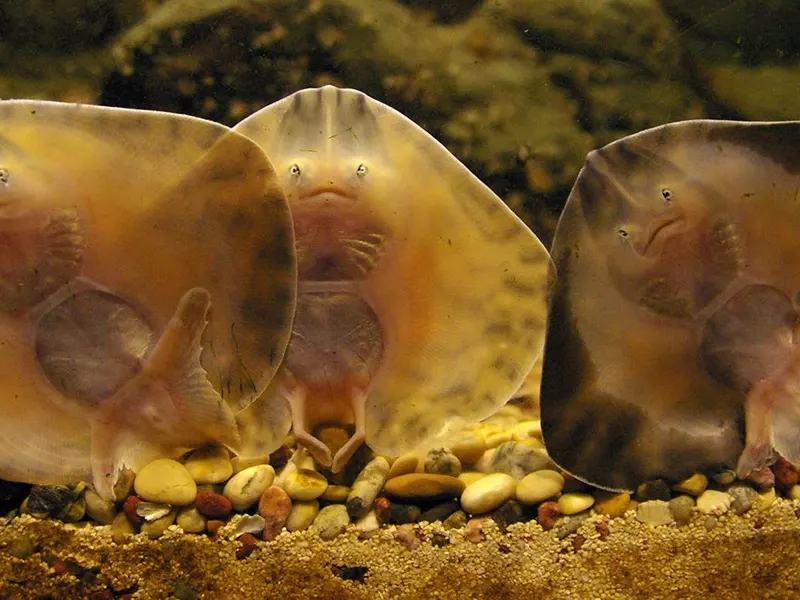
In the shallows at dusk -
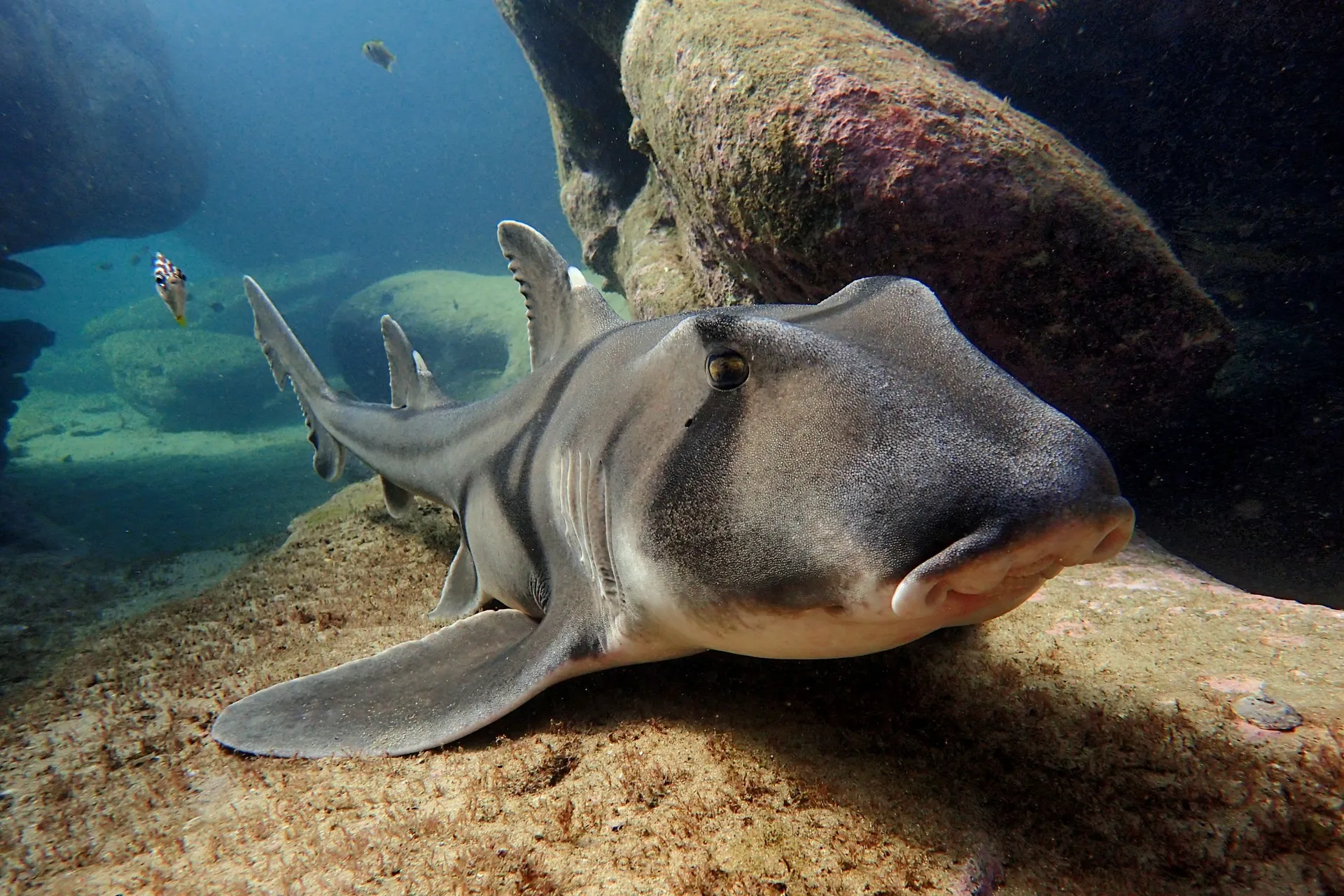
Sheltering on the reef
Go deeper
Size & biology
- Birth: 10–13cm.
- Matures: female 60–85cm; male 60–77cm.
- Max. TL: female 110cm, exceptionally 130cm; male 105 cm.
- Age at maturity: 7–8 years. Max. age est.: female 15 years; male 12 years.
- Oviparous, females produce ≤150 eggcases annually.
- Eggcases are laid in shallow areas with incubation lasting 4–6 months.
- Diet consists of crustaceans and teleosts.
Conservation status
IUCN Red List: Global: Near Threatened (2016) Europe: Near Threatened (2016) Mediterranean: Near Threatened (2016) A widespread species in the Eastern Atlantic. Research from scientific trawls indicates an increase in catch rates in some areas, but evidence of longer- term reduction in geographical range in parts of the Northeast Atlantic.
Management
Subject to prohibitions and regulations under the CFP.
Commercial importance
Targeted by longline and gillnet fisheries, common bycatch in beam and trawl fisheries. Popular with recreational anglers.
References & further reading
Assessment: RJC/NEA/2020
- Ebert & Stehmann.
- Ellis, J.
- Ellis et al.
- Last et al.
- Kadri et al.
- Gordon et al.
- Hunter et al.
- STECF.