Shagreen Ray
Leucoraja fullonica (Linnaeus, 1758)
Vulnerable- Maximum length
- 1.2 m
- Depth range
- From 30 to 550m.
- FAO code
- RJF
Meet the Shagreen Ray
- Also known as
- SHAGREEN RAY, Shagreen Skate, Fuller´s Ray, Fuller´s Shagreen Ray, Rough Flapper, French Ray, Chagrinrochen (DEU), Raya Cardadora (ESP), Raie Chardon (FRA), Razza Spinosa (ITA), Kaardrog (NLD), Raia Pregada (PRT).
How to identify
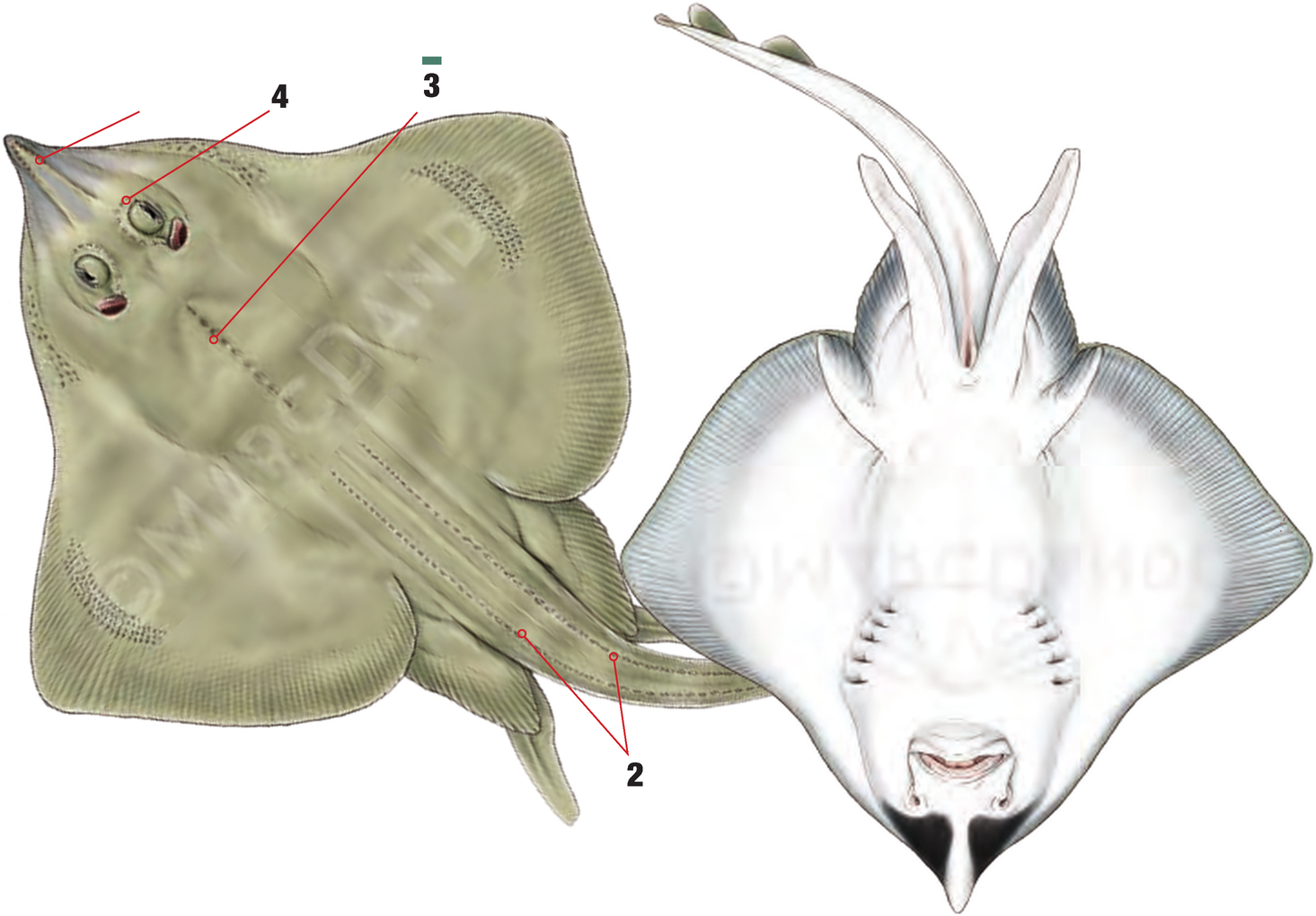
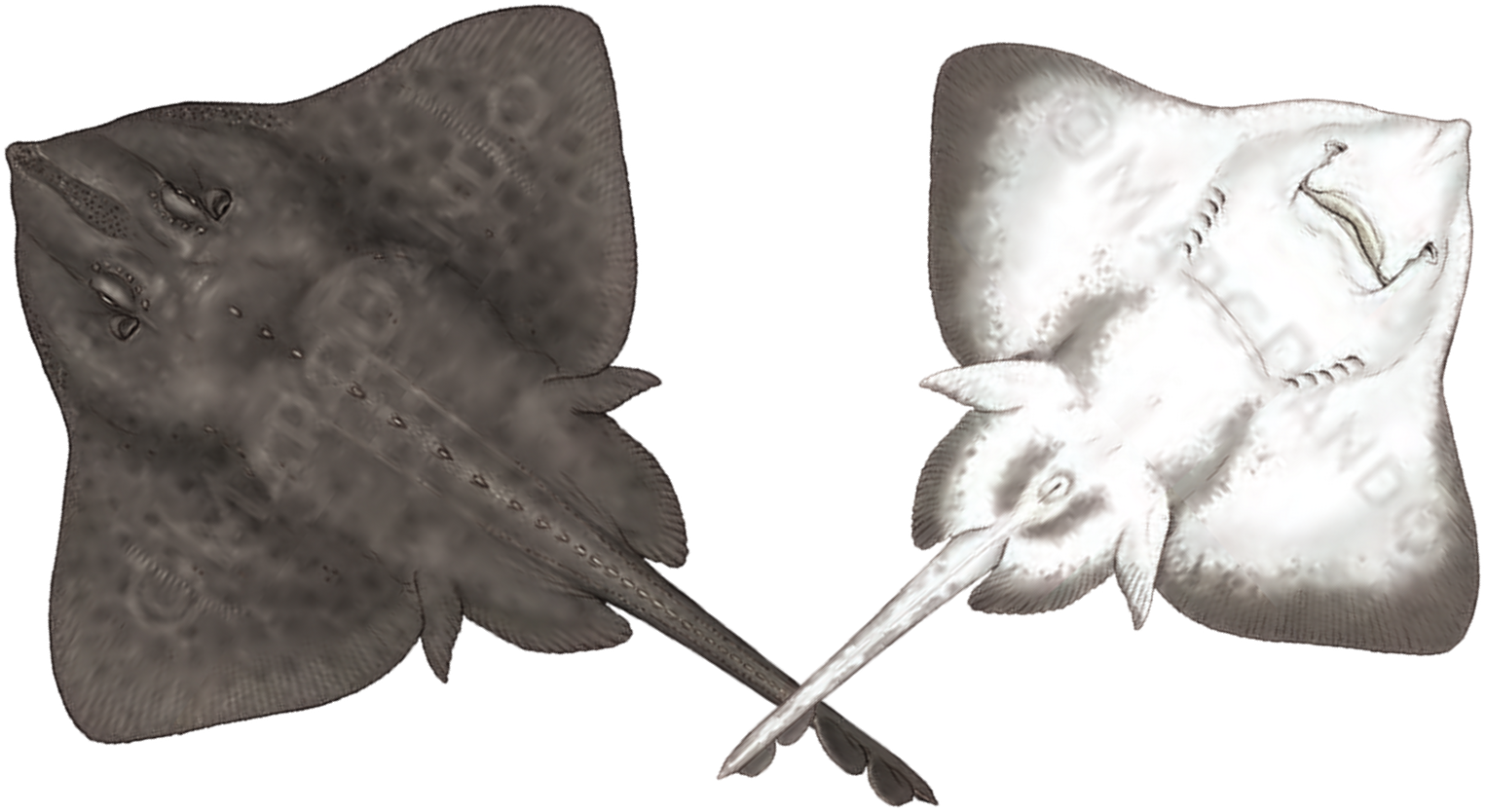
The numbers match the arrows on the illustration.
- Pronounced snout.
- 2 rows of ~50 large thorns either side of the midline to first dorsal fin.
- 3–9 thorns in longitudinal row on upper part of head.
- ~8 distinct orbital thorns.
Colouring & markings
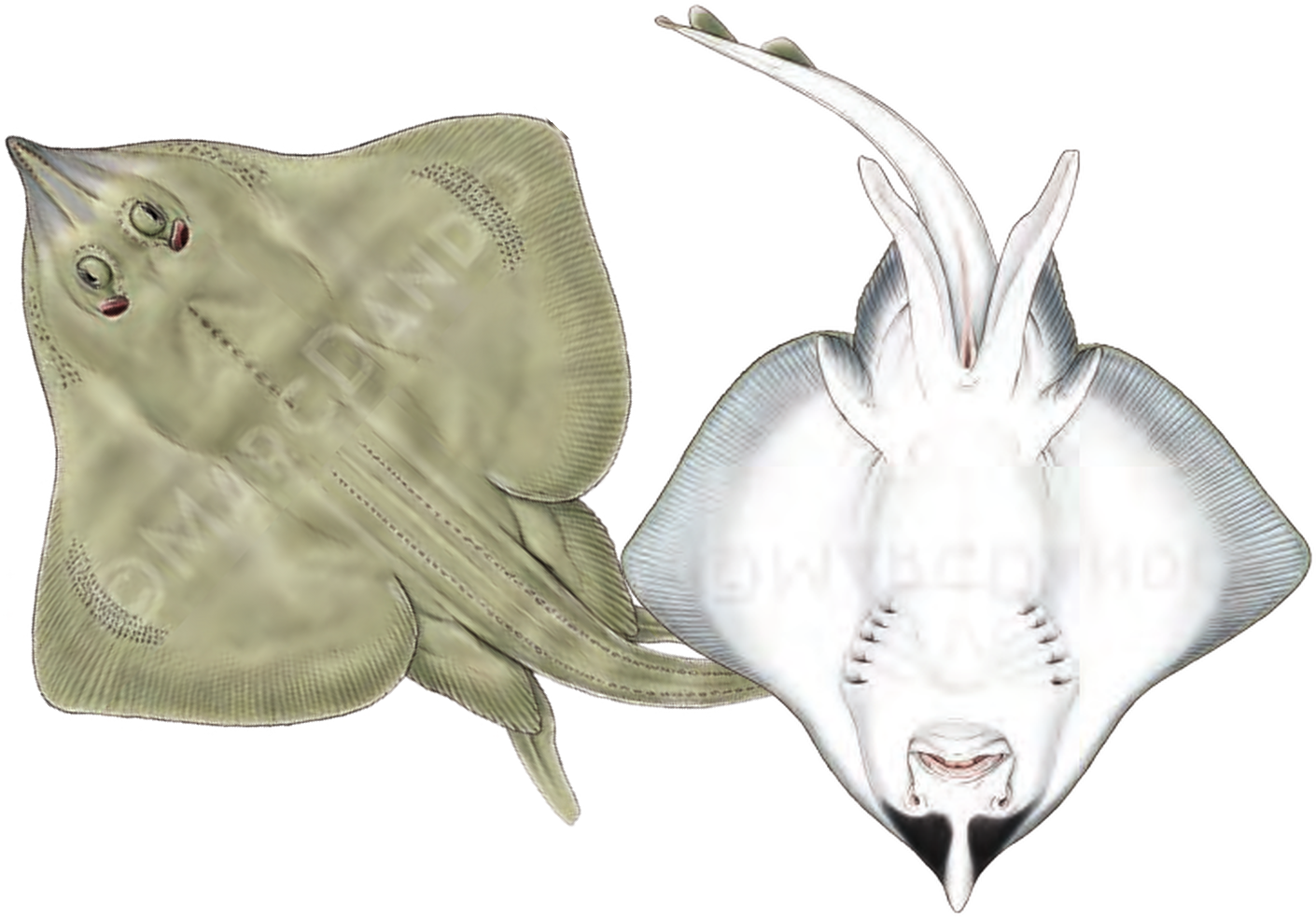
- Solid ash grey/brown.
- Inconspicuous darker lines may run across body, more pronounced in younger individuals.
- Ventral surface white with light grey margins on wings and anterior pelvic fins.
Teeth
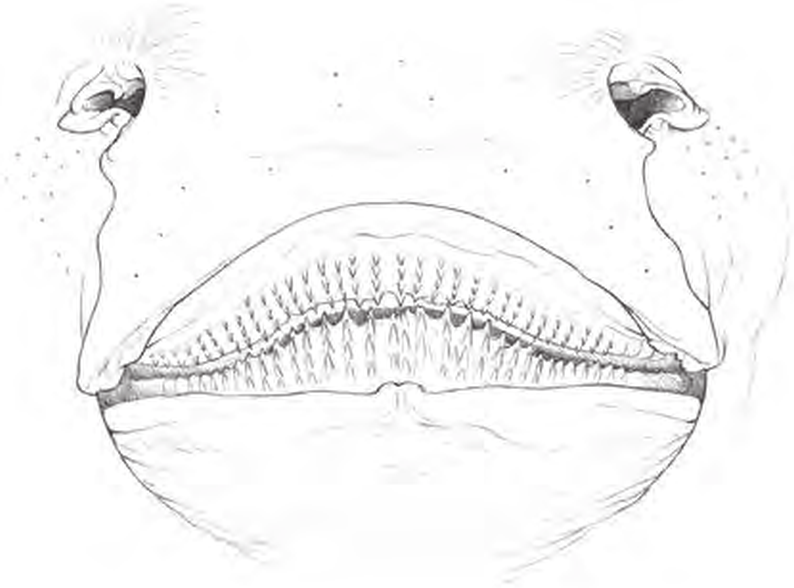
Pointed teeth. Teeth set in parallel rows in larger specimens. Upper jaw: 58–68.
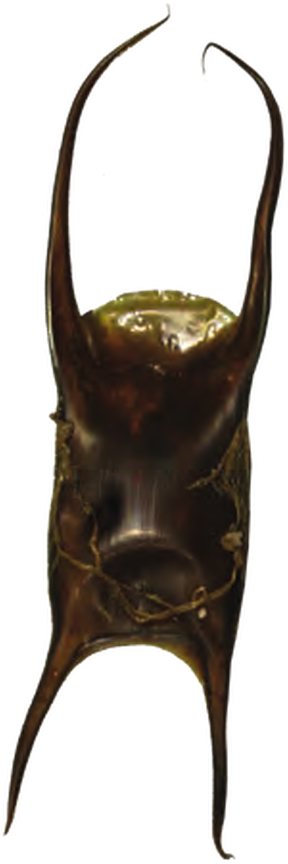
Eggcase
Lynghammar 45–67mm wide. 75–89mm long (excl. horns). Anterior horns much longer than Arve posterior horns. Eggcase Similar eggcase to the Sandy Ray, Leucoraja circularis and the Cuckoo Ray, L. naevus.
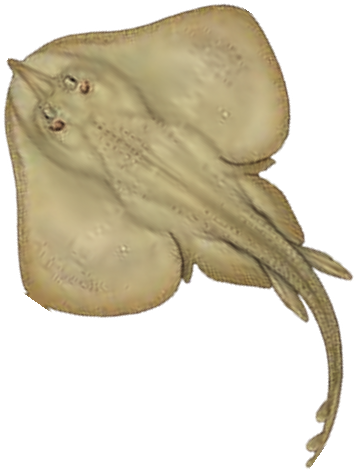
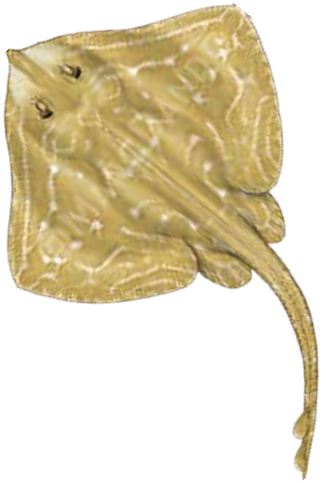
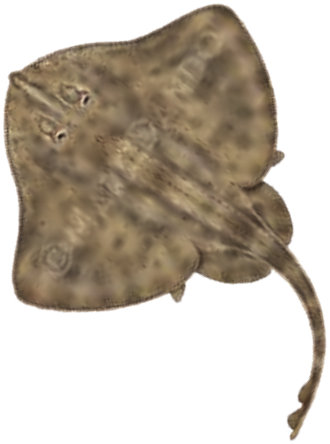
How big do they get?
Where they live
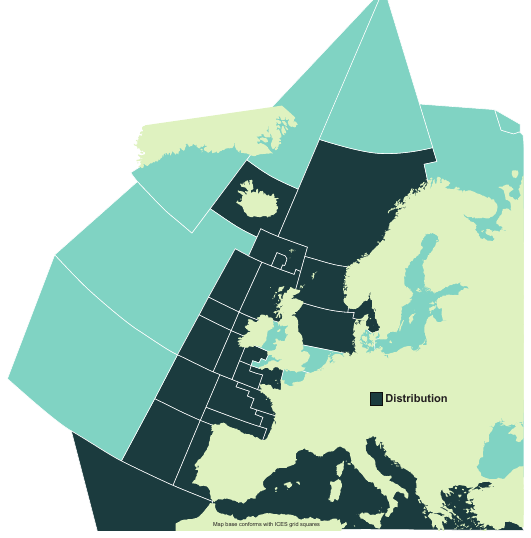
Distribution
Northeast Atlantic from Iceland, Norway and Scotland to northern Morocco and Madeira including the Western Mediterranean Sea.
Habitat
Demersal from 30–550m. Occasionally to 800m in the Mediterranean Sea. Found on the outer continental shelf, upper slope and occasionally inner shelf over a range of substrates.
In the wild
-
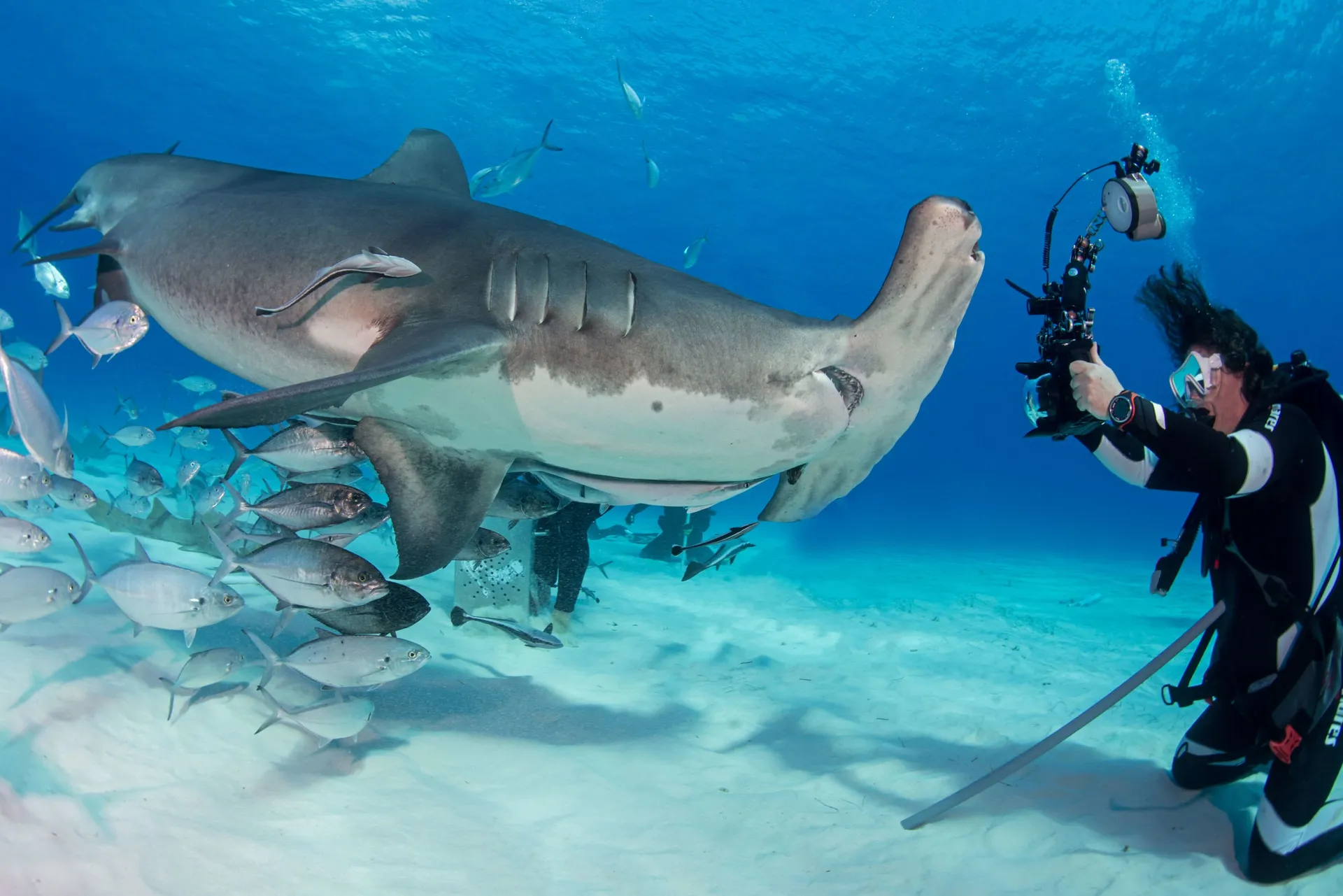
Recorded on a Shark Trust survey dive -
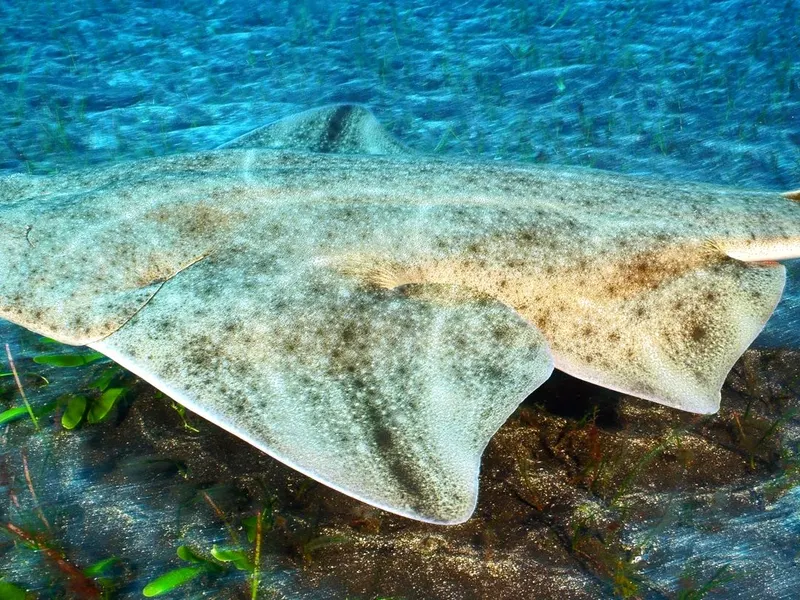
Resting on a sandy seabed -
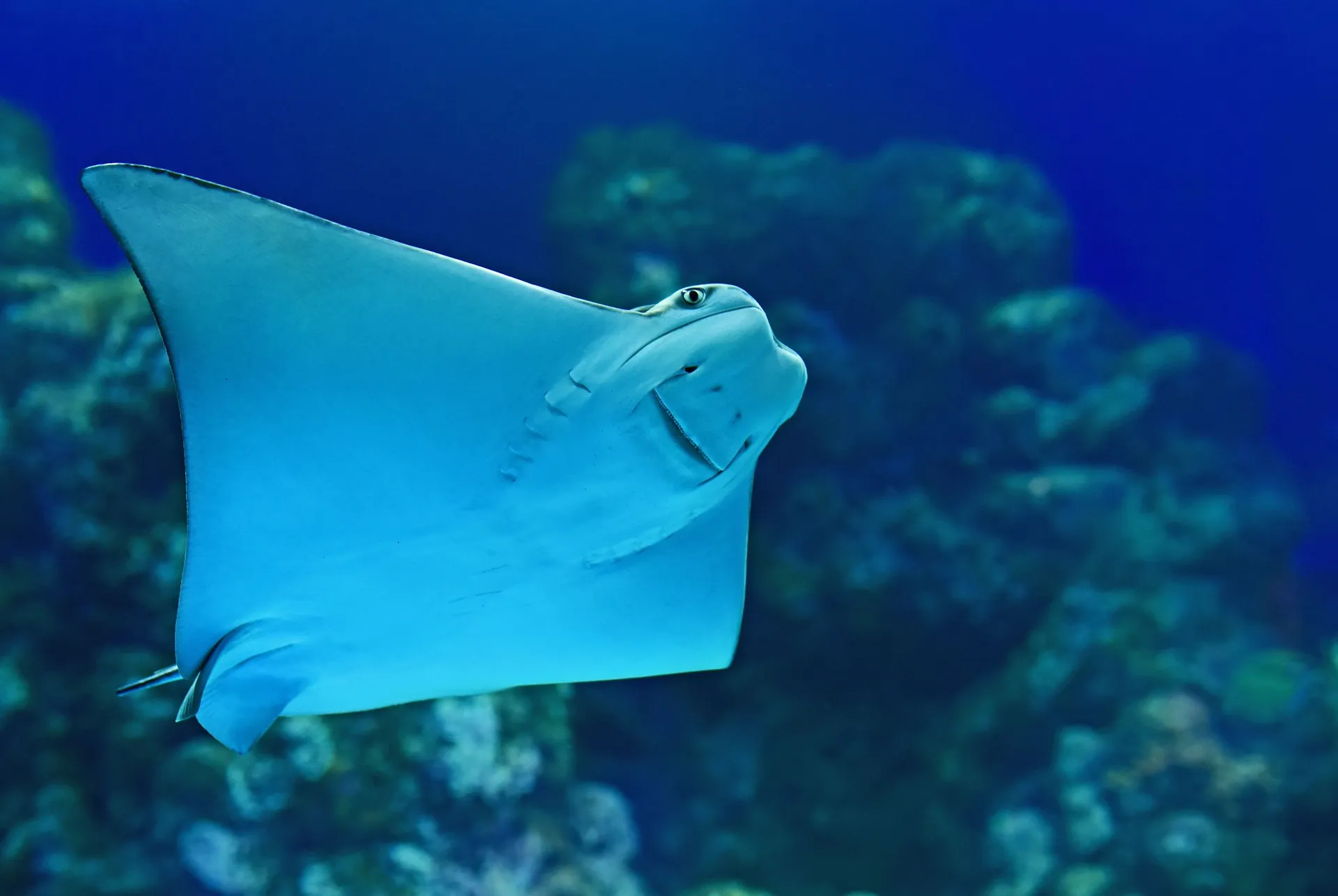
Cruising close to the sea floor -
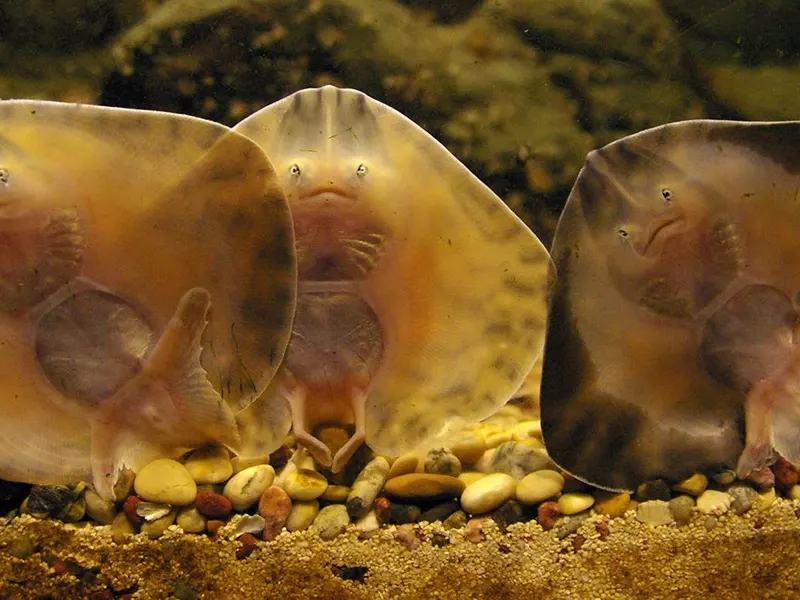
In the shallows at dusk -
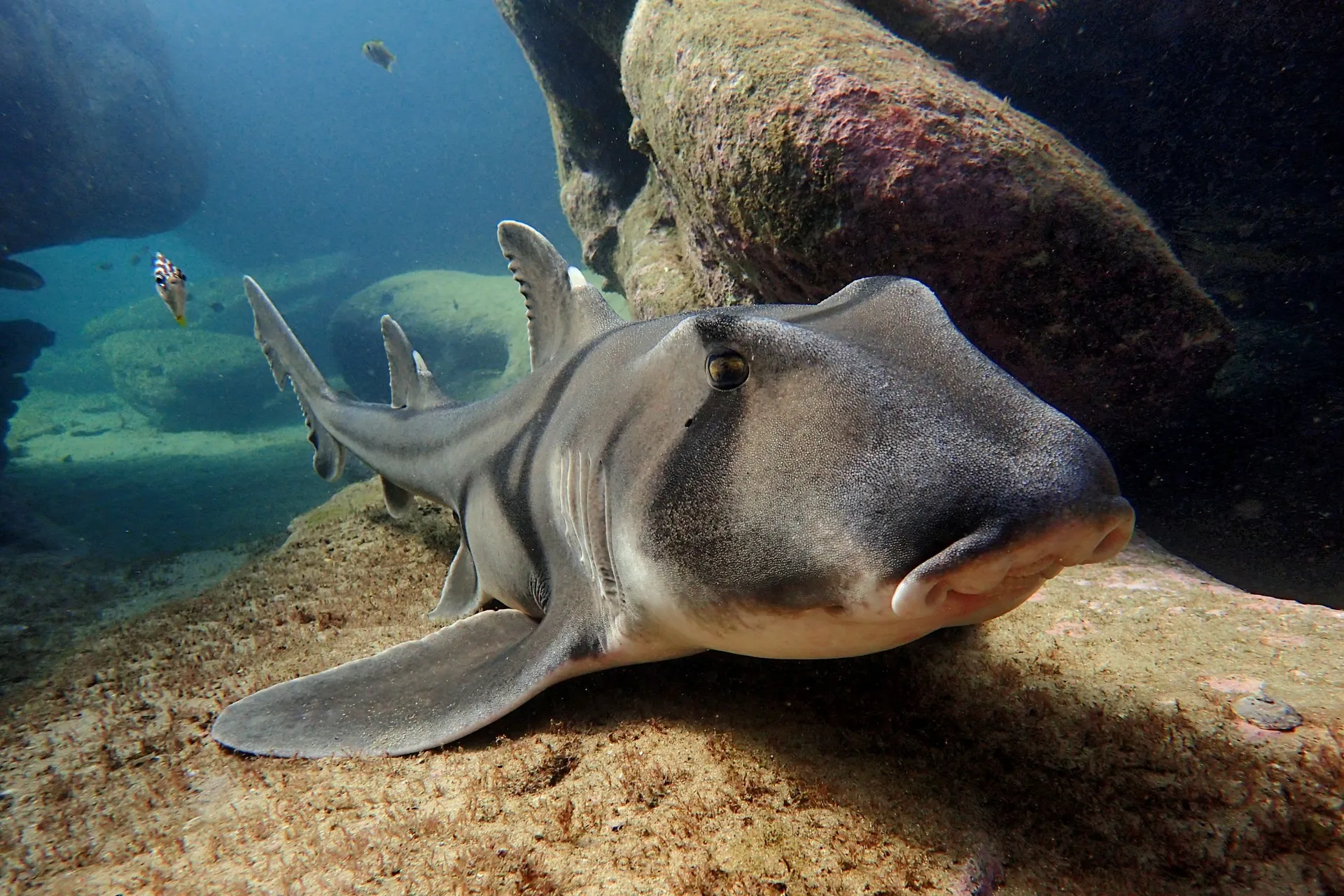
Sheltering on the reef
Go deeper
Size & biology
- Matures: female >82cm; male 75–82cm.
- Max. TL: 120cm.
- Oviparous, little else is known about the biology of the Shagreen Ray.
- Primarily feeds on benthic invertebrates and teleosts. Larger individuals predate on both teleosts and cartilaginous fishes.
Conservation status
IUCN Red List: Global: Vulnerable (2015) Europe: Vulnerable (2015) Mediterranean: Critically Endangered (2016) The large size of this skate at maturity suggests slow life history characteristics make it vulnerable to fishing pressure. Intensive demersal fishing for other species is suspected to have resulted in a decline in the range of this skate.
Management
Subject to regulations under the CFP.
Commercial importance
Not a commercially targeted species but taken as bycatch in multispecies demersal fisheries. Larger specimens are landed and used for human consumption.
References & further reading
Assessment: RJF/NEA/2020
- Last et al.
- McCully & Walls.
- Ebert & Stehmann.
- McCully et al.
- Gordon et al.
- Gibson et al.