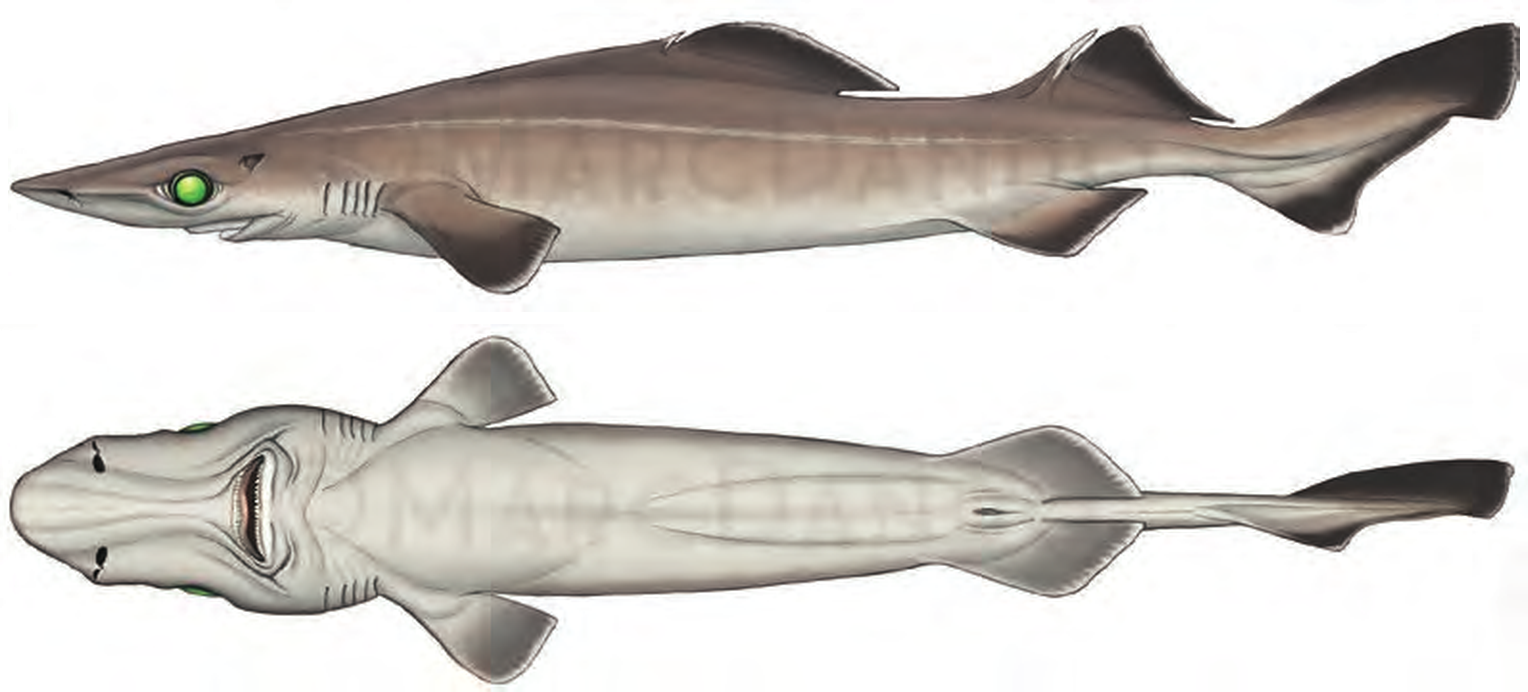
Birdbeak Dogfish
Deania calcea (Lowe, 1839)
Near Threatened- Maximum length
- 1.22 m
- Depth range
- From 400 to 1,500m. Most abundant 75 to 800m in NE Atlantic.
- FAO code
- DCA
Meet the Birdbeak Dogfish
- Also known as
- BIRDBEAK DOGFISH, Brier Shark, Shovelnose Spiny Dogfish, Vogelschnabel-Dornhai (DEU), Tollo Pajarito (ESP), Squale Savate (FRA), Squalo Becco D’uccello (ITA) Spitssnuitsnavelhaai (NLD), Sapata (PRT).
How to identify
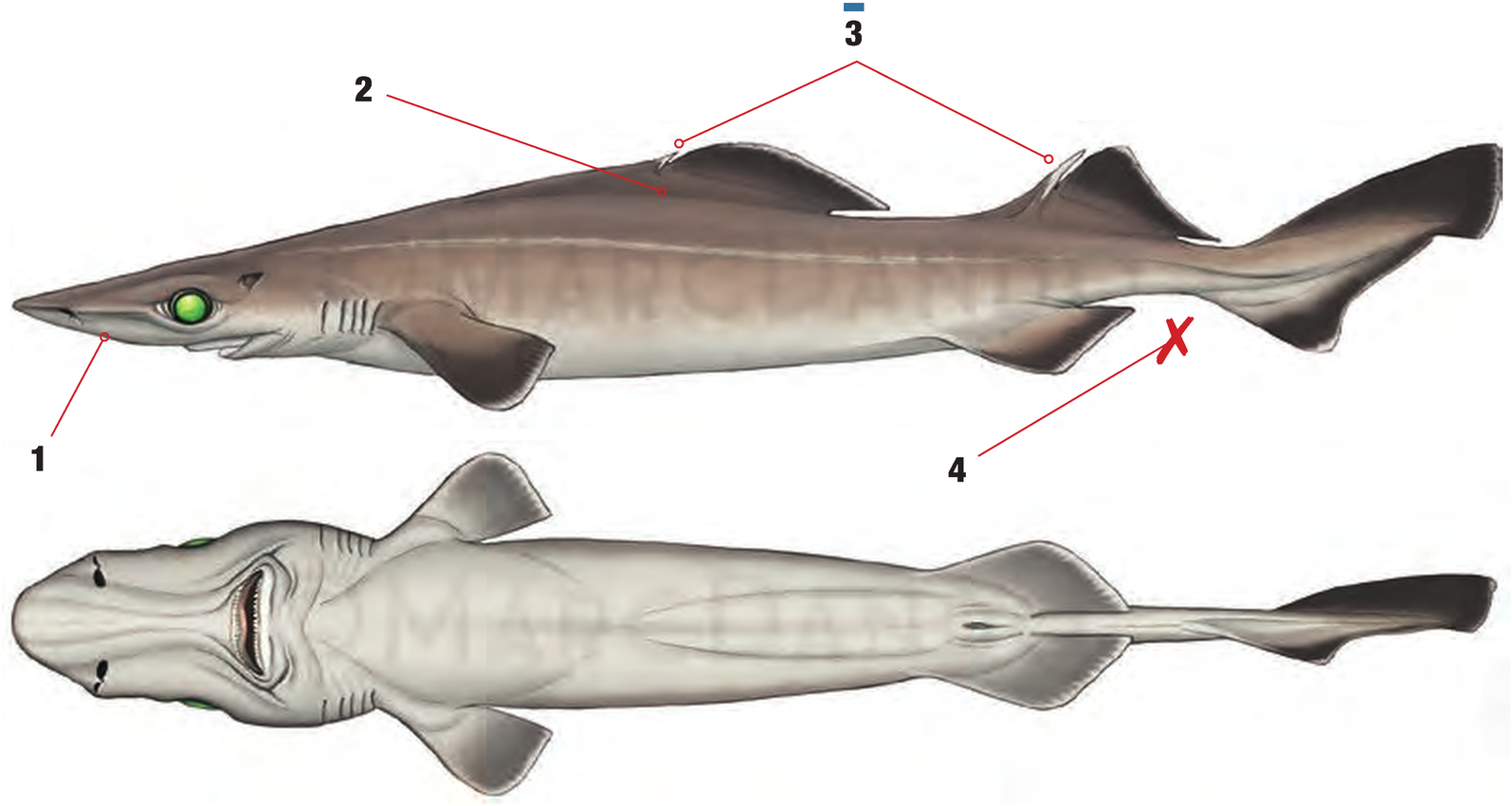
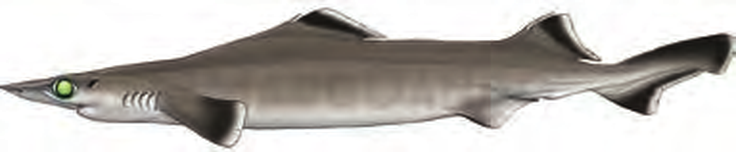
The numbers match the arrows on the illustration.
- Extremely long, compressed snout.
- First dorsal fin low with extended base.
- Second dorsal spine much larger than first dorsal spine.
- No anal fin.
Colouring & markings
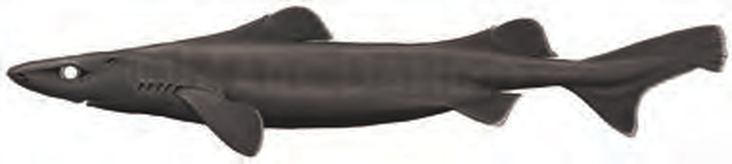
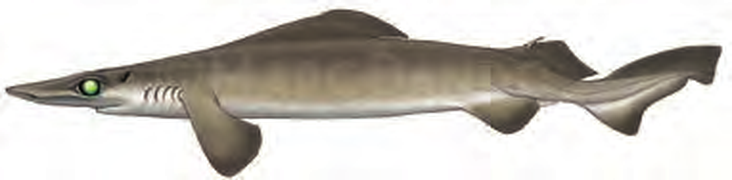
- Uniform grey to dark brown.
- Fins darker but with no patterns or markings.
Teeth
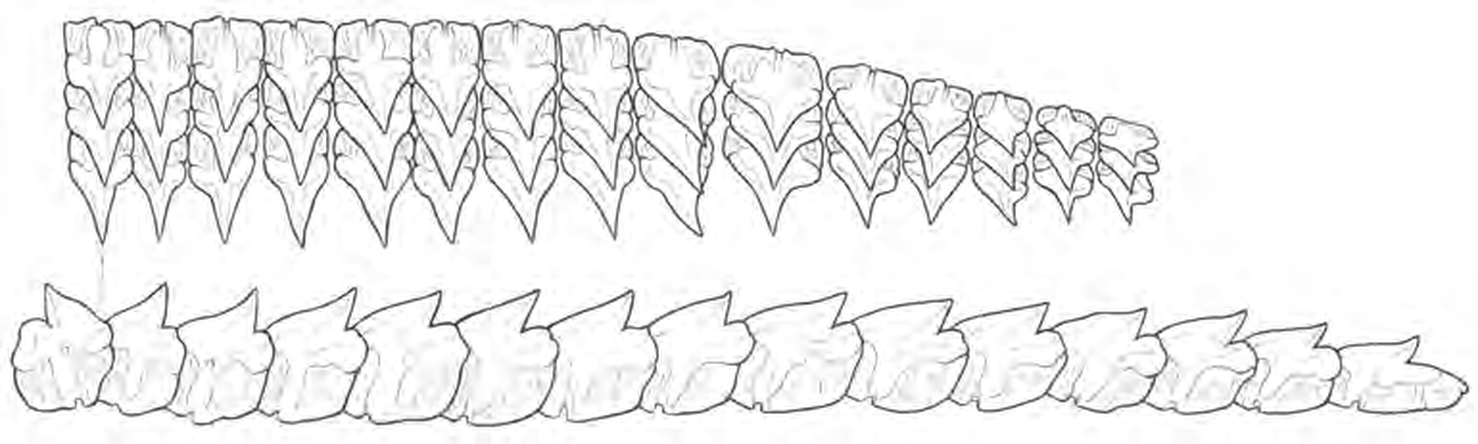
Upper jaw: 25−35; triangular-cusped teeth. Lower jaw: 27−33; compressed ‘blade-like’ cutting teeth.
How big do they get?
Where they live
Distribution
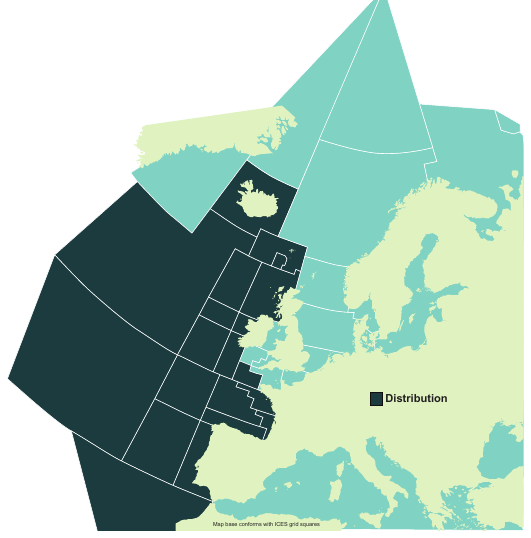
Patchy distribution worldwide. Eastern Atlantic from Iceland, along the Atlantic slope to the Faroe Islands and south to Senegal, Namibia and South Africa. Present in Western Indian, Northwest Pacific and South Pacific Oceans.
Habitat
Found near the bottom or in midwater over the outer continental shelf and slope; from 400−1500m; in Northeast Atlantic most abundant 750−800m. Sometimes found in large groups; segregates by size, sex, and maturity stage, with immature specimens distributed deeper.
In the wild
-
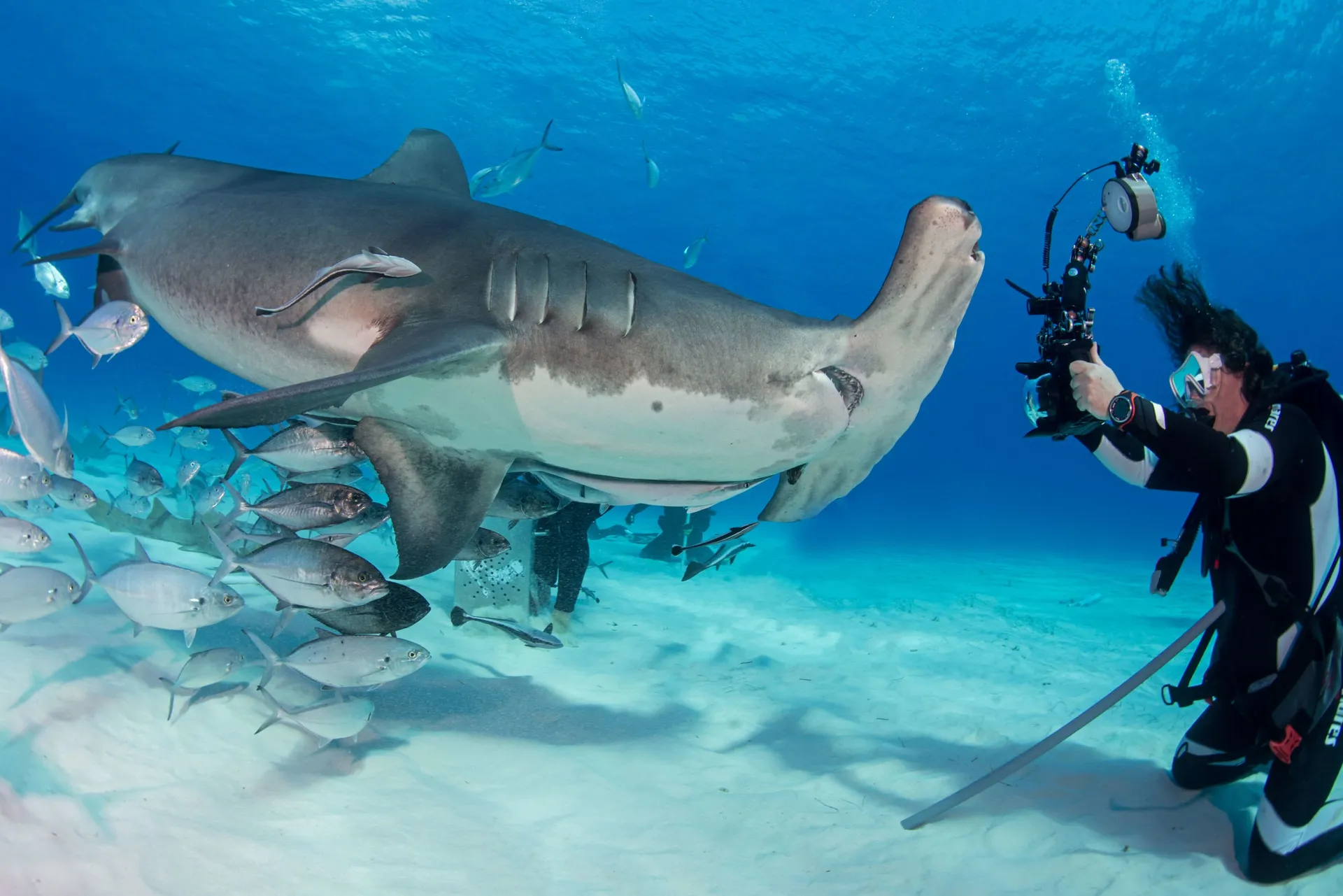
Recorded on a Shark Trust survey dive -
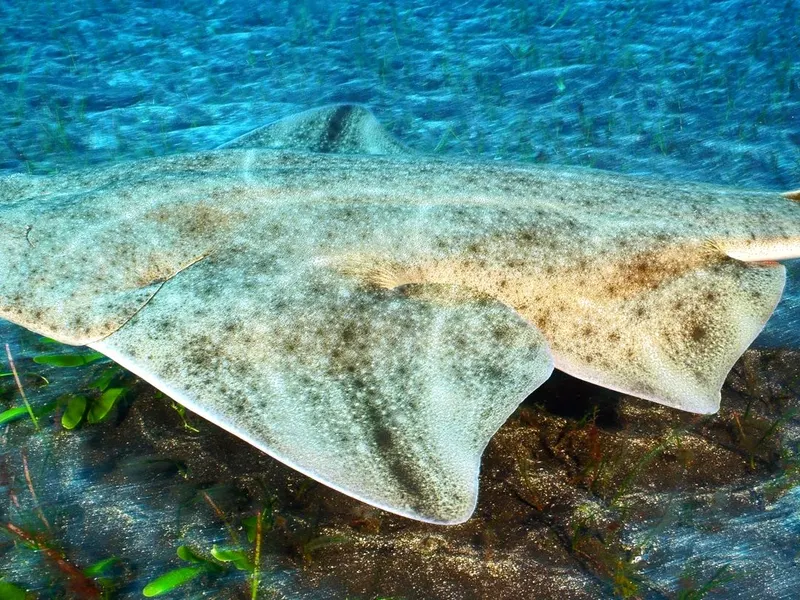
Resting on a sandy seabed -
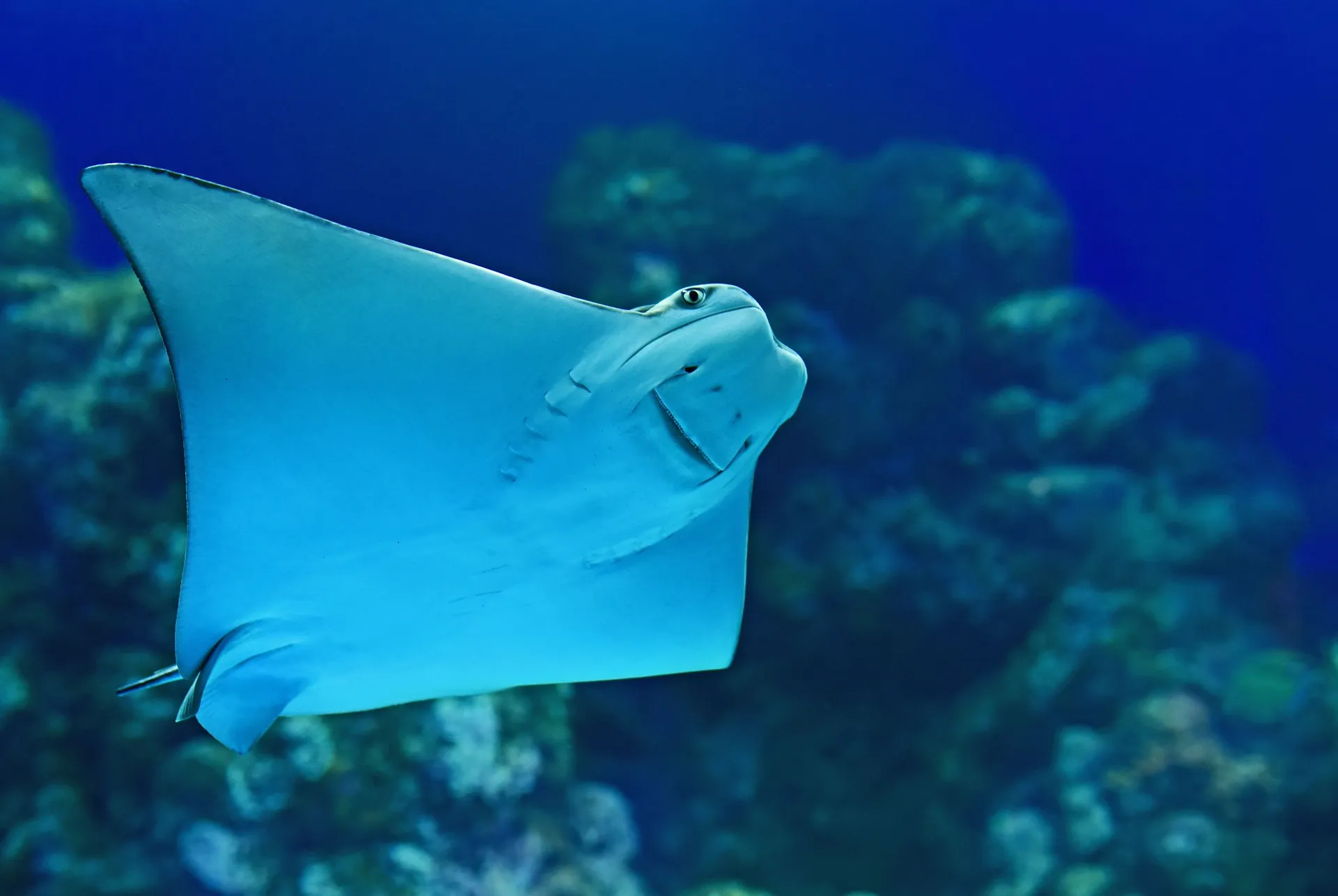
Cruising close to the sea floor -
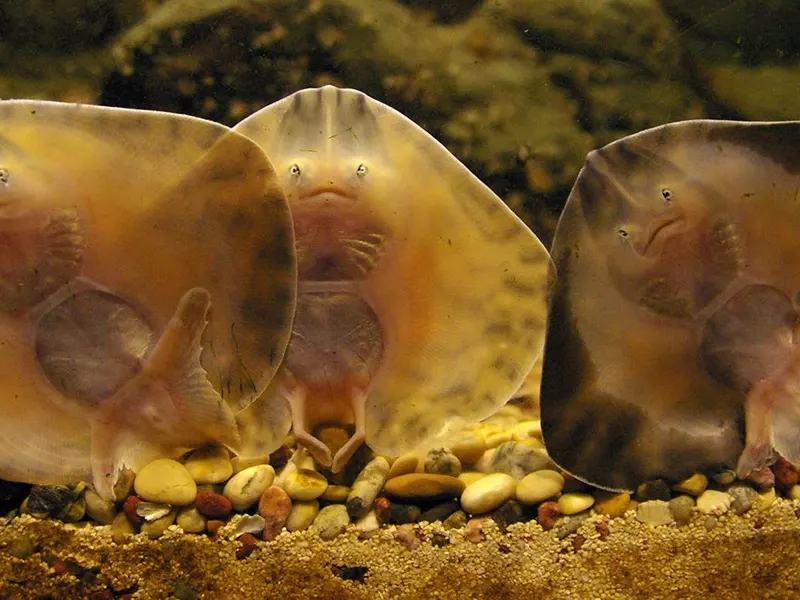
In the shallows at dusk -
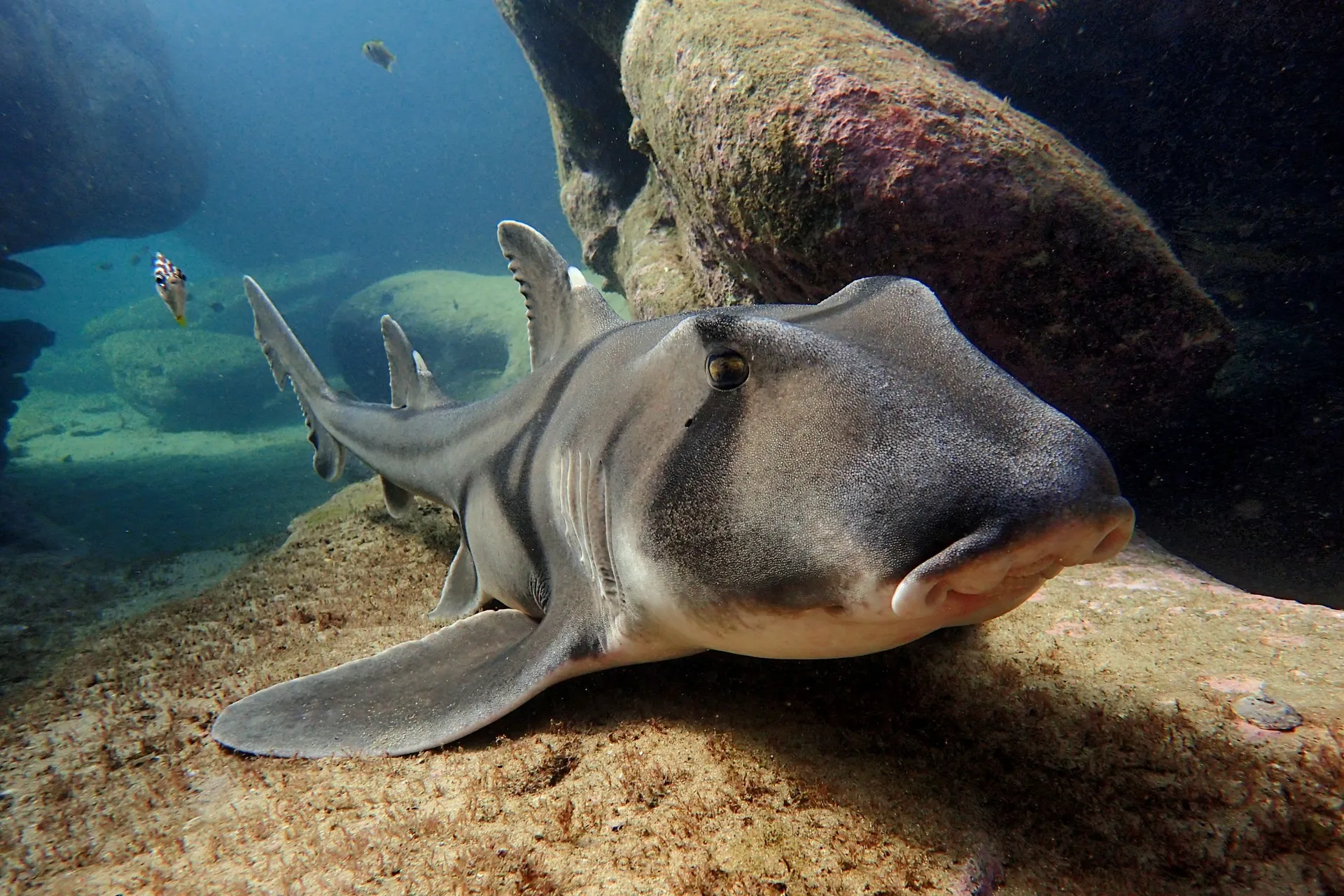
Sheltering on the reef
Go deeper
Size & biology
- Birth: 28−34cm.
- Matures: female 94−106cm; male 73−94cm.
- Max. TL: 122cm.
- Age at maturity: female 25 years; male 17 years. Max. age: 35 years.
- Viviparous; litters of 1−17 pups (avg. 7).
- Diet includes teleost fishes, cephalopods and crustaceans. Lanternfishes (Myctophids) are common prey in South Africa and Australia, suggesting D. calcea feeds well above the seafloor.
Conservation status
IUCN Red List: Global: Least Concern (2003) Europe: Endangered (2015) Slow life history characteristics make this shark particularly vulnerable to overexploitation from deepwater fisheries. Overall historical decline in abundance noted in European waters.
Management
Subject to prohibitions under the CFP, RFMO and additional FNA regulations.
Commercial importance
Caught as bycatch in deepwater trawl, longline and gillnet fisheries. Historically targeted in Northeast Atlantic for squalene-rich liver and meat.
References & further reading
Assessment: DCA/NEA/2020
- Ebert et al.
- Ebert & Stehmann.
- Dureuil, M.
- Stevens, J.
- Rochowski et al.
- Dunn et al.
- Valenzuela et al.
- Moura et al.