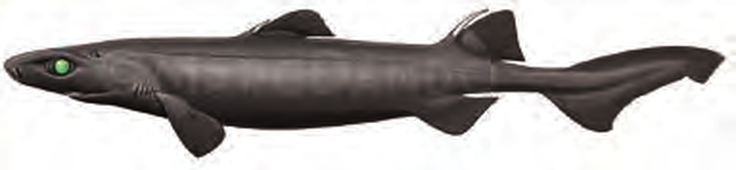
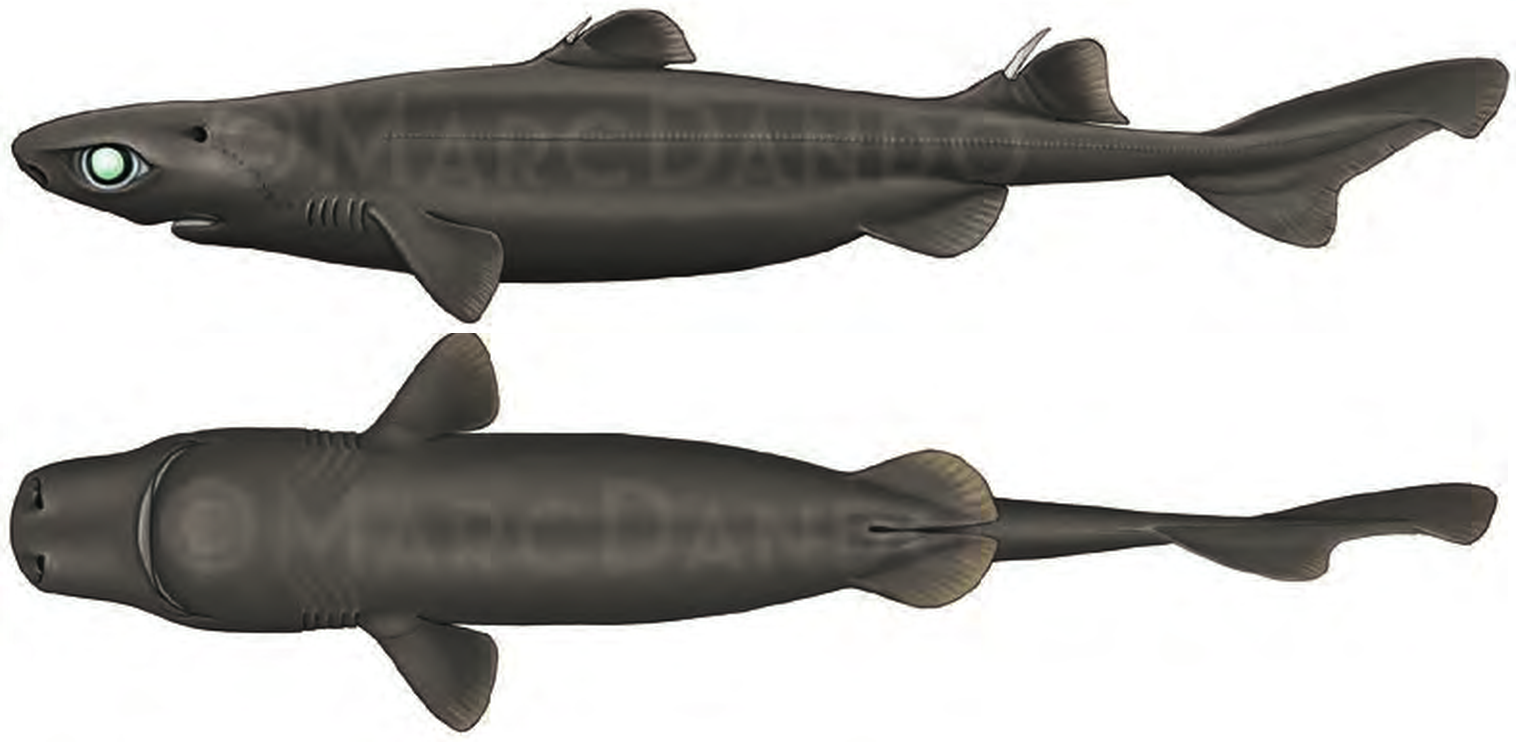
Great Lanternshark
Etmopterus princeps Collett, 1904
Least Concern- Maximum length
- 94 cm
- Depth range
- From 350 to 2,213m on continental slopes. Primarily 800 to 1,000m.
- FAO code
- ETR
Meet the Great Lanternshark
- Also known as
- GREAT LANTERNSHARK, Großer Schwarzer Dornhai (DEU), Tollo Lucero Raspa (ESP), Le Sagre Rude (FRA), Sagrì Atlantico (ITA), Grote Lantaarnhaai (NLD), Lixinha-da-fundura-grada (PRT).
How to identify
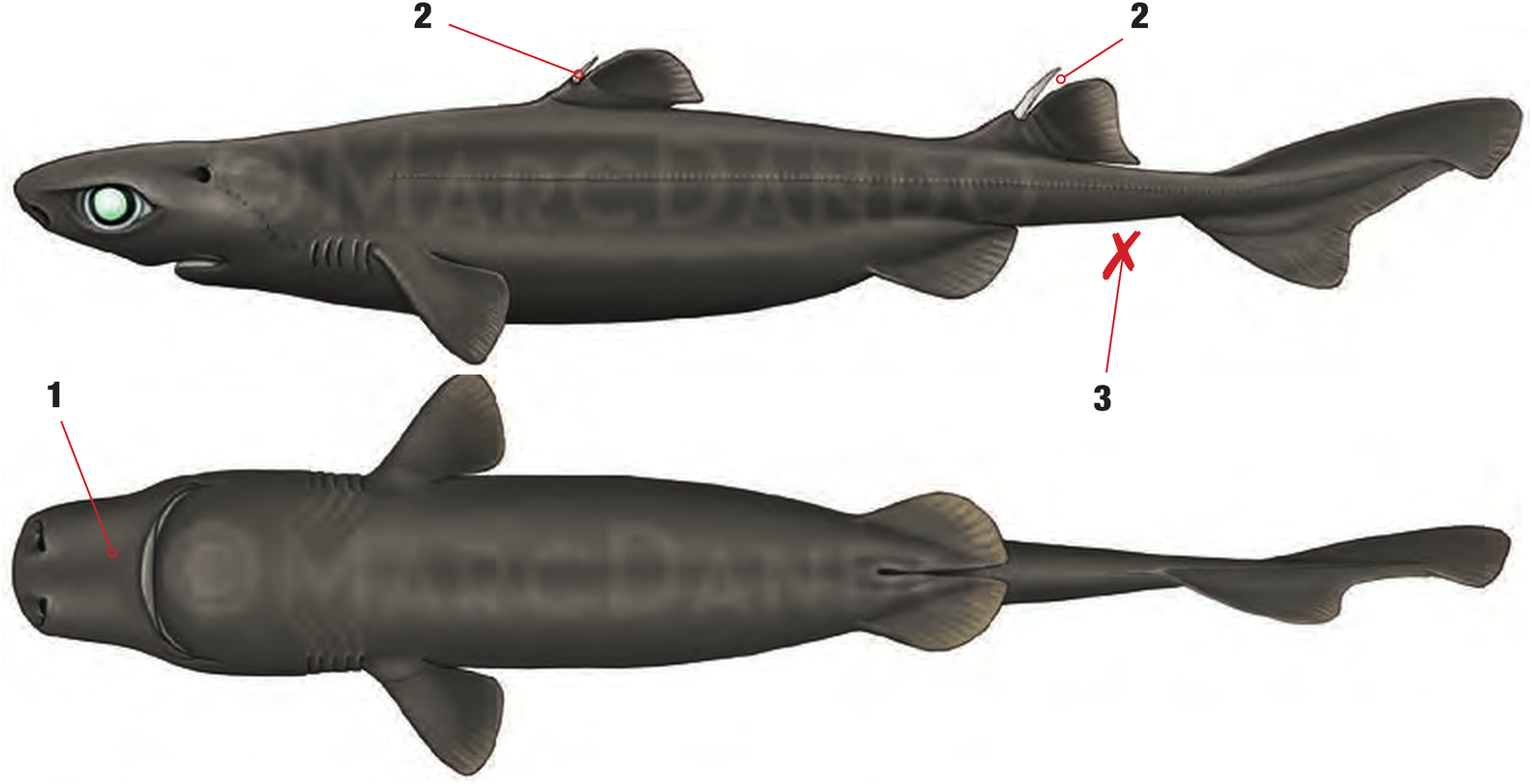
The numbers match the arrows on the illustration.
- One of the larger lantern sharks, heavy-bodied and with a broad head.
- Second dorsal fin larger than first; large fin spines present on both.
- No anal fin.
Colouring & markings
- Large lateral denticles with thick cusps; denticles also cover much of snout.
- Uniform black or blackish brown with no markings.
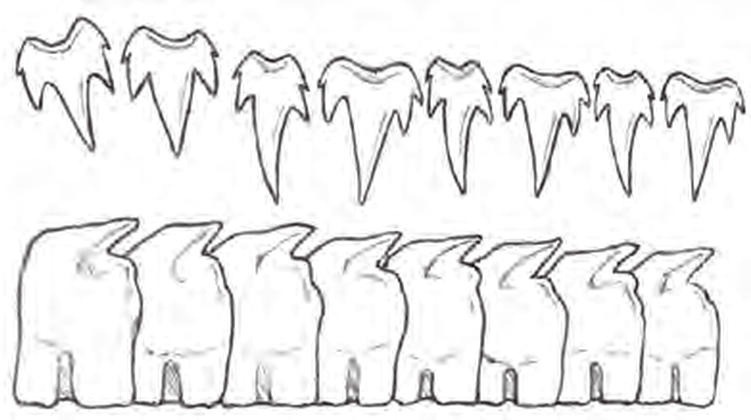
Teeth
Upper jaw: 29–32; five smooth edged cusps on upper Lower jaw: 40–50; lower teeth have oblique cusps.
How big do they get?
Where they live
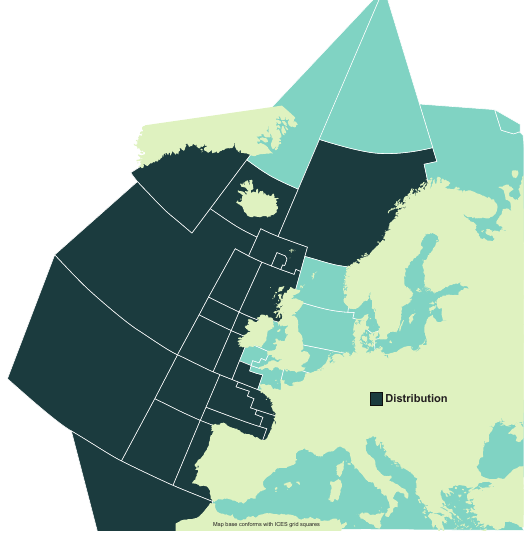
Distribution
Widespread in the North Atlantic. Northeast Atlantic from Greenland and Iceland to North Africa, incl. the Azores and Canary Islands. Found in the Northwest Atlantic from Nova Scotia to New Jersey. Unconfirmed reports from the Western Pacific.
Habitat
Predominantly demersal species found on continental slopes from 350–2,213m; 3,750–4,500m on North Atlantic lower rise. Most abundant at depths of 800–1,000m. Segregates by depth and size: larger specimens occurring in depths <600m, mean size range progressively decreases with increasing depth.
In the wild
-

Recorded on a Shark Trust survey dive -
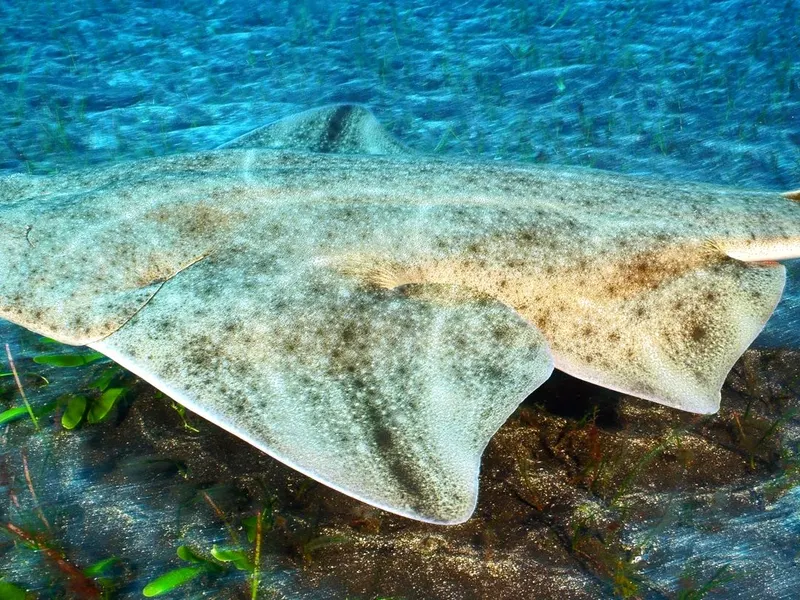
Resting on a sandy seabed -
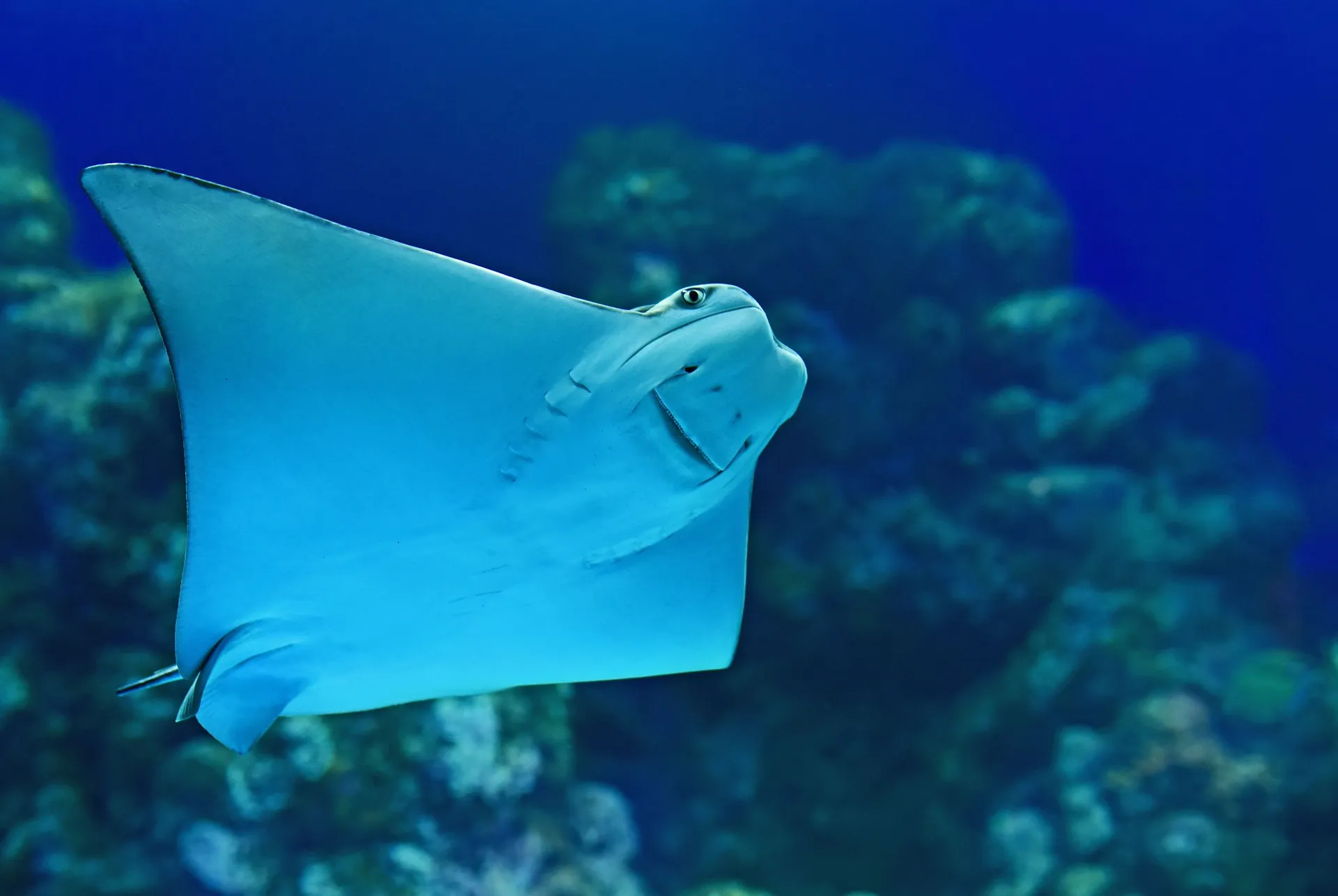
Cruising close to the sea floor -
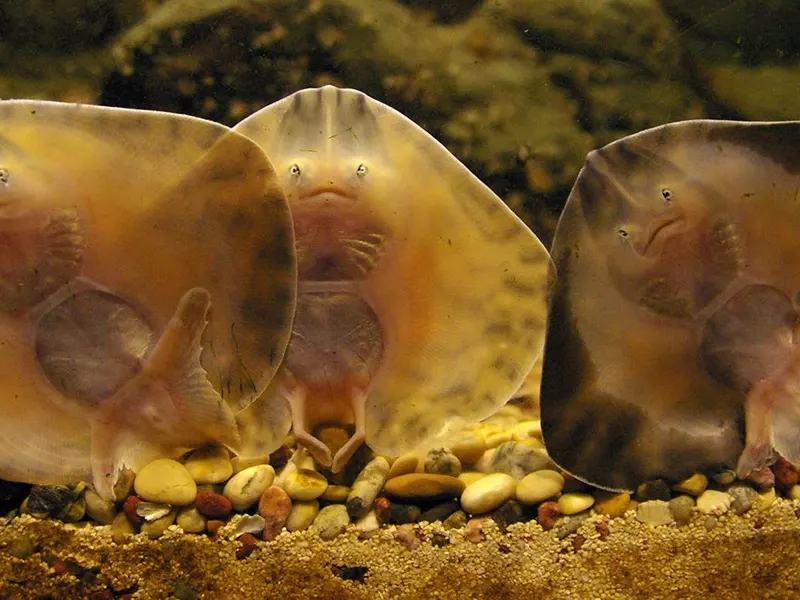
In the shallows at dusk -
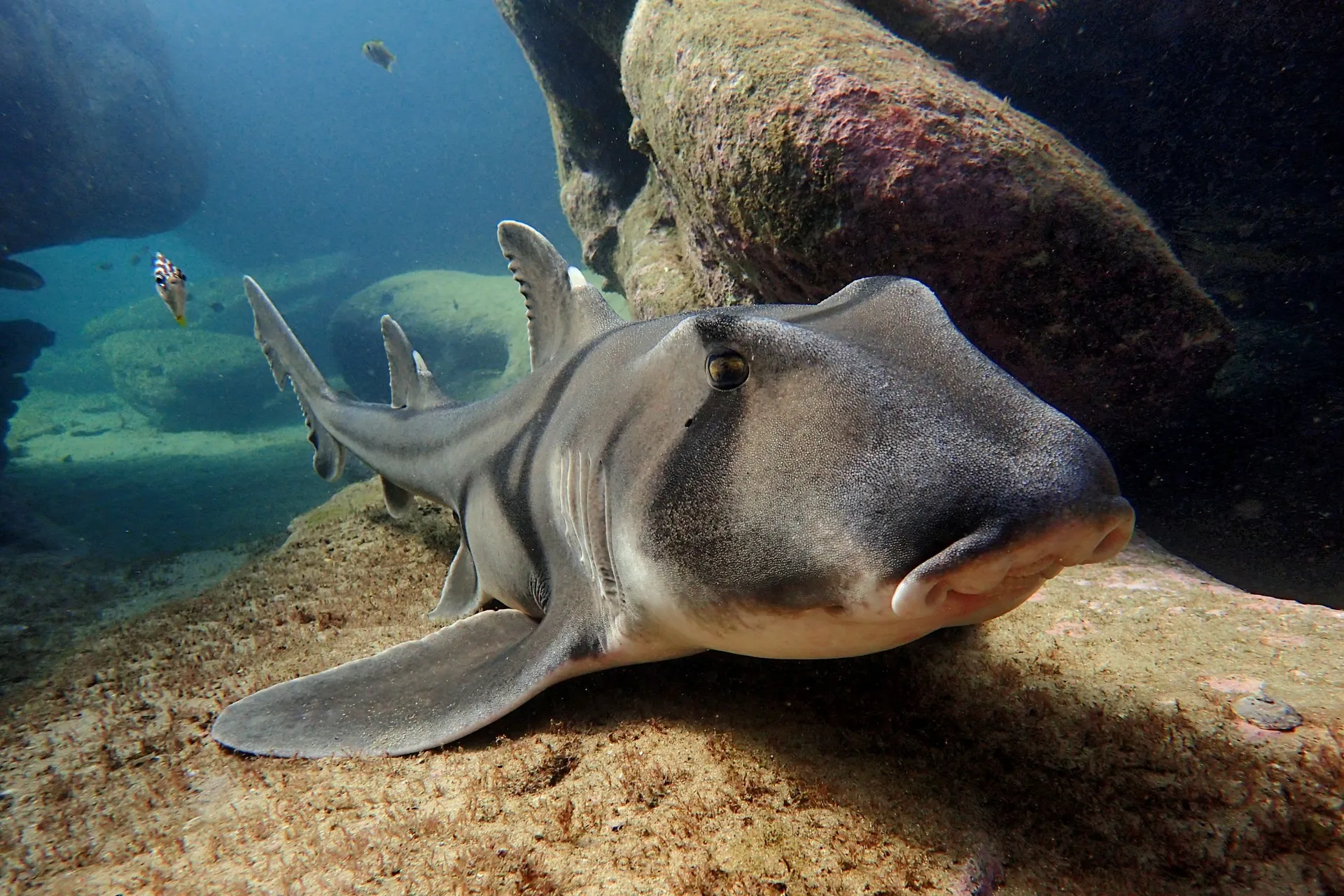
Sheltering on the reef
Go deeper
Size & biology
- Birth: 12−17cm.
- Matures: female 62cm; male 57cm.
- Max. TL: 94cm.
- Viviparous, litters of 7−18 (avg. 11). Appears to have two peak mating periods: June/July and October.
- Primarily feeds on teleosts, cephalopods and crustaceans; high proportion of the former observed in stomach analyses suggests it may feed in midwater.
Conservation status
IUCN Red List: Global: Data Deficient (2006) Europe: Least Concern (2015) Taken as bycatch in deepwater trawl and longline fisheries across its range. Survey data indicates population is stable in European waters. It is expected to have similar life history and low reproductive characteristics of other deepwater sharks.
Management
Subject to prohibitions under the CFP, RFMO and FNA regulations.
Commercial importance
This species is not generally utilised or traded commercially. Occasionally taken as bycatch and retained in groundfish fisheries in the Eastern Atlantic.
References & further reading
Assessment: ETR/NEA/2020
- Ebert & Stehmann.
- Ebert et al.
- Jung et al.
- Cotton et al.
- Jakobsdóttir, K.B.