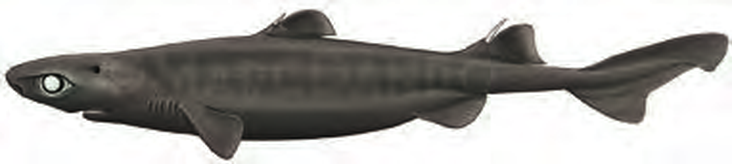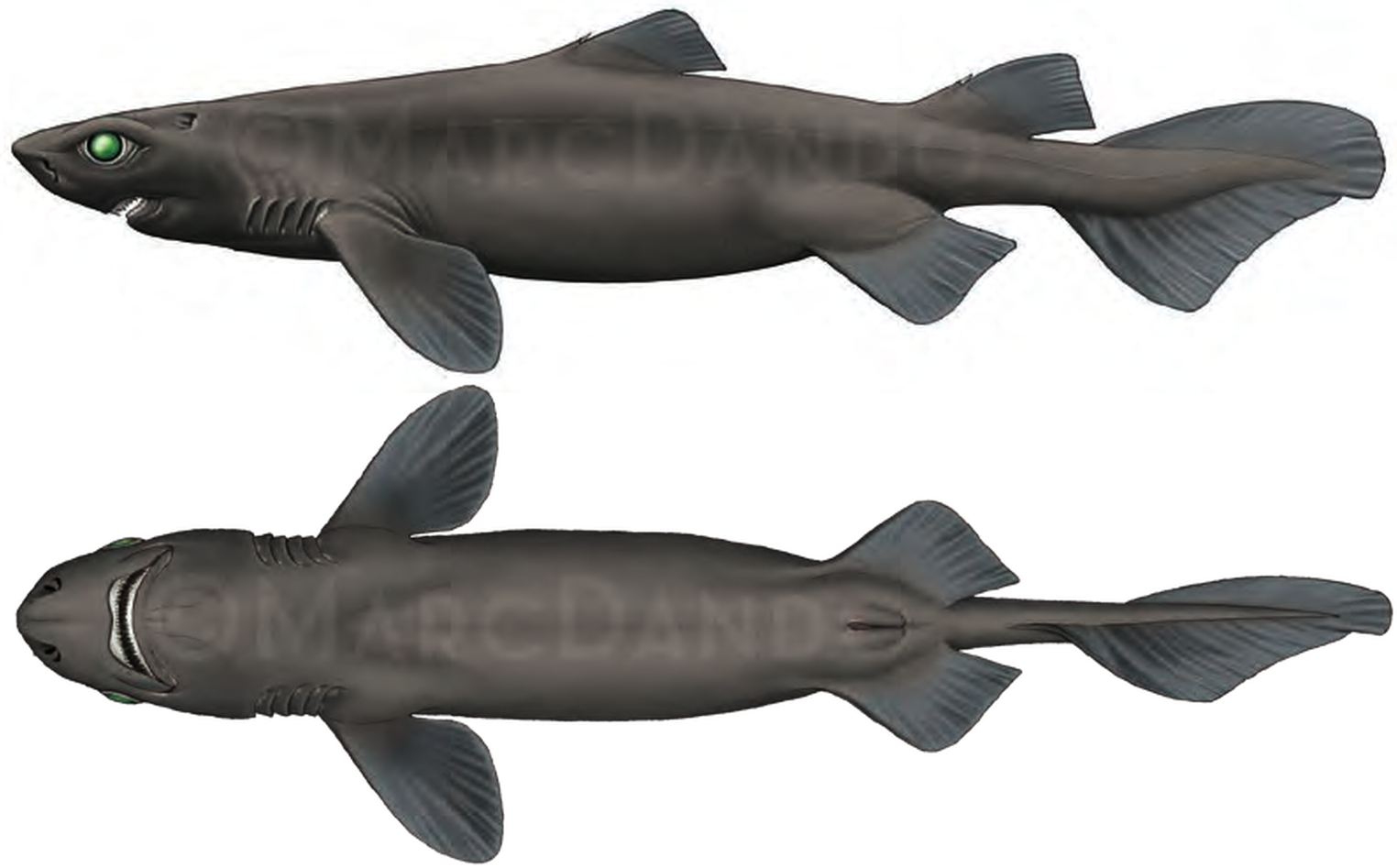
Black Dogfish
Centroscyllium fabricii (Reinhardt, 1825)
Least Concern- Maximum length
- 1.07 m
- Depth range
- From 180 to 2,250m.
- FAO code
- CFB
Meet the Black Dogfish
- Also known as
- BLACK DOGFISH, Schwarzer Fabricius-Dornhai (DEU), Tollo Negro Merga (ESP), Aiguillat Noir (FRA), Pescecane Nero (ITA), Zwarte Lantaarnhaai (NLD), Cação-torto (PRT).
How to identify
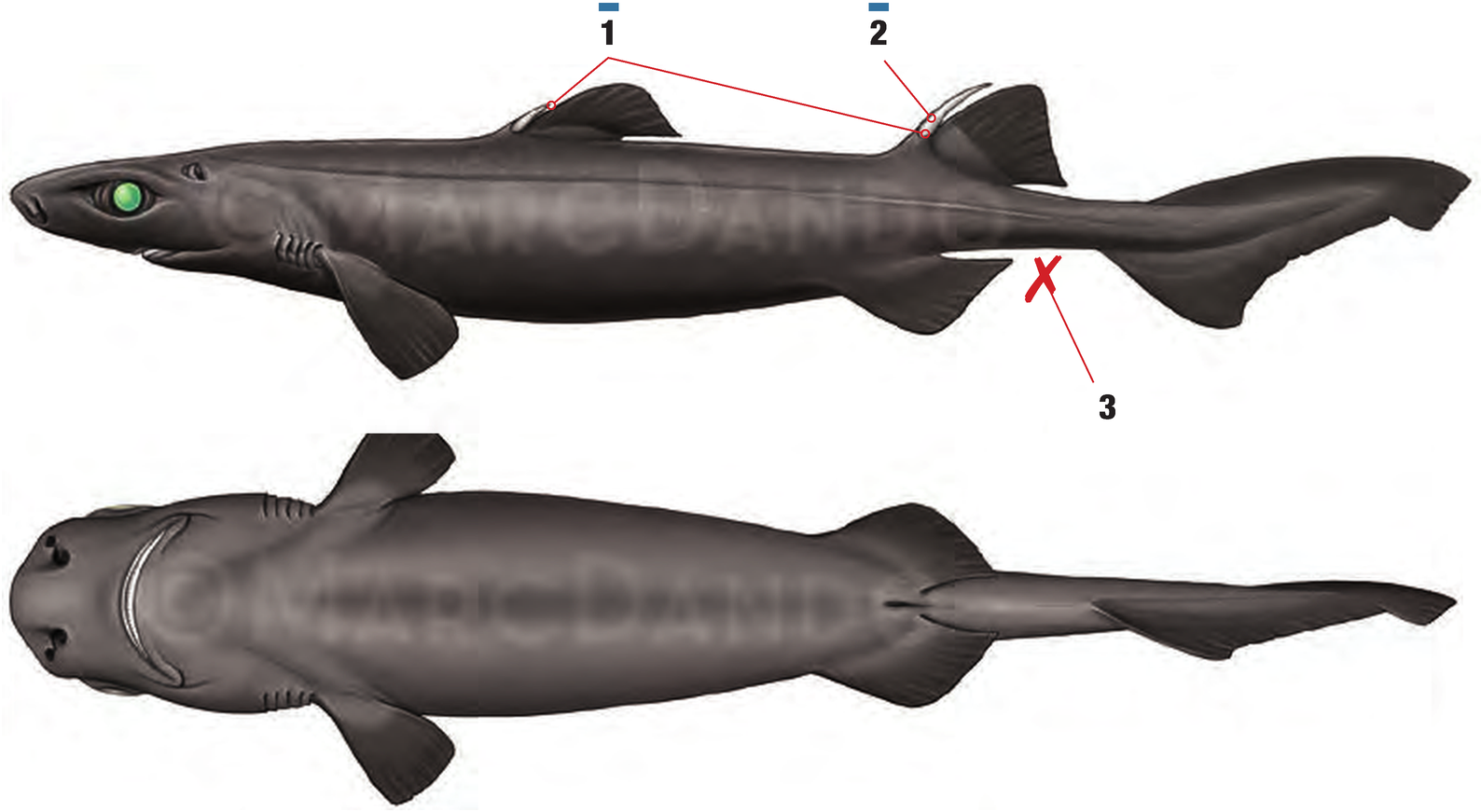
The numbers match the arrows on the illustration.
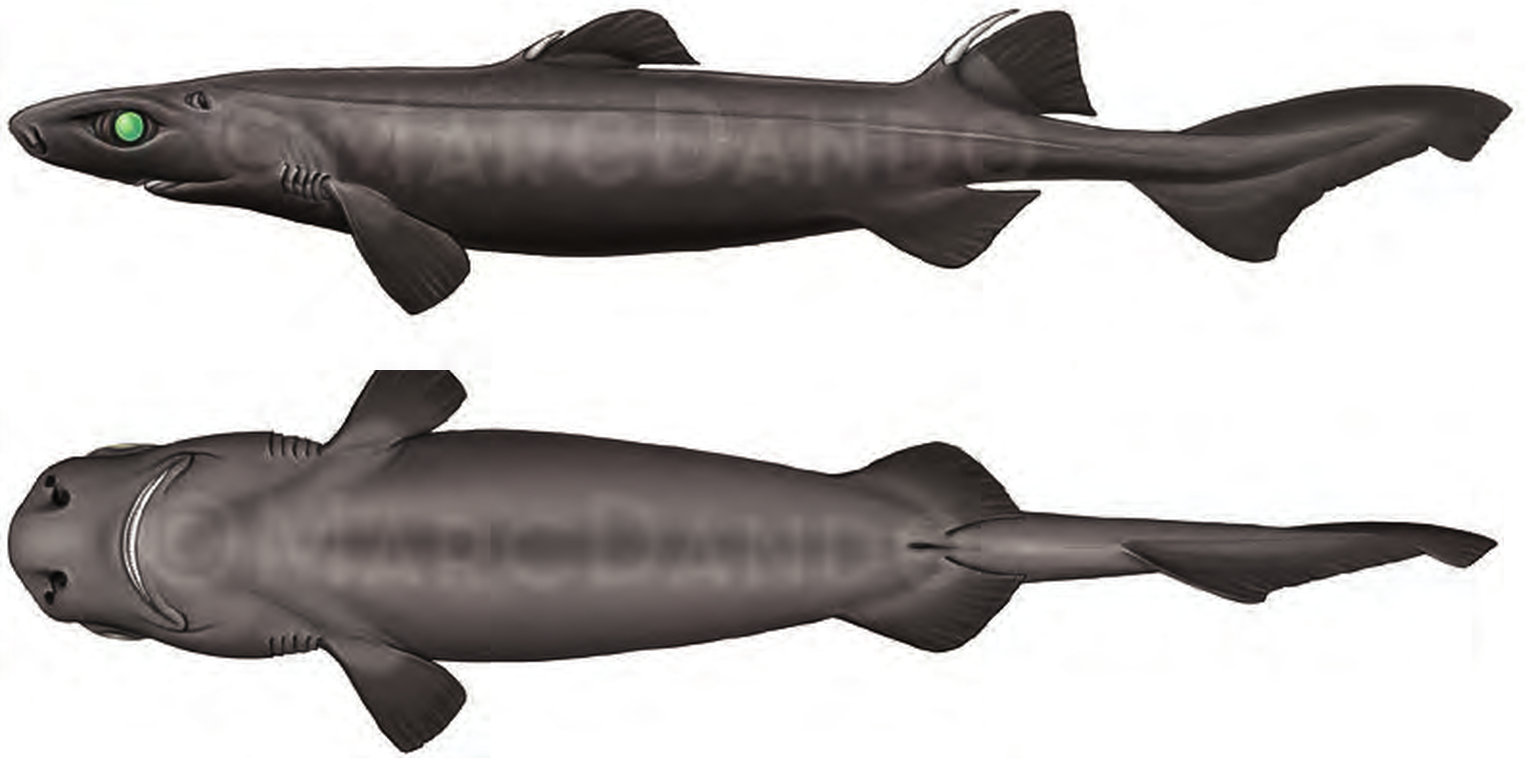
- Grooved, light coloured dorsal spines.
- Second dorsal fin and spine larger than first.
- No anal fin.
Colouring & markings
- Uniform black/brown above and below.
- Numerous closely set denticles across body.
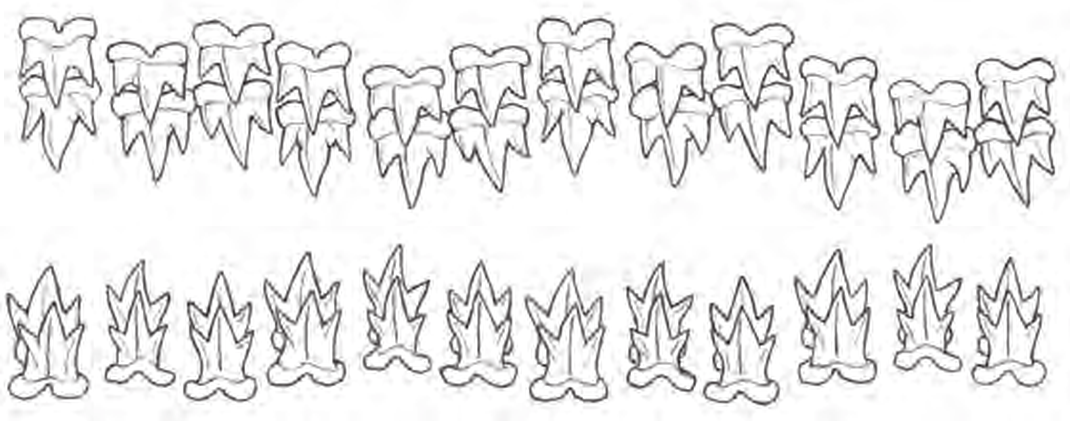
Teeth
Similar teeth in both jaws; comb-like with single large Upper jaw: 45−75. Lower jaw: 43−76.
How big do they get?
Where they live
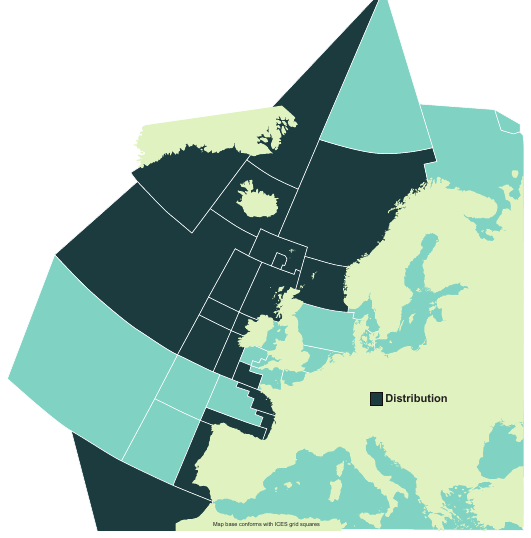
Distribution
Widespread in temperate Atlantic. Eastern Atlantic from Greenland and Norway, along the Atlantic Slope, to Sierra Leone, and Namibia to South Africa. Western Atlantic from Greenland to northern Gulf of Mexico.
Habitat
Deepwater shark found on outer continental shelves and slopes from 180−2,250m, mostly deeper than 275m. May move nearer to surface waters in higher latitudes in North Atlantic, esp. during winter months. Prefers temperatures 3.5−4.5°C, but has been found to 1°C. Aggregations often segregated by size and sex; males more abundant in shallower waters. Large aggregations may move into shallower water during winter-spring.
In the wild
-

Recorded on a Shark Trust survey dive -
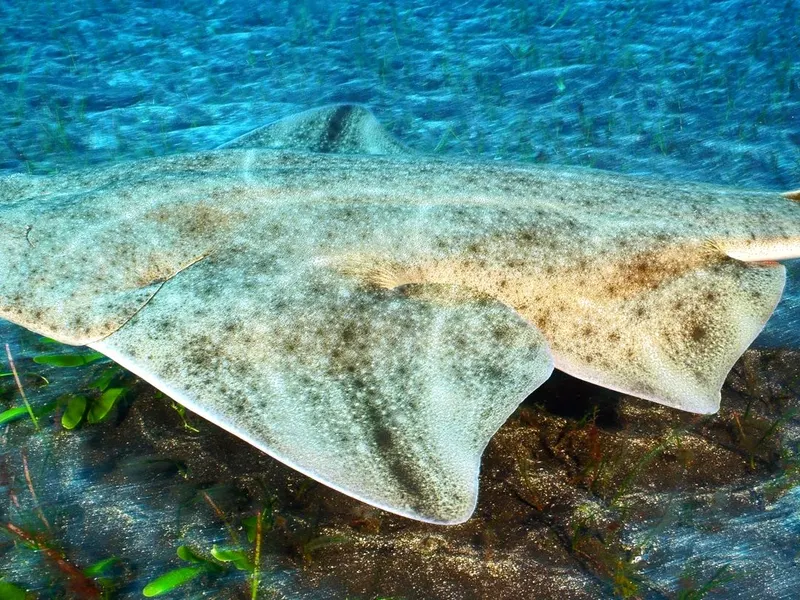
Resting on a sandy seabed -
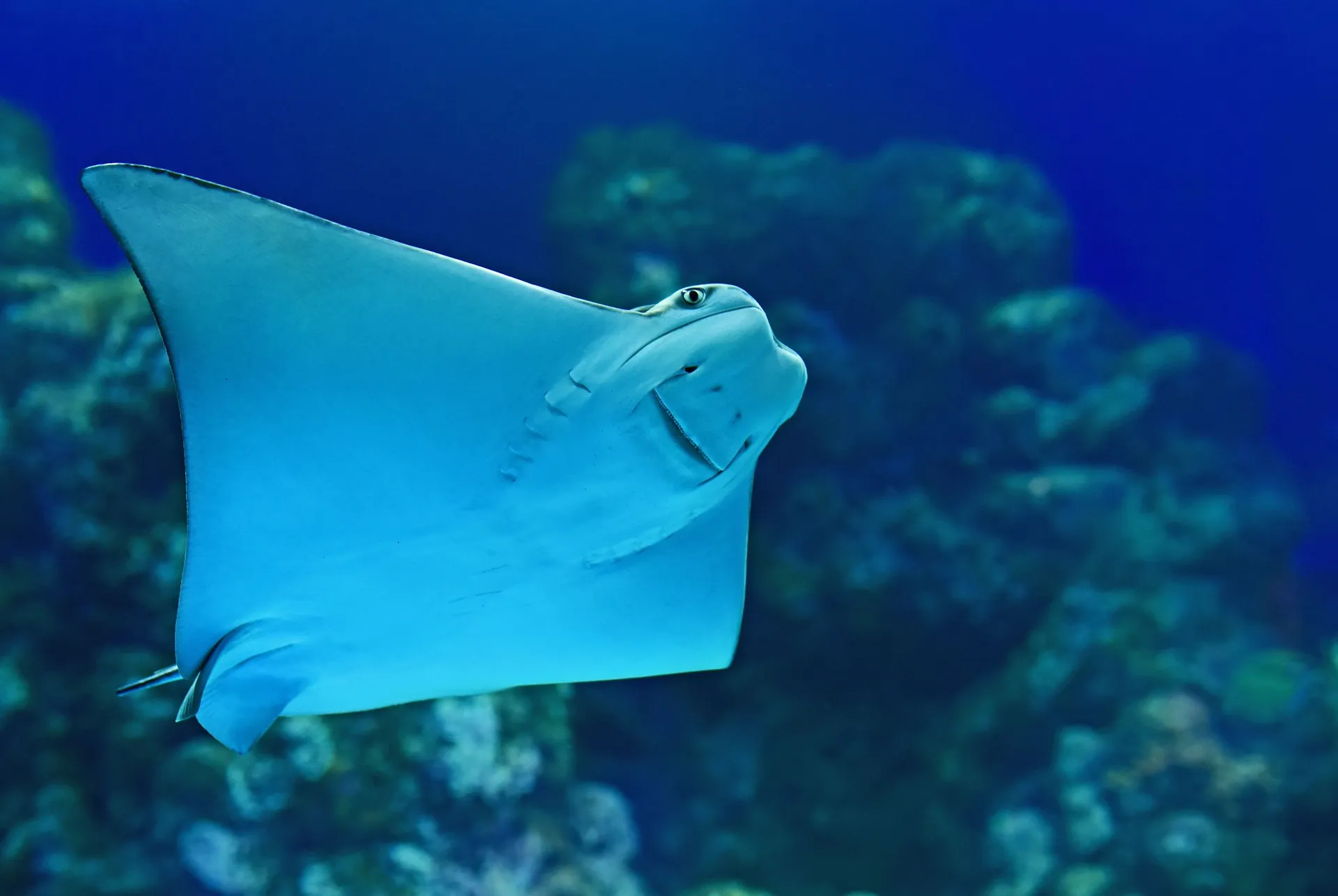
Cruising close to the sea floor -
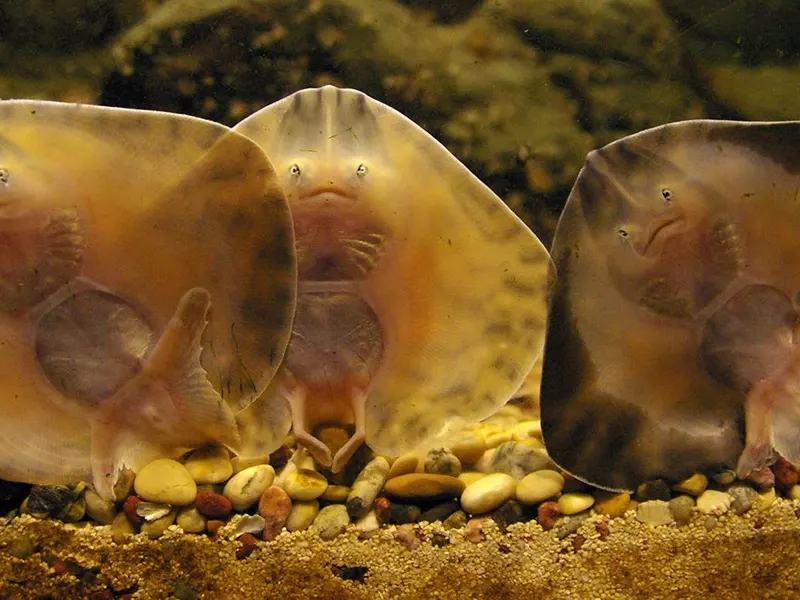
In the shallows at dusk -
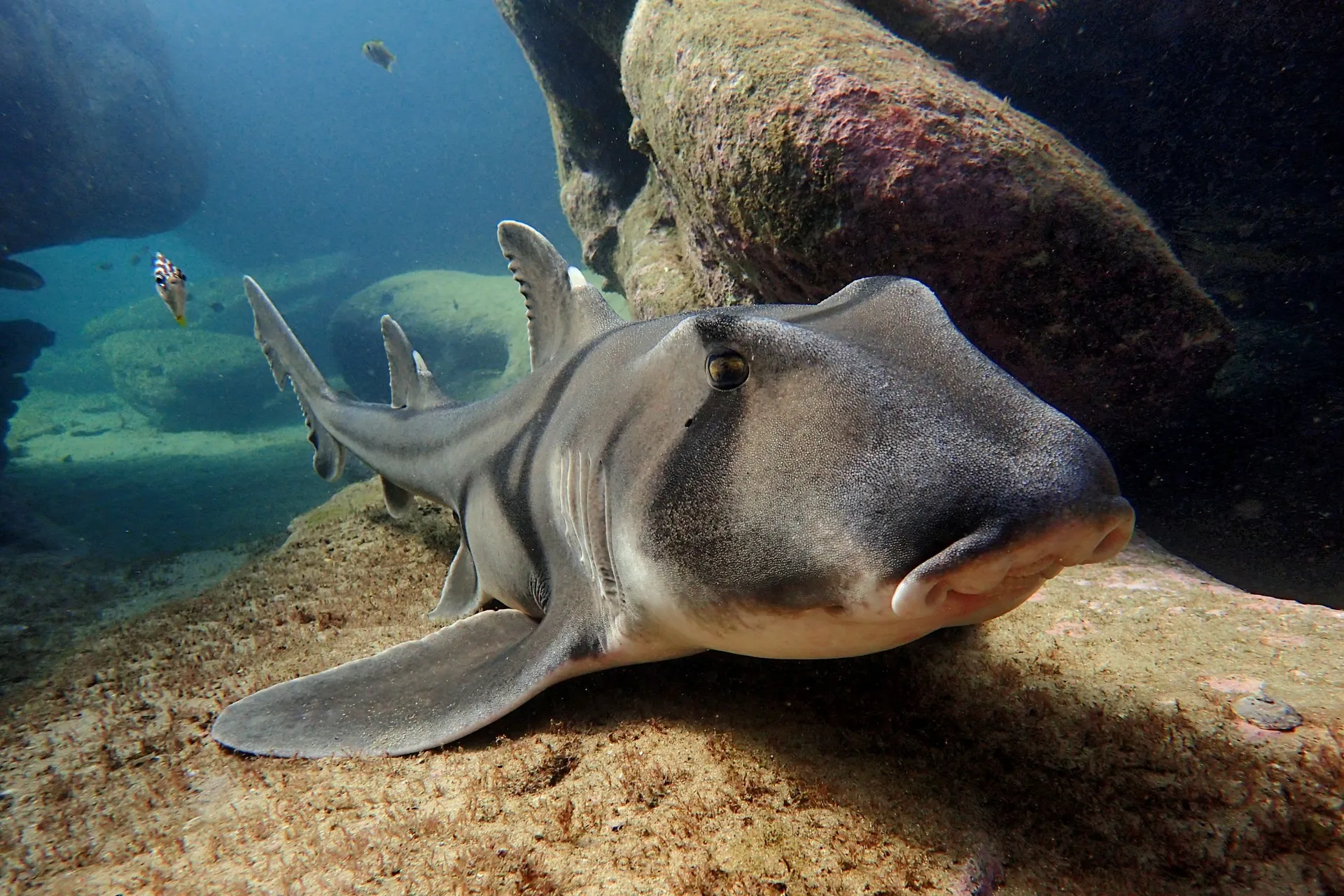
Sheltering on the reef
Go deeper
Size & biology
- Birth: 15−20cm.
- Matures: female 50−70cm; male 46−57cm.
- Max. TL (varies regionally): 107cm.
- Viviparous; litters of 4−40 pups. Litter size varies regionally. Gestation period unknown; no defined breeding season observed.
- Active midwater feeder; adults feed mainly on teleost fishes; smaller specimens more opportunistically on teleosts, cephalopods and crustaceans.
Conservation status
IUCN Red List: Global: Least Concern (2009) Europe: Least Concern (2015) Conservative life history makes species vulnerable to fishing pressure; depth at which this shark is found affords some protection. No population declines observed in recent years in Northeast Atlantic.
Management
Subject to prohibitions under the CFP, RFMO and additional FNA regulations.
Commercial importance
Taken as bycatch in deepwater trawl, gillnet and longline fisheries. Outside EU waters, generally discarded due to small size.
References & further reading
Assessment: CFB/NEA/2020
- Blasdale et al.
- Ebert & Stehmann
- Ebert et al.
- Compagno, L.J.V.
- Ebert et al.
- Yano, K.
- Jakobsdóttir, K.B.