Sharpnose Sevengill Shark
Heptranchias perlo (Bonnaterre, 1788)
Near Threatened- Maximum length
- 1.4 m
- Depth range
- From 27 to 1,000m; most commonly 100 to 720m.
- FAO code
- HXT
Meet the Sharpnose Sevengill Shark
- Also known as
- SHARPNOSE SEVENGILL SHARK, One-Finned Shark, Perlon Shark, Sevengill Cow Shark, Cañabota Bocadulce (ESP), Requin Perlon (FRA), Boca Doce (PRT).
How to identify
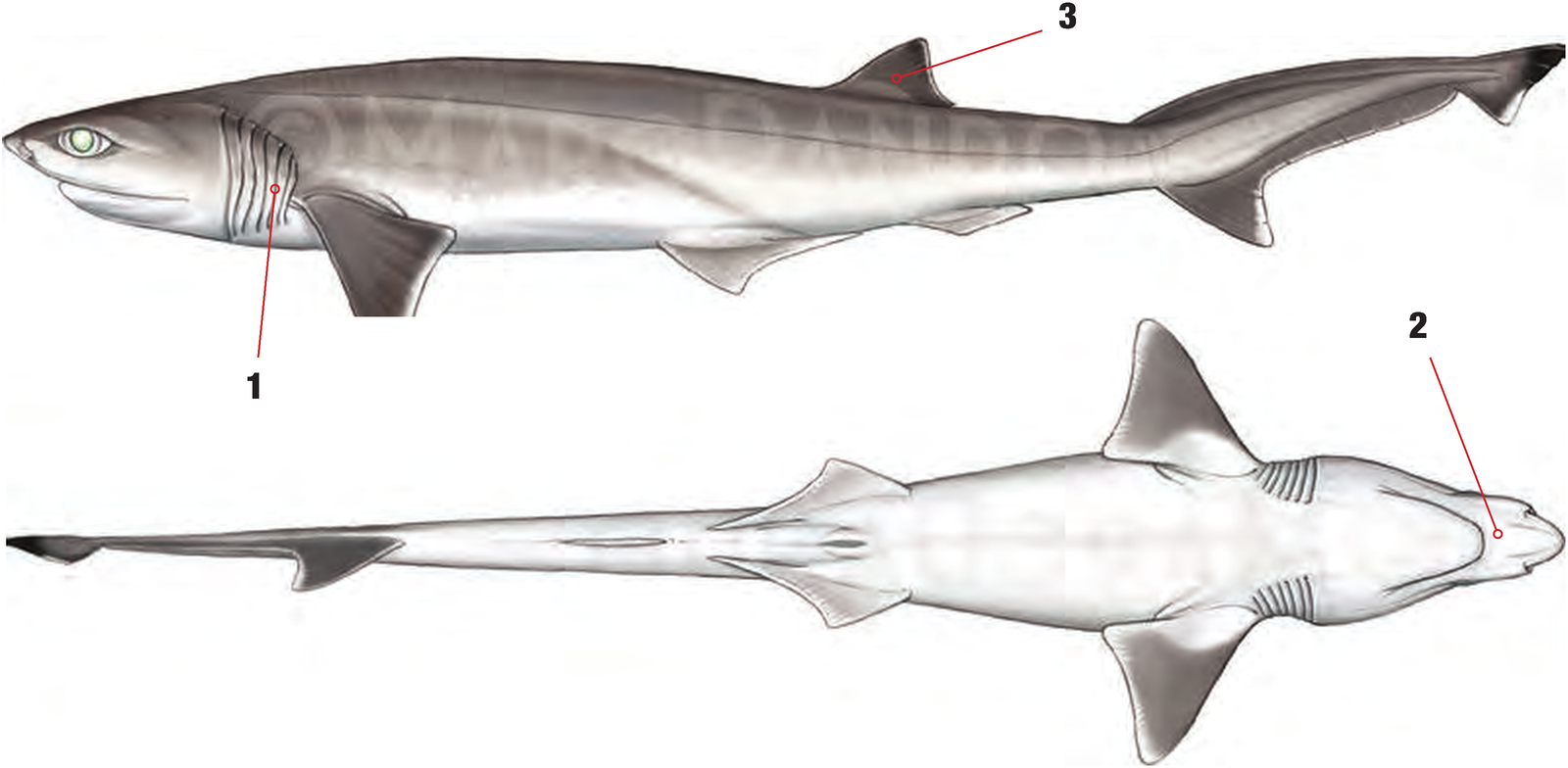
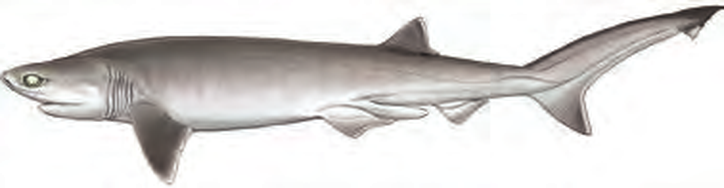
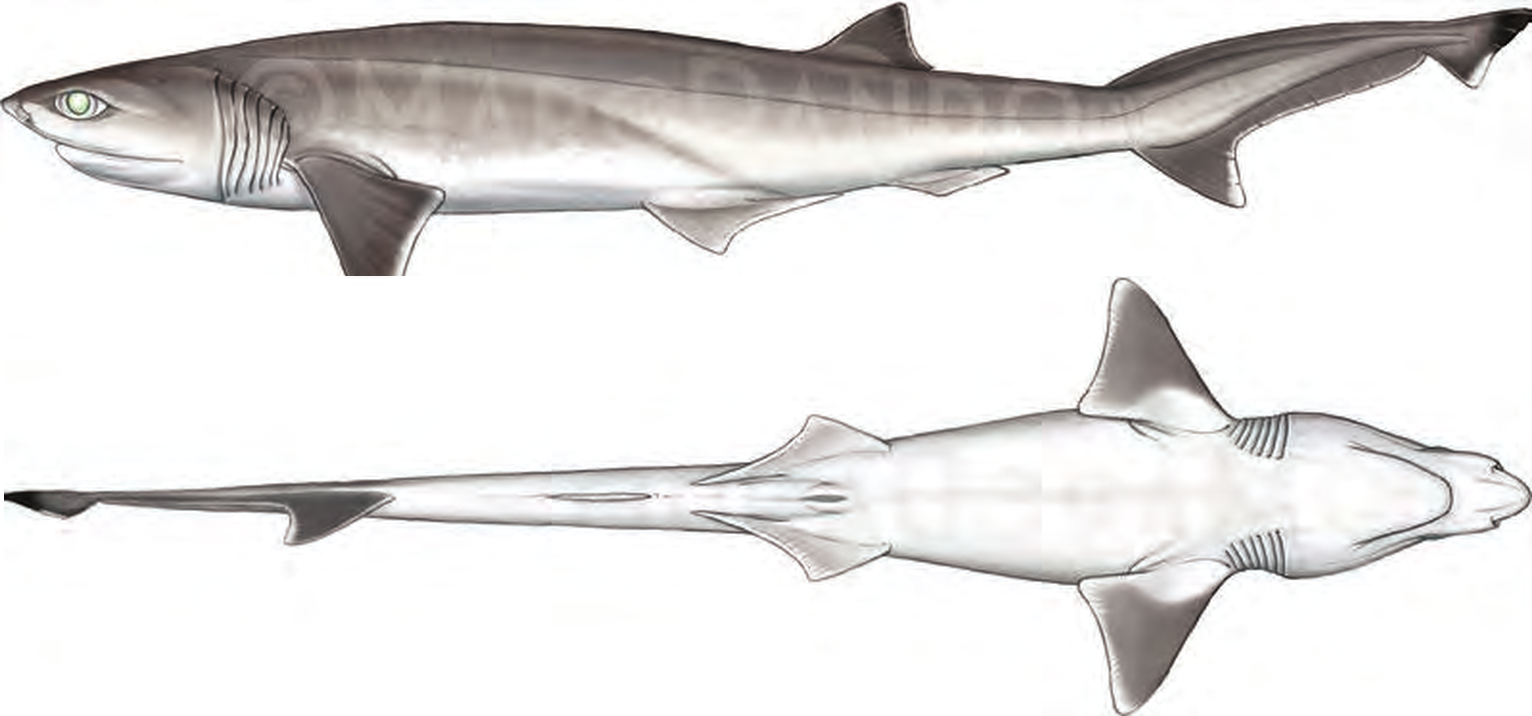
The numbers match the arrows on the illustration.
- Seven pairs of large gill slits.
- Sharply pointed head.
- Single dorsal fin.
Colouring & markings
- Pale grey to olive dorsally.
- Lighter ventrally.
- Black tips on dorsal fin and upper caudal lobe – inconspicuous on large individuals.
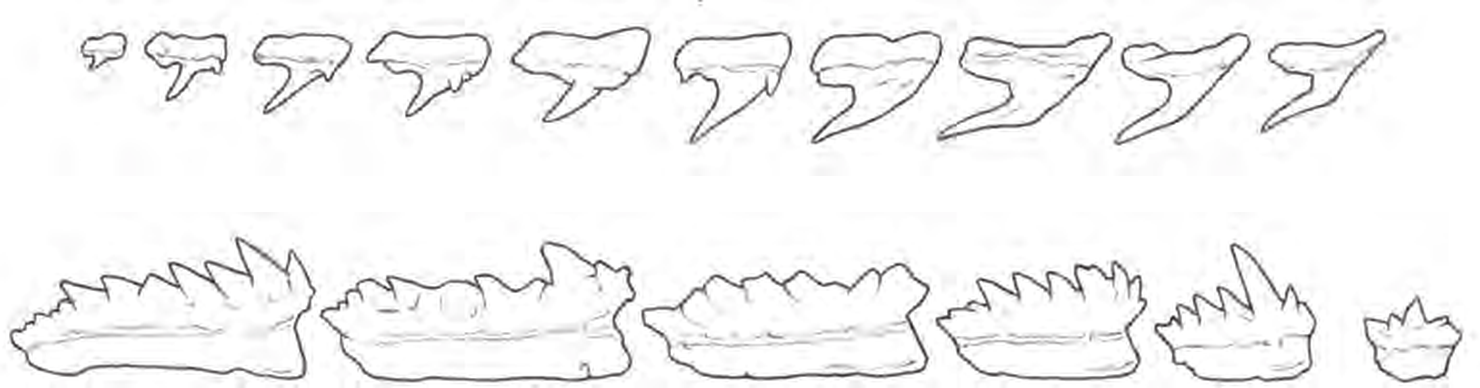
Teeth
Upper jaw: 18–24; first 3–4 teeth are narrow with hook-like Lower jaw: 11–13; small, symmetrical tooth at symphysis
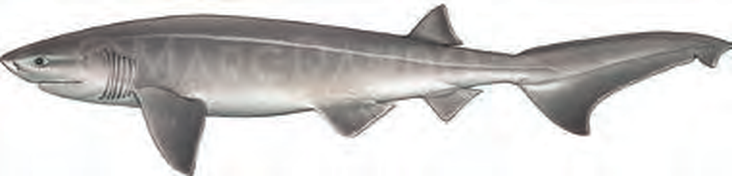
How big do they get?
Where they live
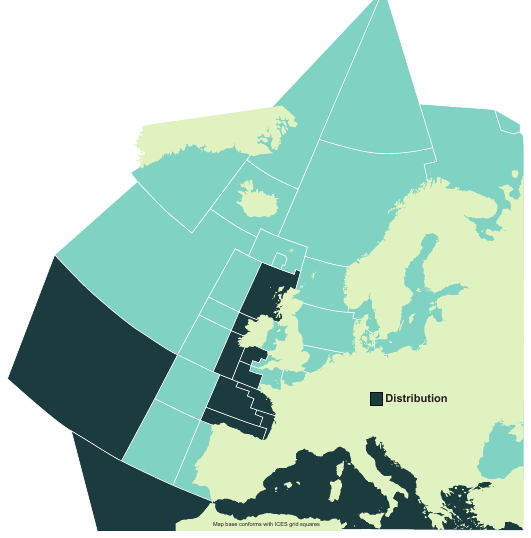
Distribution
Widespread but patchy distribution. Northeast Atlantic from western British Isles to Bay of Biscay, including the Mediterranean Sea. Also, found from Morocco to Namibia. Occurs in the Western Atlantic from New England to the Gulf of Mexico.
Habitat
A demersal deepwater shark found from 27–1,000m, most commonly 100–720m on continental and island shelves, upper slopes and seamounts. Occasionally found in more inshore waters.
In the wild
-
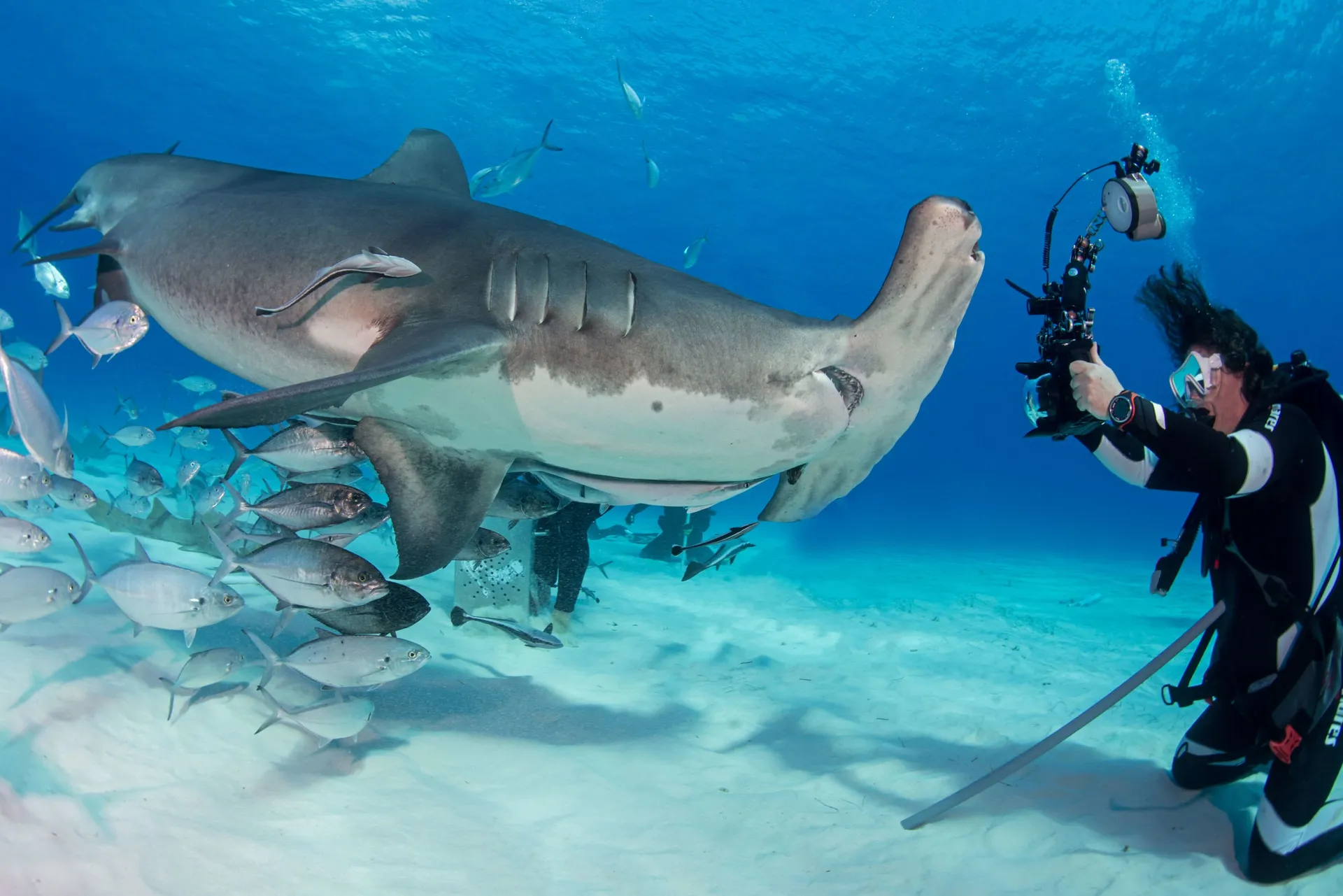
Recorded on a Shark Trust survey dive -
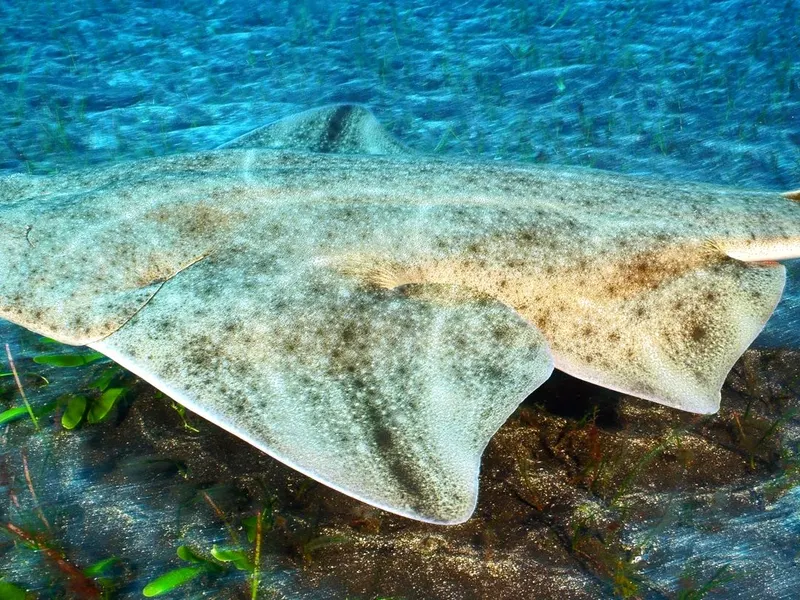
Resting on a sandy seabed -
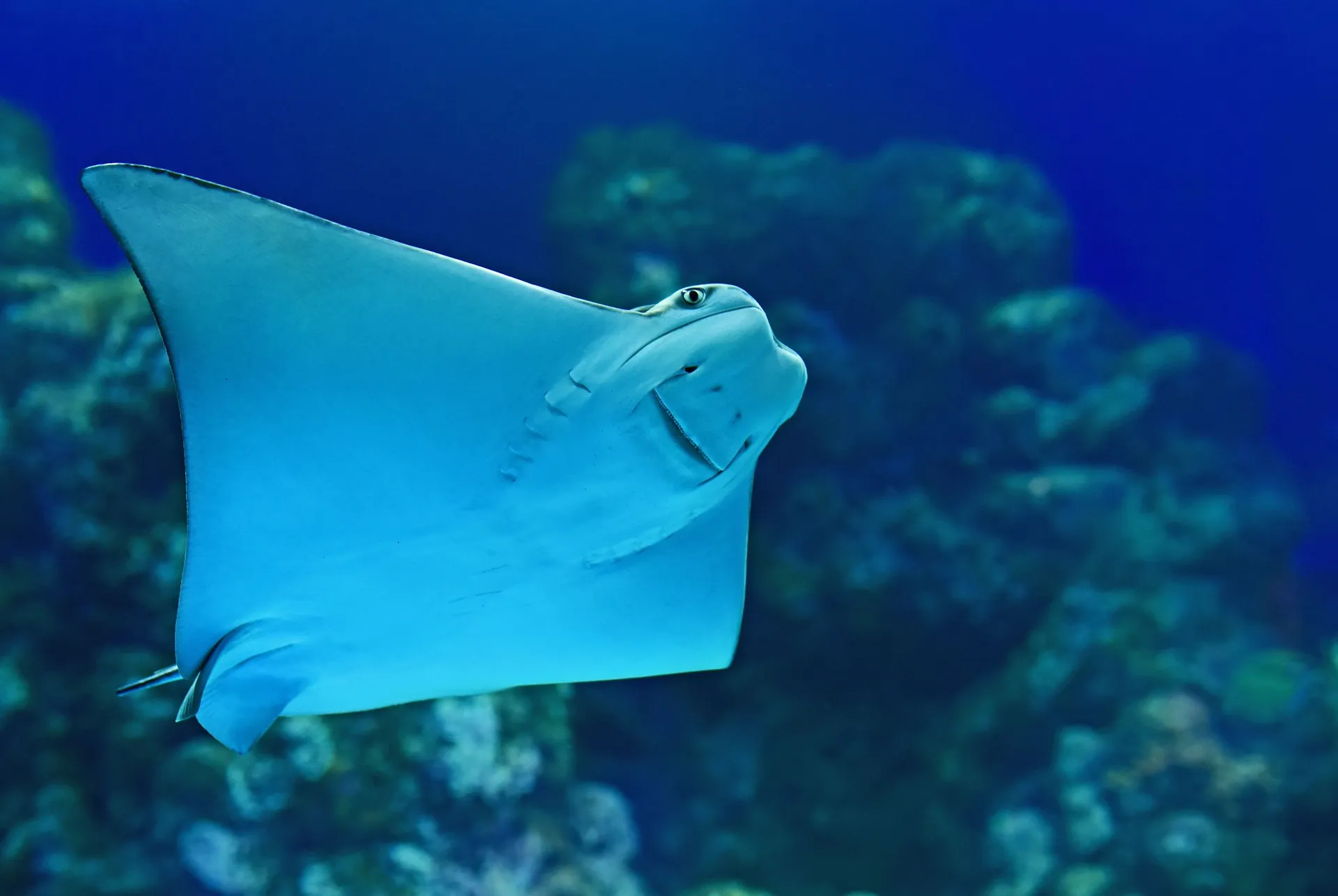
Cruising close to the sea floor -
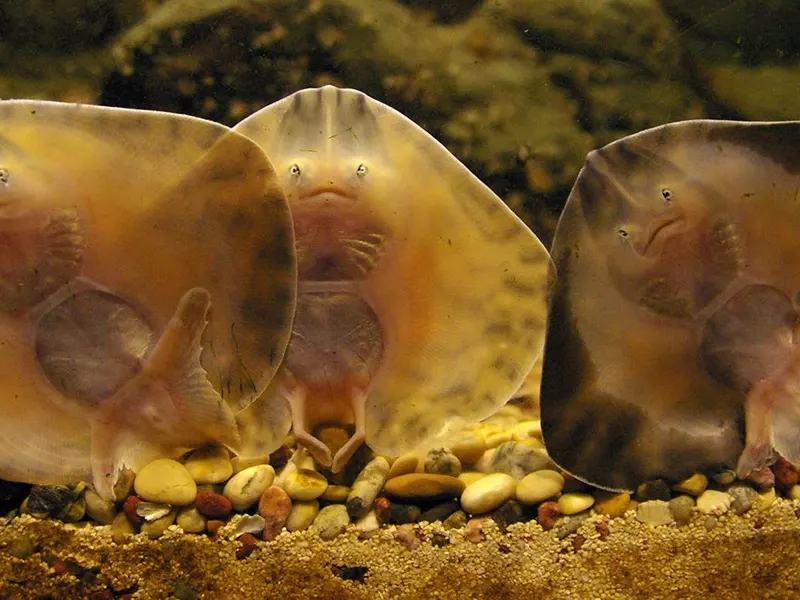
In the shallows at dusk -
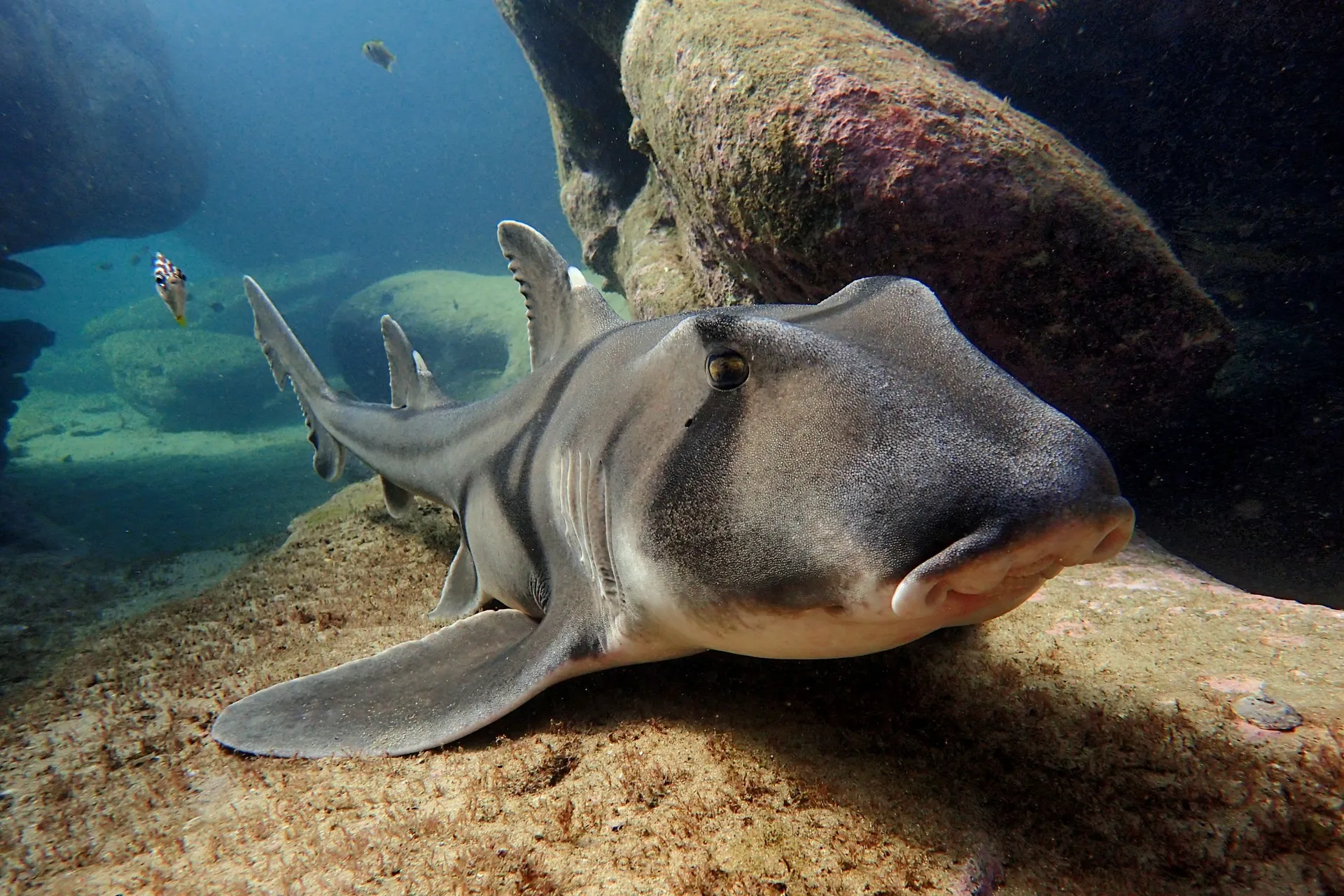
Sheltering on the reef
Go deeper
Size & biology
- Birth: 25cm.
- Matures: female 90–105cm; male 75–85cm.
- Max. TL: 140cm.
- Viviparous, 6–20 pups per litter. Thought to reproduce year- round.
- Generalist predator feeding on demersal and pelagic fishes, crustaceans, cephalopods and other small elasmobranchs.
Conservation status
IUCN Red List: Global: Near Threatened (2003) Europe: Data Deficient (2015) Mediterranean: Data Deficient (2016) No species-specific data available. Taken as occasional bycatch, but population trends uncertain. This shark is expected to have a low reproductive rate, similar to other deepwater sharks, making it vulnerable to population decline.
Management
No species-specific management in the Northeast Atlantic. Subject to FNA regulations.
Commercial importance
Low commercial importance. Occasionally taken as bycatch in deepwater trawl and longline fisheries. Very occasionally taken in shelf seas. Possibly utilised for human consumption and fishmeal.
References & further reading
Assessment: HXT/NEA/2020
- Ebert et al.
- Ebert & Stehmann.
- Paul & Fowler.
- McLaughlin & Morrissey.
- El Kamel-Moutalibi et al.
- Soldo & Bariche.