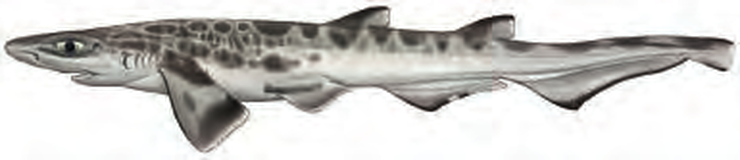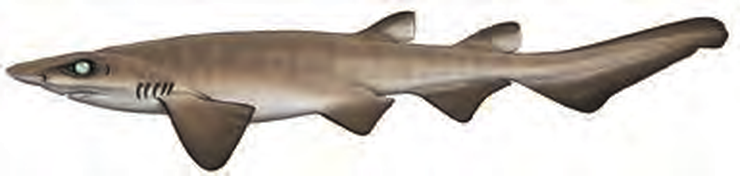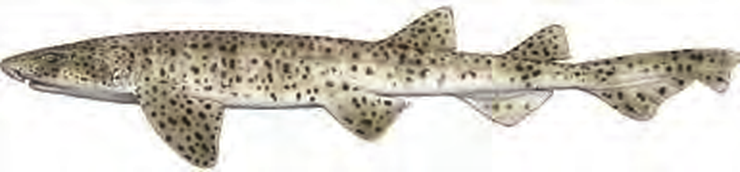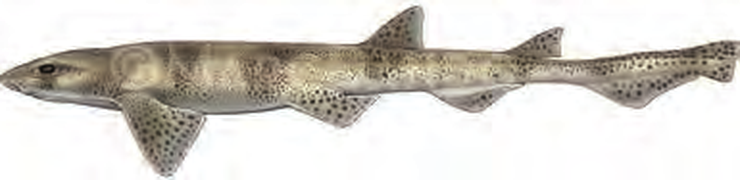
Blackmouth Catshark
Galeus melastomus Rafinesque, 1810
Least Concern- Maximum length
- 90 cm
- Depth range
- From 55 to 2,000m; primarily 200 to 500m.
- FAO code
- SHO
Meet the Blackmouth Catshark
- Also known as
- BLACKMOUTH CATSHARK, Blackmouth Dogfish, Blackmouth Angler, Mouse Catshark, Fleckhai (DEU), Pintarroja Bocanegra (ESP), Chien Espagnol (FRA), Boccanera (ITA), Spaanse Hondshaai (NLD), Leitão-boca-negra (PRT).
How to identify
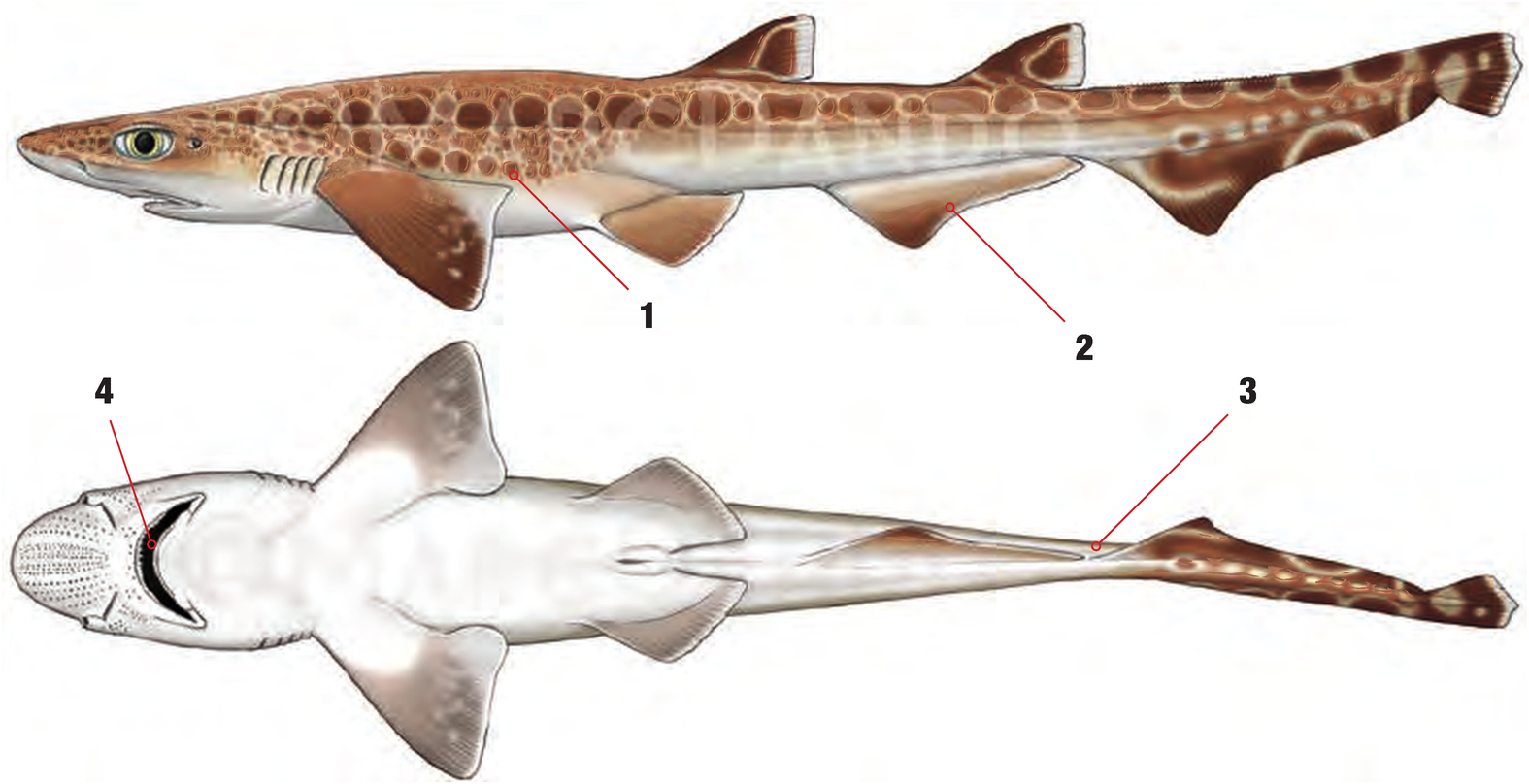
The numbers match the arrows on the illustration.
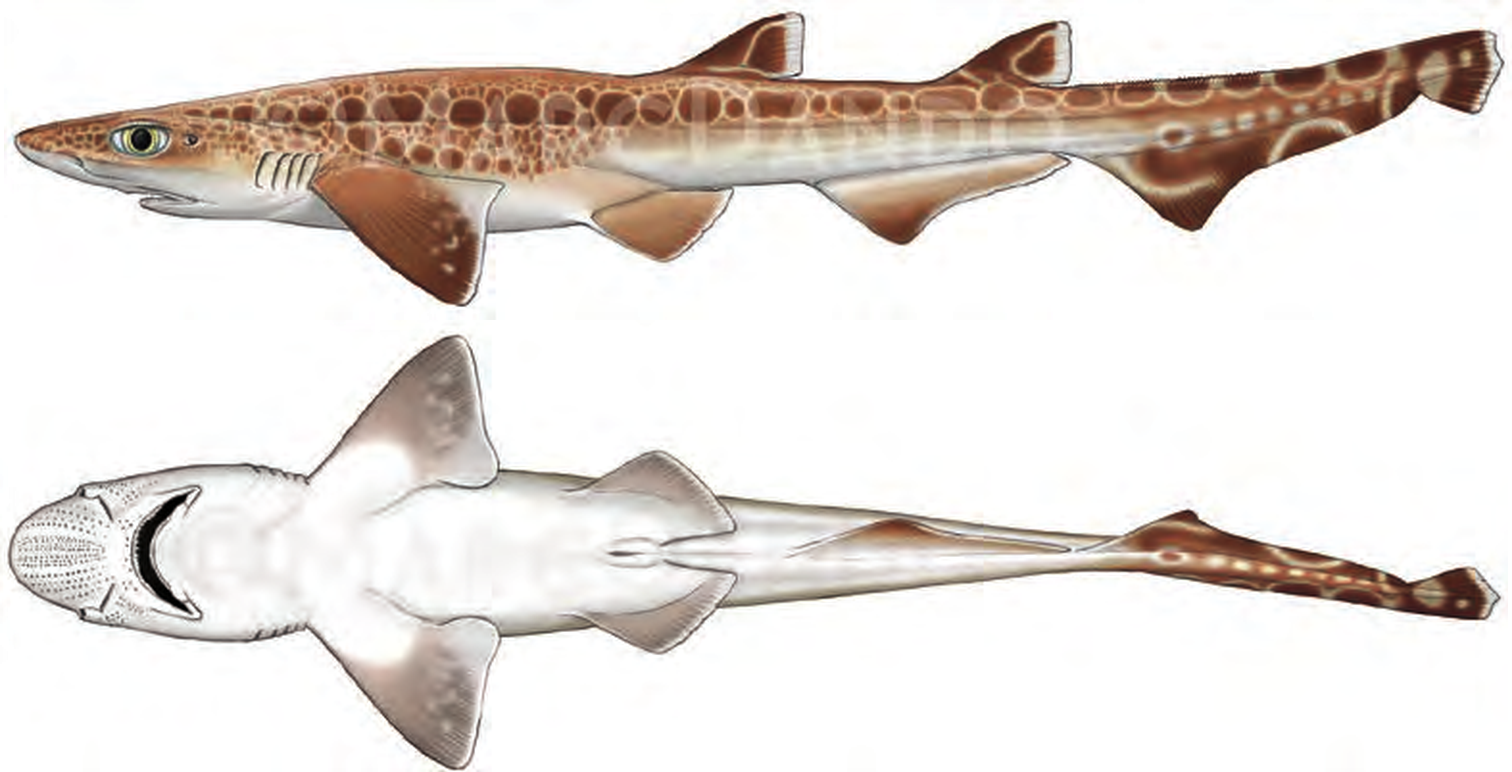
- Long, slender body.
- Long anal fin.
- Compressed precaudal tail.
- Inside of mouth black.
Colouring & markings
- Brown dorsally with defined pattern of 15–18 large, dark saddle blotches and numerous smaller spots.
- Ventrally white.
Teeth
Upper jaw: 42; sharp cusps with two cusplets. Lower jaw: 43; similar to upper jaw but with four cusplets.
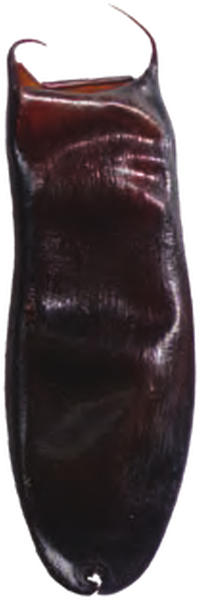
Eggcase
17–23 mm wide. 34–65 mm long. Small horns in each top corner; no tendrils.
How big do they get?
Where they live
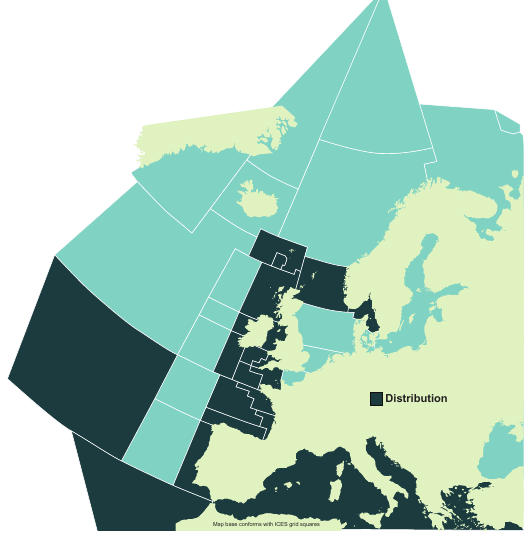
Distribution
Eastern Atlantic from Norway to Senegal, including the Azores. Occurs in the Mediterranean Sea.
Habitat
Demersal, offshore shark found mainly on outer continental shelf and upper slope but ranging from 55–2,000m, primarily 200–500m. Segregates by size; adults and juveniles found deeper than recruits.
In the wild
-
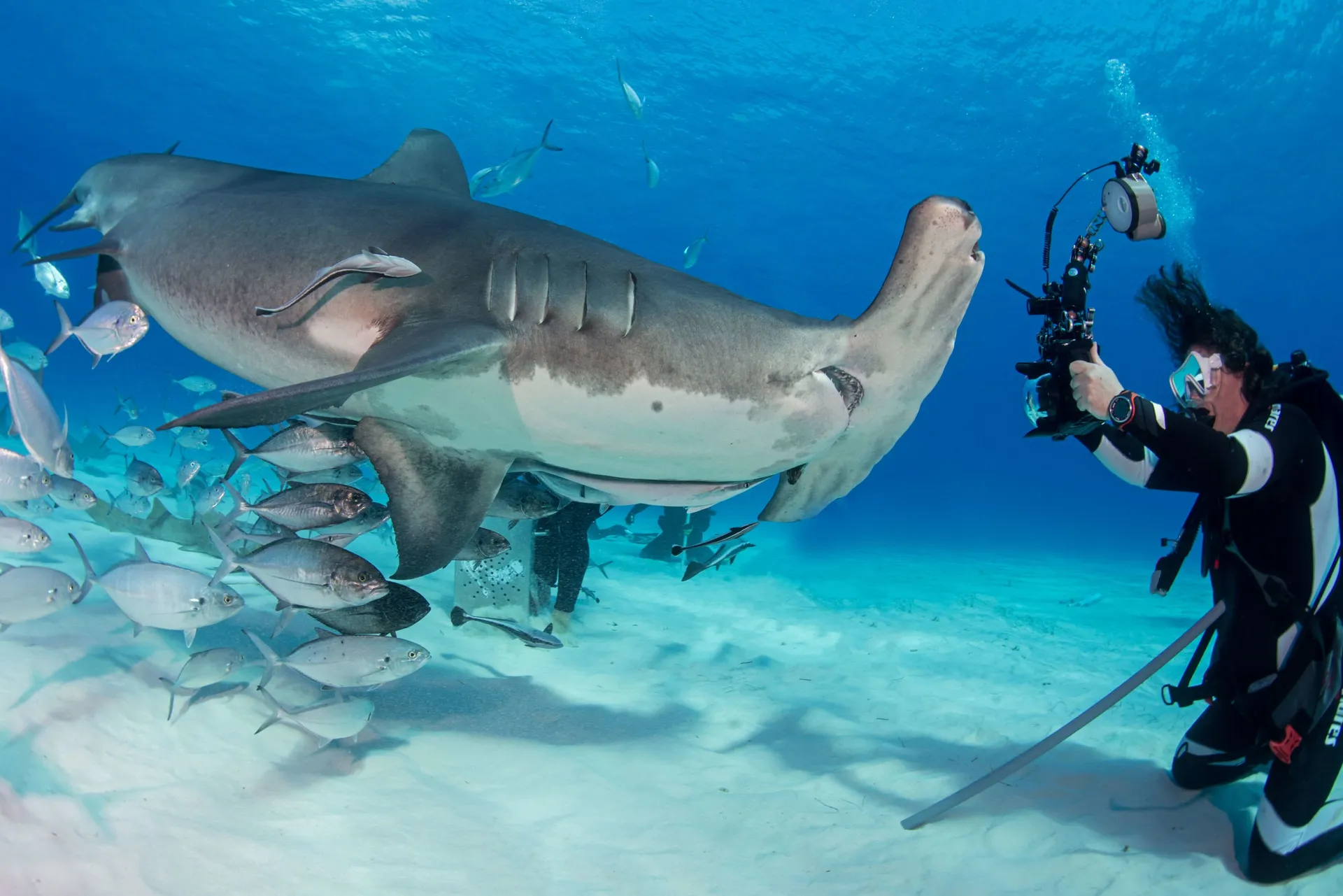
Recorded on a Shark Trust survey dive -
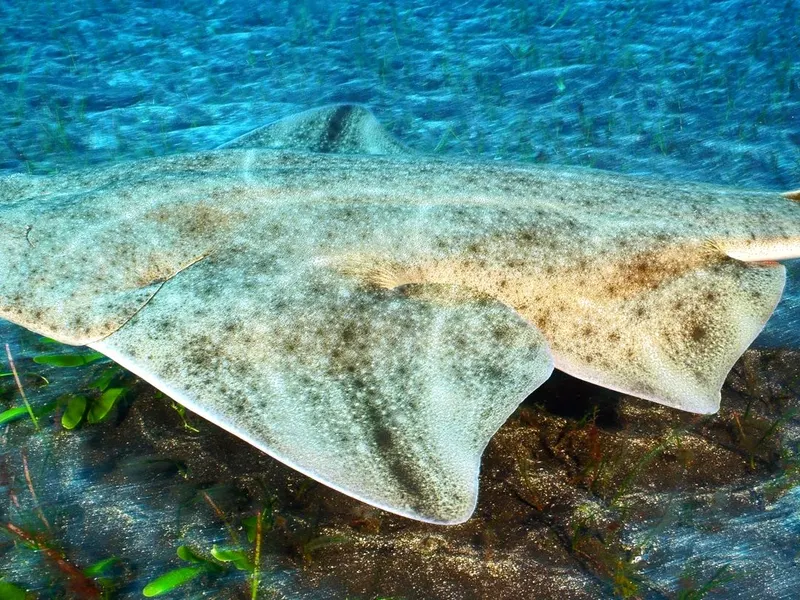
Resting on a sandy seabed -
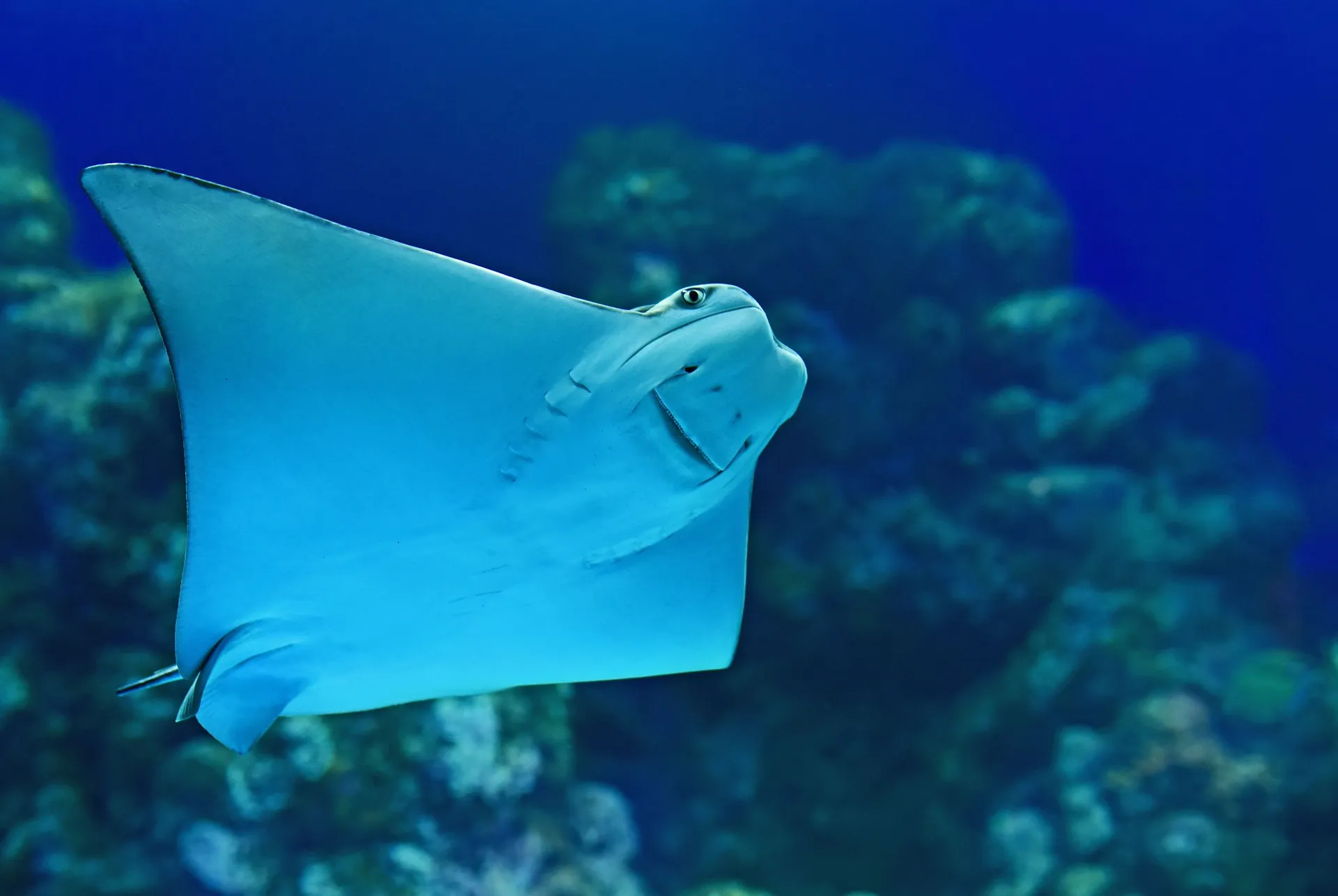
Cruising close to the sea floor -
In the shallows at dusk -
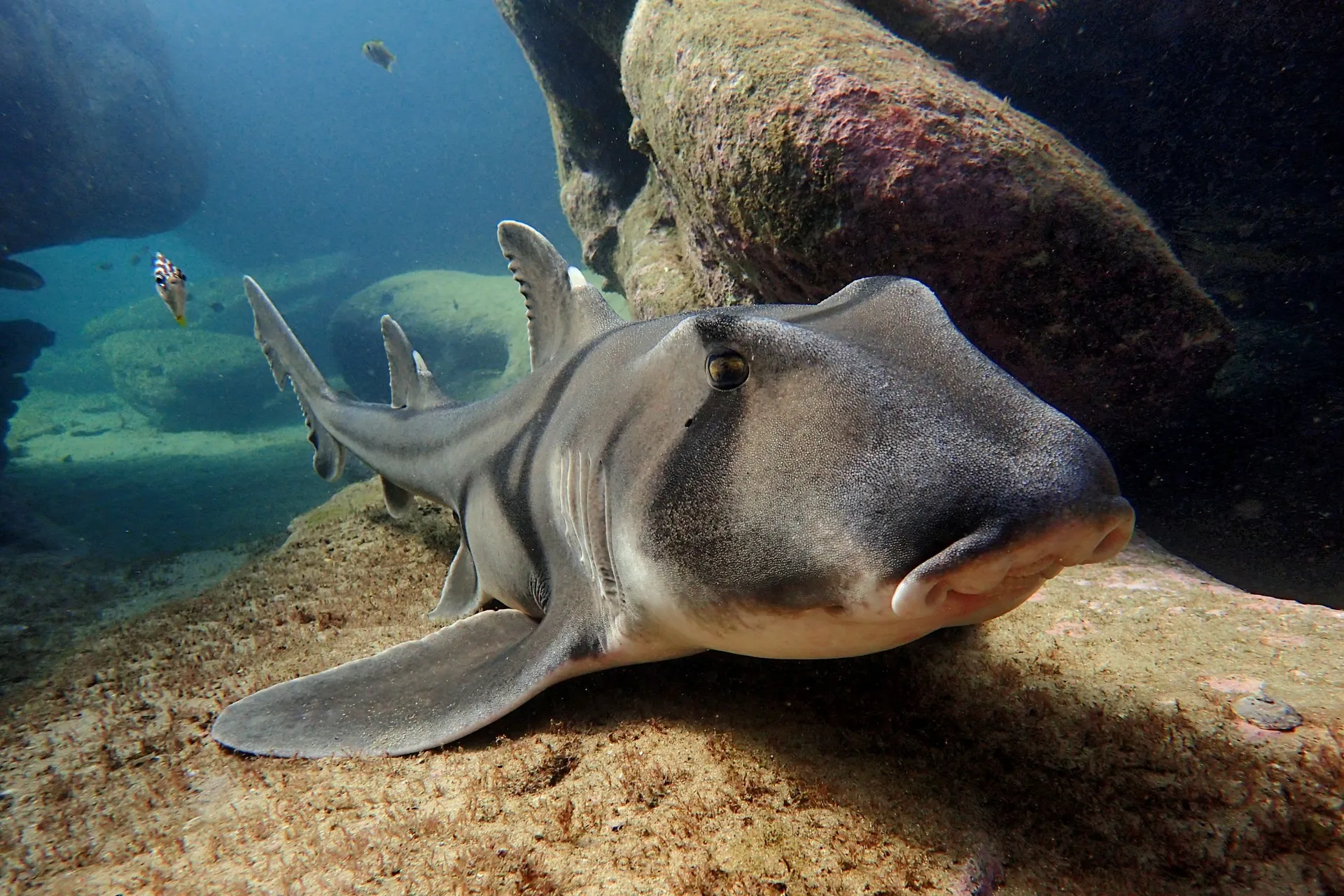
Sheltering on the reef
Go deeper
Size & biology
- Matures: female 39–45cm; male 34–42cm.
- Max. TL: female 90cm; male 61cm.
- Oviparous, up to 13 eggcases present in female oviduct at one time.
- Feeds primarily on bottom invertebrates incl. shrimp and cephalopods, as well as teleosts and occasionally small elasmobranchs.
Conservation status
IUCN Red List: Global: Least Concern (2009) Europe: Least Concern (2015) Mediterranean: Least Concern (2016) Abundant species, with survey and landings data indicating stable populations. However, declines in traditional target species mean fishermen are landing greater quantities of ‘unrestricted’ species such as the Blackmouth Catshark.
Management
No species-specific management in the Northeast Atlantic. Subject to FNA regulations.
Commercial importance
A bycatch in various fisheries along the edge of the continental shelf and upper slope. Discard levels are variable, with some European fleets discarding this species and other fleets retaining it. Low commercial value however meat is used for human consumption and skin used for leather.
References & further reading
Assessment: SHO/NEA/2020
- Abella et al.
- Ebert & Stehmann.
- Ebert et al.
- Costa et al.
- Gordon et al.
- Rey et al.
- ICES Advice.