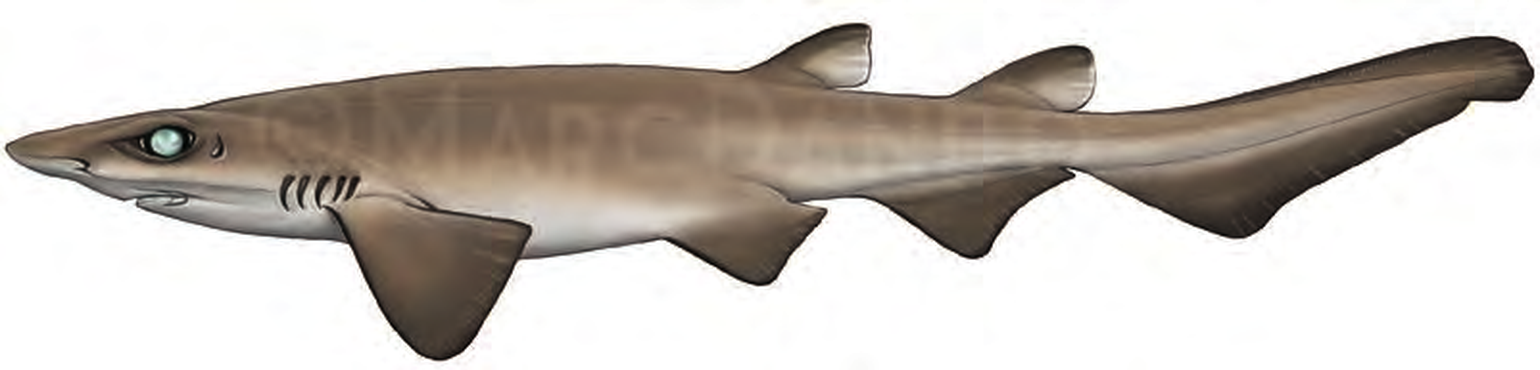
Mouse Catshark
Galeus murinus (Collett, 1904)
Least Concern- Maximum length
- 63 cm
- Depth range
- From 380 to 1,250m.
- FAO code
- GAM
Meet the Mouse Catshark
- Also known as
- MOUSE CATSHARK, Maus-Katzenhai (DEU), Pintarroja Islándica (ESP), Chien Islandais (FRA), Muiskathaai (NLD), Leitão-islandês (PRT).
How to identify
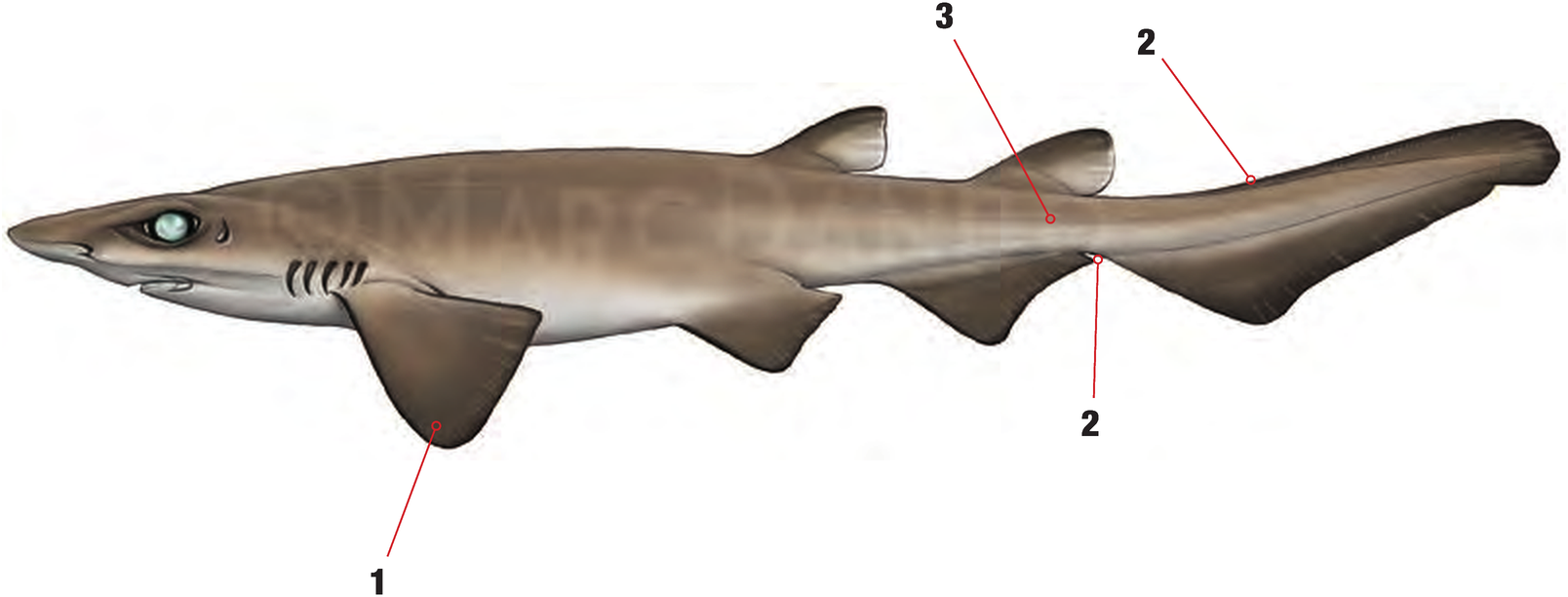
The numbers match the arrows on the illustration.
- Large, broadly rounded pectoral fins.
- Crest of dermal denticles along upper margin of elongated tail and underside of caudal peduncle.
- Precaudal tail cylindrical.
Colouring & markings
- Uniformly brown above, slightly lighter below.
- Inside of mouth dark/black.
Teeth
Unknown.
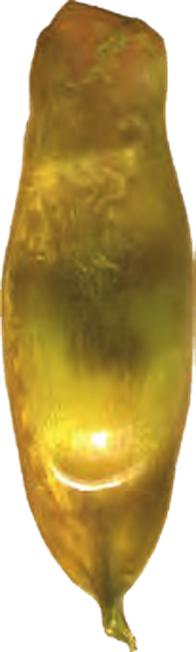
Eggcase
26(1). Cybium, 2002. 14–17mm wide. 54–56mm long. Surface covered with fine Iglésias fibres giving it rough, a hairy appearance. Eggcase Lacking tendrils at either end. Uniform yellow/gold in colour.
How big do they get?
Where they live
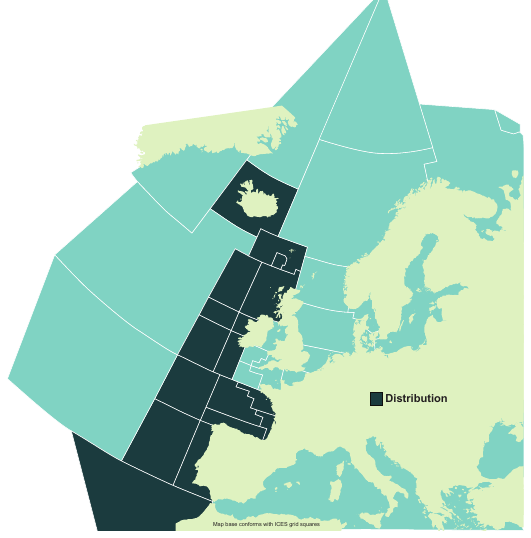
Distribution
Northeast Atlantic from west coast of Iceland to the Faroes, west of Scotland and Ireland to Morocco including Madeira and Canary Islands.
Habitat
Demersal on continental slopes, from 380–1,250m.
In the wild
-
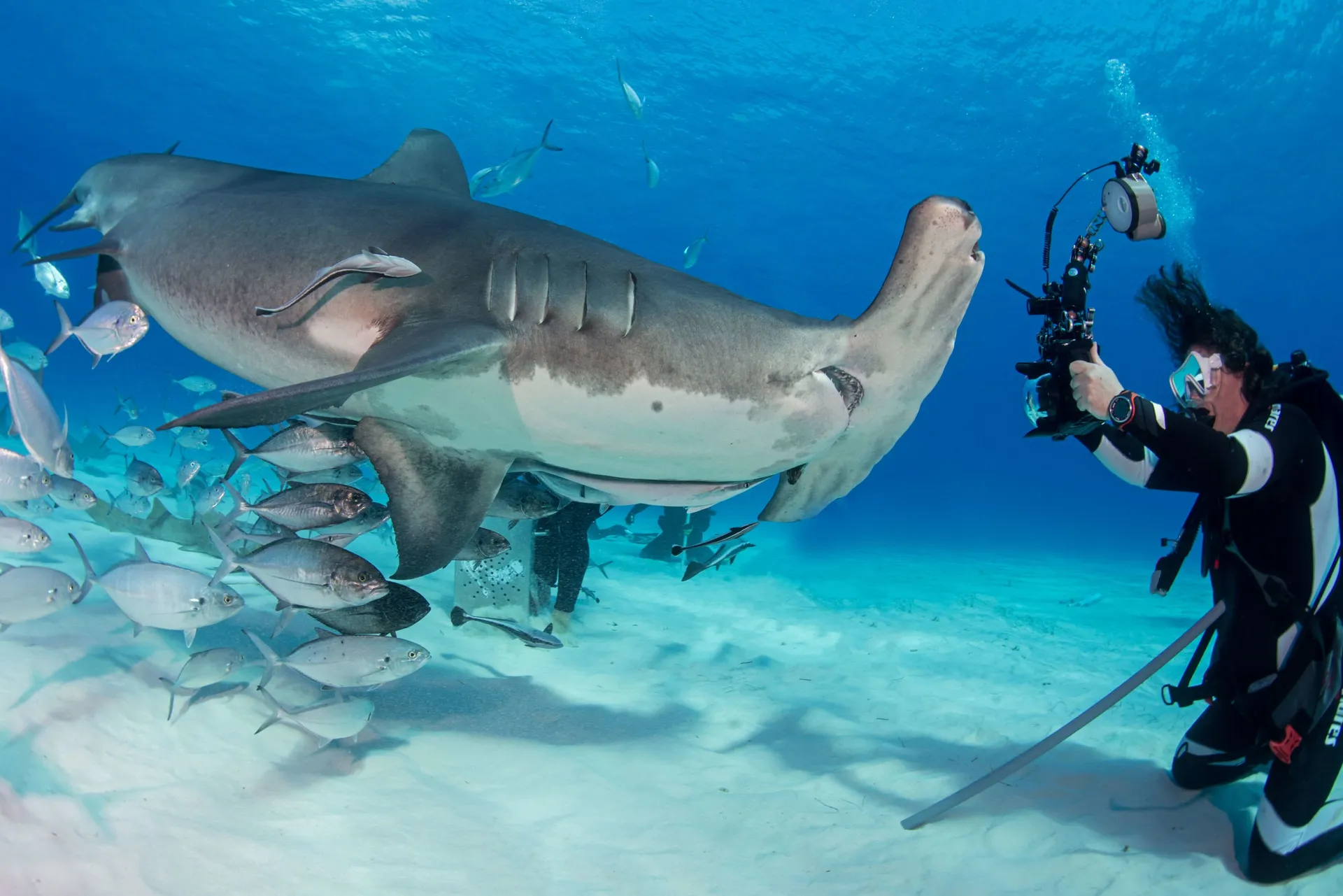
Recorded on a Shark Trust survey dive -
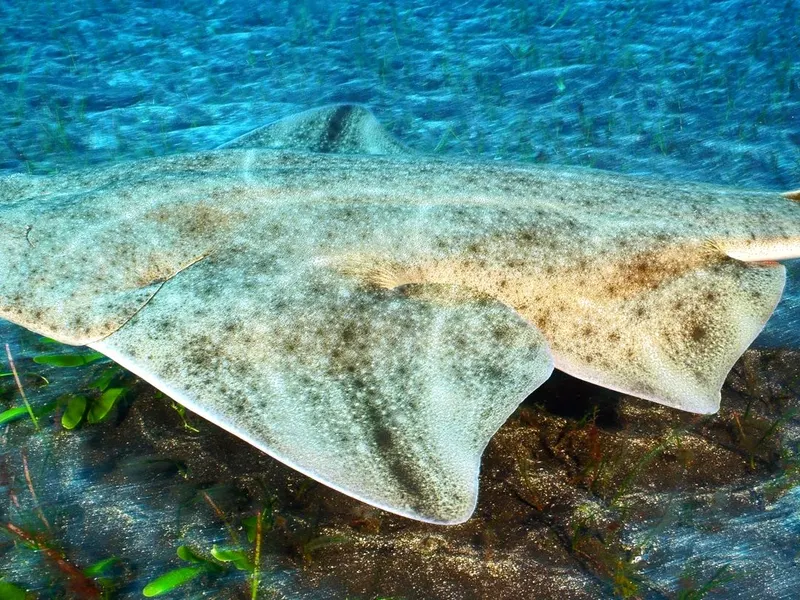
Resting on a sandy seabed -
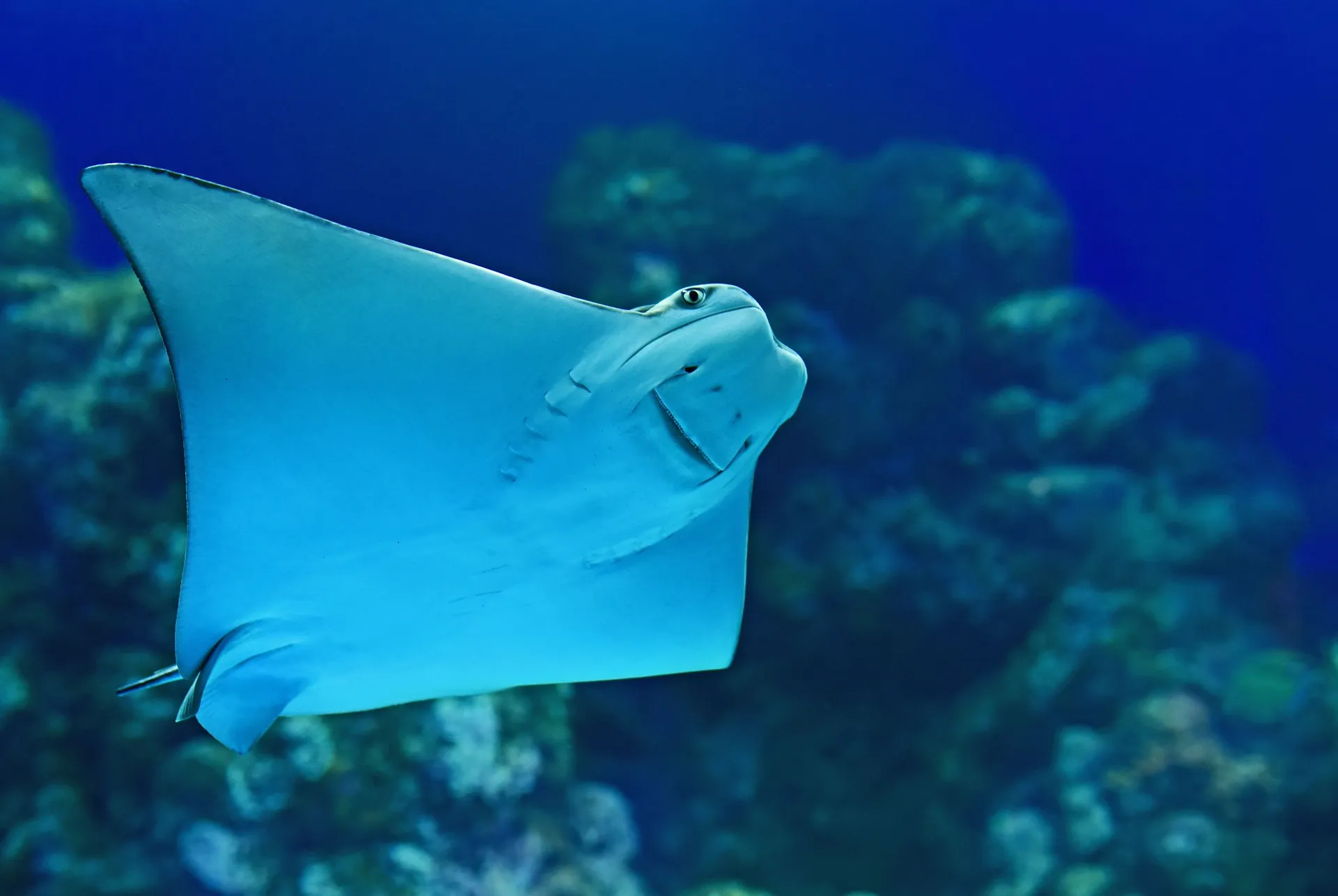
Cruising close to the sea floor -
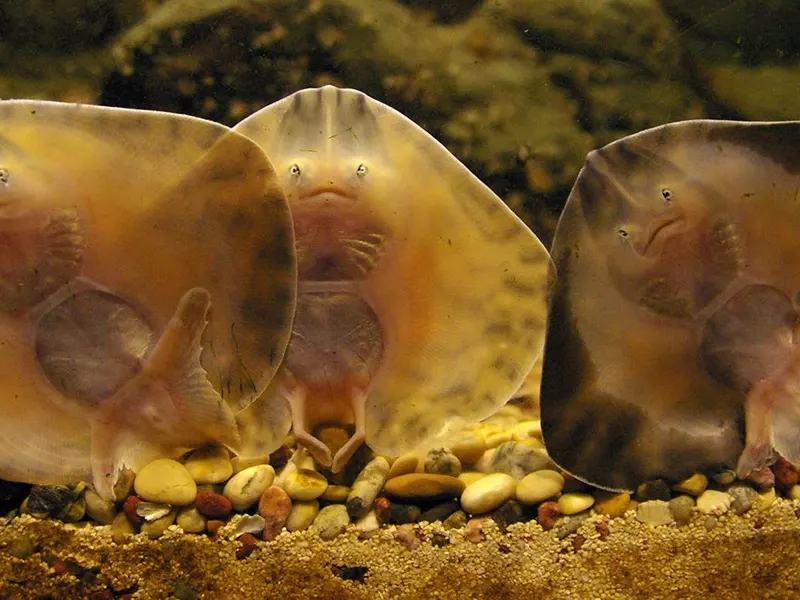
In the shallows at dusk -
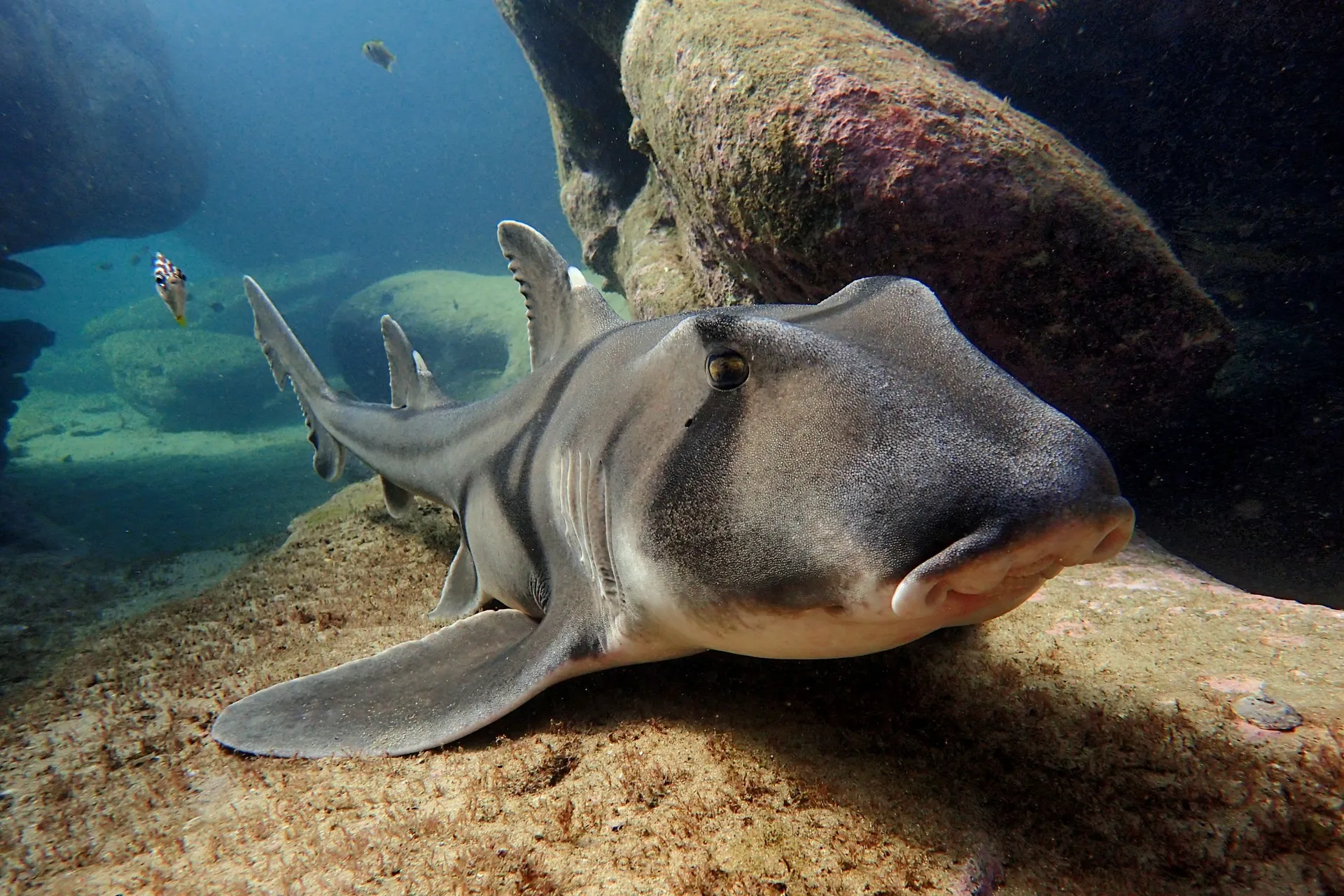
Sheltering on the reef
Go deeper
Size & biology
- Matures: female 53cm; male 50–63cm.
- Max. TL: 63cm.
- Oviparous, little else known about life history and biology.
Conservation status
IUCN Red List: Global: Least Concern (2015) Europe: Least Concern (2015) A little known deepwater catshark taken as bycatch in some trawl fisheries. Its small size and known depth range may prevent it from being taken in large numbers in the Northeast Atlantic.
Management
Subject to prohibitions under the CFP, RFMO and FNA regulations.
Commercial importance
Low commercial importance.
References & further reading
Assessment: GAM/NEA/2020
- Ebert & Stehmann.
- Iglésias, S.
- Ebert et al.
- Iglésias et al.
Take the guides with you
Similar species
-
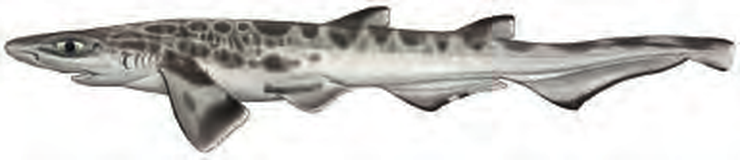 Atlantic Sawtail Catshark
Galeus atlanticus
Atlantic Sawtail Catshark
Galeus atlanticus
-
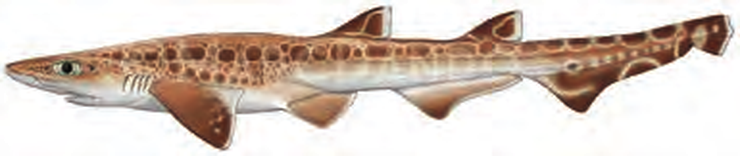 Blackmouth Catshark
Galeus melastomus
Blackmouth Catshark
Galeus melastomus
-
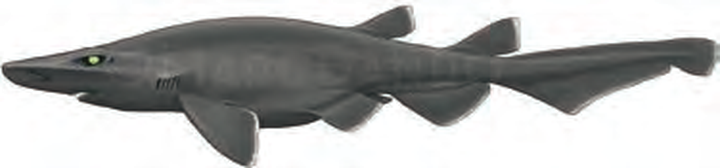 Ghost Catshark
Apristurus manis
Ghost Catshark
Apristurus manis
-
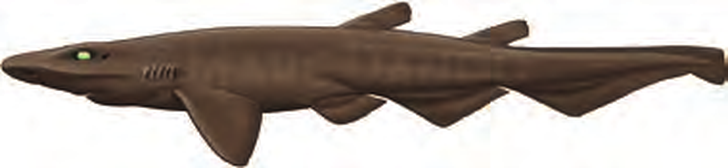 Iceland Catshark
Apristurus laurussonii
Iceland Catshark
Apristurus laurussonii
-
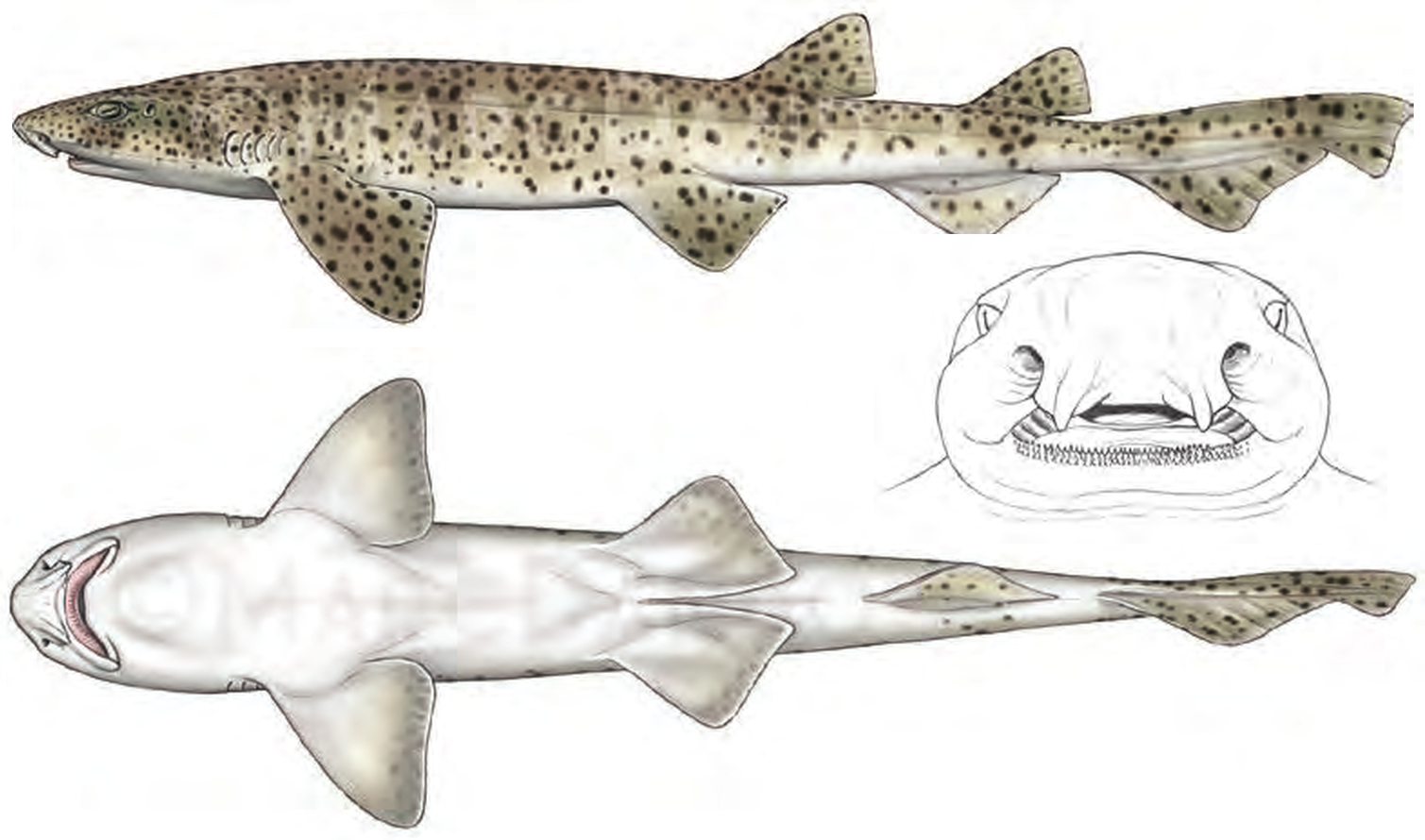 Nursehound
Scyliorhinus stellaris
Nursehound
Scyliorhinus stellaris
-
 Smalleye Catshark
Apristurus microps
Smalleye Catshark
Apristurus microps
-
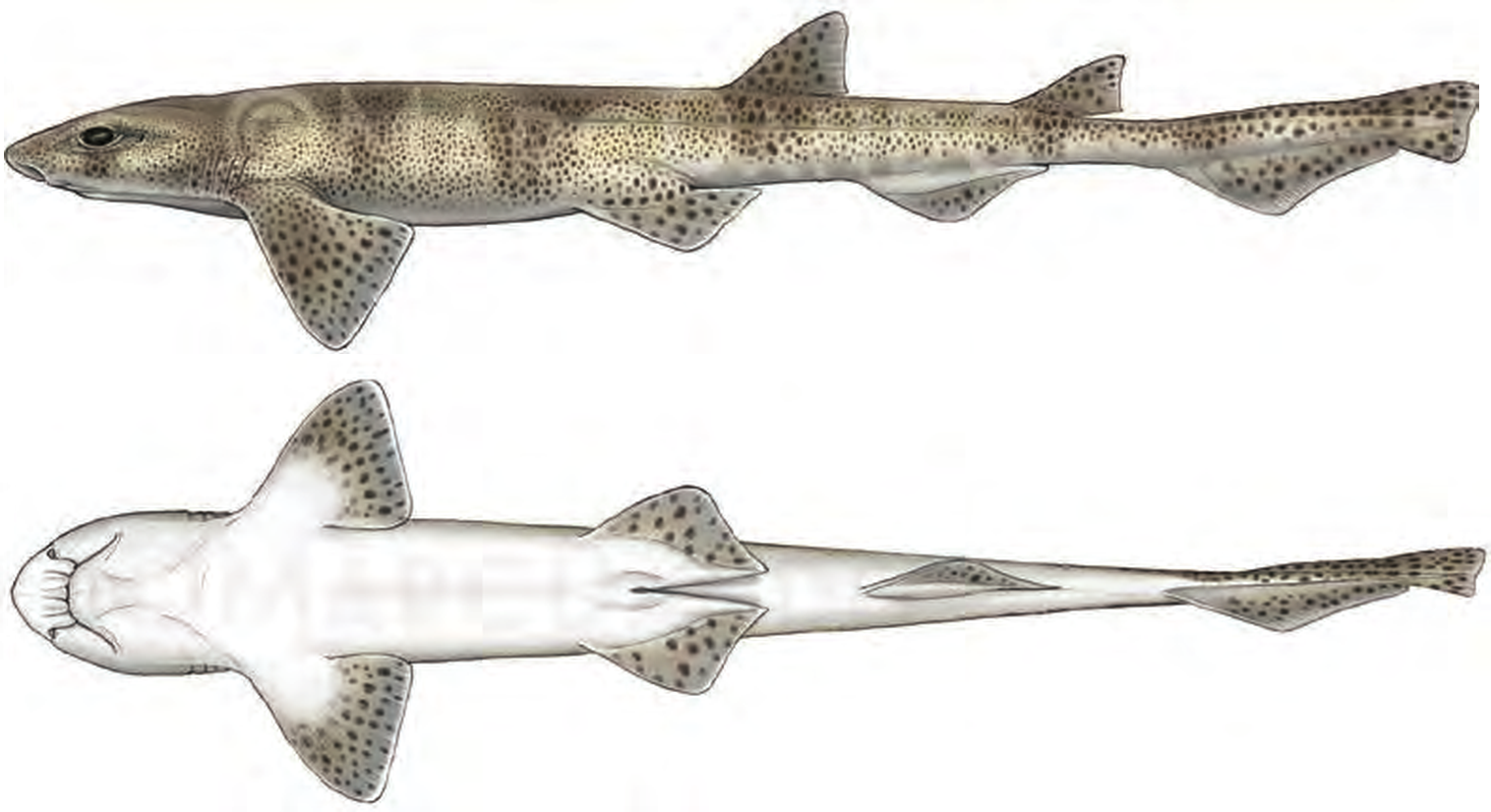 Smallspotted Catshark
Scyliorhinus canicula
Smallspotted Catshark
Scyliorhinus canicula
-
 White Ghost Catshark
Apristurus aphyodes
White Ghost Catshark
Apristurus aphyodes