
Smalleye Catshark
Apristurus microps (Gilchrist, 1922)
Least Concern- Maximum length
- 61 cm
- FAO code
- APX
Meet the Smalleye Catshark
- Also known as
- SMALLEYE CATSHARK, Holbiche porc (FRA), Pejegato puerco (ESP).
How to identify
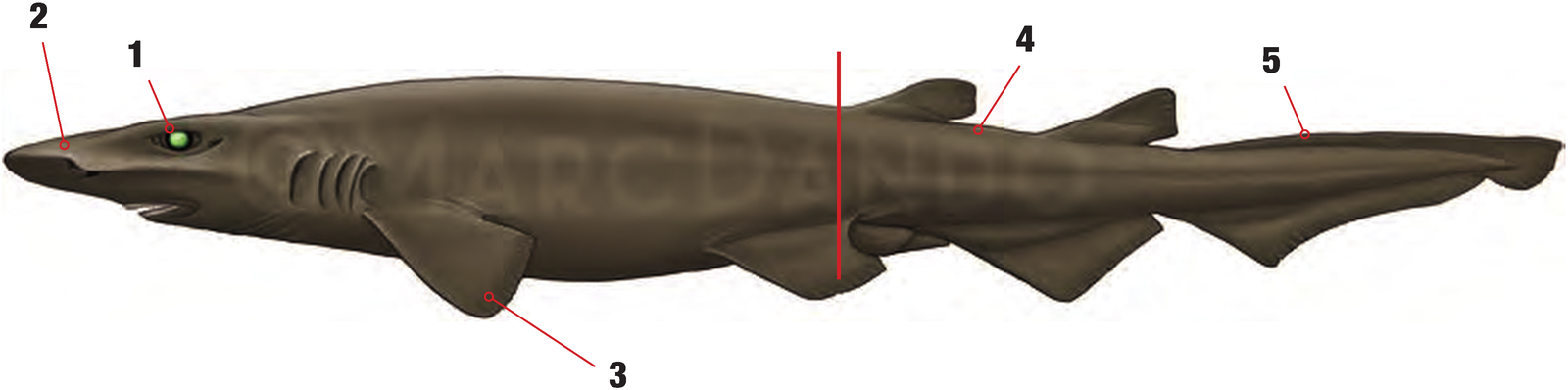
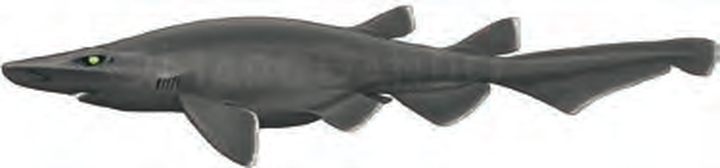
The numbers match the arrows on the illustration.
- Extremely small eyes.
- Long, broad snout.
- Very short pectoral fins.
- Short interdorsal space. First dorsal fin originates at rear of pelvic fin bases.
- Crest of denticles above tail.
Colouring & markings
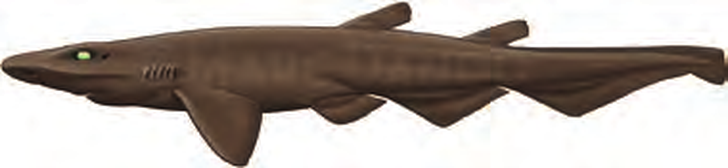
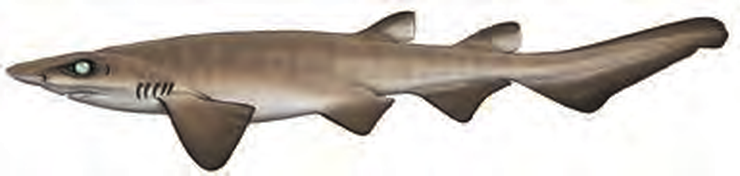
- Uniform dark-brown, grey-brown to purplish-black in colour.
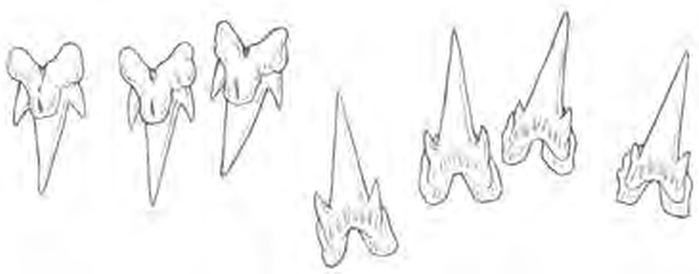
Teeth
Prominent medial cusp, bordered by two or more smaller lateral cusplets. Upper jaw: 36–102. Lower jaw: 31–106.
Eggcase
Small eggcases with fine, longitudinal striations. No tendrils. 47–52mm long.
How big do they get?
Where they live
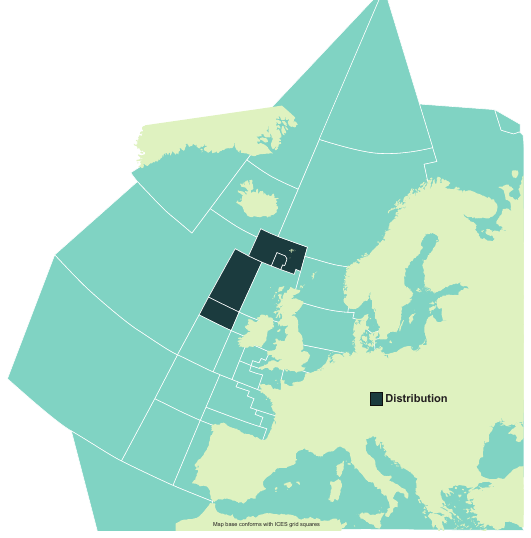
Distribution
Northeast Atlantic between Iceland and Scotland. Northwest Atlantic off Newfoundland Canada and Massachusetts. Also off South Africa.
Habitat
Benthic, found on continental slopes at depths of 700–2,200m. Migrates to midwater to feed. Young migrate from midwater to depths once mature.
In the wild
-

Recorded on a Shark Trust survey dive -
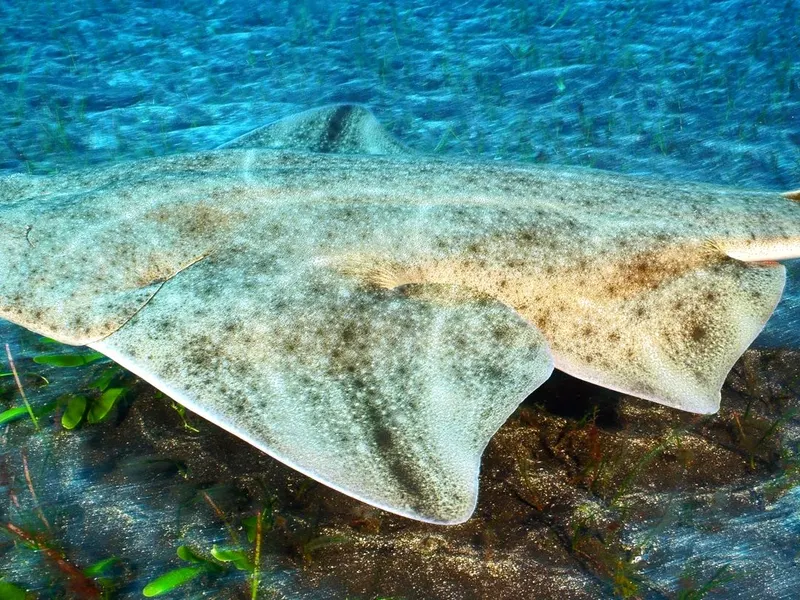
Resting on a sandy seabed -
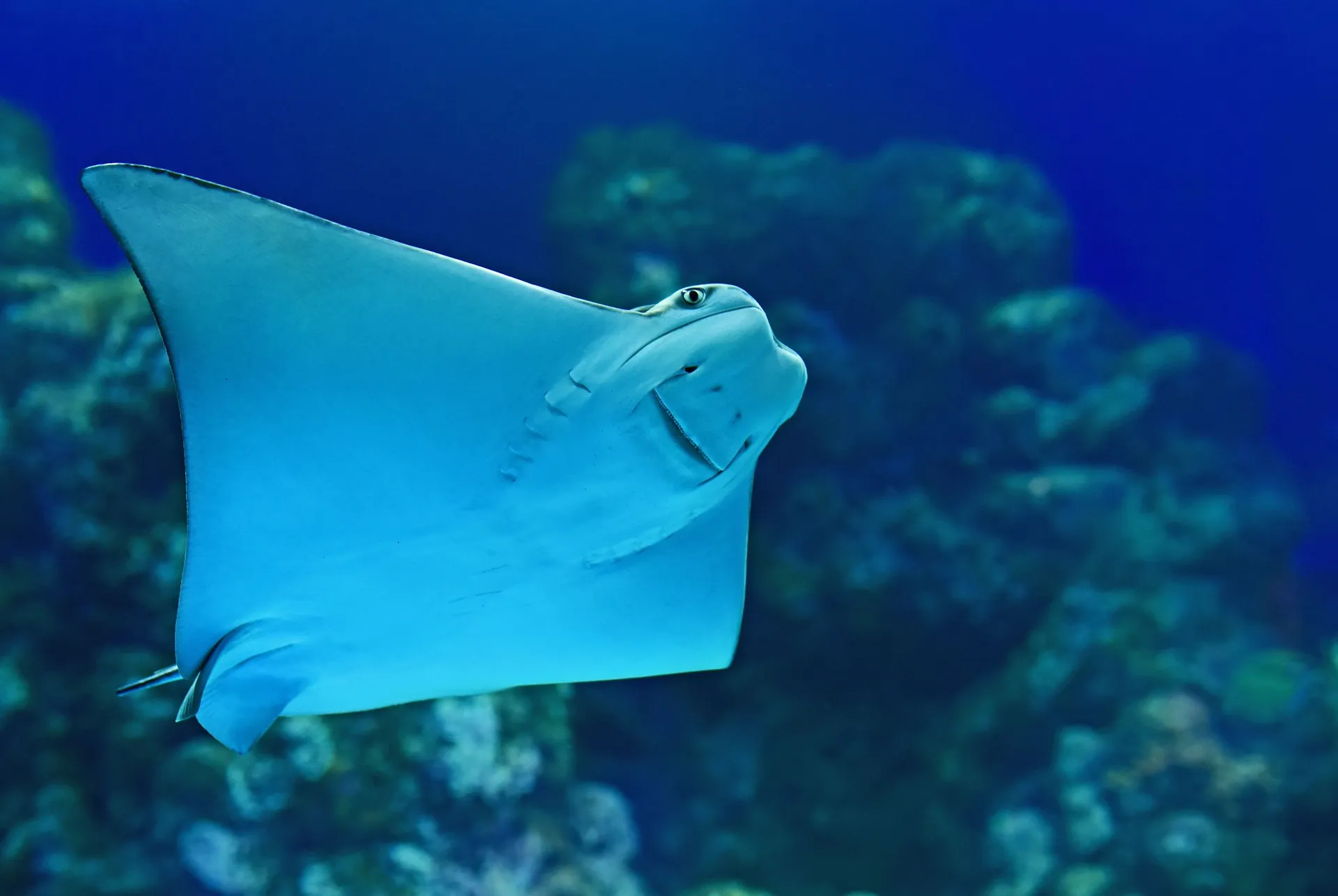
Cruising close to the sea floor -
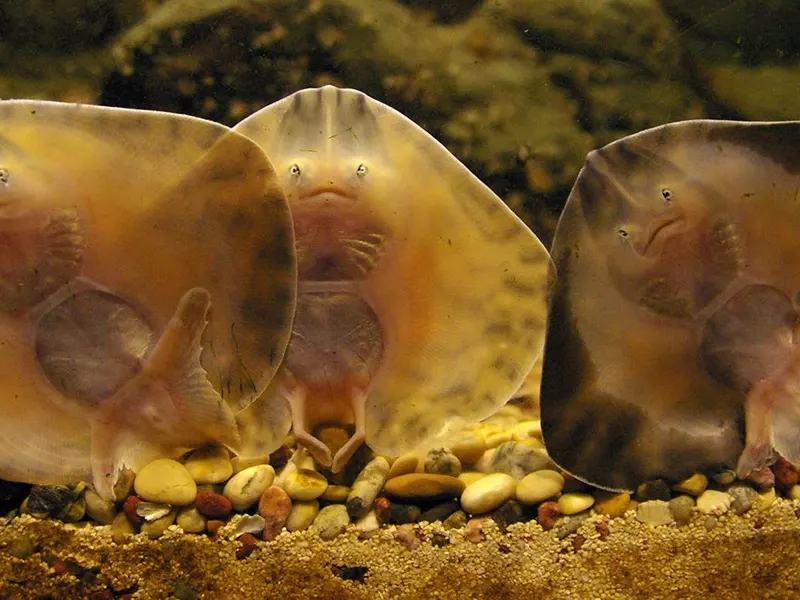
In the shallows at dusk -
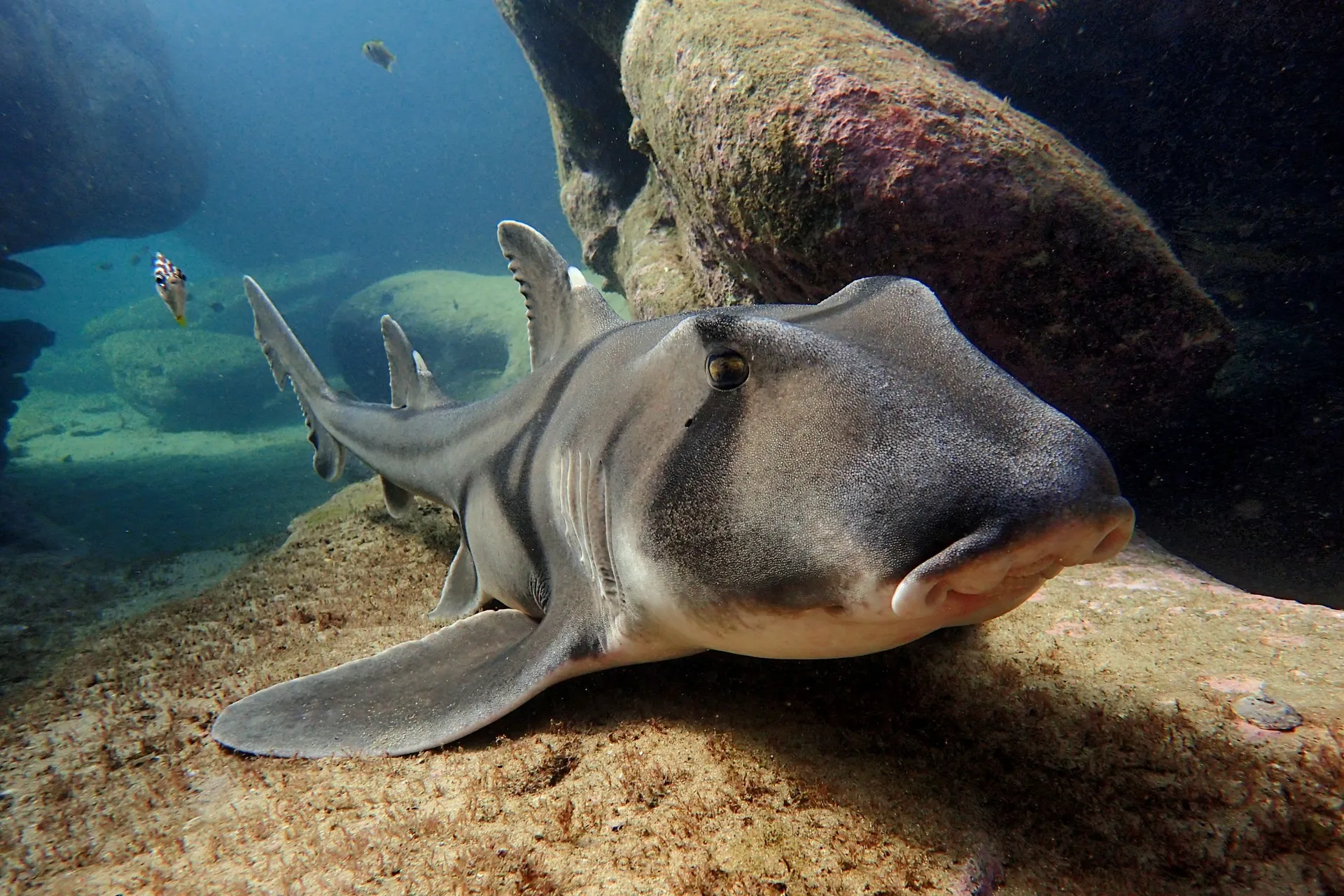
Sheltering on the reef
Go deeper
Size & biology
- Matures: female 47–49cm; male 47–51cm.
- Max. TL: 61cm.
- Oviparous, females appear to lay eggcases year-round. Little else known about the biology of this shark.
- Primarily feeds on small fishes, squid and shrimp.
Conservation status
IUCN Red List: Global: Least Concern (2019) Europe: Least Concern (2015) The Smalleye Catshark is occasionally bycaught in deepwater trawls. Much of its depth range occurs outside of the reach of deepwater fisheries, affording it some protection from overexploitation.
Management
Subject to prohibitions under the CFP and FNA regulations.
Commercial importance
Of no commercial importance, this species is likely discarded when caught in deepwater trawls.
References & further reading
Assessment: APX/NEA/2020
- Pollom et al.
- Ebert et al.
- Ebert & Stehmann.
- Compagno, L.J.V.
- Ebert et al.
- Walls, R.