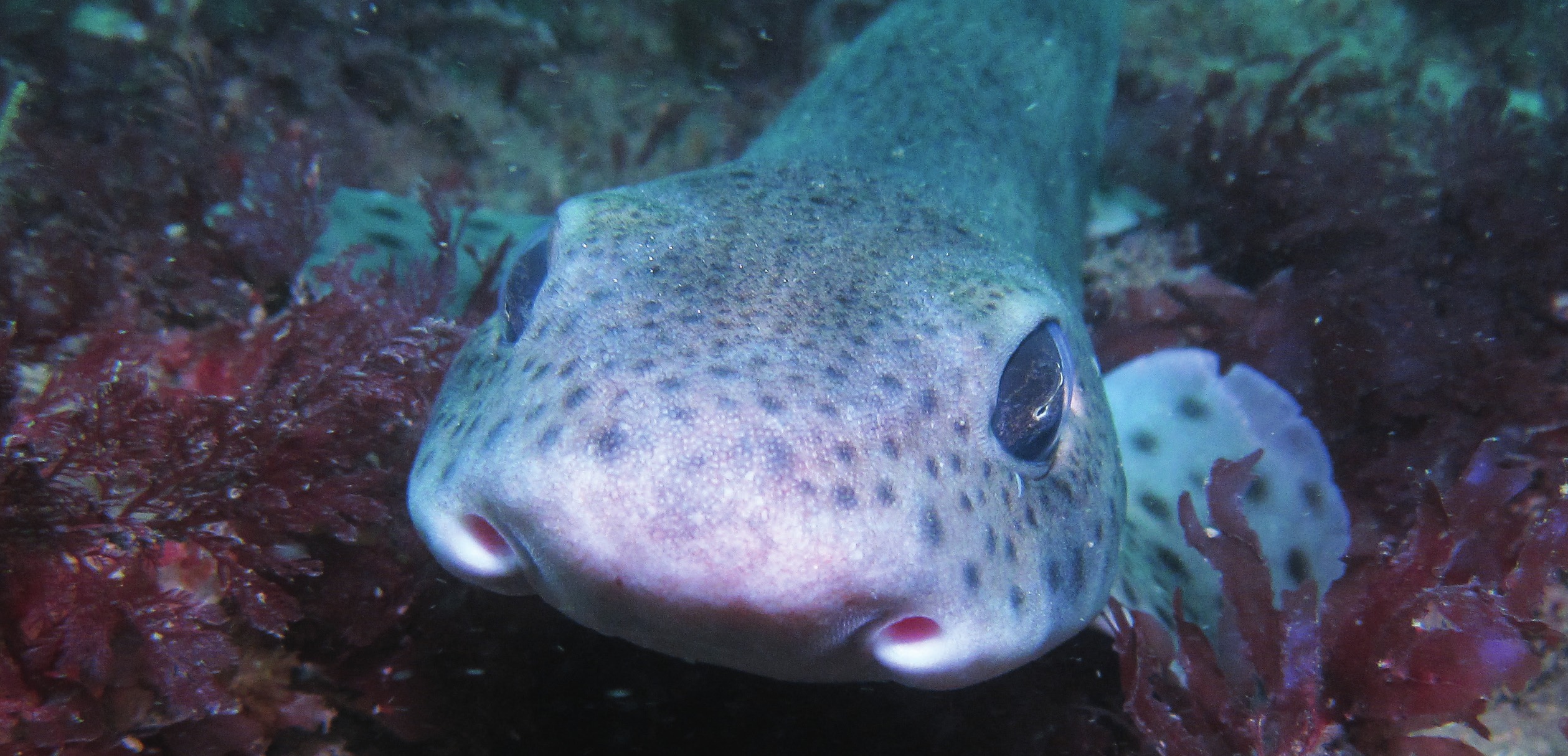
Smallspotted Catshark
Scyliorhinus canicula (Linnaeus, 1758)
Least Concern- Maximum length
- 85 cm
- Depth range
- From surface to at least 300m, primarily to 100m.
- FAO code
- SYC
Meet the Smallspotted Catshark
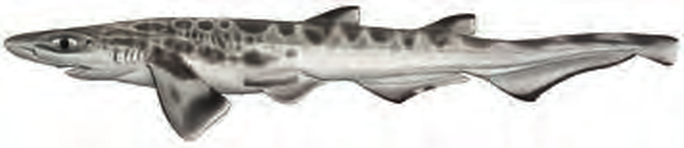
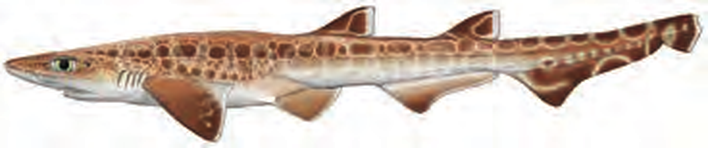
Smallspotted Catsharks, as their name suggests, is the little sibling to the Greater-Spotted Catshark (Nursehound). They are smaller and have more spots than the Nursehound.
- What they eat
- Molluscs, small fishes, cephalopods and crustaceans.
- Also known as
- SMALLSPOTTED CATSHARK, Lesser Spotted Dogfish, Rough Hound, Rock Salmon, Sandy Dogfish, Doggie, Kleiner Katzenhai (DEU), Pintarroja (ESP), Petite Roussette (FRA), Rosetta Minore (ITA), Hondshaai (NLD), Pata-roxa (PRT).
How to identify
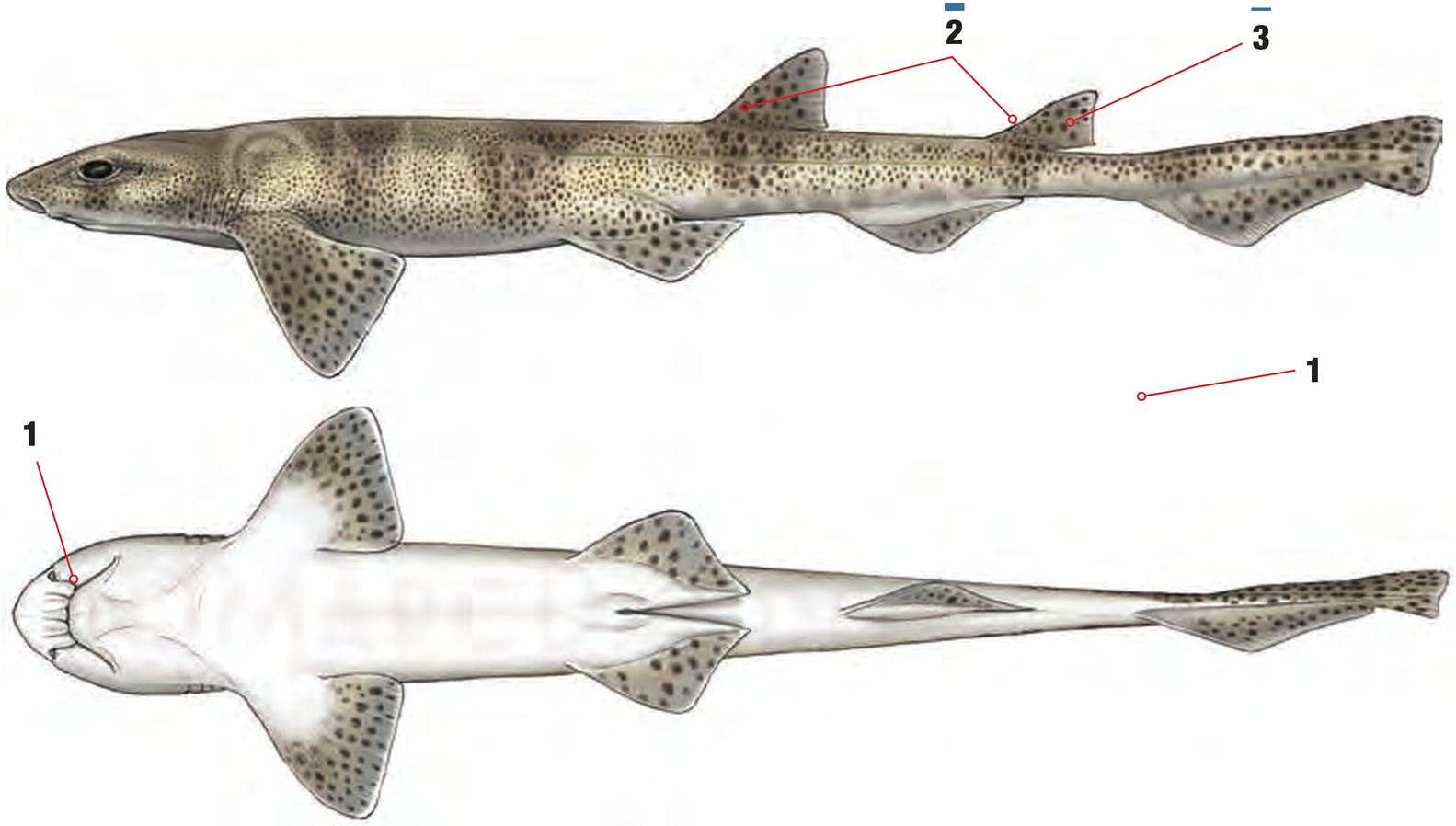
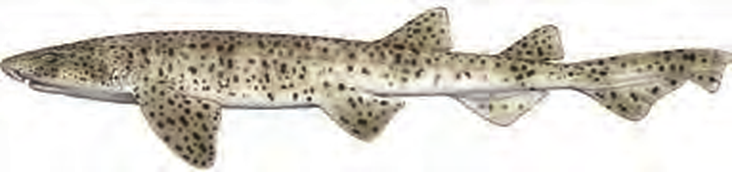
The numbers match the arrows on the illustration.
- Nasal furrows reach the mouth.
- No dorsal spines.
- Second dorsal fin smaller than the first.
Colouring & markings
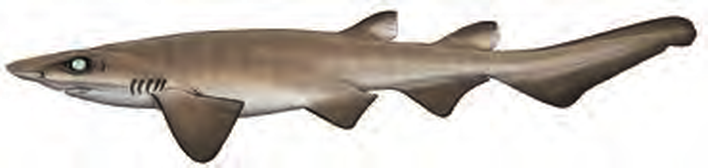
- Creamy beige dorsally with numerous small dark spots. Occasionally scattered white spots present.
- 7–8 dusky saddles sometimes visible.
- Ventral surface uniformly cream.
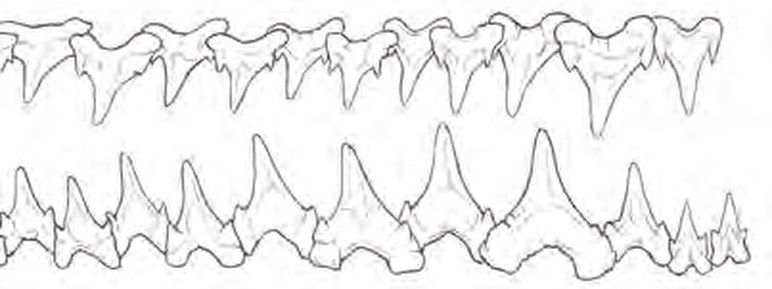
Teeth
Strongly oblique with single cusps to erect with five cusps. Upper jaw: 46–47. Lower jaw: 39–42.
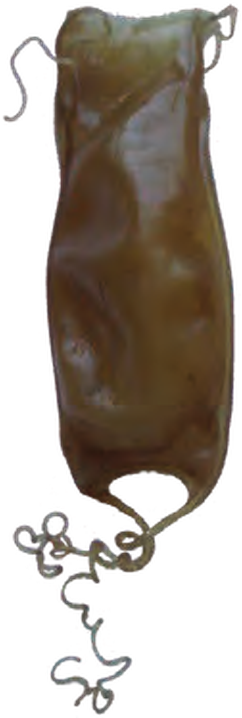
Eggcase
18–31mm wide. 31–74mm long (excl. tendrils). Long tendrils at each corner. Similar shaped eggcase to Nursehound, Scyliorhinus stellaris. Colour varies from pale yellow to brown or black.
How big do they get?
Where they live
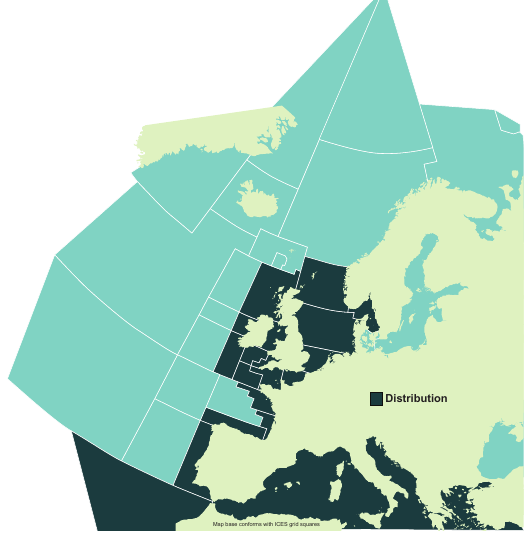
Distribution
Known throughout the Northeast Atlantic. Present from Norway, British Isles and Canary Islands to Senegal, possibly to Ivory Coast. Occurs in the Mediterranean Sea.
Habitat
Bottom dwelling over continental shelves and upper slopes on sandy, muddy, and rocky bottoms. Intertidal to at least 300m, normally to 100m. Nocturnal, spending the day resting on the bottom and hunting at night. Juveniles found in shallow water; adults found deeper and frequently occur in single sex aggregations.
In the wild
-
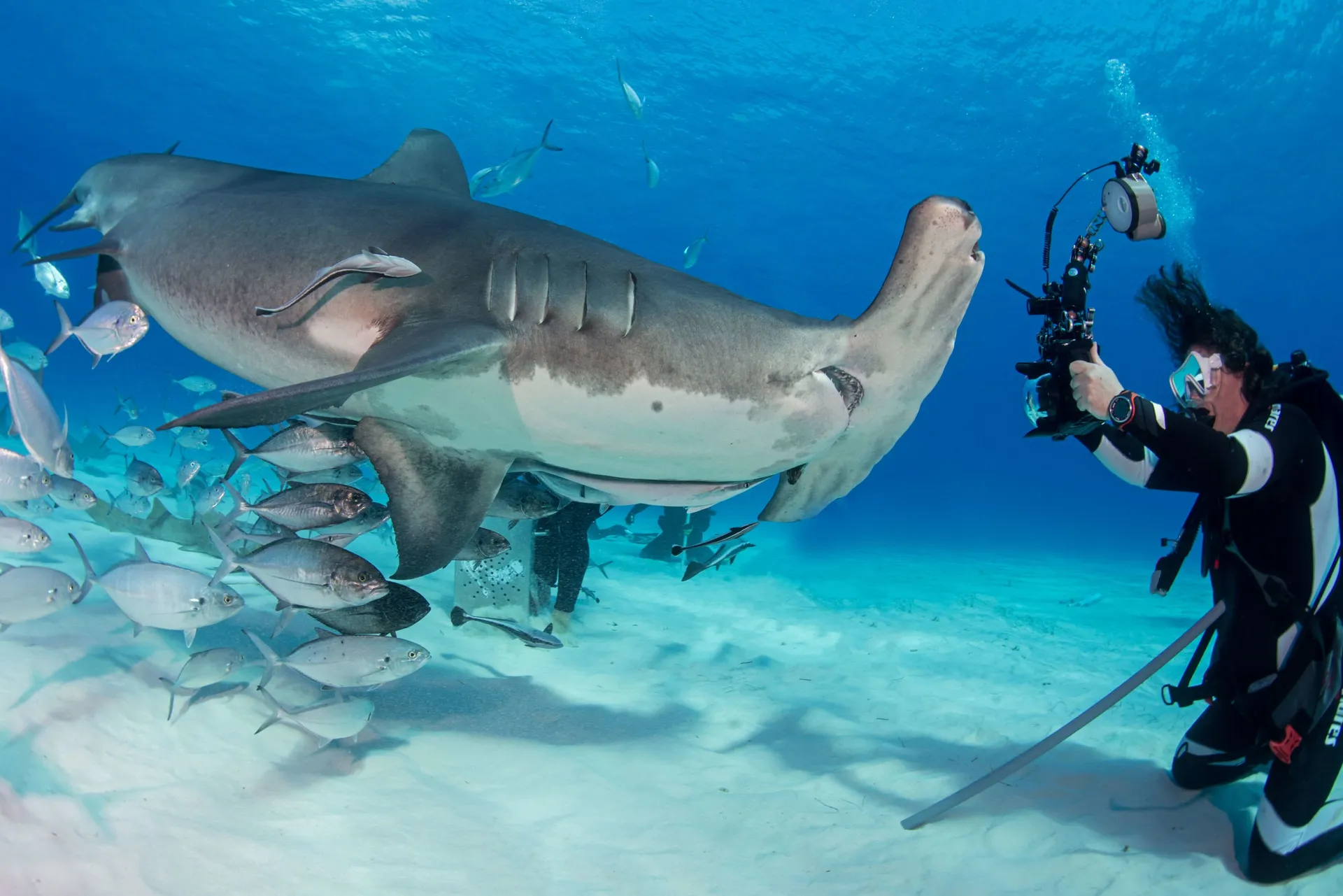
Recorded on a Shark Trust survey dive -
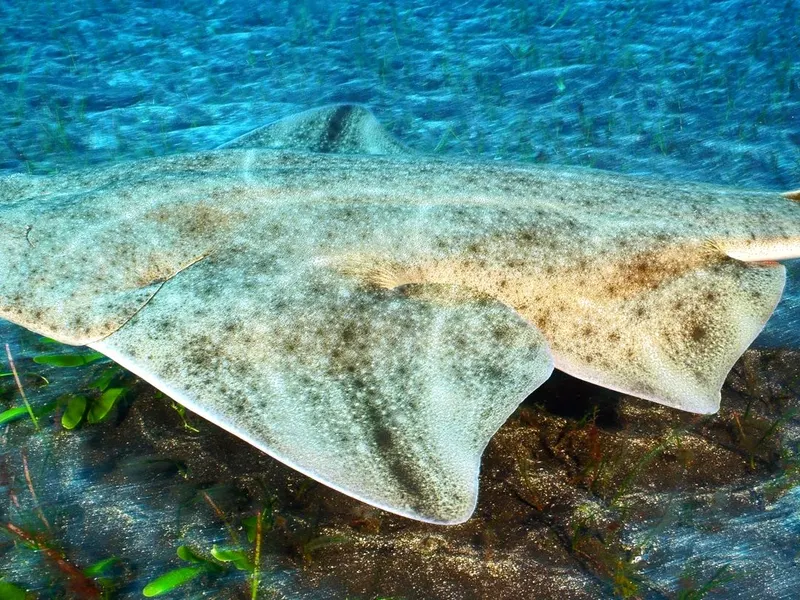
Resting on a sandy seabed -
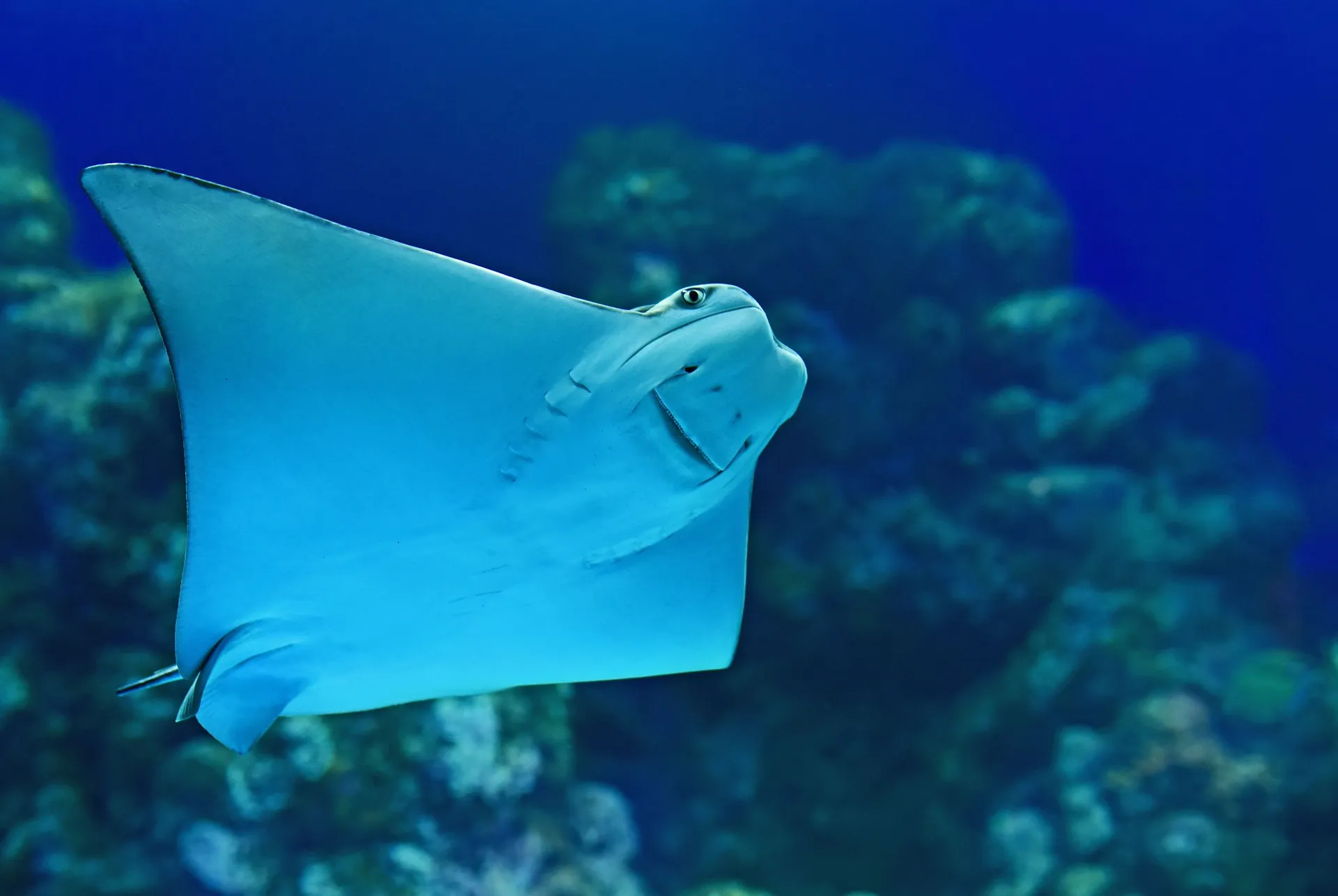
Cruising close to the sea floor -
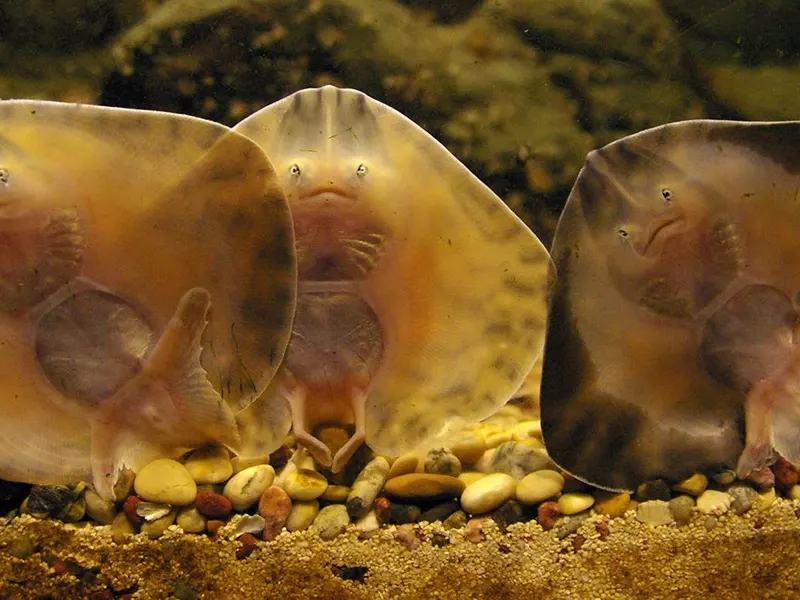
In the shallows at dusk -
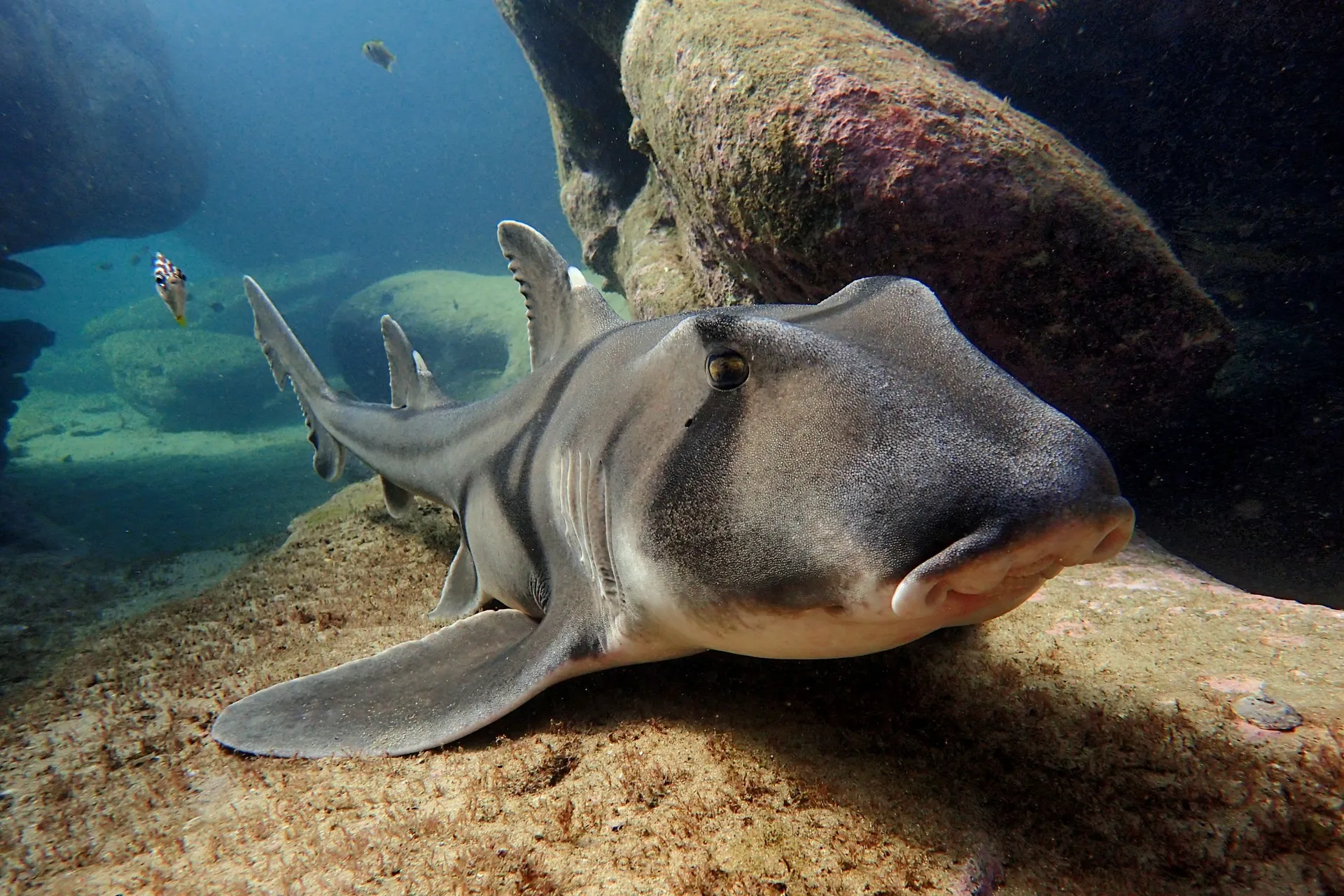
Sheltering on the reef
Go deeper
Size & biology
- Birth: 9–10cm.
- Matures: female 52–65cm (NE Atl.); 44cm (Med.); male 49–55cm (NE Atl.); 39cm (Med.).
- Max. TL: 85cm (British Isles and North Sea).
- Max. age: 20 years.
- Oviparous, eggcases primarily laid November to July. Incubation periods of 5–11 months (most commonly 8–9) reported. 1-3,7
- Females able to store sperm and utilise it for delayed fertilisation.
- Feeds primarily on bottom invertebrates e.g. crustaceans, gastropods, polychaete worms, small cephalopods and fishes.
Conservation status
IUCN Red List: Global: Least Concern (2009) Europe: Least Concern (2015) Mediterranean: Least Concern (2016) One of the most abundant elasmobranch species in the Northeast Atlantic and Mediterranean. Life history characteristics may enable it to withstand current levels of exploitation.
Management
No species-specific management in the Northeast Atlantic. Subject to FNA regulations.
Commercial importance
Taken as bycatch in bottom trawl, fixed bottom nets and gill nets, and longline fisheries. Commercially valuable in parts of its range such as in Italy where it is retained and utilised fresh, or dried- salted for human consumption. Also utilised for liver oil, fish meal and as bait in pot fisheries. Studies show that discard survival rate is high.
References & further reading
Assessment: SYC/NEA/2020
- Ebert & Stehmann.
- Ebert et al.
- Ellis et al.
- Ellis et al.
- Sims, D.W.
- Bendiab et al.
- Serena et al.
- Griffiths et al.
- Gordon et al.