Kitefin Shark
Dalatias licha (Bonnaterre, 1788)
Vulnerable- Maximum length
- 1.59 m
- Depth range
- From 40 to 1,800m. Primarily to >200m.
- FAO code
- SCK
Meet the Kitefin Shark
- Also known as
- KITEFIN SHARK, Black Shark, Darkie Charlie, Seal Shark, Schokoladenhai (DEU), Carocho (ESP), Squale Liche (FRA), Zigrino (ITA), Zwarte Haai (NLD), Gata (PRT).
How to identify
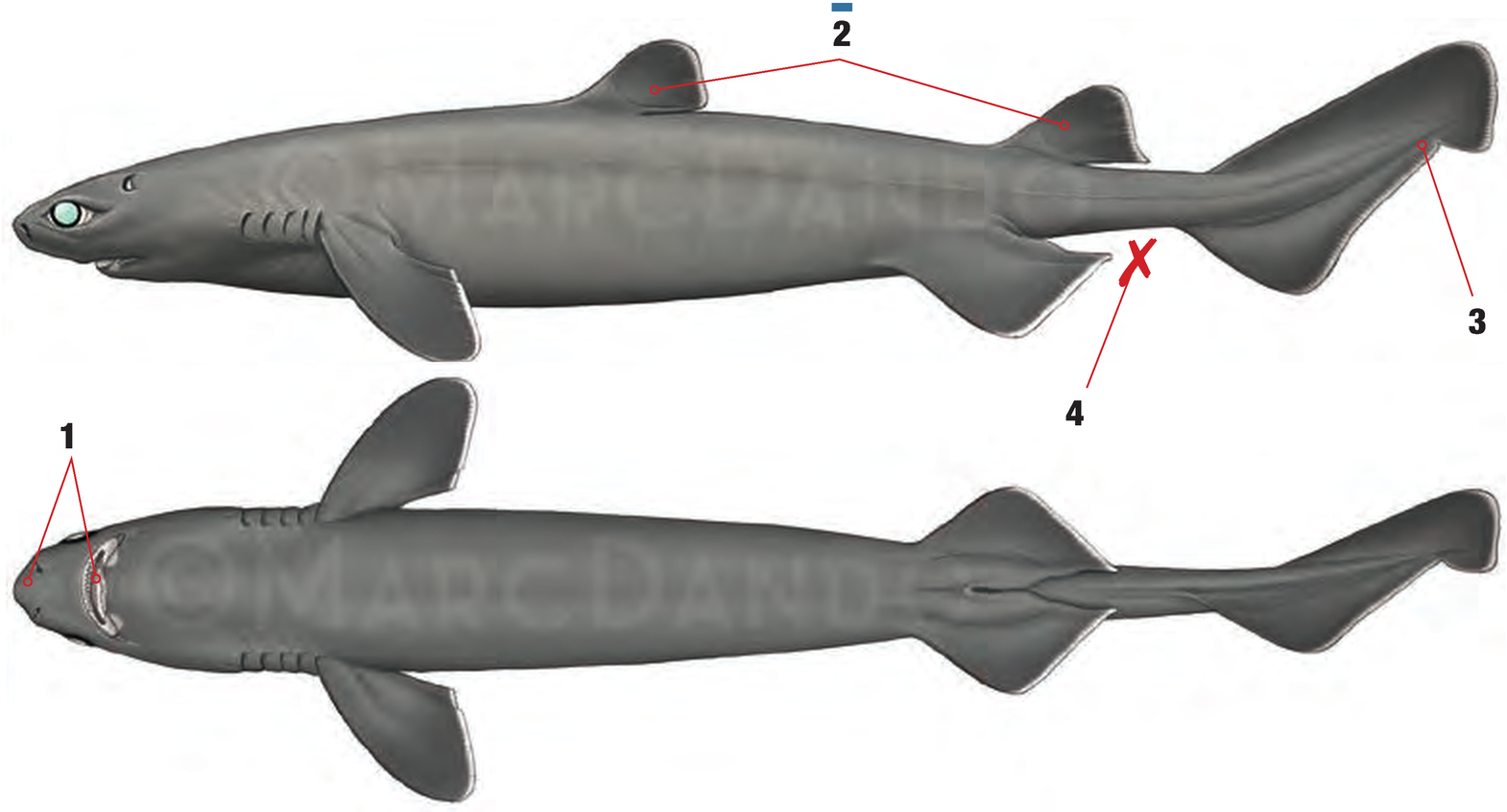
The numbers match the arrows on the illustration.
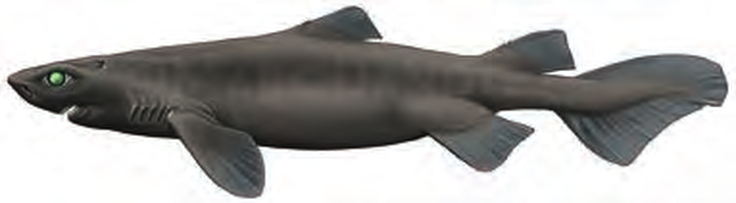
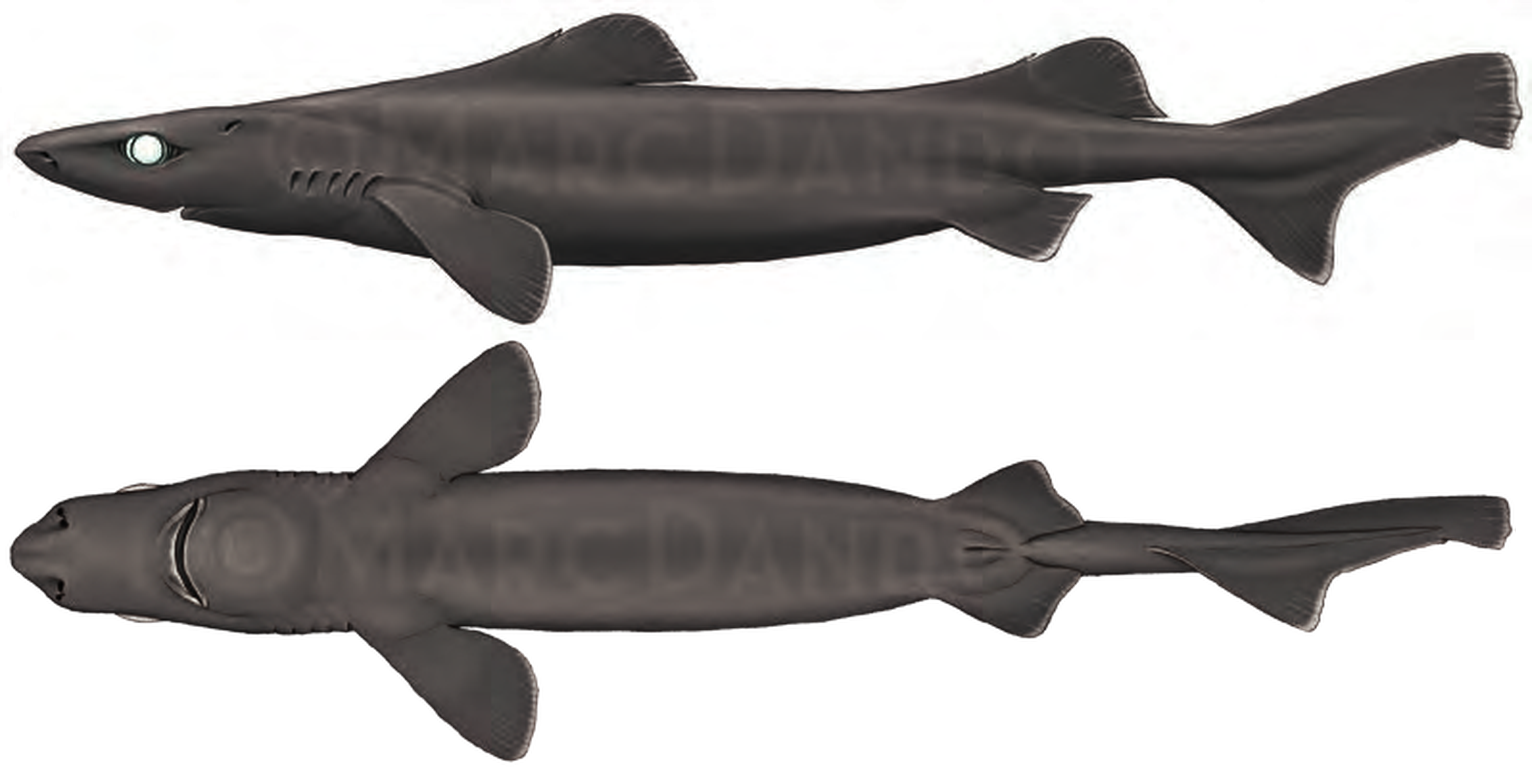
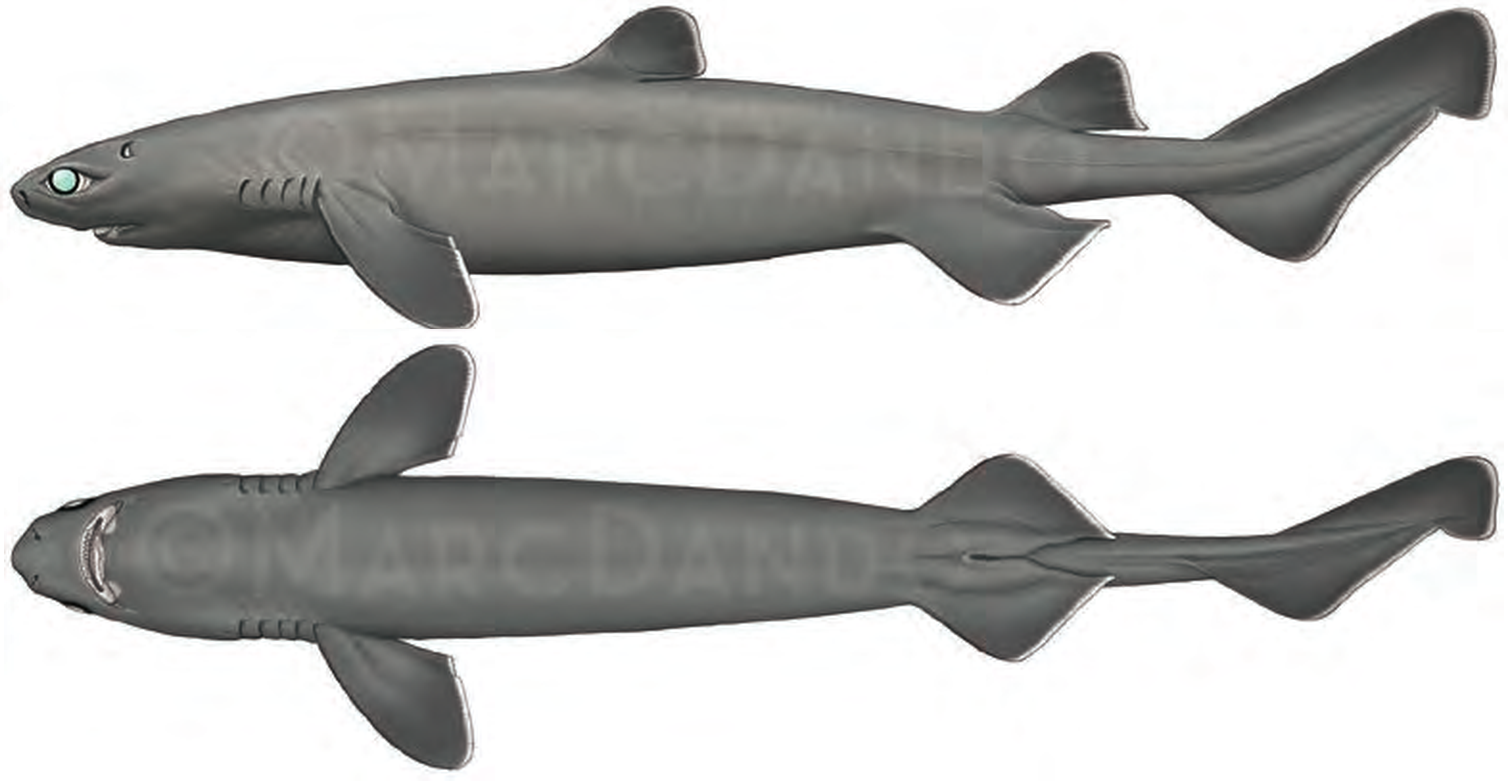
- Short, blunt snout with thick fringed lips.
- Dorsal fins almost equal in size with no spines.
- Large upper caudal lobe with distinct sub-terminal notch.
- No anal fin.
Colouring & markings
- Deep brown to greyish to black. Sometimes with poorly defined black spots on dorsal surface.
- Trailing edge of most fins are translucent.
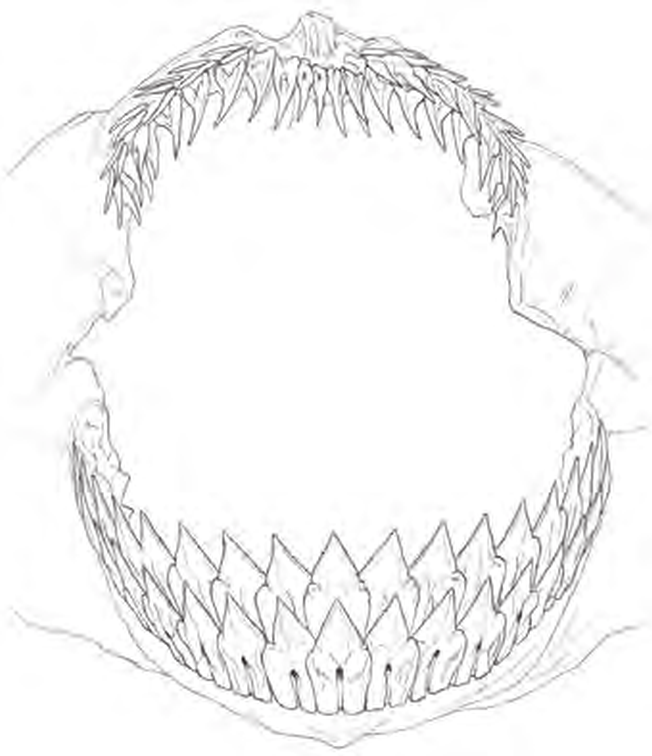
Teeth
Upper jaw: 16–21; slender, awl shaped upper teeth sloping toward the corners of the mouth. Lower jaw: 17–20; large, triangular, serrated lower teeth.
How big do they get?
Where they live
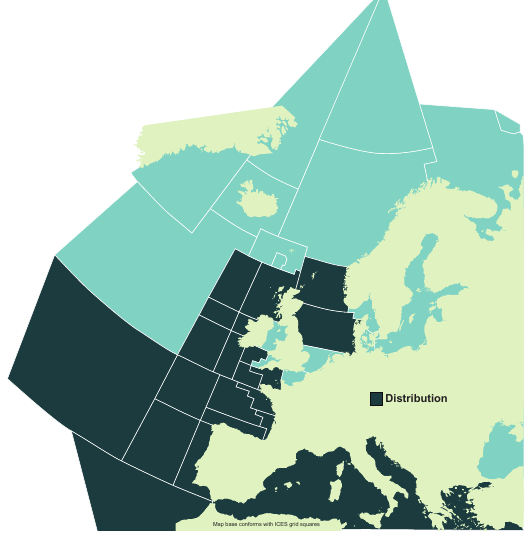
Distribution
Worldwide but patchy distribution. Northeast Atlantic from Norway, the Atlantic slope of the British Isles and the Mediterranean to Northwest Africa and the Gulf of Guinea. Also found in the Western Atlantic, Indian and Pacific Oceans.
Habitat
Deepwater shark found from 37–1,800m; most common >200m. Primarily demersal, but known to occur in midwater, on outer continental and insular shelves and slopes.
In the wild
-
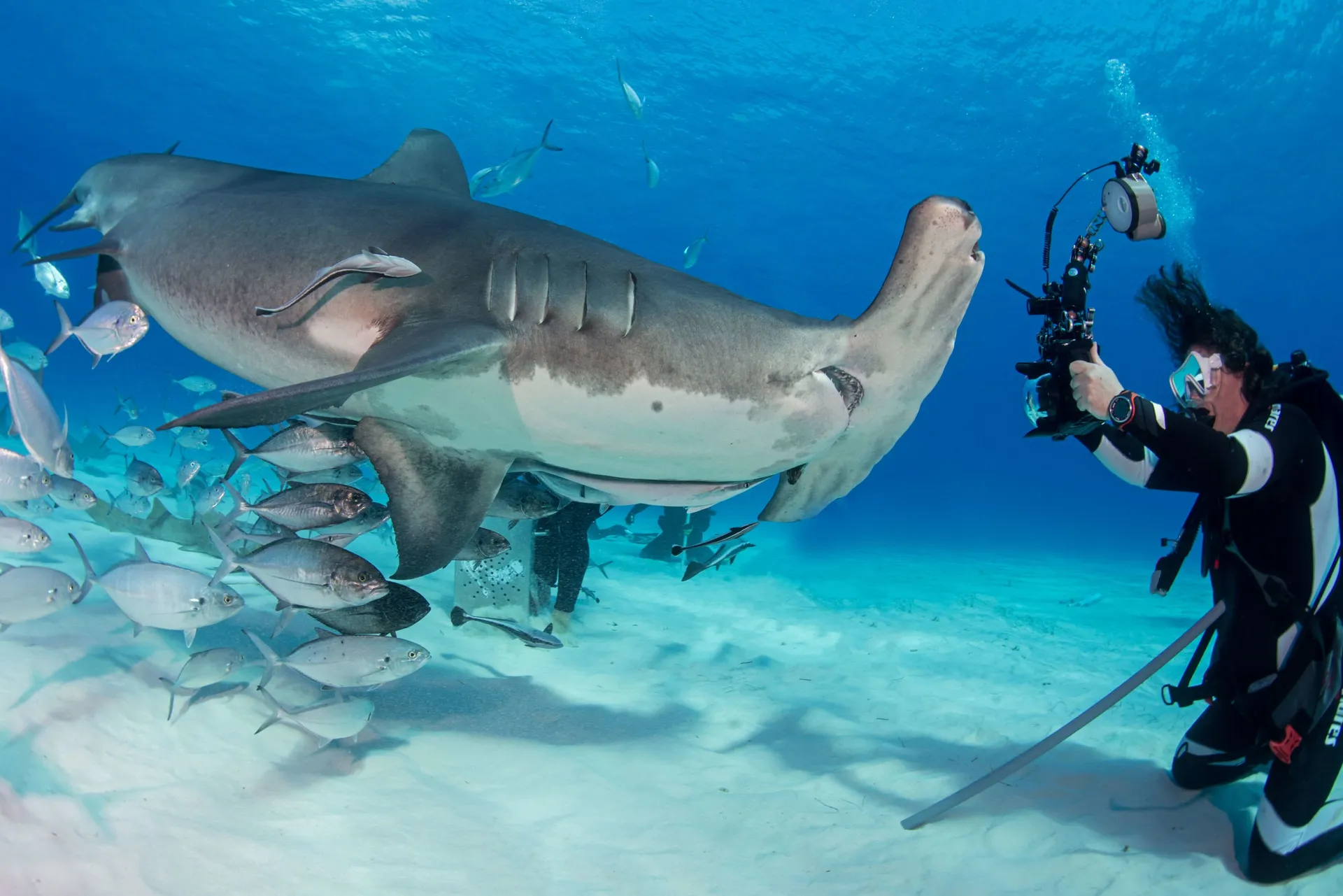
Recorded on a Shark Trust survey dive -
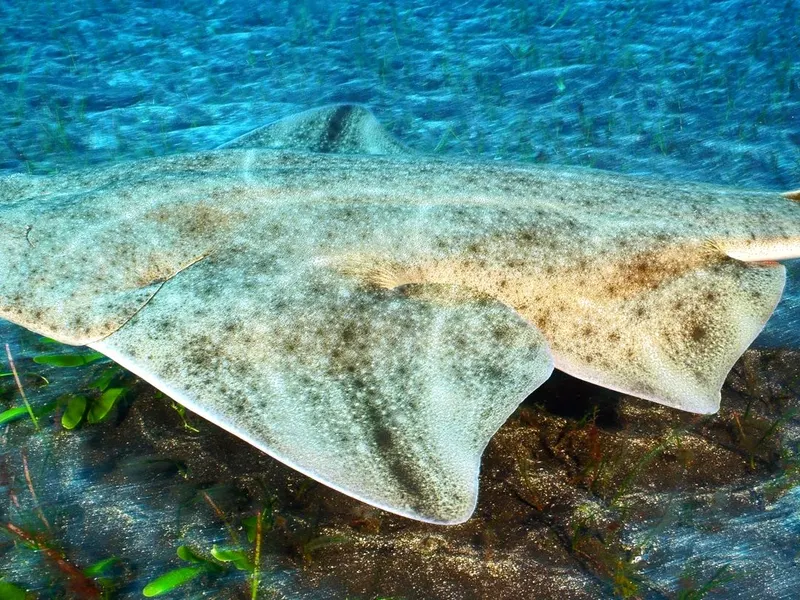
Resting on a sandy seabed -
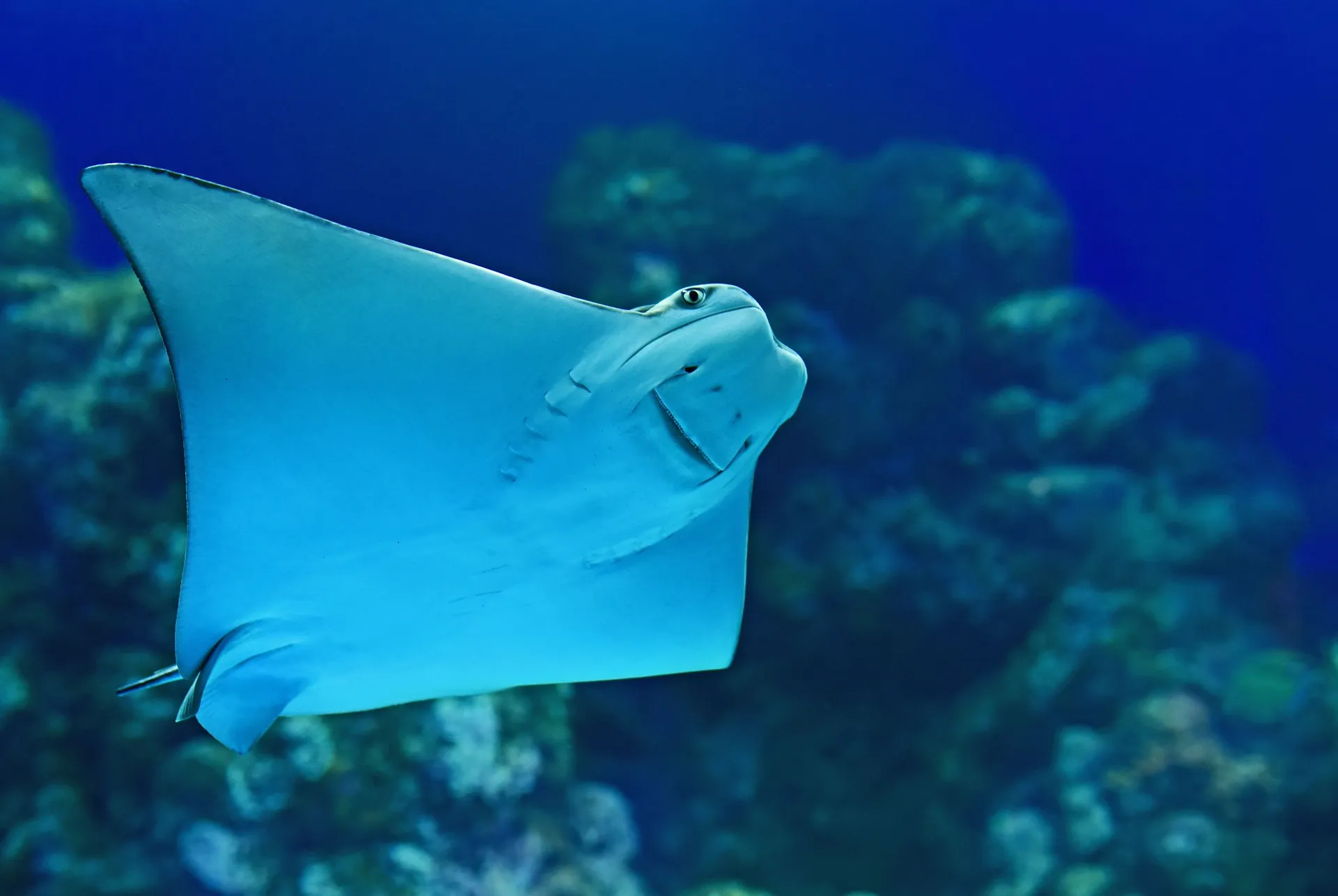
Cruising close to the sea floor -
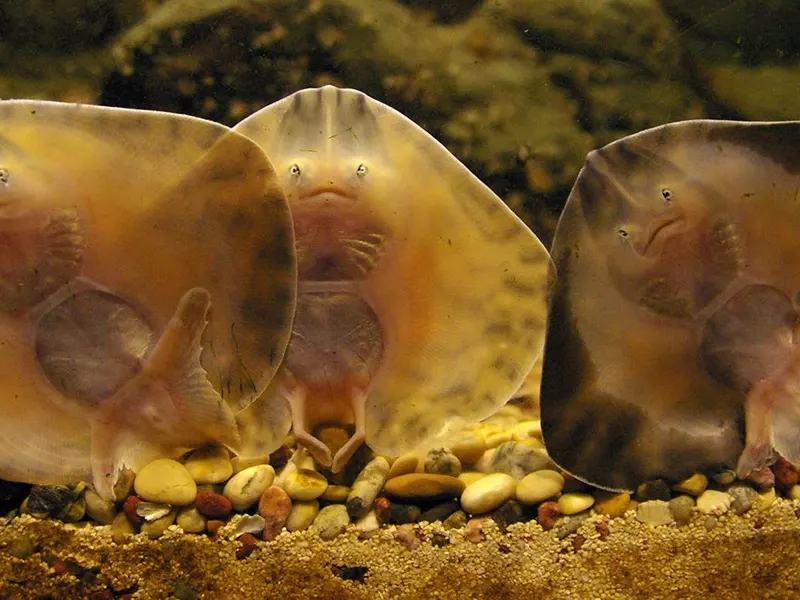
In the shallows at dusk -
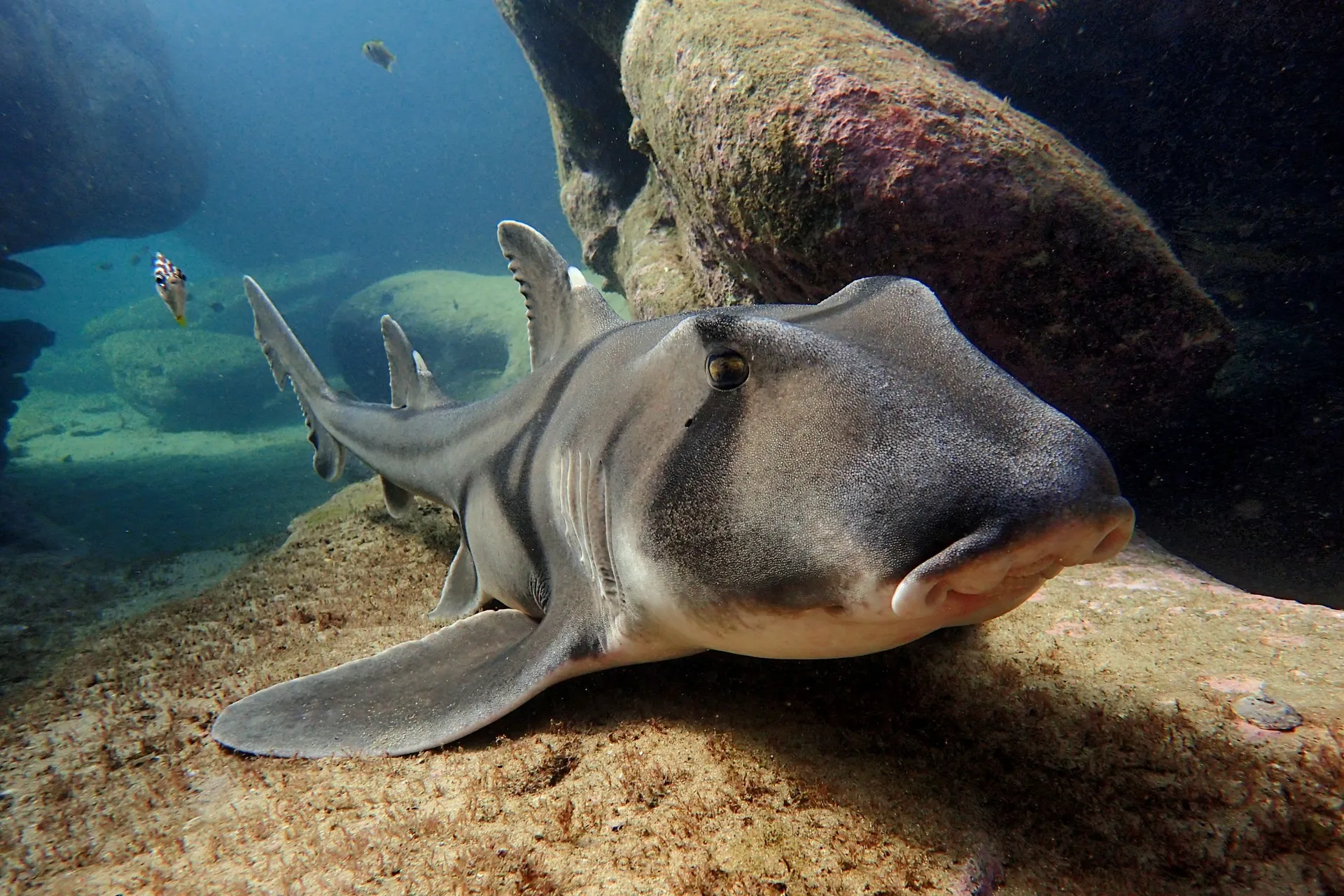
Sheltering on the reef
Go deeper
Size & biology
- Birth: 30–40cm.
- Matures: female 120cm; male 100cm.
- Max. TL: 159cm, possibly to 182cm.
- Max. age est.: 29 years.
- Ovoviviparous, litters of 3–16 pups (avg. 6−8). Reproduction occurs throughout the year, with greater activity during summer and autumn.
- Versatile demersal and mid-water predator; feeds predominantly on teleosts, small demersal sharks, cephalopods and crustaceans.
- Appears to be solitary, not displaying the aggregating behaviour associated with some other dogfish.
Conservation status
IUCN Red List: Global: Vulnerable (2018) Europe: Endangered (2015) Mediterranean: Vulnerable (2016) Formerly taken in targeted fishery around the Azores. Bycatch in a range of deepwater fisheries, mortality likely extremely high following discarding. The fragmented distribution and life history characteristics of this shark make it vulnerable to fishing pressure, with population declines noted in the Northeast Atlantic.
Management
Subject to prohibitions under the CFP, RFMO and FNA regulations.
Commercial importance
Currently there are no target fisheries for Kitefin Shark in Northeast Atlantic waters. Taken as bycatch and utilised across parts of its range for human consumption, fish meal and liver oil – which has a high squalene content.
References & further reading
Assessment: SCK/NEA/2020
- Ebert & Stehmann.
- ICES WGEF Report.
- Finucci et al.
- Ebert et al.
- Navarro et al.