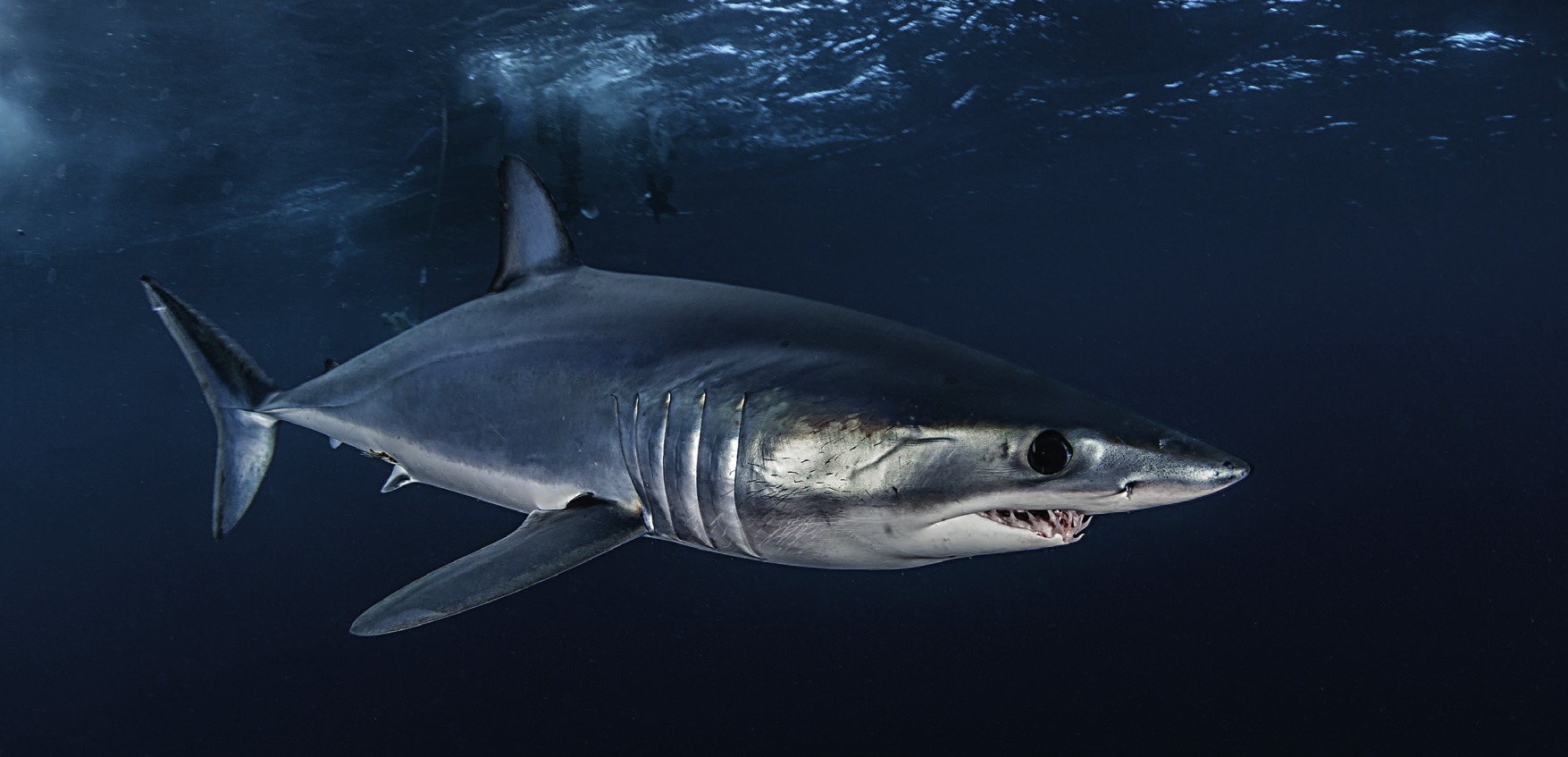
Shortfin Mako Shark
Isurus oxyrinchus Rafinesque, 1810
Endangered- Maximum length
- 4 m
- Depth range
- From surface to 890m.
- FAO code
- SMA
Meet the Shortfin Mako Shark
The Shortfin Mako Shark, known for its incredible speed and sleek body, is a formidable apex predator of the ocean, boasting a distinctive crescent-shaped tail and a reputation as one of the fastest swimmers in the sea. may eat small marine mammals.
- What they eat
- Bony fish, squid, larger individuals
- Also known as
- SHORTFIN MAKO, Mako, Blue Pointer, Mackerel Shark, Makrelenhai (DEU), Marrajo dientuso (ESP), Taupe Bleu (FRA), Kortvinmakreelhaai (NLD), Anequim (PRT).
How to identify
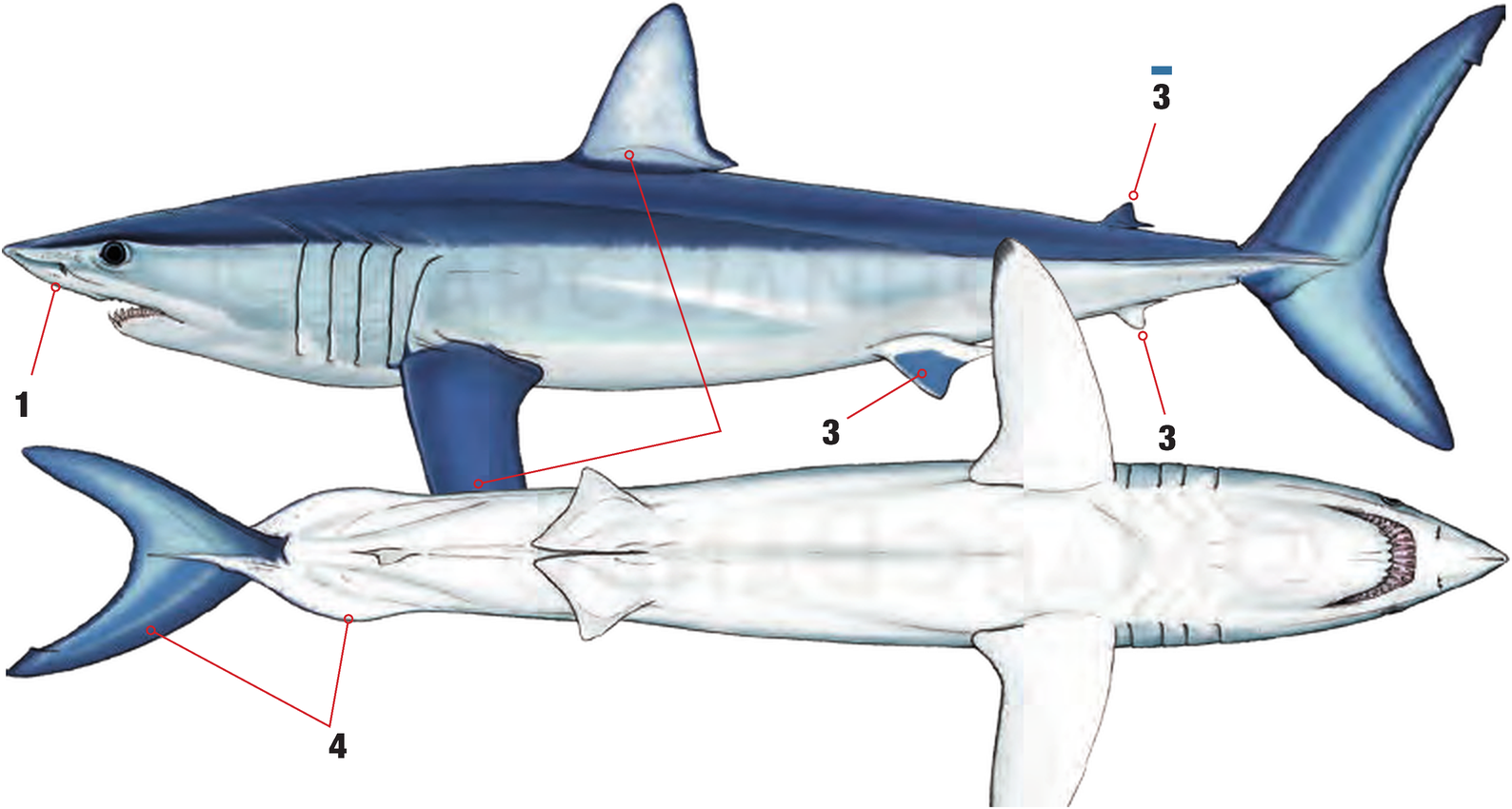
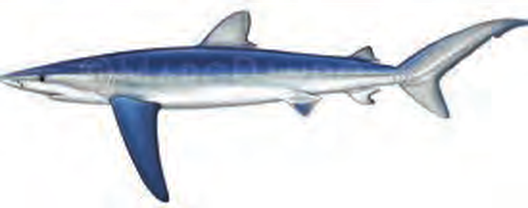
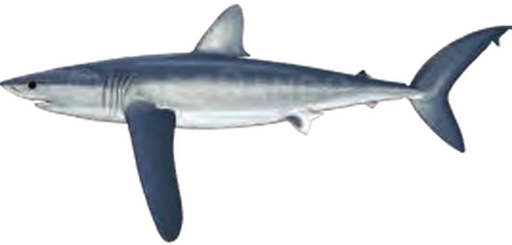
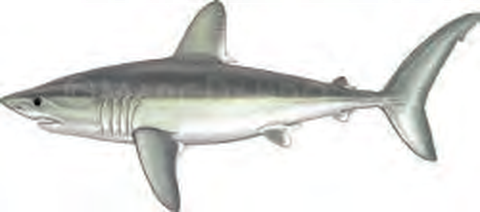
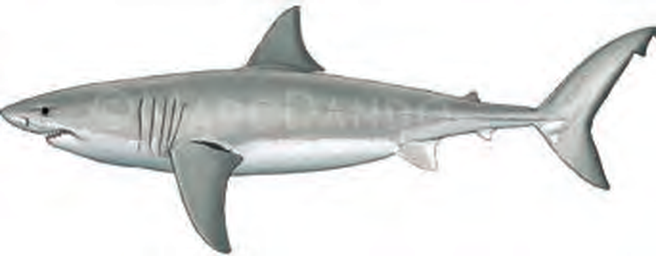
The numbers match the arrows on the illustration.
- Streamlined with long pointed snout.
- Large first dorsal and pectoral fins.
- Small second dorsal, anal and pelvic fins.
- Crescent shaped caudal fin with single keel.
Colouring & markings
- Metallic blue or purple dorsally.
- White ventrally, distinct demarcation line along flank.
Teeth
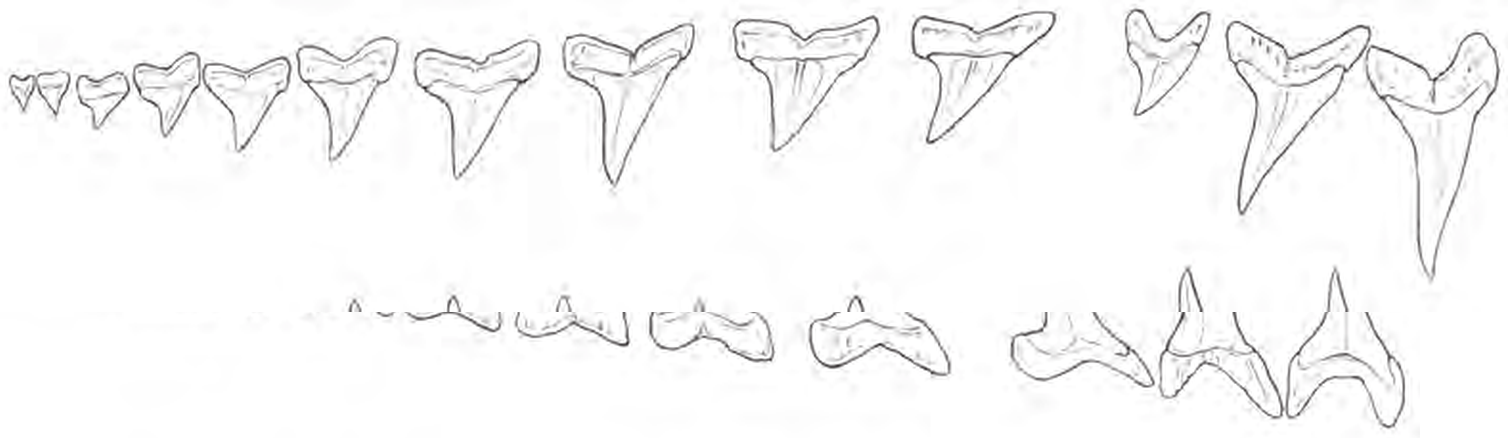
Single cusped, awl-shaped teeth without serrations. Tips of lower front teeth visible when mouth is shut. Large specimens (>300cm) have broader, triangular upper Upper jaw: 24–26. Lower jaw: 24–29.
How big do they get?
Where they live
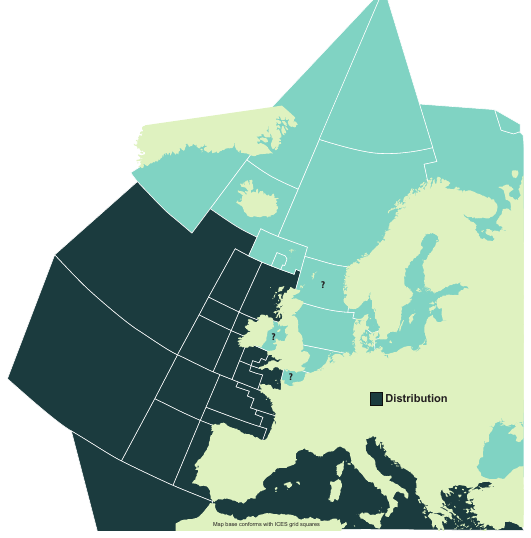
Distribution
Circumglobal in temperate and tropical seas. Found from 60°N in the Northern Atlantic to 50°S. Eastern Atlantic from British Isles to South Africa, incl. the Mediterranean Sea.
Habitat
Pelagic, oceanic shark, found from surface to 888m. Prefers water 17–20°C, can be found to 10°C. Migrates seasonally to follow warmer waters and known to make long distance journeys of > 3000km. Primarily a solitary species, forms aggregations when food is abundant. Segregates by sex.
In the wild
-
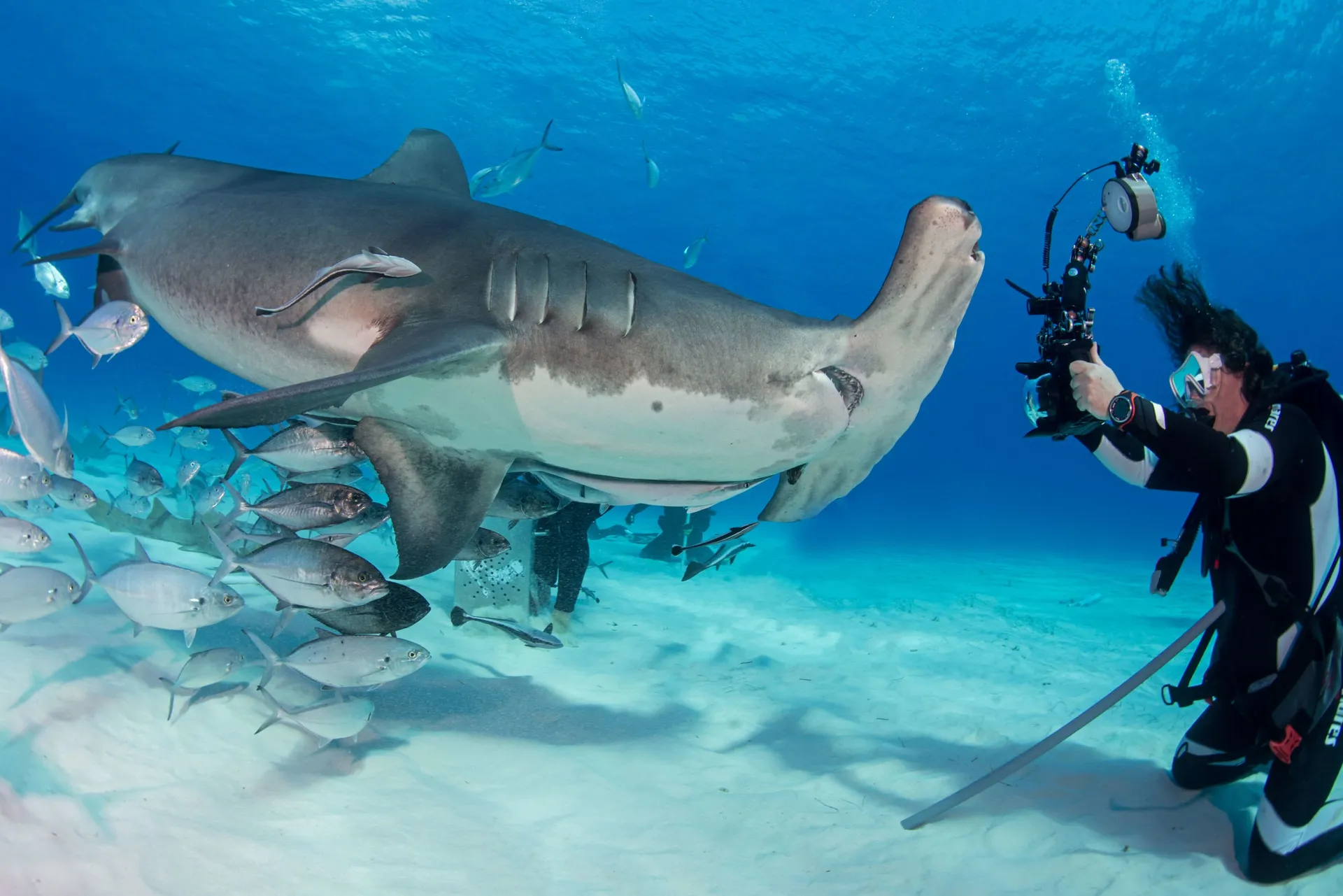
Recorded on a Shark Trust survey dive -
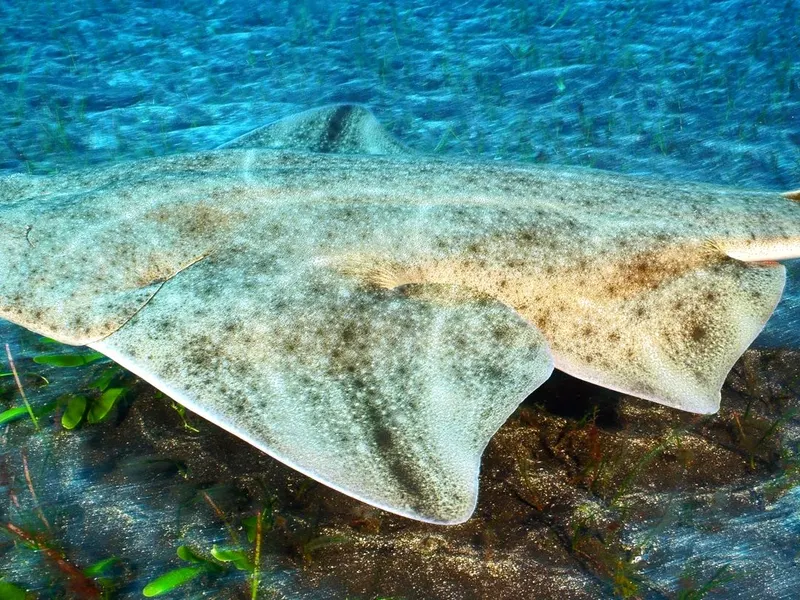
Resting on a sandy seabed -
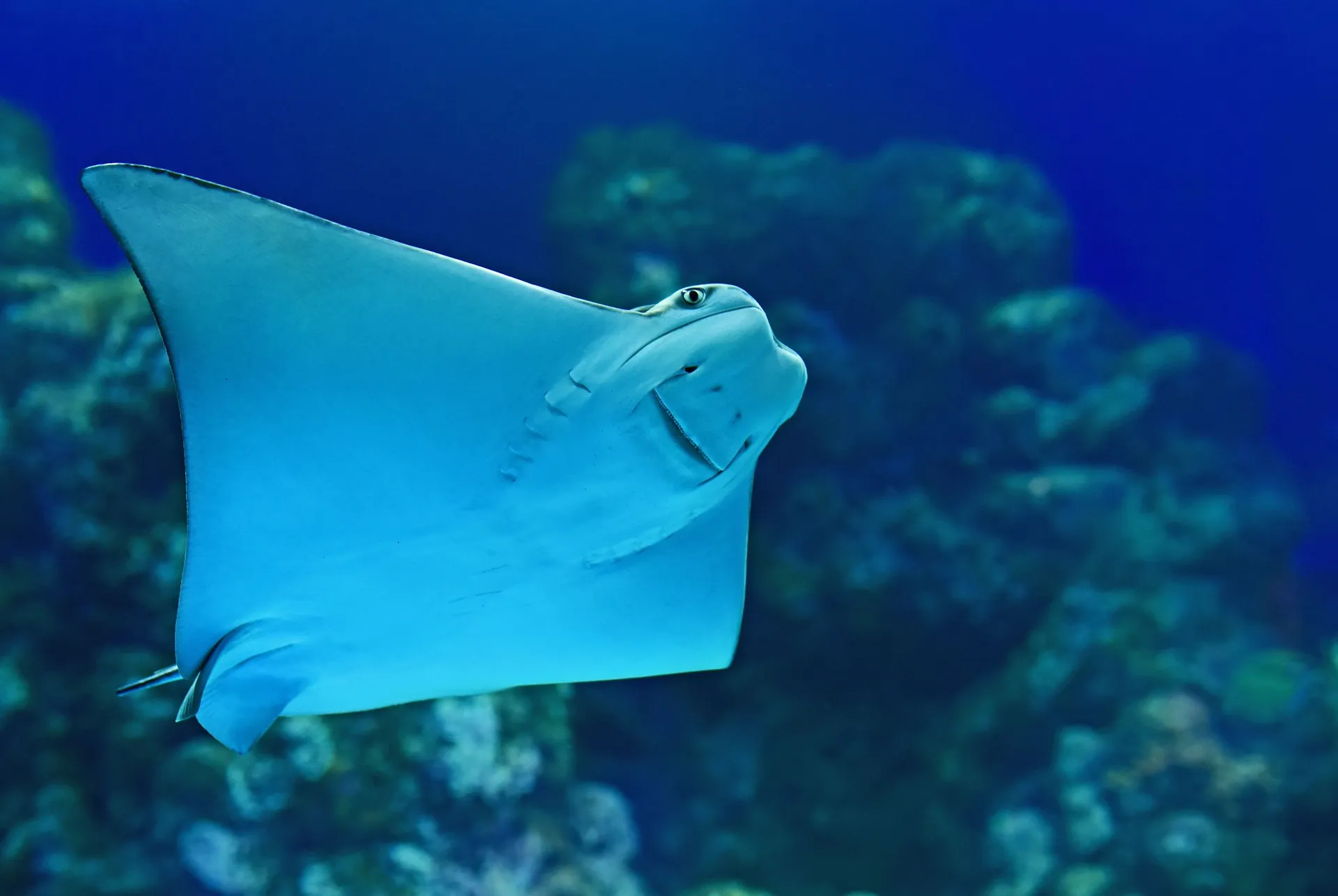
Cruising close to the sea floor -
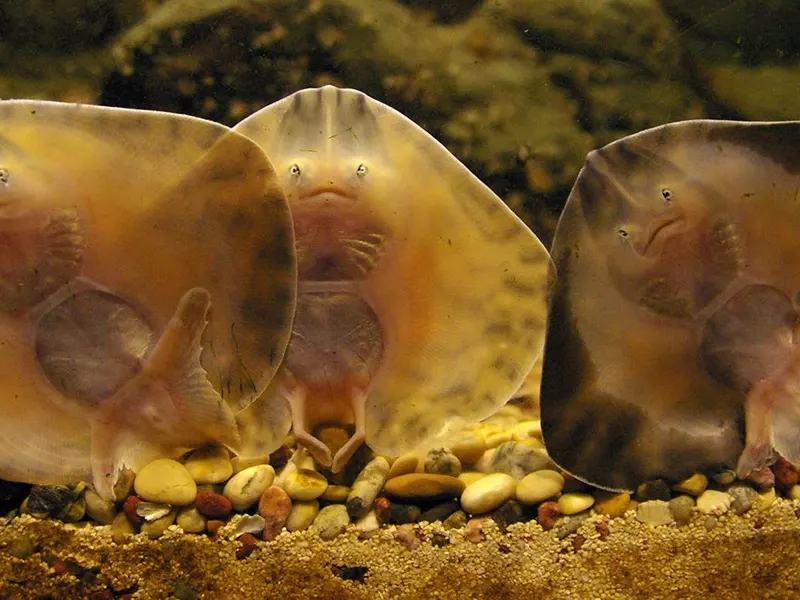
In the shallows at dusk -
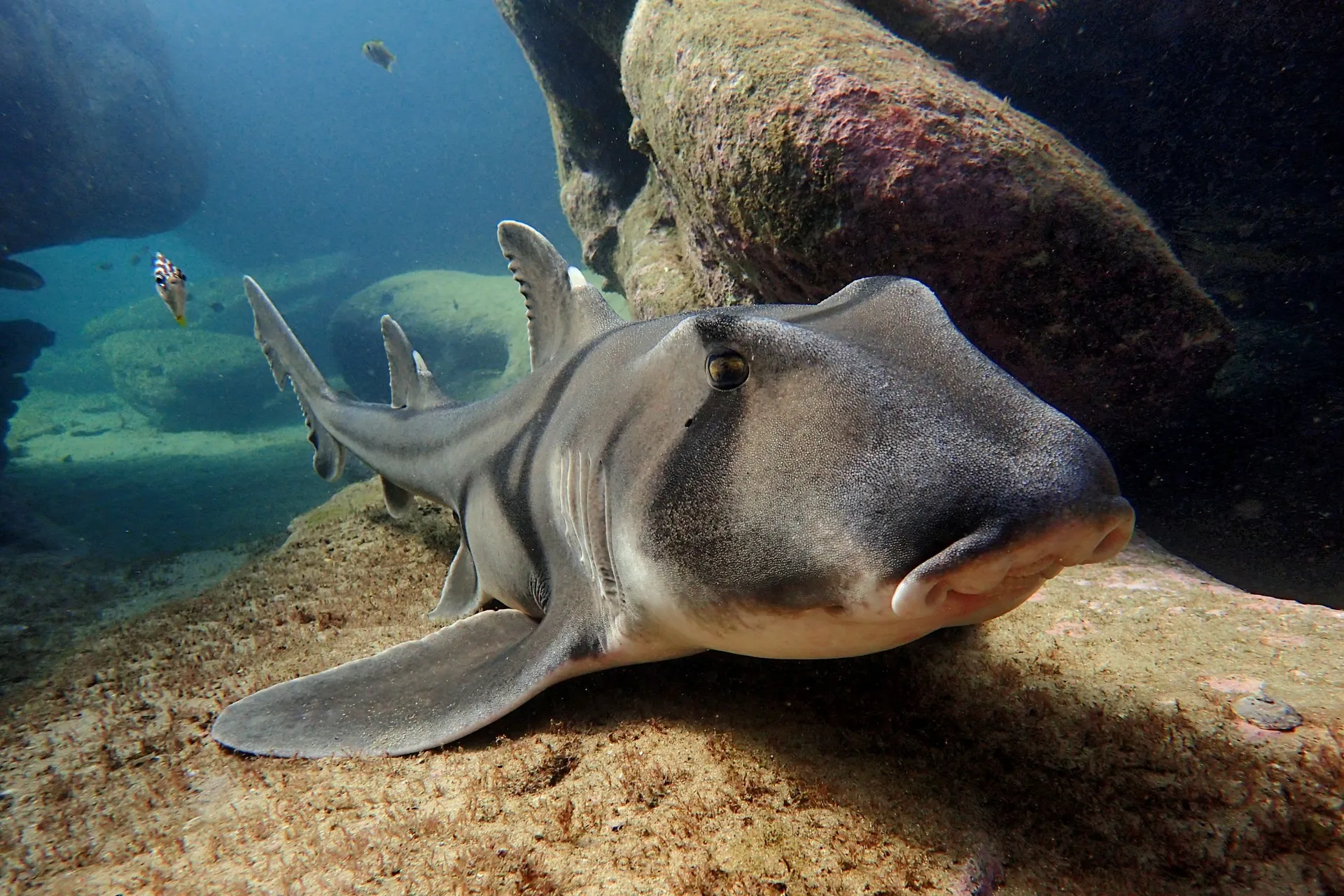
Sheltering on the reef
Go deeper
Size & biology
- Birth: 60–70cm.
- Matures (varies regionally): female 270–300cm (N Atl.); male 195cm(N Atl.)
- Max. TL: female 400cm; male 285cm (Northern Atlantic).
- Age at maturity: female 18 years; male 8 years. Max. age est.: 28–32 years.
- Viviparous, litters of 4–25 pups (avg.10–18). Embryos feed on unfertilised eggs (oophagy).
- Gestation period 15–18 months followed by a resting period. Entire reproductive cycle ~3 years.
- Endothermic, maintaining its body temperature above ambient water temperature.
- Feeds on pelagic teleosts and cephalopods, known to feed on other elasmobranchs and may scavenge on marine mammals.
- Capable of swimming at speeds of 46 mph.
Conservation status
IUCN Red List: Global: Endangered (2019) Europe: Data Deficient (2015) Mediterranean: Critically Endangered (2016) An important bycatch species in high-seas fisheries, this species has undergone drastic declines. The life history characteristics of the Shortfin Mako make it particularly vulnerable to fishing pressure.
Management
Subject to FNA regulations, prohibitions under RFMO and additional international regulations.
Commercial importance
Important secondary target species for pelagic longline fisheries targeting tuna and swordfish. Highly prized for its meat, fins, hides and liver oil. Extremely popular game fish due to its hard fight and habit of breaching when hooked.
References & further reading
Assessment: SMA/NEA/2020
- Ebert et al.
- Ebert & Stehmann.
- Rigby et al.
- CMS Species List. n.d.
- French & Naylor.
- ICES WGEF Report.