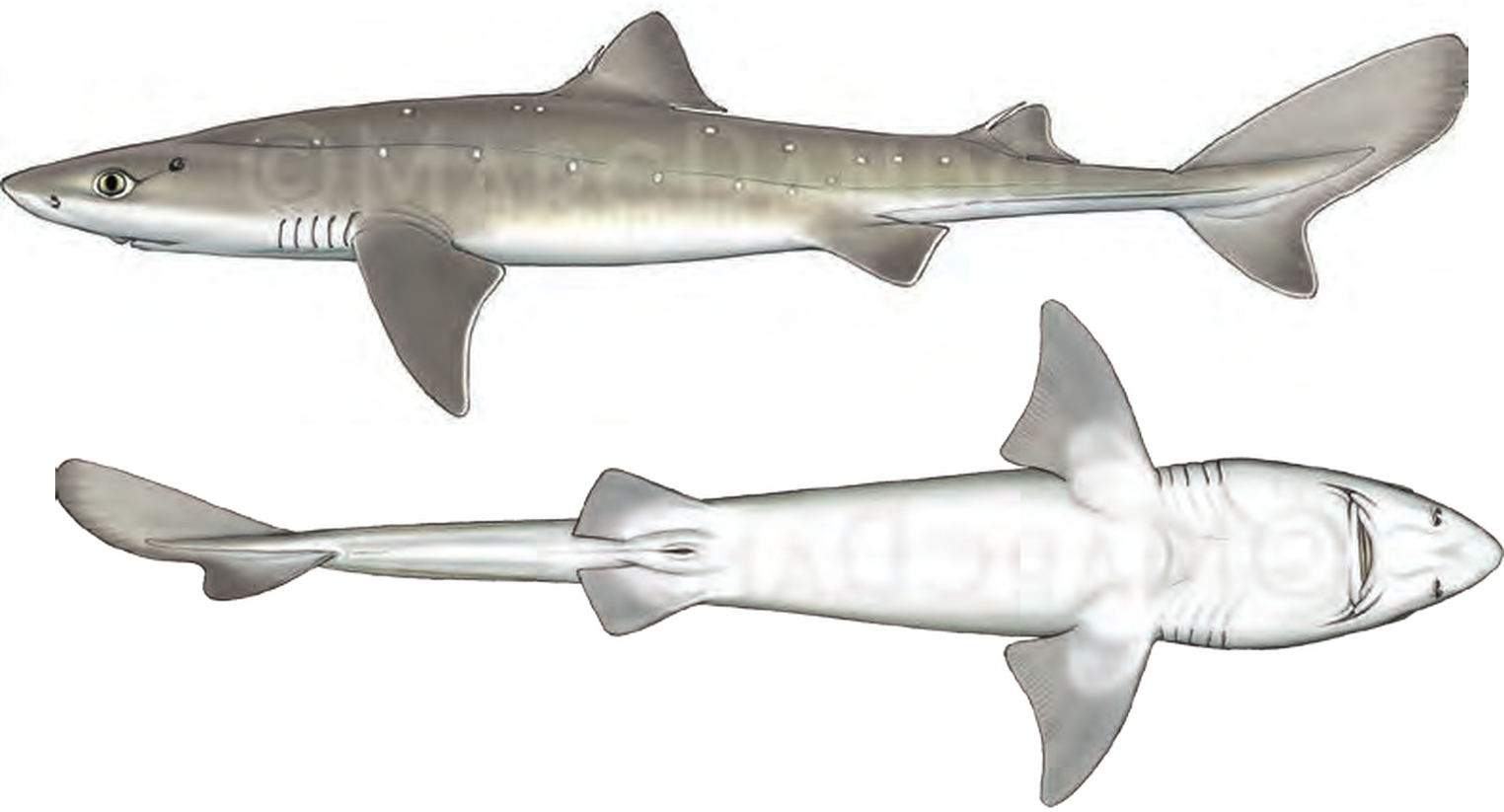
Spurdog
Squalus acanthias Linnaeus, 1758
Vulnerable- Maximum length
- 1.25 m
- Depth range
- From surface to 1,446m.
- FAO code
- DGS
Meet the Spurdog
- Also known as
- SPURDOG, Spiny Dogfish, Piked Dogfish, Dogfish, Rock Salmon, Spring Dogfish, White-Spotted Dogfish, Dornhai (DEU), Cazón Espinoso (ESP), Mielga (ESP), Aiguillat Commun (FRA), Agoggiau (ITA), Doorn haai (NLD), Cação Galhudo (PRT).
How to identify
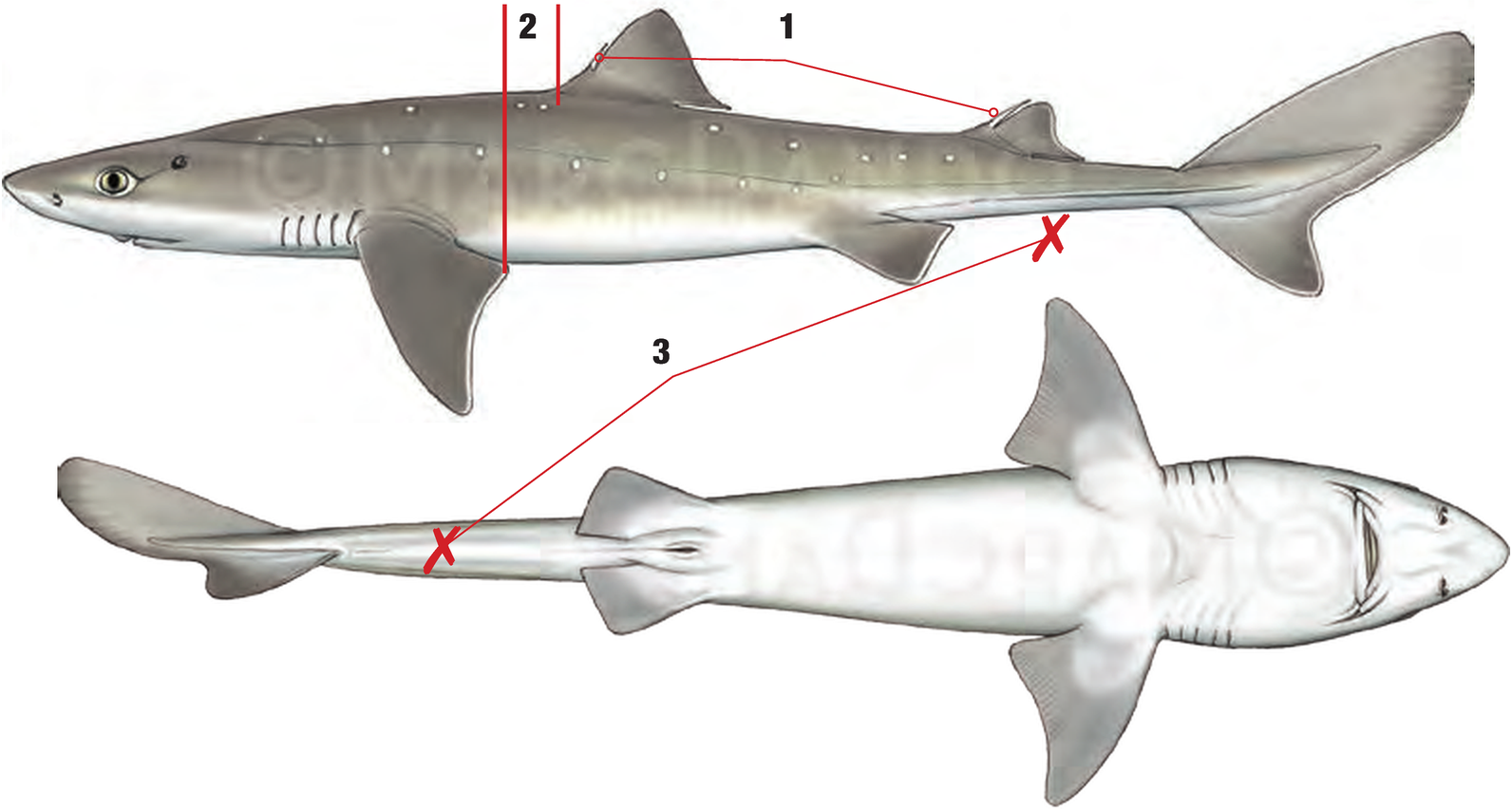
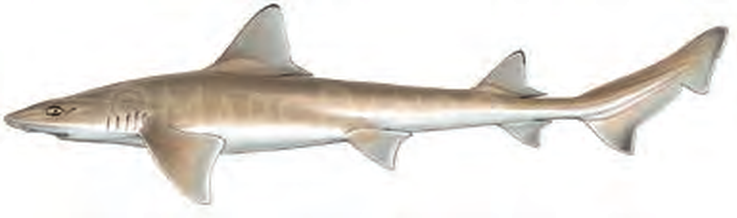
The numbers match the arrows on the illustration.
- Large, ungrooved dorsal spines.
- First dorsal fin originates behind pectoral fin rear tips.
- No anal fin.
Colouring & markings
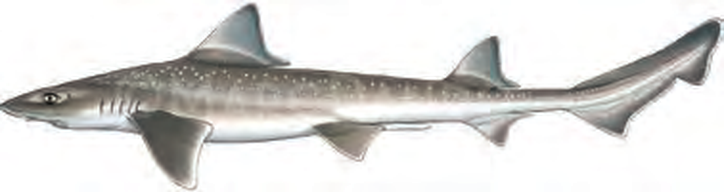
- Rows of white spots on flanks.
- Slate grey to bluish grey dorsally.
- Pale grey to white ventrally.

Teeth
Oblique-cusped cutting teeth in both jaws. Upper jaw: 26–30. Lower jaw: 22–24.
How big do they get?
Where they live
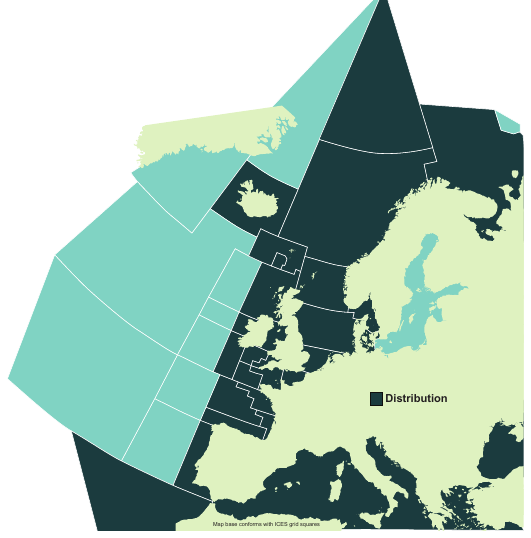
Distribution
Circumglobal in temperate waters. Northeast Atlantic from Iceland, Faroe Islands, Barents Sea and Scandinavia to the British Isles and south to Senegal incl. the Mediterranean and Black Seas.
Habitat
Demersal, possibly epipelagic from surface to 1,446m, most commonly >600m. Found in boreal to warm-temperate waters on continental shelf and upper slope, sometimes extending further offshore. Aggregates by size and sex. Regionally migratory, with a few oceanic movements recorded. Able to tolerate temperature range of 7–15°C. Nursery grounds usually occur in shallow inshore areas, open bays and estuaries.
In the wild
-

Recorded on a Shark Trust survey dive -
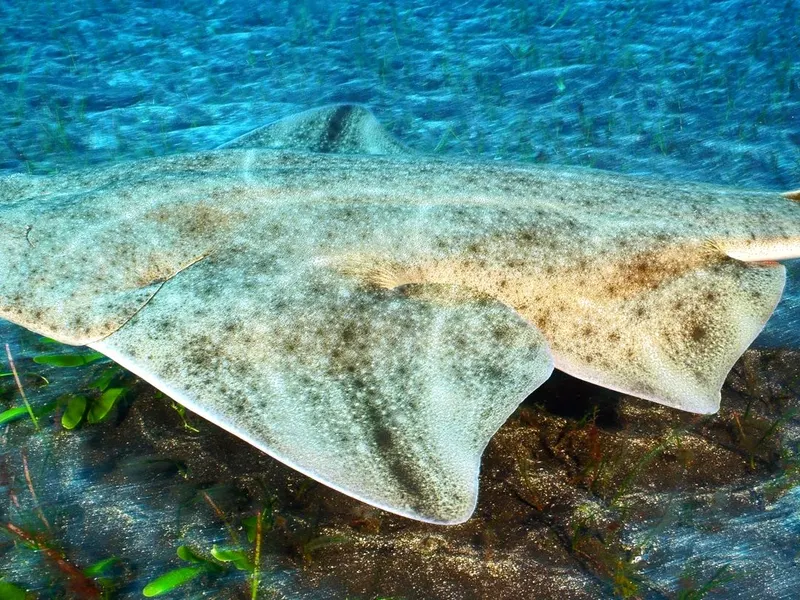
Resting on a sandy seabed -
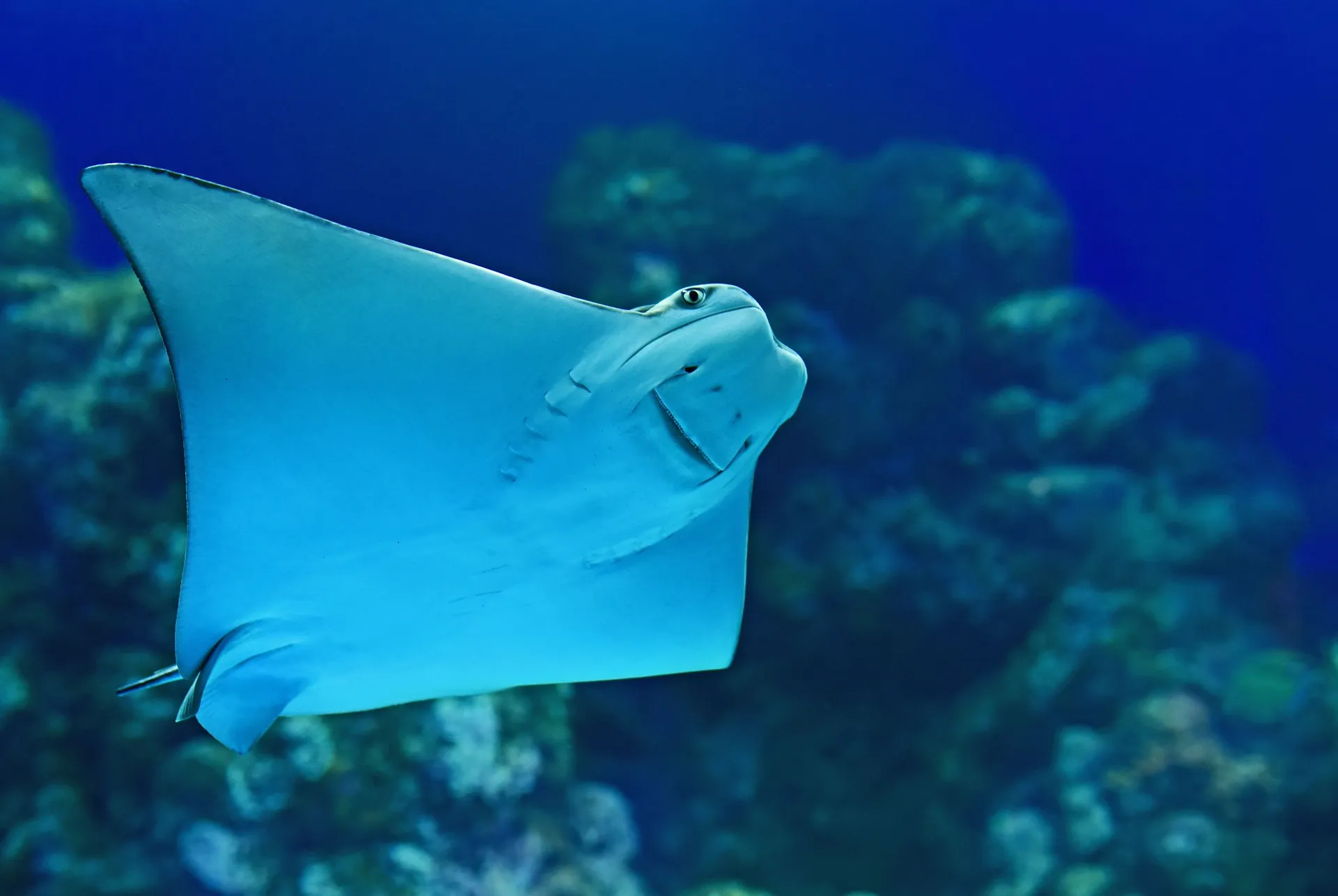
Cruising close to the sea floor -
In the shallows at dusk -
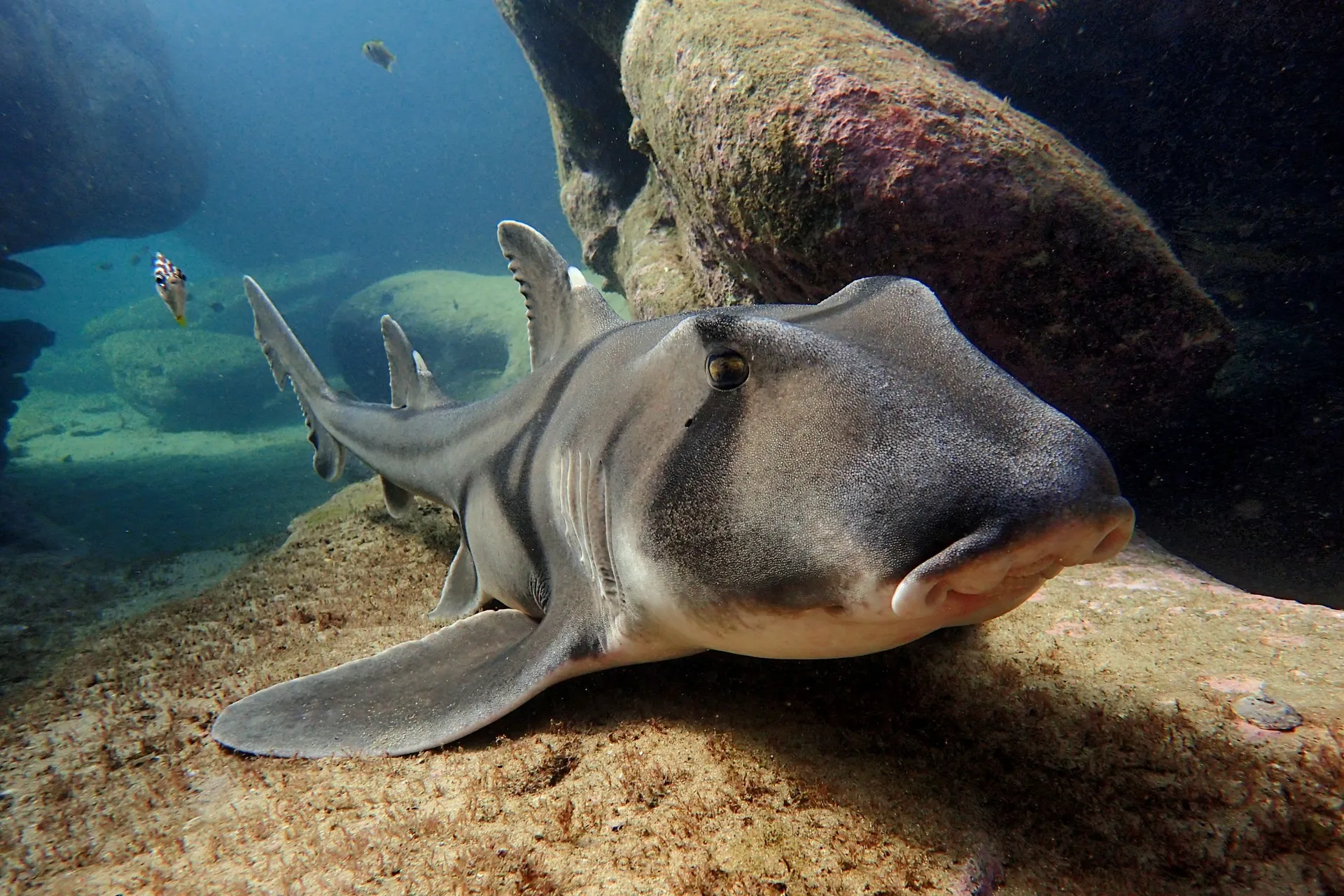
Sheltering on the reef
Go deeper
Size & biology
- Birth: 18–30cm.
- Matures: female 66–82cm; male 52–70cm.
- Max. TL: female 125cm; male 100cm. Maturity and max. sizes vary regionally.
- Age at maturity: 10–20 years (varies regionally). Max. age est: 30 years.
- Viviparous with yolk-sac. Females give birth to 1–32 pups per litter (dependent on size of female and region). Gestation period lasts 18–24 months (varies regionally).
- Feeds on crustaceans, molluscs, teleosts and other elasmobranchs. Known to scavenge fish caught on fishing gear.
Conservation status
IUCN Red List: Global: Vulnerable (2016) Europe: Endangered (2015) Mediterranean: Endangered (2016) A slow growing, late maturing and long-lived shark making it particularly vulnerable to overexploitation from fisheries due to its slow rate of population increase. Segregation by size and sex make aggregated groups of the population (such as mature females) susceptible to localised targeted fishing.
Management
Subject to prohibitions under the CFP and FNA regulations, and additional international regulations.
Commercial importance
A highly valued shark targeted and taken as bycatch across much of its range by demersal fisheries. Utilised for its meat, liver oil and fins. Targeted by anglers in recreational fishing.
References & further reading
Assessment: DGS/NEA/2020
- Ebert, et al.
- Ebert & Stehmann.
- Ellis et al.
- Fordham et al.
- Compagno, L.J.V.
- Yigin & Ismen.
- Ellis, J.R. et al.
- Hanchet, S.