Tope
Galeorhinus galeus (Linnaeus, 1758)
Critically Endangered- Maximum length
- 1.95 m
- Depth range
- From surface to 470m.
- FAO code
- GAG
Meet the Tope
- Also known as
- TOPE, Soupfin Shark, School Shark, Flake, Rig, Penny’s Dog, Snapper Shark, Liver-oil Shark, Miller’s Dog, Hundshai (DEU), Cazón (ESP), Requin-hâ (FRA), Cagnassa (ITA), Roofhaai (NLD), Perna-de-moça (PRT).
How to identify
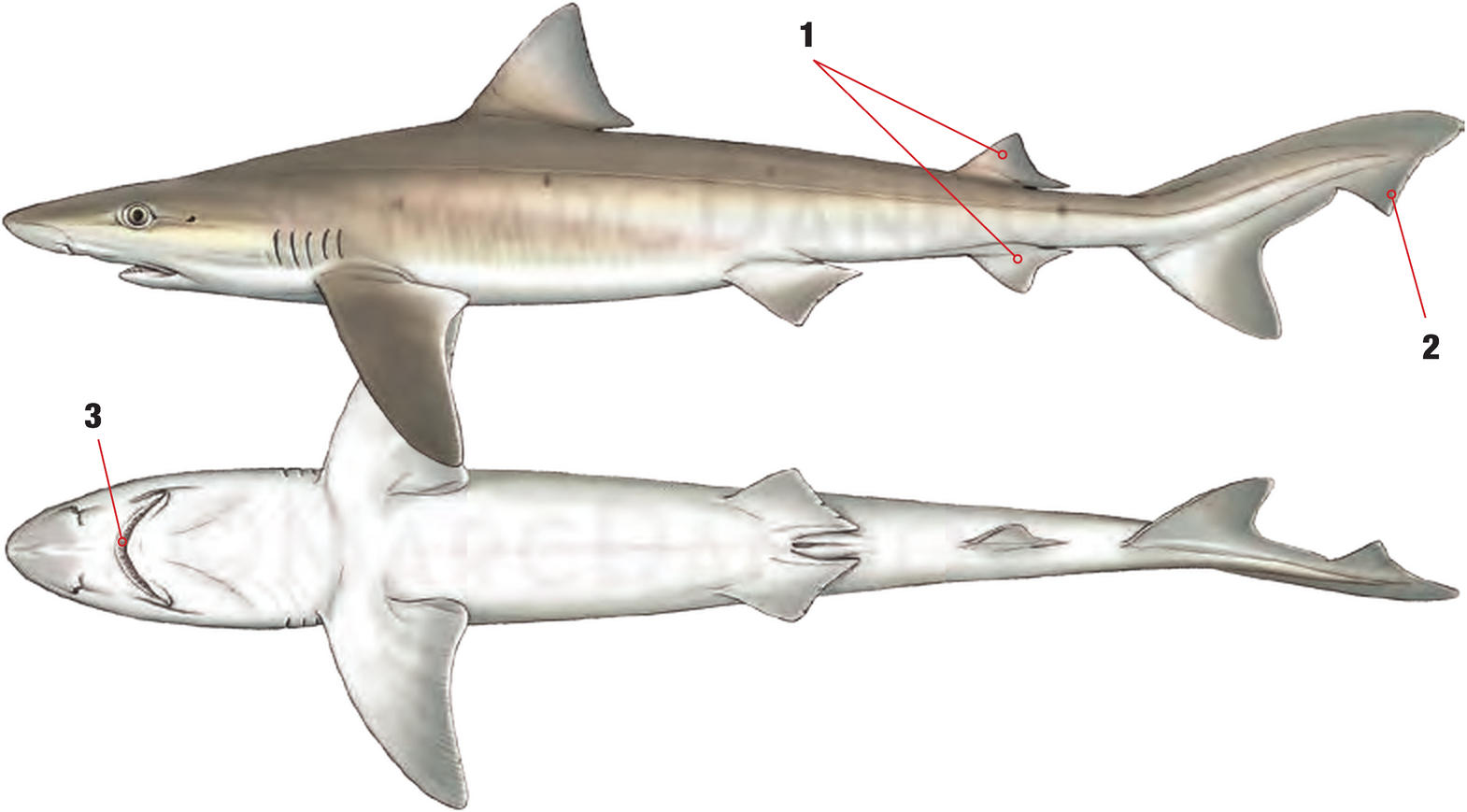
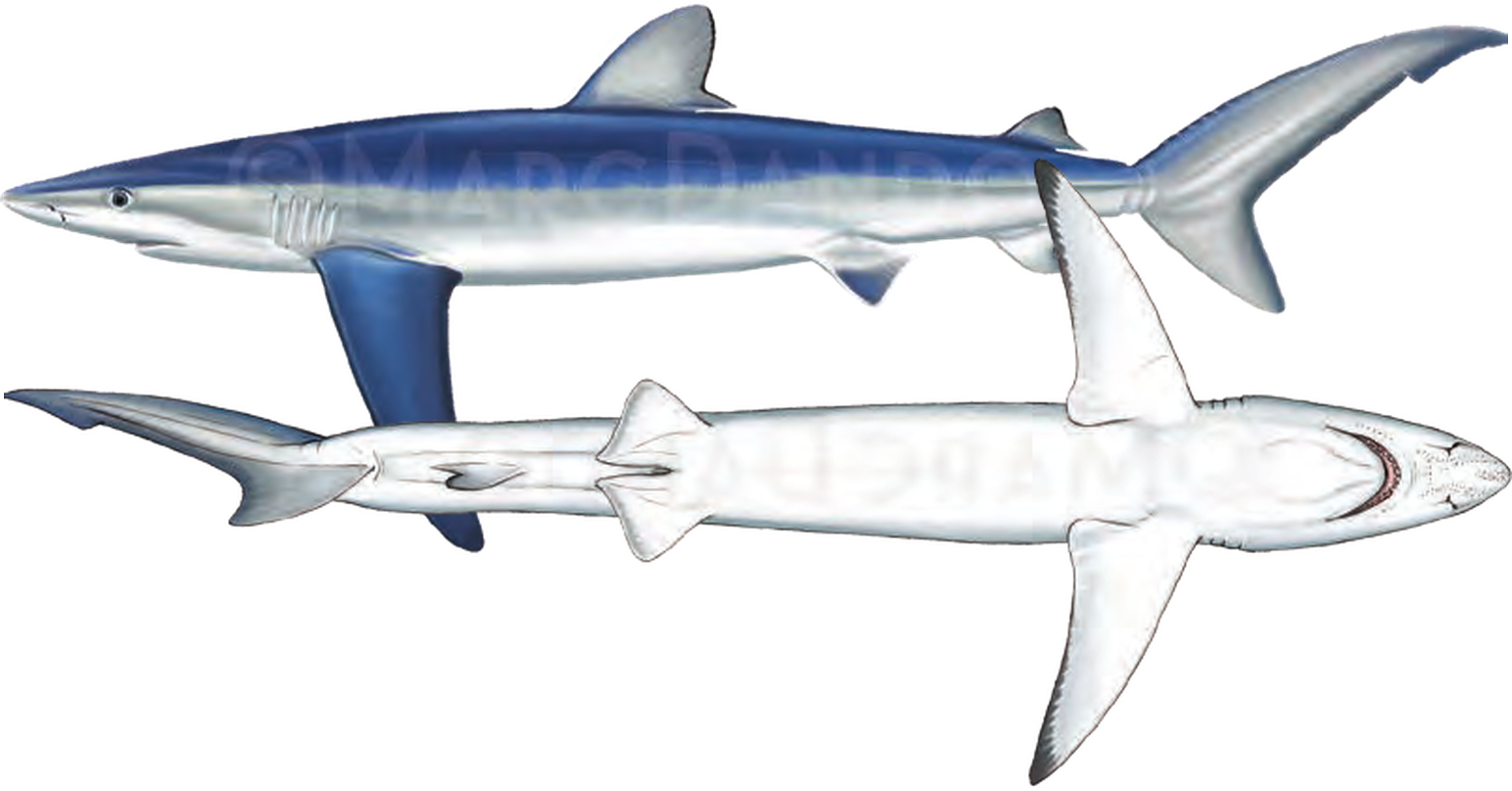
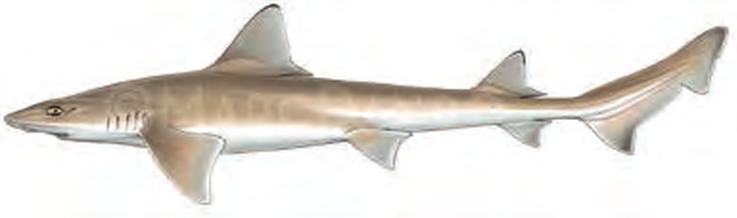
The numbers match the arrows on the illustration.
- Small second dorsal fin, same size as anal fin and directly above it.
- Very large caudal lobe.
- Cusped teeth (c.f. Starry Smoothhound Mustelus asterias, which has molar-like teeth).
Colouring & markings
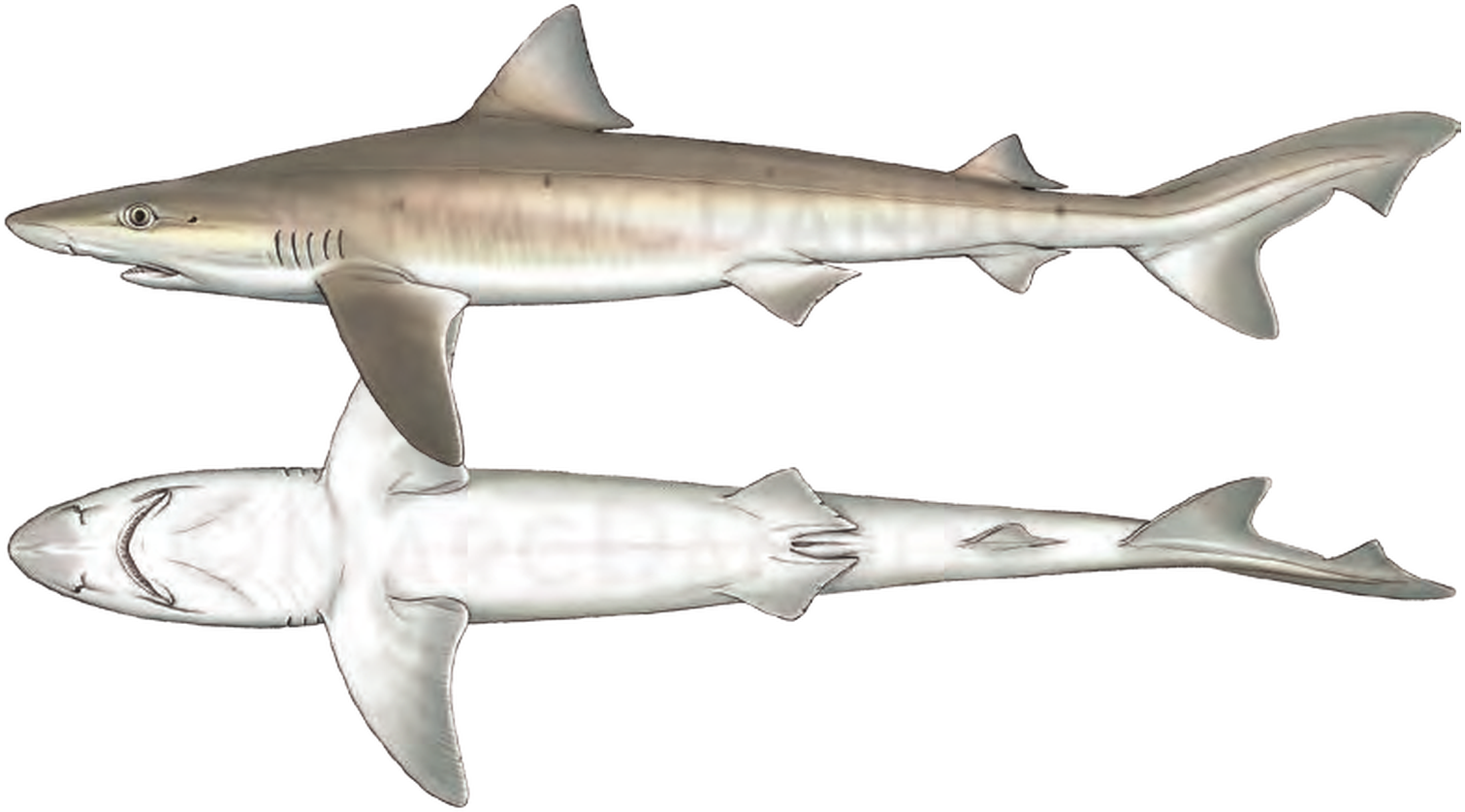
- Blue-grey to light brown dorsally.
- Pale to white ventrally.

Teeth
Small, blade-like teeth, with oblique cusps and distal Similar in both jaws. Upper jaw: 30–40. Lower jaw: 31–39.
How big do they get?
Where they live
Distribution
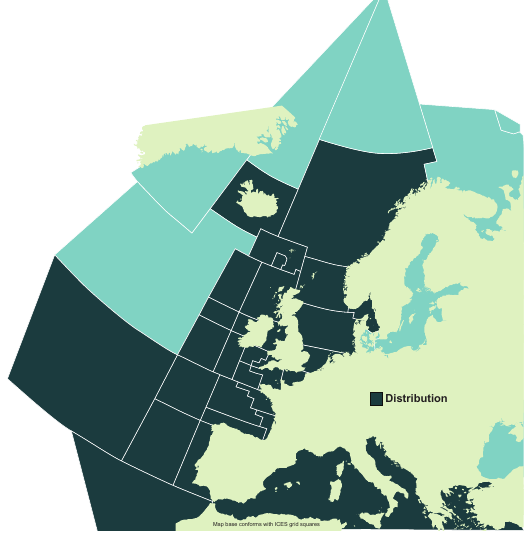
Worldwide in temperate to subtropical seas. Eastern Atlantic from Iceland, Norway and British Isles to Senegal incl. the Azores and Canary Islands; possibly to South Africa. Found in the Mediterranean Sea. Absent from Northwest Atlantic and Northwest Pacific.
Habitat
Coastal-pelagic species found in the shallows to offshore, down to 470m. Often found near the seabed. Pregnant females move inshore to give birth in estuaries and shallow bays. Populations in the higher latitudes make long seasonal migrations between feeding and breeding grounds.
In the wild
-
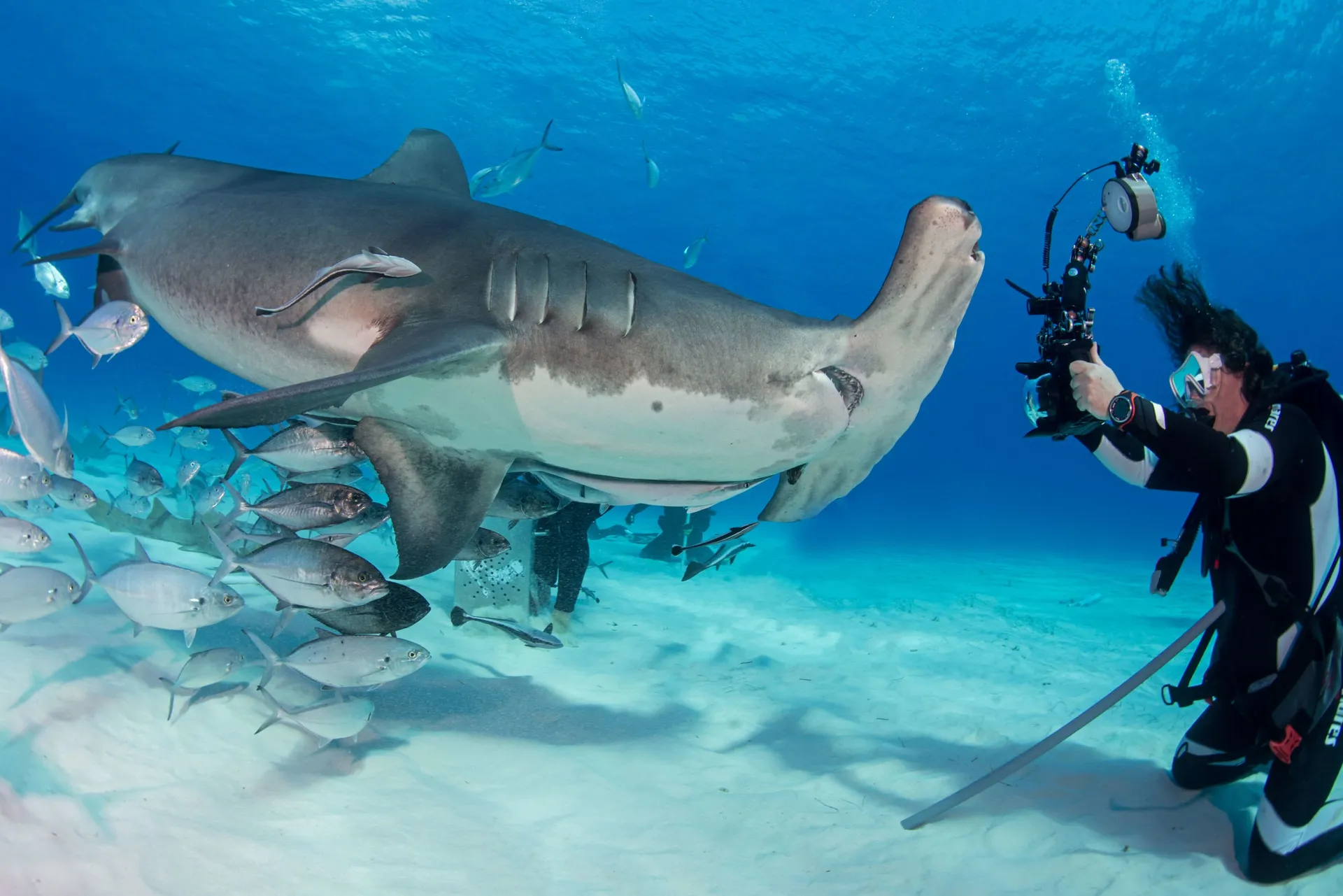
Recorded on a Shark Trust survey dive -
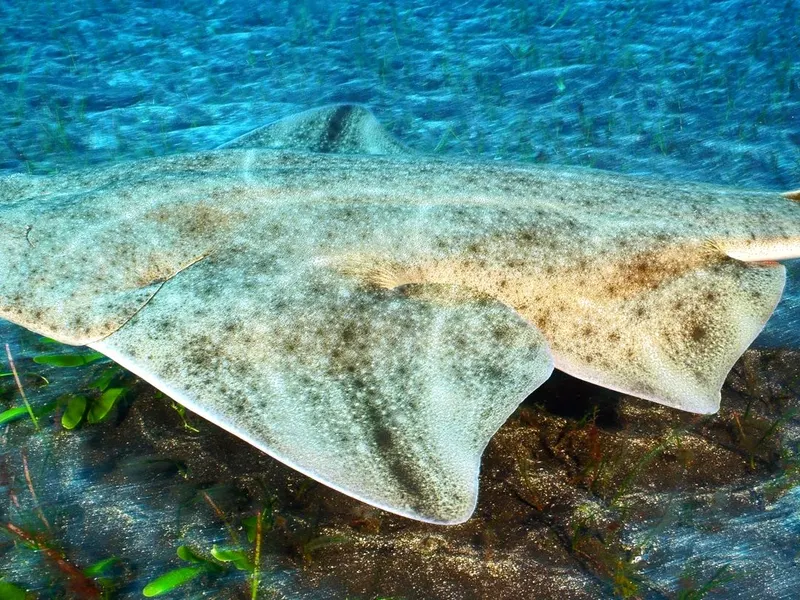
Resting on a sandy seabed -
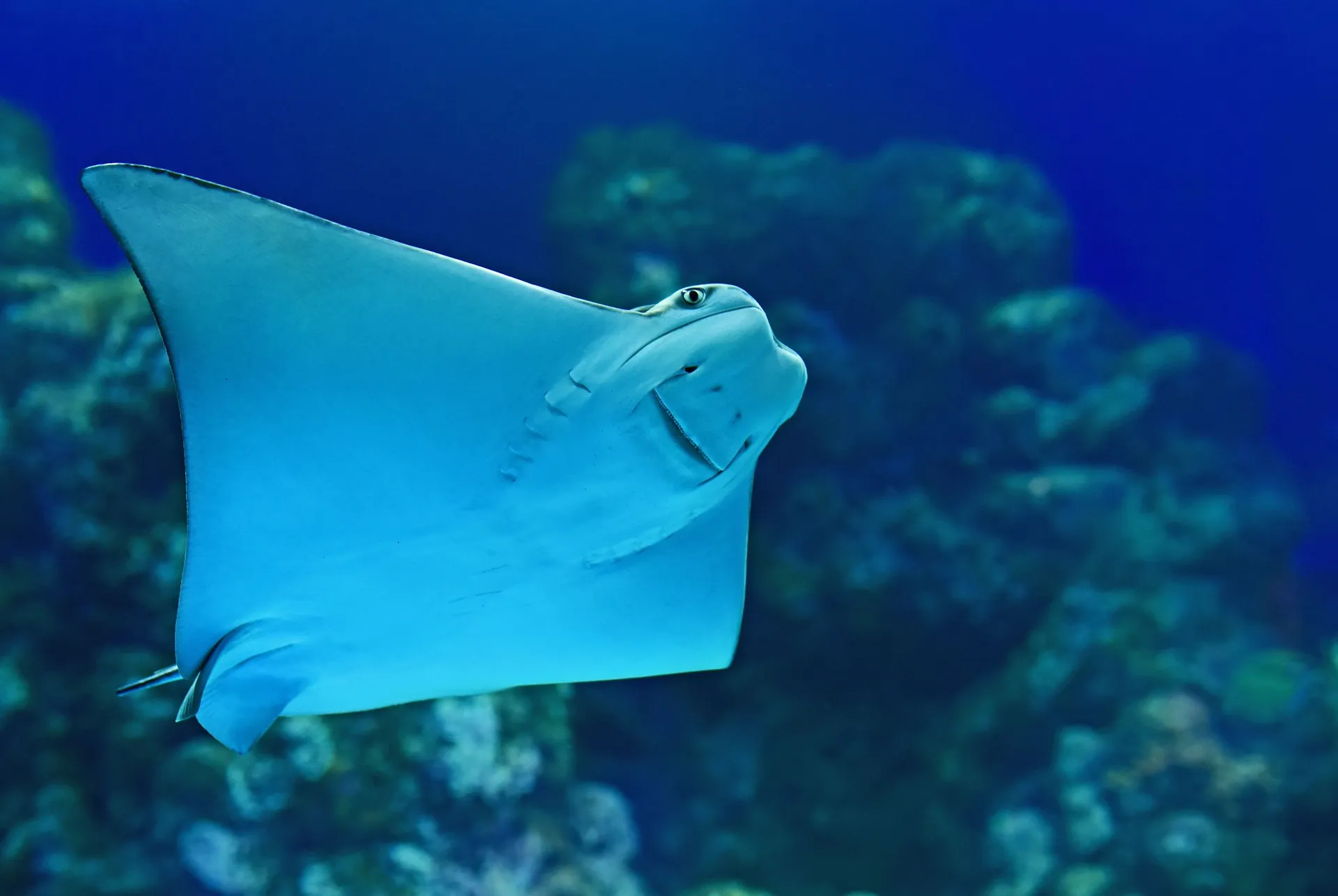
Cruising close to the sea floor -
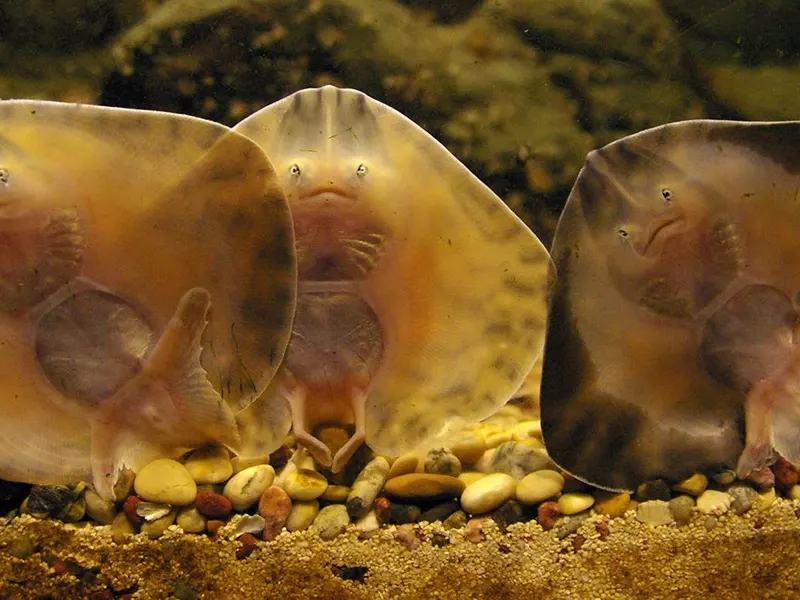
In the shallows at dusk -
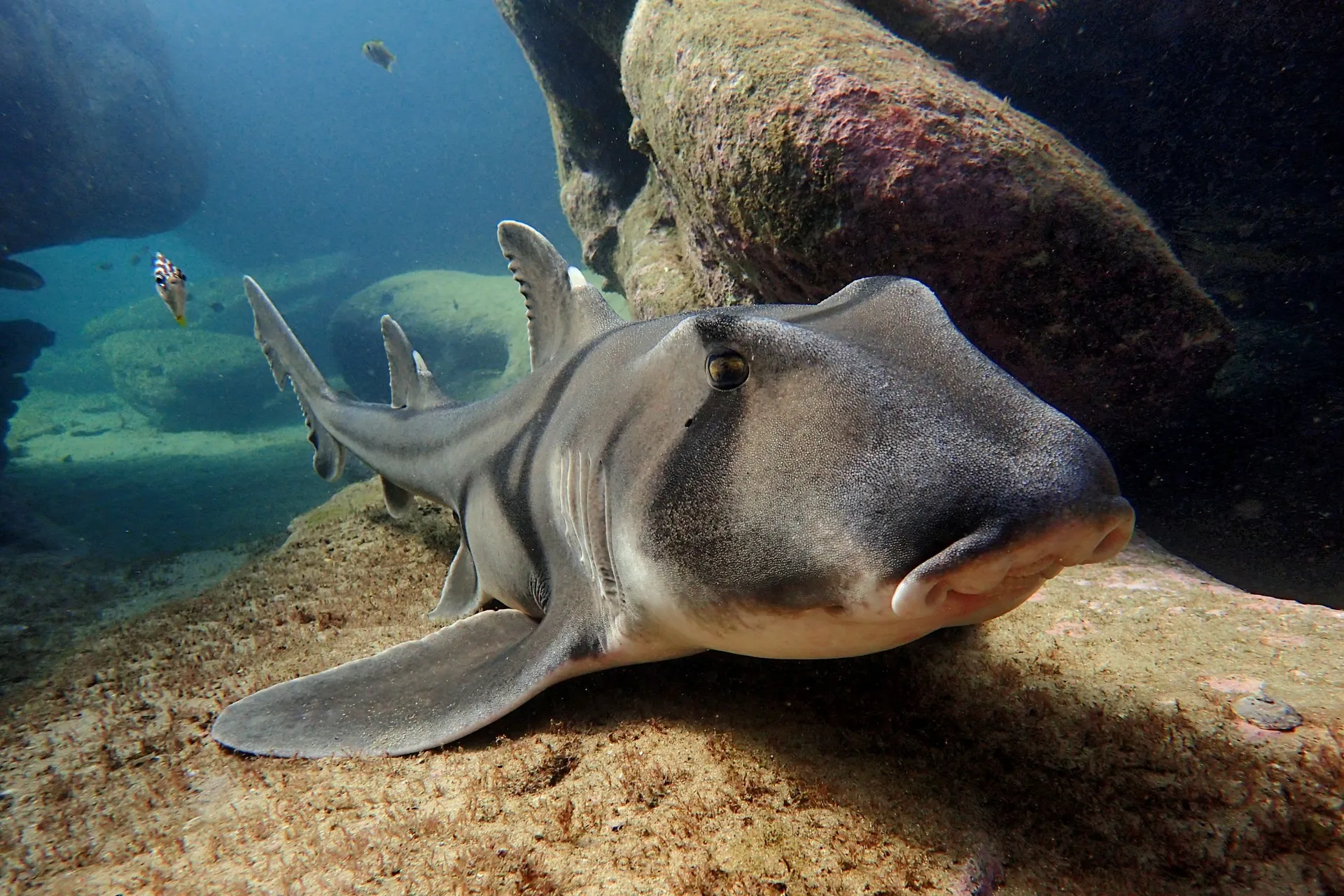
Sheltering on the reef
Go deeper
Size & biology
- Birth: 30–40cm.
- Matures: female 130–185cm; male 120–170cm (varies regionally).
- Max. TL: female 195cm; male 175cm.
- Age at maturity: female 11–17 years; male 9–13 years (varies regionally).
- Max. age est.: 45 years, possibly to 60 years.
- Viviparous, litters of 6–52 pups. Litter size increases with size of female.
- Gestation lasts 12 months, followed by a two-year resting period after birth. Reproductive cycle lasts three years.
- Feeds on a wide variety of teleosts, cephalopods, invertebrates and other small elasmobranchs.
Conservation status
IUCN Red List: Global: Vulnerable (2006) Europe: Vulnerable (2015) Mediterranean: Vulnerable (2016) Bycaught in demersal and pelagic fisheries. Landings may include misidentification of other species e.g. smoothhounds and deepwater sharks. Vulnerable to fishing pressure due to slow life history characteristics and length of reproductive cycle.
Management
Subject to prohibitions under the CFP, RFMO and FNA regulations.
Commercial importance
Historically one of the most widely fished shark species; important in commercial and recreational fisheries. Currently no targeted fisheries for Tope, but taken as bycatch in trawl, gillnet and longline gears. Meat, fins and liver oil are utilised.
References & further reading
Assessment: GAG/NEA/2020
- Ebert et al.
- Ebert & Stehmann.
- McCully et al.
- ICES WGEF.
- Defra Guidance.